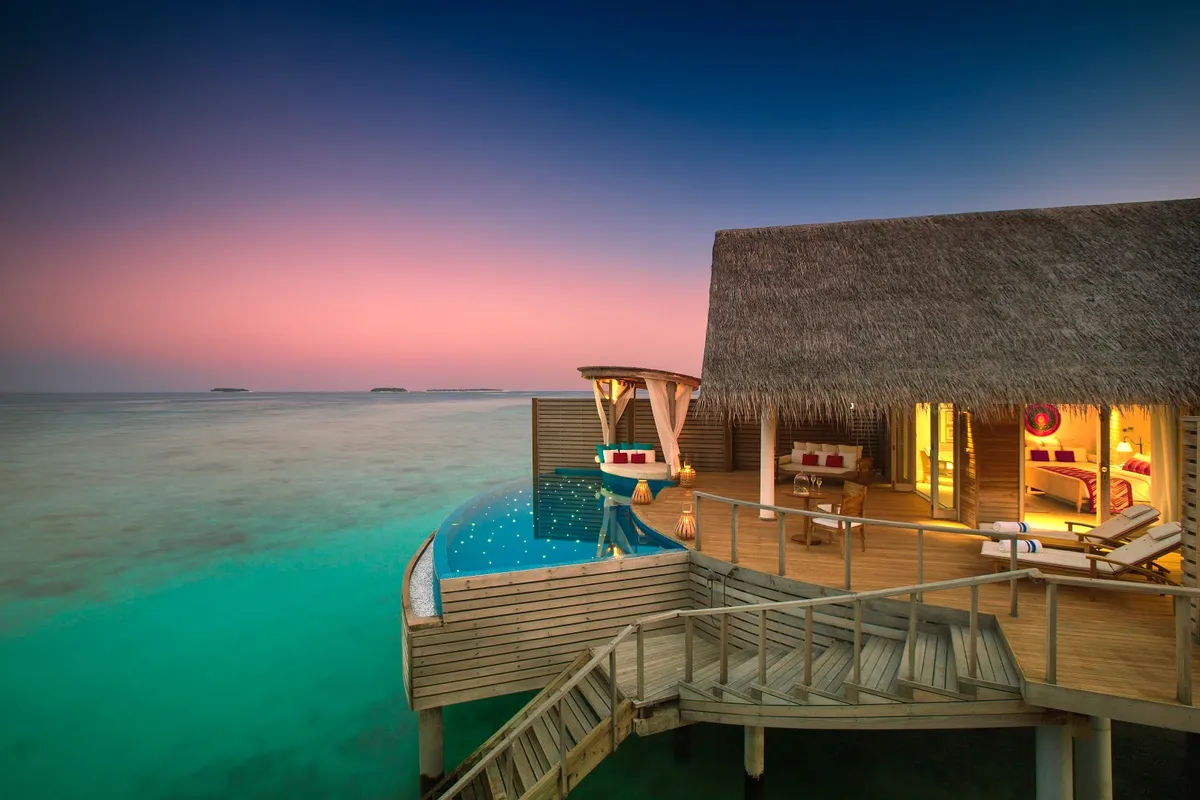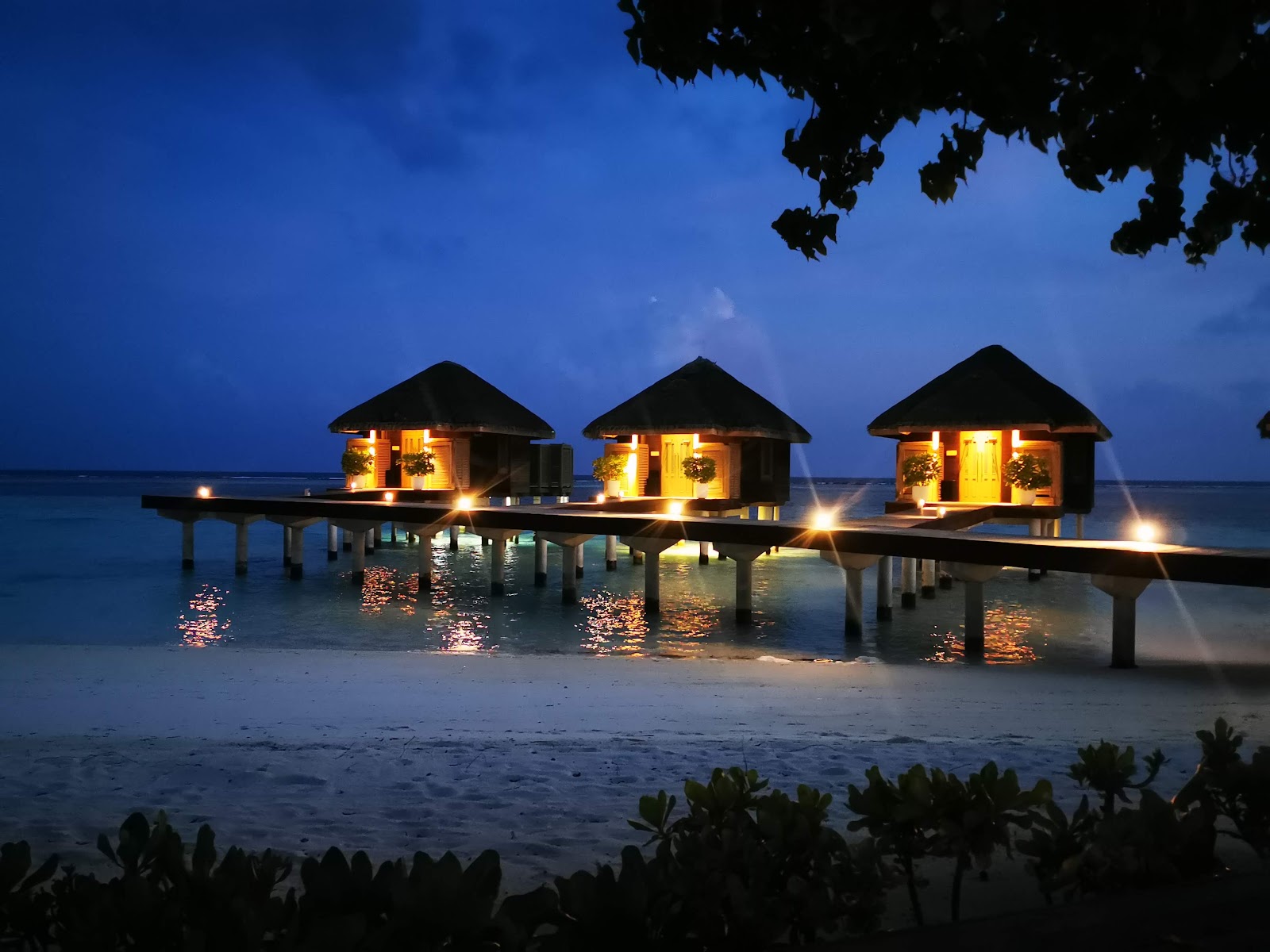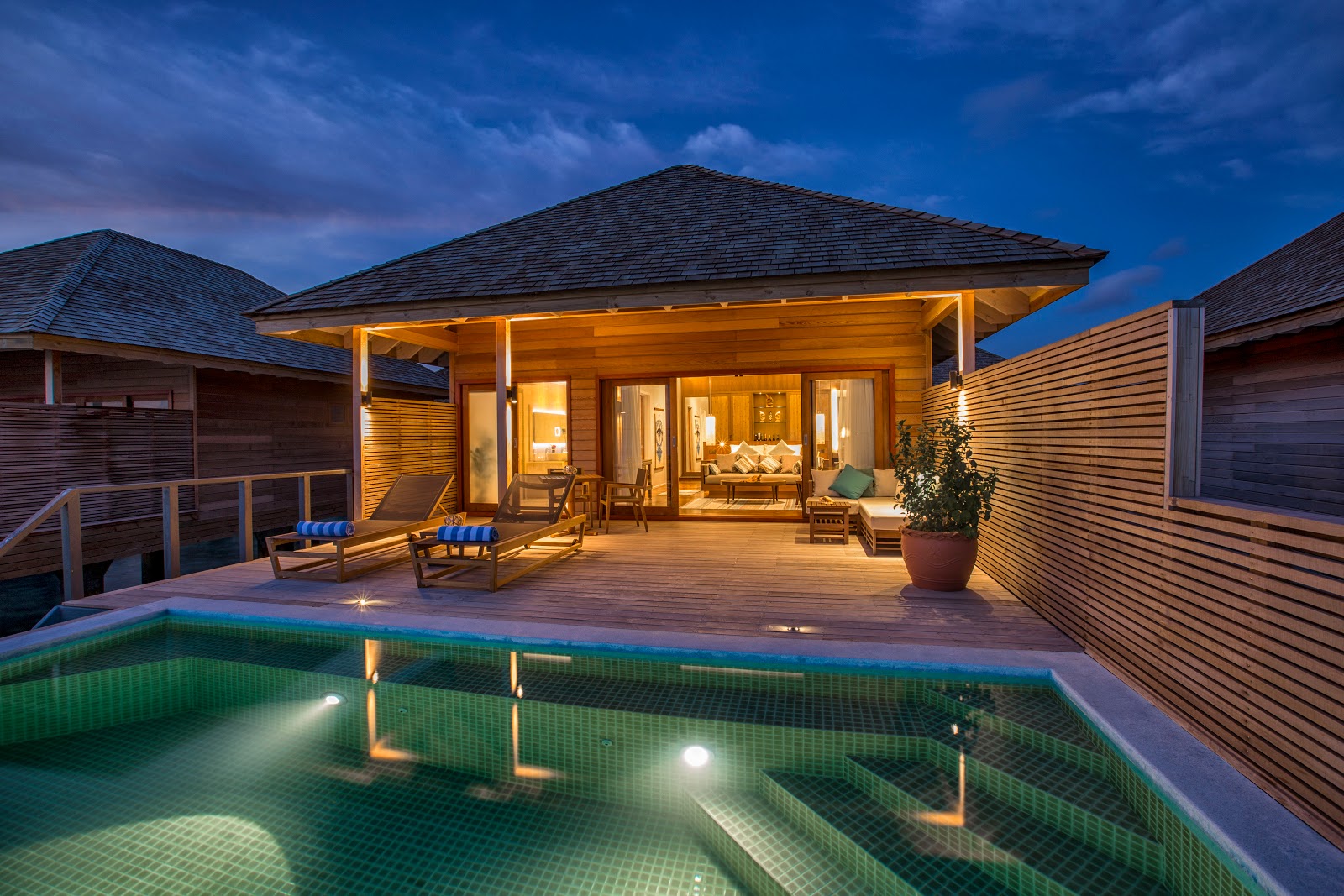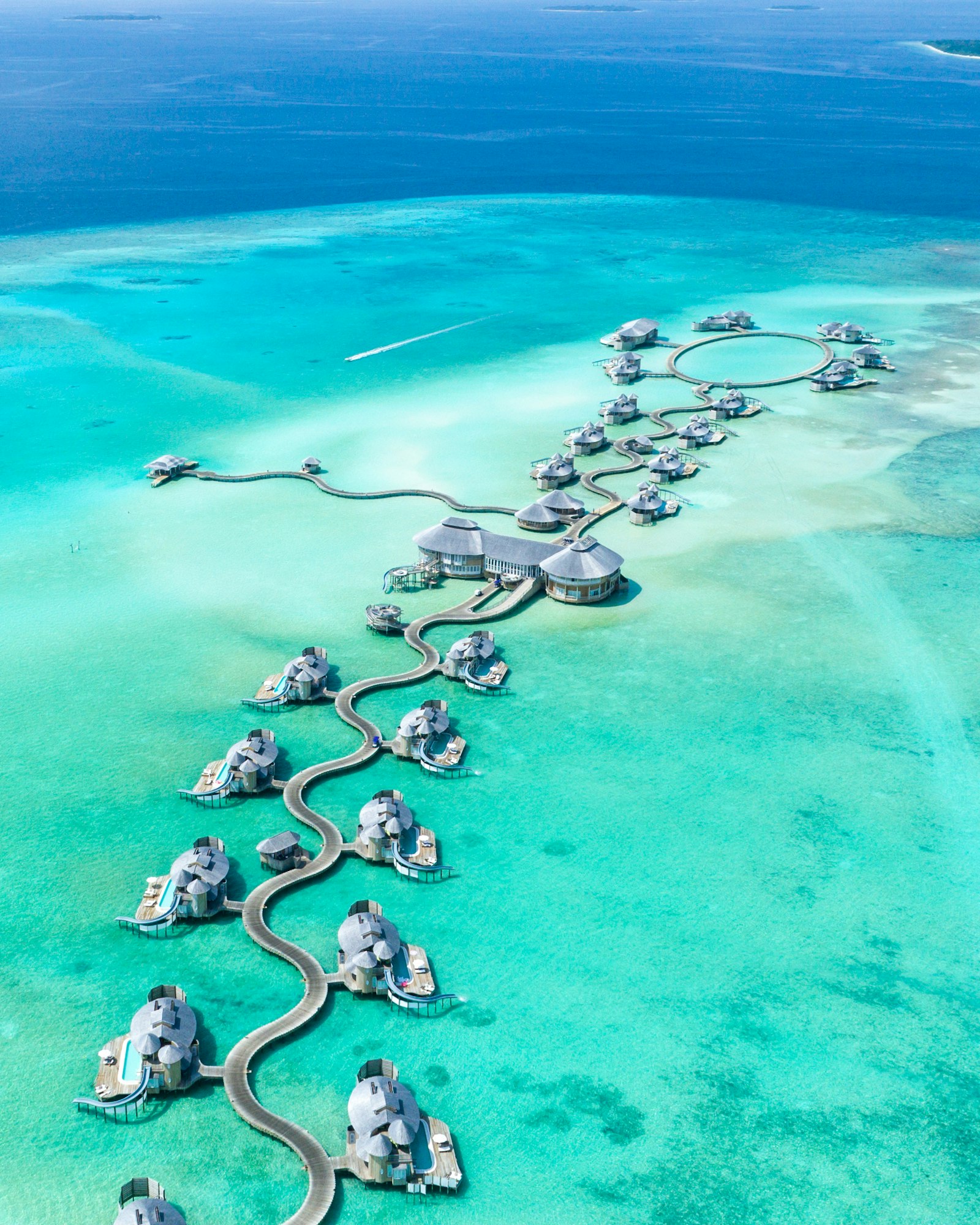
Ah, the Maldives. For many, it's the ultimate dream destination, a place where turquoise waters meet pristine white sands, and overwater bungalows beckon. But for a first-timer, planning a trip to this archipelago nation can feel a little overwhelming. With over 1,200 islands, countless resorts, and a unique logistical setup, knowing where to start is half the battle. As someone who's had the privilege of exploring over 40 resorts and local islands across the Maldives for the past 15 years, I've seen it all – from the opulent to the charmingly rustic. My goal with this guide is to cut through the noise and provide you with the practical, no-nonsense advice you need to plan your perfect first Maldivian escape in 2026. Consider this your essential roadmap, straight from someone who's navigated these waters countless times.
In This Guide
Understanding the Maldives: Geography & How it Works
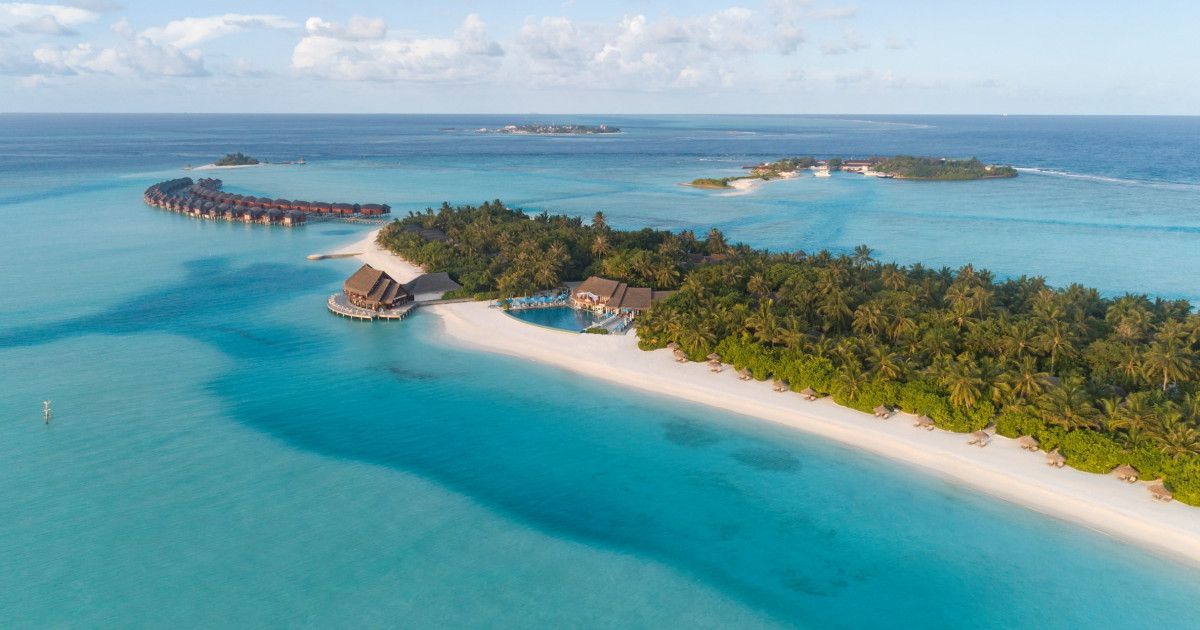
The Maldives is unlike almost any other destination on Earth. It's an archipelago nation comprising 26 natural atolls, which are themselves made up of over 1,200 coral islands, only about 200 of which are inhabited. These islands are tiny, often no more than a few hundred meters across, and rise just a meter or two above sea level. The capital, Malé, is one of the most densely populated cities in the world, but once you leave its bustling streets, tranquility reigns.
This unique geography means that virtually every resort occupies its own private island. This is a fundamental aspect of the Maldivian experience – privacy, exclusivity, and direct access to pristine reefs and lagoons. Local islands, on the other hand, are where Maldivian communities live, offering a different, more cultural experience. I've spent countless hours exploring both, and the contrast is striking and important for first-timers to understand.
Maldives Visa & Entry Requirements for 2026
One of the beauties of the Maldives is its straightforward visa policy. For most nationalities, including those from the US, UK, EU, Australia, and Canada, a free 30-day tourist visa is granted on arrival.
However, there are a few essential requirements you must meet:
- A passport valid for at least six months from your date of arrival.
- A confirmed onward or return ticket.
- A confirmed booking at a registered tourist facility (resort, guesthouse, or liveaboard).
- Sufficient funds to cover your stay (generally US$100 per day, though this is rarely checked if you have a confirmed booking).
- A completed Traveler Declaration form, submitted online within 96 hours of your arrival and again within 96 hours of your departure. This is crucial; I’ve seen many travelers scrambling to do this at the airport, so prepare in advance!
Always double-check the latest requirements on the official Maldives Immigration website before your trip, as policies can change. While the 30-day visa is standard, extensions are possible but require an application process once in the country.
Pro Tip
Don't wait until the last minute to complete your Traveler Declaration form. It's a simple online process, but having it done before you land will save you stress upon arrival at Velana International Airport (MLE).
Currency in the Maldives: What to Expect
The official currency of the Maldives is the Maldivian Rufiyaa (MVR). However, for tourists, the US Dollar (USD) is the unofficial primary currency, especially at resorts. All resorts quote prices and accept payments in USD. Major credit cards (Visa, MasterCard, American Express) are universally accepted at resorts and larger guesthouses.
On local islands, while many guesthouses and shops will accept USD, you’ll often get a better rate or find it more convenient to pay in MVR, especially for smaller purchases like snacks, local meals, or souvenirs from smaller vendors. ATMs are available in Malé and on some larger local islands (like Maafushi or Dhigurah), allowing you to withdraw MVR. I always recommend carrying a small amount of USD in small denominations (e.g., $1, $5, $10) for tips or small purchases on local islands.
When I visit local islands, I usually withdraw some MVR from an ATM in Malé or on the island itself. The exchange rate is generally around 15.42 MVR to 1 USD.
Getting Around: Maldives Transfers Explained
This is arguably the most critical logistical aspect for first-time visitors, and it's where many get confused. The Maldives doesn't have roads connecting islands; your transfer from Velana International Airport (MLE) to your chosen island is an experience in itself and often a significant part of your budget.
There are three primary modes of transfer:
1. Speedboat Transfers
Cost: Typically $30 - $150 per person, round trip.
Time: 15 minutes to 1.5 hours.
Best for: Resorts and local islands in close proximity to Malé (e.g., North Malé Atoll, South Malé Atoll, Vaavu Atoll).
Many resorts in the Malé Atolls use speedboats. These are usually arranged directly by your resort or guesthouse. Public speedboats and ferries also operate to local islands. For instance, a public speedboat from Malé to Maafushi costs around $25 per person and takes about 30-45 minutes. Private speedboats offer more flexibility but are significantly more expensive, easily running $200-$500 one-way for a group. In my experience, if your resort is within a 45-minute speedboat ride, this is often the most cost-effective and efficient option.
2. Seaplane Transfers
Cost: $400 - $700 per person, round trip.
Time: 20 minutes to 1 hour (flight time), plus waiting time at the seaplane terminal.
Best for: Resorts in central and northern atolls (e.g., South Ari Atoll, Baa Atoll, Noonu Atoll).
The iconic Maldivian seaplane transfer offers breathtaking aerial views of the atolls. These are almost exclusively arranged by your resort. You'll typically be met at MLE, transferred to the seaplane terminal, and then fly directly to a floating platform near your resort, or to the resort's private jetty. Baggage allowance is usually restricted to 20kg checked and 5kg hand luggage; excess baggage incurs a fee (around $5 per kg). Seaplanes operate only during daylight hours, meaning if your international flight arrives late or departs early, you might need an overnight stay near Malé. On my last visit to South Ari Atoll, the seaplane transfer to W Maldives took about 25 minutes, offering spectacular views of the reefs below.
3. Domestic Flight + Speedboat Transfers
Cost: $200 - $500 per person, round trip.
Time: 30 minutes to 1 hour (domestic flight), plus 15 minutes to 1.5 hours (speedboat).
Best for: Resorts and local islands in far-flung atolls (e.g., Addu Atoll, Laamu Atoll, Haa Dhaalu Atoll).
For destinations further afield, you’ll take a domestic flight from MLE to one of the regional airports (e.g., Gan, Kooddoo, Dharavandhoo) followed by a speedboat transfer to your final island. This option operates both day and night. While it can be more time-consuming due to multiple legs, it ensures you can reach almost any part of the country regardless of your international flight timing. For example, getting to Park Hyatt Hadahaa in Gaafu Alifu Atoll involves a domestic flight to Kooddoo and then a short speedboat ride.
Pro Tip
Always book your transfers through your resort or guesthouse. They have the most up-to-date schedules and can coordinate seamlessly with your international flight. Trying to arrange them independently can lead to significant headaches and delays.
Resort Island vs. Local Island: Making the Right Choice
This is perhaps the biggest decision for a first-time visitor. The Maldives offers two vastly different experiences, each with its own charm and trade-offs. I've stayed on dozens of both, and the choice truly depends on your priorities.
Resort Islands (The Classic Maldives Experience)
What it is: One island, one resort. These are private havens designed for tourists, offering unparalleled luxury, service, and amenities. Pros:
- Privacy & Exclusivity: Your own slice of paradise with no local population.
- Alcohol & Pork: Available freely within the resort.
- Dress Code: Very relaxed; swimwear is the norm.
- Luxury & Amenities: World-class dining, spas, infinity pools, water sports centers, often overwater bungalows.
- Seamless Experience: Everything is handled for you, from transfers to activities.
- Snorkeling & Diving: Many resorts boast incredible house reefs. I've snorkeled the house reef at Baros Maldives dozens of times, and it's consistently vibrant.
- Cost: Significantly more expensive.
- Limited Cultural Immersion: You're in a tourist bubble.
- Less Local Interaction: Staff are often international or from other islands.
- "Trapped" Feeling: Some find the isolation a bit much after a few days, though many cherish it.
For those seeking a quintessential, romantic, or luxurious escape where every detail is managed, a resort island is the way to go. Expect to spend a minimum of $400-$800 per night for a mid-range resort, easily soaring into thousands for luxury options like Soneva Jani.
Book Baros Maldives
Check Best Prices →Local Islands (Authentic & Budget-Friendly)
What it is: Islands inhabited by Maldivian communities, where tourism has grown through guesthouses and local businesses. Pros:
- Affordability: Guesthouses can be as low as $50-$150 per night.
- Cultural Immersion: Interact with locals, experience Maldivian life, try authentic cuisine.
- Local Economy: Your money directly supports local businesses.
- More Activity Options: Often more diverse and cheaper excursions run by local providers.
- "Bikini Beaches": Designated areas for tourists to wear swimwear.
- No Alcohol or Pork: The Maldives is a Muslim nation, and these are prohibited on local islands.
- Dress Code: Modest dress is required outside of "bikini beaches" (shoulders and knees covered).
- Less Privacy: You're sharing the island with residents.
- Fewer Luxury Amenities: Guesthouses are comfortable but not resort-level luxury.
- Logistics: Transfers often rely on public ferries or shared speedboats, which can be less frequent.
If you're a budget-conscious traveler, keen on cultural experiences, or looking to combine relaxation with genuine local interaction, local islands are an excellent choice. Islands like Maafushi, Thulusdhoo, or Dhigurah are popular and well-developed for tourism. I often recommend a split stay for first-timers – a few nights on a local island for culture and affordability, followed by a few nights at a resort for the ultimate indulgence.
Book Kandima Maldives
Check Best Prices →Typical Costs for a Maldives Trip in 2026
Let's be honest: the Maldives has a reputation for being expensive, and it can be. But it's also possible to visit on a more modest budget, especially if you embrace local islands. Here's a realistic breakdown for 2026:
Accommodation (Per Night)
- Local Island Guesthouse: $50 - $150 (room only or with breakfast)
- Mid-Range Resort: $400 - $800 (often includes breakfast, sometimes half board)
- Luxury Resort: $1000 - $3000+ (often includes breakfast, sometimes half board or all-inclusive)
Food & Drink (Per Person, Per Day)
- Local Island:
- Breakfast: $5 - $10
- Lunch/Dinner (local restaurant): $10 - $25
- Water/Soft Drinks: $2 - $5
- Resort (A la carte, not all-inclusive):
- Breakfast: Often included, otherwise $30 - $50
- Lunch: $40 - $80
- Dinner: $70 - $150+
- Drinks (cocktail/wine): $15 - $30 per glass
- Water: $5 - $10 per bottle
Mohamed's Tip: Resort food and drink prices are significantly marked up. Consider an all-inclusive package if you plan to eat and drink a lot, as it can be more cost-effective. For local islands, eating at small cafes will save you a fortune.
Transfers (Round Trip, Per Person)
- Speedboat (to nearby Malé Atoll): $30 - $150
- Domestic Flight + Speedboat: $200 - $500
- Seaplane: $400 - $700
Activities (Per Person)
- Snorkeling Trip (local island): $25 - $50
- Diving (per dive): $60 - $100 (more for resort dive centers)
- Dolphin Cruise: $30 - $70
- Resort Excursions (e.g., private snorkeling, sunset cruise): $100 - $300+
- Watersports (kayak/paddleboard rental): $20 - $50 per hour
Total Estimated Daily Costs (excluding international flights):
- Budget Traveler (Local Island focus): $100 - $250 per day (including guesthouse, food, basic activities, amortized transfer cost)
- Mid-Range Resort Traveler: $600 - $1200+ per day (including resort, food, some activities, amortized transfer cost)
- Luxury Resort Traveler: $1500 - $5000+ per day
These are averages, and your actual costs will vary based on your choices. I always advise people to overestimate their budget a little, especially for resorts, as hidden costs like taxes (10% service charge + 16% GST) can add up quickly.
Best Duration for a First-Time Visit
In my 15 years, I've seen people visit for just a long weekend and others for a month. For a first-time visitor, I generally recommend a stay of 5 to 7 nights. Here's why:
- 5 Nights: This is a good minimum. It allows you to settle in, enjoy your chosen island, and experience a few activities without feeling rushed. It's perfect for a short, luxurious getaway.
- 7 Nights: This is the sweet spot. It provides ample time to relax, explore, and truly unwind without feeling the need to constantly be doing something. If you're doing a split stay (local island + resort), 7 nights gives you enough time to enjoy both without feeling like you're constantly packing and unpacking.
- Longer Stays (8+ nights): While wonderful for some, especially divers or those seeking deep relaxation, some first-timers might find longer stays on a single resort island a bit monotonous due to the isolation. If you're staying longer, consider a multi-island itinerary or choosing a resort with a wide range of activities.
Remember to factor in your travel time to and from the Maldives. The journey itself can be long, so you want enough time on the ground to make it worthwhile.
Common Mistakes First-Time Visitors Make (and How to Avoid Them)
Having witnessed countless first-time travelers, I've identified a few recurring pitfalls. Here's how to sidestep them:
1. Underestimating Transfer Costs & Logistics
As covered, transfers are not trivial. Many first-timers see a great deal on a resort and forget the hefty seaplane fee. Always confirm your transfer type and cost with your resort before booking your international flights. Ensure your international arrival/departure times align with seaplane or speedboat operating hours.
2. Not Buying Travel Insurance
The Maldives is a remote destination. Medical emergencies, flight delays, or lost luggage can be incredibly expensive. A comprehensive travel insurance policy is non-negotiable. I always ensure my clients have robust coverage, especially for medical evacuation. See our Maldives Travel Insurance Guide 2026 for more details.
3. Overpacking (Especially Shoes!)
You're going to a barefoot paradise! Most resorts encourage going shoeless. Pack light, breathable clothing, swimwear, and reef-safe sunscreen. Leave the fancy heels and excessive makeup at home. On my trips, I rarely wear anything more than flip-flops, even for dinner. A detailed Maldives Packing List is invaluable.
4. Ignoring Local Customs on Inhabited Islands
If you visit a local island, remember you are a guest in a conservative Muslim country. Dress modestly outside of designated "bikini beaches" (shoulders and knees covered). Avoid public displays of affection. Alcohol is prohibited. Respecting these norms ensures a positive experience for everyone.
5. Only Booking Half Board at a Resort
Many resorts offer half board (breakfast and dinner). While this seems like a good deal, lunch and drinks can quickly add up. For some, especially those who enjoy a few cocktails or extra snacks, an all-inclusive package often works out cheaper in the long run. Do the math based on your anticipated consumption. I've often seen guests shocked by their final bill after only booking half board.
6. Not Researching the House Reef
For snorkelers and divers, the quality of the house reef is paramount. Some resorts have spectacular reefs accessible directly from your villa or the beach. Others require boat trips. If snorkeling is a priority, check recent reviews and resort information specifically about the house reef. For example, Vilamendhoo Island Resort & Spa is renowned for its excellent house reef.
7. Forgetting Sun Protection
The Maldivian sun is intense, even on cloudy days. Sunburn can quickly ruin a trip. Pack high-SPF, reef-safe sunscreen, a wide-brimmed hat, sunglasses, and rash guards for snorkeling. Seek shade during peak sun hours (10 AM - 3 PM). I've seen too many people start their holiday bright red!
Book Soneva Jani
Check Best Prices →Frequently Asked Questions About the Maldives
Is the Maldives safe for tourists?
Yes, the Maldives is generally very safe for tourists. Resort islands are private and highly secure. On local islands, crime rates are extremely low. Exercise standard precautions as you would anywhere, but serious incidents involving tourists are rare.
What is the best time of year to visit the Maldives?
The dry season, from November to April, is considered the best time to visit, with less rain, lower humidity, and plenty of sunshine. Peak season is December to March. The shoulder months of November and April can offer a good balance of weather and slightly fewer crowds. The wet season (May to October) sees more rain but often offers better deals and still plenty of sunshine between showers.
Do I need to tip in the Maldives?
Tipping is not mandatory, as a 10% service charge is usually added to bills at resorts and guesthouses. However, if you receive exceptional service, a small additional tip (in USD) is always appreciated by staff, who often work long hours for modest wages. I usually tip my room attendant, waiter, and anyone who provides a specific service like a spa treatment or a dive guide.
Can I drink tap water in the Maldives?
It is generally not recommended to drink tap water directly in the Maldives. Resorts typically provide complimentary bottled water in your room, and most local guesthouses do as well. Always stick to bottled water to avoid any stomach issues.
What should I wear for dinner at a resort?
Most resorts have a relaxed dress code. For dinner, smart casual attire is usually appropriate. For men, collared shirts, shorts or trousers, and sandals are fine. For women, sundresses, skirts, or light trousers are perfect. Only a handful of ultra-luxury resorts might have a slightly stricter "no shorts at dinner" policy, but this is rare. Check with your specific resort if you're unsure.
Are there sharks in the Maldives? Are they dangerous?
Yes, there are many sharks in the Maldives, which is a sign of a healthy marine ecosystem! The vast majority are reef sharks (blacktip, whitetip, grey reef sharks) and nurse sharks, which are generally harmless to humans and a highlight for snorkelers and divers. Attacks are extremely rare and almost always involve mistaken identity. I've swum with hundreds of sharks over the years and always felt safe.
Is the Maldives suitable for solo travelers?
While often marketed as a romantic destination, the Maldives can be great for solo travelers, especially those seeking relaxation, diving, or a digital detox. Local islands offer more opportunities for social interaction. Resorts can be very private, but many have communal dining or activity options. Solo female travelers generally report feeling very safe. Consider a liveaboard if you're a solo diver looking for camaraderie. Our guide to solo travel in the Maldives has more information.