As Mohamed Fayaz, with over 15 years navigating the breathtaking Maldivian archipelago and its 40+ resorts and local islands, I've witnessed firsthand both the unparalleled beauty of our coral reefs and the stark realities of their vulnerability. In 2026, the urgency of coral restoration is more pronounced than ever, yet so too are the incredible opportunities for visitors to actively participate in saving these vital underwater cities. This article delves into the diverse Adopt-a-Coral programs available across the Maldives, offering practical insights into how you, as a responsible traveler, can contribute meaningfully to their preservation.
Maldives Coral Restoration Programs by Resort in 2026
The commitment to coral restoration varies significantly across Maldivian resorts, reflecting diverse approaches, resources, and ecological contexts. What began as a reactive measure to mass bleaching events, particularly the devastating one in 2016 which damaged up to 70% of shallow corals, has evolved into sophisticated, guest-integrated conservation initiatives. Many resorts now employ dedicated marine biologists who spearhead these efforts, making conservation a cornerstone of the guest experience.
On my last visit to North Malé Atoll, I saw the impressive work at Baros Maldives, a resort renowned for its house reef. Since 2006, Baros has been actively engaged in coral propagation, utilizing both 'coral tables' and their unique 'Coral Cube' planting program. Guests can participate in workshops, collecting fragments of opportunity (naturally broken but still living coral pieces) and attaching them to these structures. While the Coral Cube planting is often complimentary, guests can opt for a small fee to have their initials imprinted on their cube, with funds supporting further production. This hands-on approach, guided by their marine biologists, is an excellent way to learn and contribute.
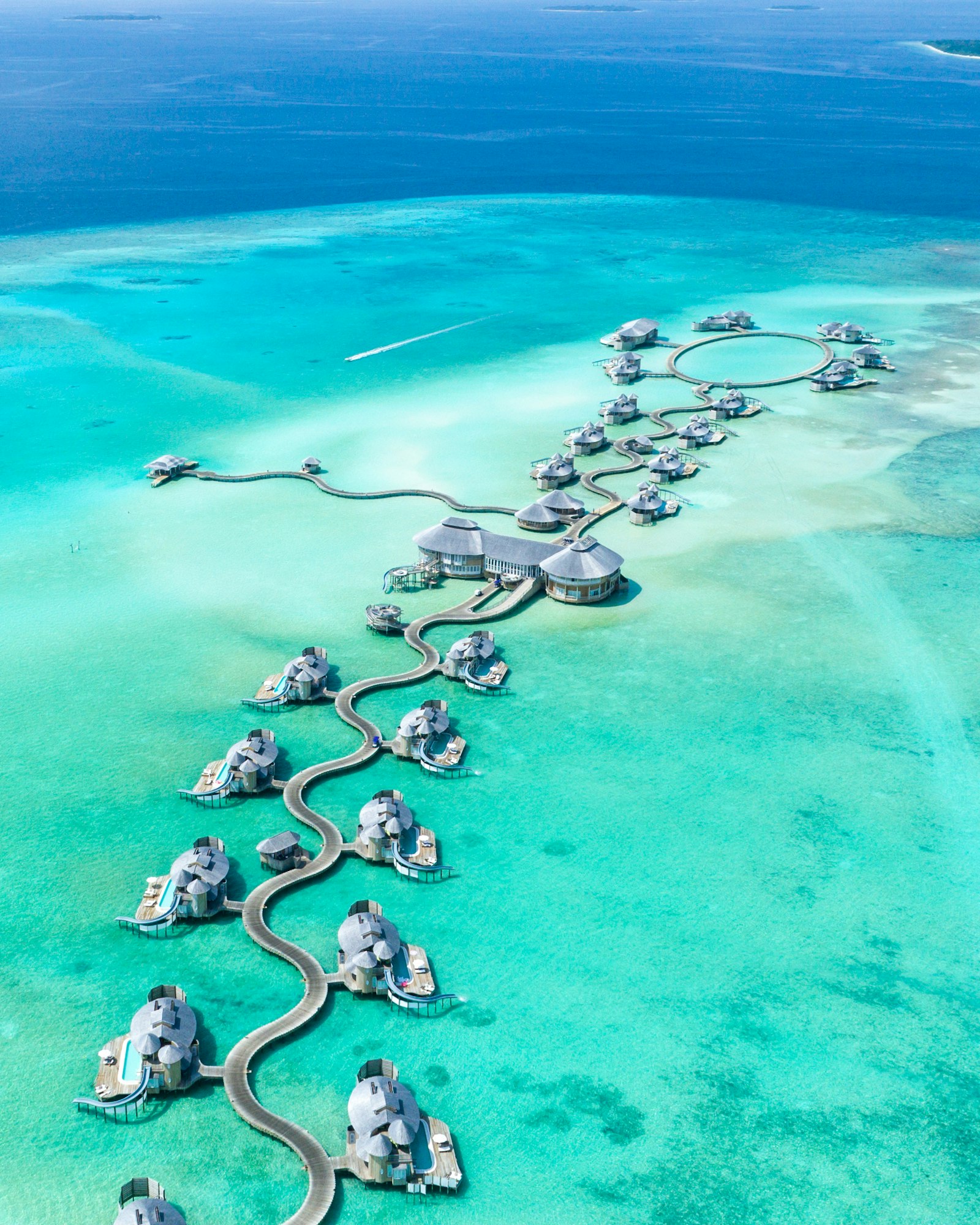
Further north, in the UNESCO Baa Atoll Biosphere Reserve, Soneva Fushi stands out with one of the most ambitious and large-scale coral restoration initiatives. In partnership with Coralive, they operate a one-hectare Mineral Accretion Technology (MAT) nursery, aiming to propagate 50,000 coral fragments annually. They also boast the Maldives' first Coral Spawning and Rearing Lab and micro-fragmenting tanks. While their program is largely scientific, in later phases, guests are invited to join restoration efforts, offering a truly unique, immersive experience. The seaplane transfer to Baa Atoll, typically 30-40 minutes from Malé, sets the stage for a secluded and conservation-focused escape.
Pro Tip
When choosing a resort for coral restoration, ask about the longevity and scientific rigor of their program. Look for resorts with resident marine biologists and partnerships with established conservation organizations. This indicates a deeper, more impactful commitment beyond just a tourist activity.
Leading Resort Programs and Their Offerings
- Four Seasons Landaa Giraavaru & Kuda Huraa (Reefscapers): This partnership has been a pioneer, planting over 9,000 coral frames since 2001, constituting one of the world's most successful coral restoration projects. Their Marine Discovery Centres, staffed by 11 full-time marine biologists, offer guests the chance to transplant their own reef frames and monitor their growth online via photo updates. For teens, their "Trainee Marine Biologist" program offers an in-depth, multi-day experience.
- Gili Lankanfushi: Known for its "No News, No Shoes" philosophy, Gili Lankanfushi in North Malé Atoll runs the "Coral Lines" project, the Maldives' first rope-based coral restoration program. Guests can adopt a coral fragment, contributing to their ongoing efforts to monitor reef biodiversity and track marine life.
- Six Senses Laamu: Located in the remote Laamu Atoll (a 35-minute domestic flight plus speedboat transfer), their SHELL (Sea Hub of Environmental Learning in Laamu) is a full-fledged research center. Guests can participate in coral planting sessions, reef dives with marine biologists, and learn about their extensive work, including releasing millions of coral larvae. This resort is often cited as having one of the healthiest house reefs in the Maldives.
- St. Regis Maldives Vommuli Resort: Partnering with Reefscapers, this resort in Dhaalu Atoll offers an "Adopt-a-Coral" program where guests can harvest healthy fragments, attach them to frames, and receive bi-annual photo updates. By 2025, they had planted around 300 frames.
- W Maldives: Collaborating with MARS Sustainable Solutions, W Maldives is expanding its reef restoration program by 2026, utilizing hexagonal "Reef Star" structures to facilitate rapid coral growth. Their focus is on enhancing the biodiversity of their award-winning house reef.
- Sun Siyam Resorts (Olhuveli, Iru Fushi): These resorts offer "Adopt-A-Coral Frame" experiences, where guests, guided by marine biologists, collect coral fragments and attach them to frames in designated coral gardens, receiving photo updates every six months.
- Waldorf Astoria Maldives Ithaafushi: Their program, in partnership with Ocean Group marine biologists, involves collecting "fragments of opportunity" and nurturing them on floating frames before transplanting them to the house reef. Participants receive yearly updates.
- Milaidhoo Island Maldives: Since 2017, Milaidhoo in Baa Atoll has involved guests in planting and sponsoring coral frames, contributing to the growth of various coral species around their water villas.
For more on resorts dedicated to sustainability, check out our guide to the Best Eco Resorts in Maldives 2026.
Costs of Adopt-a-Coral Programs in 2026
The cost to participate in coral restoration programs in the Maldives in 2026 varies widely, from complimentary offerings to several hundred US dollars, depending on the resort, the scale of participation, and what's included. These programs are often seen as an extension of the resort's commitment to sustainability and a valuable guest experience.
Based on my experience and current trends, you can expect the following price ranges for 2026 (all prices are estimates and subject to change by individual resorts):
- Basic Coral Frame Adoption (Sponsorship Only): This typically involves a donation where the resort's marine team plants a coral frame in your name. You usually receive a certificate and photo updates of its growth. Estimated cost: USD 50 - USD 300.
- Hands-On Coral Planting Session (Group): Many resorts offer guided sessions where you actively participate in attaching coral fragments to frames or ropes. These often include a briefing by a marine biologist and snorkeling equipment. Estimated cost: USD 70 - USD 150 per person. For instance, COMO Maalifushi offers a marine biologist session for US$70 per adult.
- Personalized or Premium Adoption: Some resorts offer more exclusive options, such as having your name inscribed on a coral cube or table, or a more in-depth private session with a marine biologist. Estimated cost: USD 200 - USD 500. For example, JOALI offers to adopt a coral table for USD 500. Naladhu Private Island offers Coral Rope Sponsorship for USD 185 (sponsorship only) or USD 247 (sponsorship & planting).
- Complimentary Programs: A few resorts, like Baros Maldives with its Coral Cube initiative, offer coral planting as a complimentary activity, though you might pay a small fee for personalization. This is a fantastic value, allowing broader participation.
- Marine Biologist Workshops/Tours: If you're looking for educational value without the direct planting, many resorts offer guided snorkeling tours or presentations by their marine biologists. These might be part of an all-inclusive package or cost around USD 50 - USD 100 per person for a dedicated session.
It's important to view these costs not just as an activity fee, but as a direct contribution to conservation efforts. Your funds help cover the materials (metal frames, ropes), the time of dedicated marine biologists, and ongoing monitoring and maintenance of the coral nurseries.
Book Baros Maldives
Check Best Prices →Participation: How Tourists Can Get Involved
The beauty of Maldives coral restoration programs in 2026 is how accessible they've become for tourists. Resorts are increasingly designing experiences that are not only educational but also deeply engaging, allowing you to leave a tangible "eco-footprint" on your vacation.
Hands-On Coral Planting and Frame Building
This is the most direct way to get involved. Many resorts, including Baros, Four Seasons, St. Regis, and Sun Siyam Olhuveli, invite guests to join their marine biologists in the shallow lagoons or house reefs. You'll typically learn about:
- Coral Fragmentation: Understanding how small, healthy pieces of coral ("fragments of opportunity") are carefully collected from areas where they've naturally broken off or are at risk.
- Attachment Techniques: Using non-invasive methods, often zip ties or wire, to secure these fragments to purpose-built structures like metal frames, coral tables, or rope lines. I've personally spent hours underwater at various resorts, carefully attaching fragments, feeling the immense satisfaction of knowing each piece has a chance to thrive.
- Deployment: Placing these newly assembled frames or lines in designated coral nurseries or degraded reef areas, often in shallow, protected waters ideal for growth.
These sessions are generally suitable for all ages and swimming abilities, often requiring only basic snorkeling skills. Some resorts, like Baros, even offer complimentary programs, making participation widely available.
Pro Tip
Even if you don't participate in a planting program, always practice responsible snorkeling. Avoid touching corals, standing on reefs, or stirring up sediment. These actions can cause irreparable damage to fragile ecosystems. Learn more in our Responsible Snorkeling in Maldives 2026: Reef Etiquette guide.
Educational Workshops and Marine Biologist Sessions
Beyond direct planting, many resorts offer invaluable learning opportunities:
- Guided Snorkeling Tours: Explore the house reef with a marine biologist who can identify species, explain coral ecosystems, and point out restoration sites. COMO Maalifushi, for example, offers guided snorkel tours led by their resident marine biologist.
- Presentations and Talks: Many resorts host regular evening presentations on marine conservation, coral biology, local marine life (mantas, turtles, sharks), and the challenges facing Maldivian reefs. Six Senses Laamu's SHELL center and Hurawalhi's Marine Biology Center are prime examples of dedicated educational hubs.
- Junior & Trainee Programs: Resorts like Amilla and Six Senses Laamu offer "Mini Marine Biologist" programs for children (ages 5-12), while Four Seasons Landaa Giraavaru has a "Trainee Marine Biologist" program for teens (13-18). These multi-session programs provide a deeper dive into marine science and conservation.
- Behind-the-Scenes Tours: At some resorts, you might get a chance to visit fish labs, turtle rehabilitation centers, or marine research facilities, offering a glimpse into the scientific backbone of their conservation efforts. Four Seasons Landaa Giraavaru and Soneva Fushi are excellent for this.
These programs are crucial for fostering a deeper understanding and appreciation for the marine environment, empowering guests to become advocates for ocean health long after their vacation ends. You can often find details about these activities on the resort's website under "Activities," "Sustainability," or "Marine Biology."
For broader marine conservation efforts, consider exploring our Maldives Marine Conservation 2026: Projects & How to Help article.
Book Gili Lankanfushi
Check Best Prices →Impact of Coral Restoration on Maldives Reefs
The impact of coral restoration in the Maldives is a complex and evolving story, marked by both remarkable successes and ongoing challenges. Having snorkeled these reefs for decades, I've personally seen areas transform from bleached rubble to burgeoning coral gardens, and conversely, witnessed the fragility of even restored reefs in the face of new environmental stressors.
Tangible Benefits and Success Stories
- Increased Coral Cover and Biodiversity: The most direct benefit is the visible increase in live coral cover in targeted areas. Resorts actively monitor their frames and nurseries, reporting significant growth. For instance, Four Seasons Resorts Maldives, in collaboration with Reefscapers, has planted over 9,000 coral frames and more than 500,000 coral fragments, creating extensive artificial reefs. These efforts lead to enhanced biodiversity, providing habitat and food for a greater variety of fish and invertebrates.
- Enhanced Fish Populations: As coral structures grow, they create complex habitats that attract and support diverse fish populations. I've observed this repeatedly in areas like the house reef at Baros, where their long-standing programs have clearly contributed to a vibrant marine ecosystem.
- Coastal Protection: Healthy coral reefs act as natural breakwaters, reducing wave energy and protecting fragile Maldivian islands from erosion and storm surges. This is a critical ecosystem service for a nation where over 80% of the land is less than 1 meter above sea level.
- Educational and Awareness Impact: Perhaps one of the most significant impacts is the raised awareness among tourists and local communities. By engaging guests in the restoration process, resorts turn visitors into advocates, fostering a global community committed to ocean conservation.
- Resilience to Bleaching: While restoration doesn't prevent bleaching, some carefully designed sites using diverse coral species and robust techniques, like Soneva Foundation's MAT nursery, have shown better survival rates even after mass bleaching events.
Challenges and the Road Ahead
Despite these successes, coral restoration faces considerable hurdles:
- Recurrent Bleaching Events: The Maldives has experienced multiple severe bleaching events (1998, 2016, 2020, 2023, and a "watch" alert in early 2026), primarily due to rising sea temperatures. These events can decimate years of restoration work in a short period, highlighting that restoration is a band-aid solution without global action on climate change.
- Scale and Cost: Restoring reefs on a meaningful scale across the entire archipelago is an immense and costly undertaking. While resort programs are impactful locally, they cannot single-handedly reverse widespread degradation.
- Local Pressures: Dredging, land reclamation, pollution, and unsustainable fishing practices continue to threaten reefs, especially around local islands where economic resources for restoration are scarce.
- Slow Growth: While fast-growing coral species can establish quickly, the recovery of slower-growing, massive corals that form the structural backbone of reefs takes decades.
The good news is that many atolls are showing signs of recovery, with Baa, Lhaviyani, and Raa Atolls demonstrating 30-50% coral cover in 2026. South Ari Atoll shows mixed recovery, with outer reef walls recovering faster than shallow areas. The ongoing efforts by resorts, NGOs, and the Maldivian government, including the National Coral Reef Monitoring Program, are crucial for this recovery and for building future resilience.
Ultimately, coral restoration in the Maldives is a testament to human ingenuity and dedication. It offers hope and a tangible way for us to protect these irreplaceable ecosystems. By participating, you’re not just planting coral; you’re investing in the future of the Maldives.
Book Soneva Fushi
Check Best Prices →Frequently Asked Questions About Maldives Coral Restoration 2026
What is an "Adopt-a-Coral" program?
An "Adopt-a-Coral" program allows tourists to financially support or actively participate in coral reef restoration efforts. Typically, you either sponsor a coral fragment or frame that marine biologists will plant, or you join a hands-on session to help plant them yourself. Many programs include updates on your coral's growth.
How much does it cost to adopt a coral in the Maldives in 2026?
The cost varies by resort and program, but in 2026, you can expect prices to range from approximately USD 50 to USD 500. Basic sponsorships might be around USD 50-300, while hands-on planting sessions or more personalized adoptions could be USD 70-500. Some resorts offer complimentary coral planting as part of their guest activities.
Which resorts offer coral restoration programs?
Many luxury and eco-conscious resorts in the Maldives offer coral restoration programs. Prominent examples include Baros Maldives, Four Seasons Landaa Giraavaru & Kuda Huraa (Reefscapers), Gili Lankanfushi, Six Senses Laamu, Soneva Fushi, St. Regis Maldives Vommuli, W Maldives, Waldorf Astoria Ithaafushi, Milaidhoo, and Sun Siyam Olhuveli/Iru Fushi.
Can children participate in coral planting?
Yes, many resorts design their programs to be family-friendly. Some, like Amilla and Six Senses Laamu, offer "Mini Marine Biologist" programs specifically for younger children (ages 5-12). Four Seasons Landaa Giraavaru also has a "Trainee Marine Biologist" program for teens (13-18). Direct coral planting activities are often suitable for children with basic swimming and snorkeling skills, under supervision.
What methods are used for coral restoration in the Maldives?
Common methods include coral frame planting (attaching fragments to metal frames), coral tables, rope nurseries (e.g., Gili Lankanfushi's Coral Lines), and advanced techniques like Mineral Accretion Technology (MAT) and micro-fragmentation used by Soneva Fushi. These methods aim to grow coral fragments in protected environments before transplanting them to degraded reefs.
How effective are these coral restoration efforts?
Coral restoration efforts can be highly effective in increasing local coral cover and biodiversity, attracting fish, and providing coastal protection. Studies show transplanted corals can have high survival rates (70-74%). However, they are local interventions and do not address global issues like rising sea temperatures, which cause mass bleaching events. They are vital for jumpstarting recovery and raising awareness.
What happens to my adopted coral after I leave?
Most resorts provide ongoing monitoring and care for your adopted coral. You will typically receive updates, often with photos, via email every few months or annually, showing the growth and progress of your coral frame. This allows you to track its development even after your trip.