Introduction
The Maldives, often synonymous with luxurious overwater bungalows and pristine white-sand beaches, holds a deeper, more vibrant secret for the discerning traveler: its rich local culture and the authentic experiences found on its inhabited islands. Beyond the resort bubble, a world of genuine Maldivian life awaits, offering a profound connection to the heart and soul of this island nation. Embarking on Local Island & Cultural Experiences is an invitation to step off the beaten path and immerse yourself in the traditions, flavors, and daily rhythms that define the Maldives beyond its postcard-perfect resorts.
This activity is gaining immense popularity as visitors seek more than just relaxation; they crave understanding and interaction. It’s a chance to witness the unvarnished beauty of Maldivian hospitality, explore bustling local markets, and learn about the customs that have shaped this unique society for centuries. Unlike a fleeting glimpse from a boat, these experiences offer a hands-on, intimate perspective, allowing you to truly connect with the local community and appreciate their way of life.
What makes cultural experiences in the Maldives truly special is their authenticity and the genuine warmth of the Maldivian people. You're not just observing; you're participating. From sharing a meal prepared in a local home to trying your hand at traditional crafts, every moment is an opportunity for discovery. It's a chance to see traditional crafts like lacquer work (liyelaa) and rope making, skills passed down through generations, and to try local food like mas huni and roshi, a staple breakfast that tells a story of the islands' culinary heritage. These experiences offer a contrasting and complementary view to the resort lifestyle, enriching your overall Maldivian adventure and creating memories that delve far deeper than just the stunning scenery.
What to Expect
A Local Island & Cultural Experience in the Maldives is a journey into the everyday life of its people, offering a refreshing contrast to the resort experience. You can expect a deep dive into authentic Maldivian life, guided by locals who are eager to share their heritage. These excursions are designed to be interactive and immersive, moving beyond passive observation to active participation.
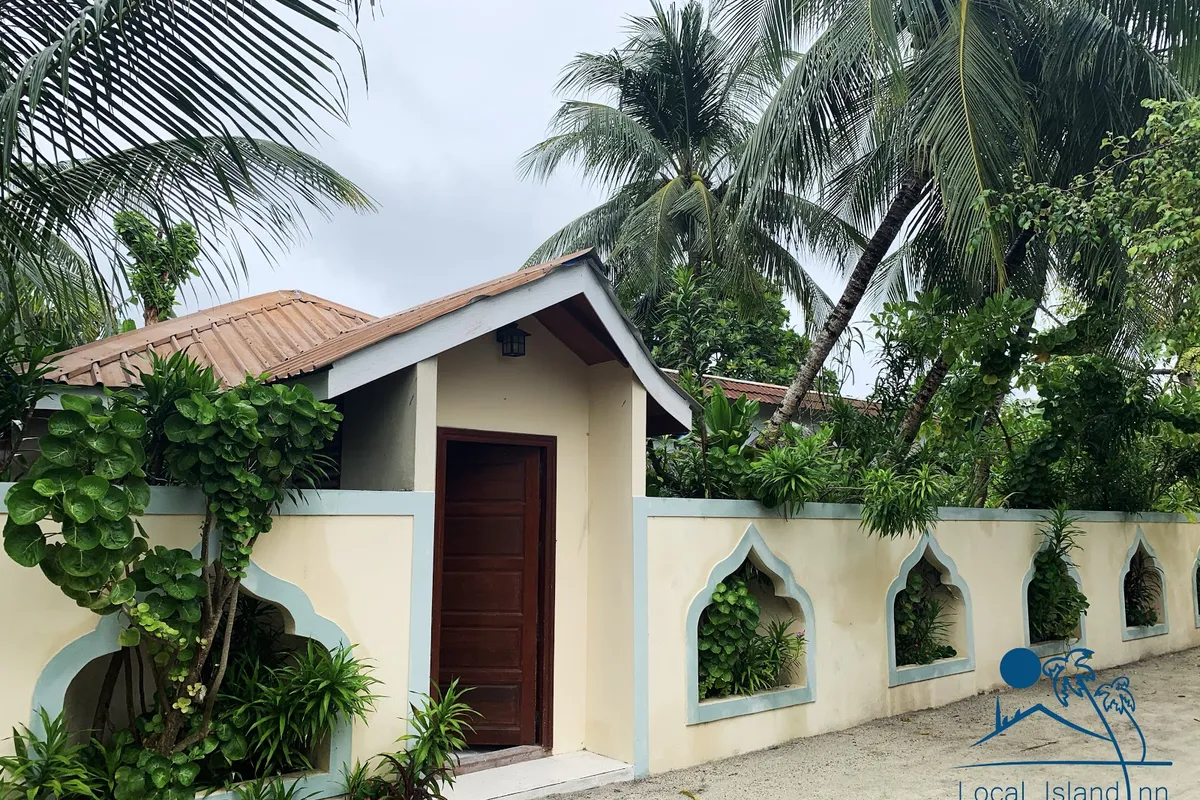
A typical itinerary often begins with a scenic boat transfer to an inhabited island, setting the stage for your cultural immersion. Upon arrival, you might be greeted with a refreshing local drink before embarking on a guided walking tour of the island. This tour will typically take you through narrow sandy streets, past colorful houses, and introduce you to key community hubs such as the local mosque and school. You'll learn about the island's history, its economy, and the daily routines of its inhabitants.
A significant highlight is often a local home visit, where you'll be welcomed into a Maldivian household. Here, you might participate in a traditional cooking class, learning to prepare staples like mas huni (shredded smoked tuna with coconut and chili) and roshi (flatbread). This is an incredible opportunity to try local food directly from the source. Another engaging activity is a handicraft workshop, where you can observe or even try your hand at traditional crafts like intricate lacquer work (liyelaa), coir rope making, or mat weaving. These demonstrations showcase the incredible skill and artistry of Maldivian artisans. For those interested in music and performance, an evening experience might include a Bodu Beru drumming performance, a traditional Maldivian folk dance that is both energetic and captivating.
What’s usually included in these excursions varies by operator but generally covers round-trip boat transfers from your resort or guesthouse, a local guide, refreshments, and access to the planned activities such as cooking classes, handicraft demonstrations, and mosque visits. Some tours might also include a traditional Maldivian lunch or dinner. The typical duration for these enriching experiences is between 3 to 5 hours, providing ample time for exploration and interaction without feeling rushed.
Best Time for Local Island & Cultural Experiences
One of the many advantages of planning Local Island & Cultural Experiences in the Maldives is their year-round accessibility. The tropical climate of the Maldives generally offers consistent warmth and sunshine, making it an ideal destination regardless of the calendar month.
The optimal season for visiting the Maldives is often considered to be from November to April, characterized by less rainfall, lower humidity, and calm seas, which are perfect for island hopping and boat transfers. However, cultural experiences, being largely land-based, are less dependent on these specific weather conditions. Even during the "wet season" from May to October, rainfall typically comes in short, heavy bursts, often clearing quickly to reveal sunshine again. These showers can even add a refreshing element to your exploration.
Pro Tip
While cultural experiences are enjoyable year-round, visiting during local festivals or public holidays can offer an even deeper immersion into Maldivian traditions. Research the local calendar for events like Eid al-Fitr or National Day for a truly unique experience. Maldives Festival Calendar
Weather considerations are minimal for these activities. The warmth is constant, so light, breathable clothing is always recommended. The occasional rain shower during the monsoon season won't significantly impact your ability to enjoy a cooking class or a handicraft demonstration. In fact, fewer tourists during the low season might mean a more intimate and personalized experience on the local islands.
Booking timing recommendations are fairly flexible. For popular islands like Maafushi or Thulusdhoo, especially if you're staying at a nearby resort, booking a few days in advance through your guesthouse or resort's excursion desk is usually sufficient. If you're planning a multi-island cultural itinerary, particularly during peak season (December-February), booking your accommodations and key excursions a few months ahead can secure your preferred options and potentially better rates. However, for a single cultural excursion, spontaneity is often possible.
Cost & Budgeting
Local Island & Cultural Experiences in the Maldives offer excellent value, especially for travelers looking to explore beyond the luxury resorts. The estimated cost for these excursions typically ranges from $30 to $100 per excursion, making them an accessible option for a wide range of budgets.
What affects pricing can include several factors. The most significant is the duration and comprehensiveness of the tour. A basic island visit with a guided walk might be on the lower end, while a tour that includes a traditional cooking class, a full meal, multiple handicraft demonstrations, and a Bodu Beru performance will naturally be priced higher. The mode of transport also plays a role; a speedboat transfer from a distant resort will incur a higher cost than a local ferry or a short dhoni ride from a nearby guesthouse. The number of people in your group can also influence the per-person cost, with private tours being more expensive than group excursions.
When considering budget vs. premium options, you'll find a spectrum. Budget-friendly options are often available directly through guesthouses on local islands, sometimes offering more rustic but equally authentic experiences. These might focus on a few key activities and utilize local transport. Premium options, often offered by resorts or specialized tour operators, might include private transfers, more elaborate meals, and exclusive access to certain experiences or guides. While the price difference exists, both ends of the spectrum aim to provide an authentic cultural immersion.
Pro Tip
To save money, consider staying on a local island like Maafushi or Thulusdhoo for a few nights. Excursions from these islands are typically much more affordable than those arranged through luxury resorts, as they eliminate the need for expensive long-distance speedboat transfers. You can also often negotiate prices directly with local guides or guesthouse owners.
Money-saving tips include opting for group tours instead of private ones, especially if you're a solo traveler or a couple. Utilizing local ferries for inter-island travel where possible can drastically cut down transport costs, though this requires more planning and adherence to ferry schedules. Packing your own snacks and water for the day can also save a few dollars. Don't be afraid to politely inquire about package deals if you plan to book multiple excursions with the same operator.
Where to Experience This
The beauty of Local Island & Cultural Experiences is that they can be found across various inhabited islands of the Maldives, each offering its own unique charm and perspective. While many resorts offer excursions to nearby local islands, staying on an inhabited island itself provides the most immersive and authentic experience.
Some of the most popular islands renowned for cultural experiences include:
- Maafushi: Arguably the most famous local island for tourism, Maafushi in Kaafu Atoll is a hub for budget travelers and offers a wide array of cultural tours, guesthouses, and local eateries. It's easily accessible from Malé. Maafushi Travel Guide
- Thulusdhoo: Known for its surfing, Thulusdhoo also offers a glimpse into local life, including the famous Coca-Cola factory and opportunities to see traditional boat building (dhoni construction).
- Ukulhas: This award-winning eco-friendly island in Alif Alif Atoll is known for its cleanliness and vibrant local community, offering a peaceful cultural experience.
- Dhigurah: In Alif Dhaal Atoll, Dhigurah offers a mix of local life and stunning natural beauty, including a long sandbank perfect for sunset strolls after a day of cultural immersion.
- Meedhoo: Located in Addu Atoll, Meedhoo is one of the oldest inhabited islands and offers a rich historical and cultural experience, including ancient ruins and traditional houses.
How to book these experiences is quite straightforward. If you're staying at a resort, inquire at their excursion desk; they will have options for guided tours to nearby local islands. For travelers staying at guesthouses on inhabited islands, your guesthouse host is often the best resource. They can arrange tours, connect you with local guides, and provide authentic recommendations. Additionally, a quick search online for "Maldives local island tours" will reveal several independent tour operators specializing in cultural excursions.
Recommended operators often include local guesthouses themselves, as they frequently partner with island residents to provide authentic experiences. Larger tour companies like Secret Paradise Maldives and local operators such as iCom Tours also specialize in sustainable and culturally immersive tours. Always check reviews and ensure the operator adheres to responsible tourism practices.
Book Your Maafushi Cultural Tour Now→
Who Is This Best For?
Local Island & Cultural Experiences in the Maldives cater to a diverse group of travelers, offering something truly special for those seeking more than just sun and sand. This activity is ideally suited for:
- Culture Enthusiasts: If you love delving into the history, traditions, and daily life of a destination, this experience is tailor-made for you. It's a chance to understand the Maldivian way of life firsthand.
- Curious Travelers: For those with an inquisitive mind, eager to learn and explore beyond the typical tourist facade, these experiences offer a genuine insight into the local community.
- Budget Travelers: Compared to the often-high costs of luxury resorts, engaging with local island culture and staying in guesthouses provides a significantly more affordable way to experience the Maldives without compromising on authenticity. The estimated cost of $30-100 per excursion is very appealing.
- Photographers: The vibrant colors of local life, the intricate details of traditional crafts, the expressive faces of the islanders, and the unique architecture provide endless opportunities for stunning and meaningful photography.
In terms of physical requirements, most cultural experiences are not overly strenuous. A typical tour involves walking around an island, which is generally flat. Therefore, a basic level of fitness is sufficient. If you have mobility concerns, it's advisable to inform your tour operator in advance so they can make appropriate arrangements or recommend less physically demanding activities, such as a cooking class or a handicraft demonstration that doesn't require extensive walking.
Age considerations are minimal. These experiences are generally suitable for all ages, from families with children to senior travelers. Children often enjoy the interactive elements, such as cooking classes or watching traditional performances. It's an educational and engaging way for them to learn about different cultures. For older travelers, the gentle pace and rich storytelling make it a rewarding experience. Always ensure the tour operator can accommodate specific needs if traveling with very young children or elderly family members.
Group dynamics are flexible. Whether you're a solo traveler looking to connect with locals, a couple seeking a unique romantic experience, or a family wanting to share a cultural adventure, these tours can be adapted. Many operators offer both private and group tours, allowing you to choose the setting that best suits your preferences. Group tours often foster a sense of camaraderie among fellow travelers, while private tours offer more personalized attention and flexibility.
What to Bring
Preparing for your Local Island & Cultural Experience is straightforward, but a few essential items will enhance your comfort and enjoyment while ensuring you respect local customs.
- Essential items:
- Water Bottle: Stay hydrated, especially under the Maldivian sun. Many guesthouses offer refill stations.
- Sunscreen: High SPF is a must to protect against strong UV rays.
- Hat and Sunglasses: For added sun protection.
- Small Backpack: To carry your essentials comfortably.
- Cash (Maldivian Rufiyaa or USD): While some places accept cards, smaller local shops and vendors might prefer cash. USD is widely accepted.
- Insect Repellent: Especially if your tour extends into the evening.
- Photography equipment:
- Camera: Capture the vibrant scenes, from colorful houses to intricate crafts and lively performances.
- Extra Battery/Power Bank: You won't want to miss a shot because of a dead battery.
- Lightweight Tripod (optional): For evening Bodu Beru performances or low-light shots.
- GoPro (optional): If any part of your excursion involves water activities or a dhoni ride.
- Clothing recommendations:
- Modest Attire: When visiting local islands, it's crucial to dress respectfully. This means covering your shoulders and knees. Lightweight, loose-fitting clothing made from natural fibers like cotton or linen is ideal for the tropical climate.
- Comfortable Walking Shoes or Sandals: You'll be walking on sandy paths and possibly uneven surfaces.
- Swimwear (optional): If your tour includes a stop at a designated "bikini beach" on a local island or a snorkeling opportunity (always check with your guide about appropriate swim spots).
- Things to leave behind:
- Expensive Jewelry: It's best to leave valuables secured at your accommodation.
- Excessive Luggage: A small day pack is all you need for the excursion.
- Revealing Clothing: Out of respect for local customs and traditions.
Insider Tips
To truly maximize your Local Island & Cultural Experience, keep these insider tips in mind. They'll help you dive deeper, avoid common pitfalls, and discover some hidden gems.
- Expert recommendations:
- Engage with Locals: Don't be shy! Maldivians are generally friendly and happy to share their culture. A simple "Assalaamu alaikum" (hello) and a smile can open doors to wonderful interactions.
- Try Everything: Be adventurous with local food. From mas huni and roshi for breakfast to fresh seafood for lunch, your taste buds will thank you. Don't miss local snacks from small cafes.
- Learn a Few Dhivehi Phrases: Even a few words like "Shukuriyaa" (thank you) can go a long way in showing respect and appreciation.
- Support Local Businesses: When purchasing handicrafts or souvenirs, try to buy directly from local artisans or small shops on the inhabited islands. This directly supports the community.
- Common mistakes to avoid:
- Disrespecting Dress Codes: Forgetting to dress modestly on local islands is a common oversight. Always cover shoulders and knees.
- Ignoring Local Customs: Be mindful of local etiquette, especially during mosque visits (remove shoes, women should cover their heads) or when interacting with families.
- Only Sticking to Tourist Spots: Venture beyond the main streets. Sometimes the most authentic experiences are found in quieter lanes.
- Expecting Resort Amenities: Local islands offer a different experience. Don't expect the same level of luxury or service as a resort; embrace the simplicity and authenticity.
- How to enhance the experience:
- Go with a Local Guide: A knowledgeable local guide can provide invaluable context, stories, and access that you wouldn't get on your own.
- Participate Actively: Whether it's trying your hand at lacquer work, pounding spices for a curry, or joining in a Bodu Beru clap, active participation makes the memories more vivid.
- Visit a Local Market: Experience the vibrant atmosphere, see fresh produce and fish, and get a feel for the local economy.
- Hidden gems and secrets:
- Traditional 'Hedhikaa' Cafes: Seek out small local cafes serving 'hedhikaa' (Maldivian short eats) in the afternoon. It's a true taste of local life.
- Community Centers: Some islands have small community centers or museums that offer a deeper dive into their specific history.
- Sunset Fishing with Locals: While not strictly cultural, joining a local fishing trip at sunset can offer unique insights into their livelihood and a chance to share stories.
Combining with Other Activities
Local Island & Cultural Experiences are incredibly versatile and can be seamlessly integrated into almost any Maldivian itinerary, enriching your trip with depth and diversity. They offer a perfect balance to the serene relaxation of a resort stay or the adrenaline of water sports.
- Perfect pairings:
- Resort Stay + Cultural Day Trip: Many visitors choose to spend the majority of their time at a luxury resort and dedicate a day or half-day to a cultural excursion to a nearby local island. This offers the best of both worlds: pampered relaxation and authentic immersion.
- Guesthouse Hopping + Cultural Deep Dive: For budget and adventurous travelers, combining stays on multiple local islands (e.g., Maafushi, Thulusdhoo, Ukulhas) allows for a deeper exploration of different island communities and their unique cultural nuances.
- Snorkeling/Diving + Cultural Exploration: After a morning of exploring the vibrant underwater world, spend your afternoon discovering the equally vibrant culture on land. Many local islands are close to excellent dive and snorkel sites. snorkeling in the Maldives, diving in the Maldives
- Fishing Trips + Local Dinner: Combine a traditional Maldivian fishing excursion with a cooking class and dinner at a local home, where you can learn to prepare and enjoy your catch.
- Multi-day itinerary ideas:
- 7-Day Culture & Comfort: Start with 3 nights on a local island (e.g., Maafushi) for intensive cultural experiences, then transfer to a mid-range or luxury resort for 4 nights of relaxation and water sports.
- 10-Day Island Hopping Adventure: Spend 2-3 nights each on 3-4 different local islands (e.g., Thulusdhoo, Ukulhas, Dhigurah), focusing on unique cultural aspects of each, interspersed with beach time and water activities.
- Family Cultural Immersion: Book a guesthouse on an island like Ukulhas or Dhigurah for 5-7 days. Plan daily cultural activities like cooking classes and craft workshops, balanced with family-friendly beach time and snorkeling.
- Resort packages that include this:
Many resorts, particularly those in close proximity to inhabited islands, offer curated excursions as part of their activity packages. When booking your resort, inquire about "local island visits," "cultural tours," or "Maldivian experience packages." Some resorts might even offer unique cultural activities within their own premises, such as Bodu Beru nights or Maldivian cooking demonstrations, though these are often less authentic than visiting a true local island. Always check the itinerary details to ensure the experience aligns with your expectations.
Frequently Asked Questions
Is it safe to visit local islands in the Maldives?
Yes, visiting local islands in the Maldives is generally very safe. Maldivians are known for their hospitality, and crime rates are low. However, it's always wise to take standard precautions, such as keeping valuables secure and being aware of your surroundings, just as you would in any unfamiliar destination.
What should I wear when visiting a local island?
When visiting an inhabited local island, it is essential to dress modestly out of respect for the local Muslim culture. This means covering your shoulders and knees. Lightweight, loose-fitting clothing like t-shirts, long skirts, or trousers are ideal. Swimwear is only appropriate on designated 'bikini beaches' or during water activities away from residential areas.
Can I buy alcohol on local islands?
No, the sale and consumption of alcohol are prohibited on local inhabited islands in the Maldives due to religious laws. Alcohol is exclusively available at private resorts and safari boats. If you are staying on a local island, you will not find any bars or shops selling alcoholic beverages.
Are there ATMs on local islands?
Larger local islands like Maafushi and Hulhumalé have ATMs. However, smaller or more remote islands might not. It's always a good idea to carry some Maldivian Rufiyaa (MVR) or US Dollars (USD) in cash, especially for small purchases, local cafes, and tipping. Check with your guesthouse or tour operator about ATM availability on your specific island before you go.
Can I interact with local children?
Yes, Maldivian children are often curious and friendly. A smile, a wave, or a simple "hello" is usually welcomed. However, always ask for permission before taking photographs of children, and be mindful of not being overly intrusive or giving out sweets indiscriminately, which can create begging culture.
What kind of local food can I expect to try?
Maldivian cuisine is heavily influenced by seafood, coconut, and spices. You can expect to try dishes like Mas Huni (shredded smoked tuna with coconut and chili, typically for breakfast), Garudhiya (clear fish broth), Rihaakuru (a thick fish paste), and various curries made with fish or chicken. Roshi (flatbread) and various 'hedhikaa' (short eats or snacks) are also staples.
Should I tip my local guide?
Tipping is not traditionally expected but is always appreciated for good service. If you've had an excellent experience with your local guide, a tip of 5-10 USD (or equivalent in MVR) per person for a half-day tour is a kind gesture. For longer or more involved tours, you might consider slightly more.
Are local island cultural experiences suitable for families with young children?
Absolutely! Many cultural experiences, such as cooking classes, handicraft demonstrations, and walking tours, are engaging and educational for children of all ages. The interactive nature of these activities can be a wonderful way for kids to learn about a different culture. Just ensure the pace of the tour is suitable for little legs, and communicate any specific needs to your tour operator.
Ready to Book Activity?
Compare prices across top booking platforms and find the best deal for your stay.
Not sure? Compare similar resorts: Kurumba Maldives • Bandos Maldives