
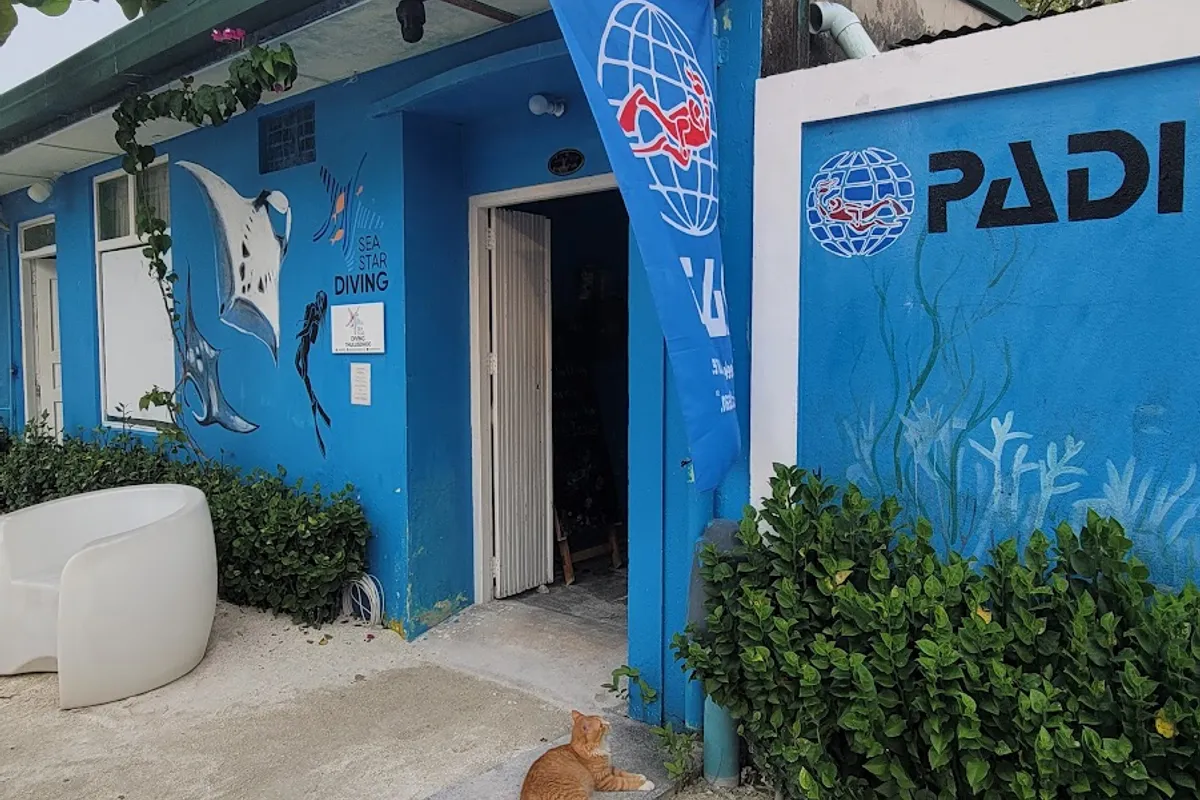
Introduction to Hanifaru Bay
Hanifaru Bay in Baa Atoll UNESCO Biosphere Reserve is the world's most prolific manta ray aggregation site. July to November: up to 200 mantas feeding simultaneously in a 7-hectare bay. Snorkelling only (diving prohibited to protect the mantas). Entry fee: $20/person/day, paid at the ranger station. Access via speedboat from nearby Soneva Fushi or seaplane from Malé. The experience is incomparable — described by David Attenborough's Blue Planet II as the "world's greatest manta show."
Divers and snorkelers travel specifically for Hanifaru Bay because it presents a rare opportunity to witness an ecological event of epic proportions. While manta rays are found in many tropical waters, the sheer numbers that gather here during peak season are simply breathtaking, often exceeding 200 individuals at once. This unique convergence, driven by lunar cycles and monsoon currents, creates a plankton-rich vortex that acts as a magnet for these gentle giants. It's an intimate encounter with nature's grandeur, a chance to be immersed in a vibrant marine ecosystem that few places on Earth can rival. What makes it world-class is not just the abundance of mantas, but also the potential for incredible whale shark encounters, making every visit a lottery for truly unforgettable moments.
Dive Site Overview
Quick Facts
- Location: Baa Atoll, Maldives
- Depth: 5-20m (primarily snorkeling depth for manta encounters)
- Current: Mild to Moderate
- Difficulty: All Levels (Snorkeling/Diving, with specific regulations for manta events)
- Best Season: May to November
What to Expect
Diving or, more accurately, snorkeling in Hanifaru Bay is unlike any other marine interaction you'll experience. The site itself is a relatively shallow, coral-lined lagoon, a mere 1.5km long, acting as a natural funnel for plankton. During the southwest monsoon season (May to November), currents push nutrient-rich waters into the bay, trapping plankton and creating a dense soup that mantas cannot resist. This is when the magic happens.
When mantas are present in feeding aggregation numbers, strict regulations are in place: snorkeling only, no scuba diving allowed during feeding events. This rule is crucial for minimizing disturbance to the mantas and preserving their natural behavior. You'll typically enter the water from a dhoni (traditional Maldivian boat) and drift with the current, allowing the mantas to approach you. The typical "dive profile" for a Hanifaru Bay encounter involves spending extended periods at the surface, observing the mantas as they barrel roll and feed just below. Depths usually range from 2 to 10 meters where the plankton is densest, making it accessible even for novice snorkelers.
Entry and exit points are managed by your boat crew, who will guide you to the best position within the bay, always adhering to the park's strict guidelines. Navigation tips are straightforward: stay with your guide, maintain a respectful distance from the marine life (though mantas are often curious and will come close), and avoid sudden movements. The focus here is observation and appreciation, rather than active pursuit. Even when mantas are not present in large numbers, the bay offers pleasant snorkeling with a variety of reef fish and occasional smaller rays. However, the true draw is undoubtedly the mass manta ray feeding, a spectacle that requires patience and a bit of luck with timing.
Pro Tip
Always listen carefully to your guide's briefing regarding regulations and etiquette in Hanifaru Bay. Adhering to these rules ensures the protection of this fragile ecosystem and guarantees a better experience for everyone, including the mantas!
Marine Life at Hanifaru Bay
The allure of Hanifaru Bay lies primarily in its incredible marine biodiversity, particularly its megafauna. The bay acts as a natural magnet for a spectacular array of creatures, offering unforgettable encounters.
- Manta Rays: The undisputed stars of Hanifaru Bay. During the peak season (May to November), hundreds of oceanic manta rays (Manta birostris) can gather here. These majestic filter feeders perform an incredible "cyclone" or "train" feeding behavior, barrel rolling and spiraling through the plankton-rich waters. Their wingspans can reach up to 7 meters (23 feet), and witnessing them in such numbers is a truly humbling experience. You'll often see them feeding just below the surface, making for incredible snorkeling and photography opportunities. The best times to see the largest aggregations are often around the full moon cycles, when tidal forces are strongest, pushing more plankton into the bay.
- Whale Sharks: While manta rays are the main attraction, Hanifaru Bay is also a known hotspot for juvenile whale sharks (Rhincodon typus). These gentle giants, the largest fish in the ocean, are also filter feeders and are drawn to the same plankton blooms that attract the mantas. Encounters with whale sharks, though less frequent than mantas, are highly prized and add another layer of excitement to your visit. They are typically seen cruising slowly, mouth agape, filtering water for their microscopic meals. Keep your eyes peeled, as they can appear seemingly out of nowhere!
- Mobula Rays: Often mistaken for smaller manta rays, mobula rays (or "devil rays") are also frequent visitors to the bay. While smaller than mantas, they are equally graceful and can be seen feeding alongside their larger cousins. Their acrobatic leaps out of the water are a common sight and a joy to behold.
- Reef Fish: Even without the megafauna, the coral gardens within and around Hanifaru Bay teem with vibrant reef fish. Expect to see schools of snappers, fusiliers, parrotfish, angelfish, butterflyfish, and various species of damselfish. The healthy coral ecosystems provide shelter and food, making for a colorful backdrop to your encounters.
- Napoleon Wrasse: These charismatic and often curious giants of the reef are also present in the Baa Atoll. Easily identifiable by their prominent hump on the forehead and thick lips, Napoleon wrasse can grow quite large and are a welcome sight for any diver or snorkeler.
Seasonal variations are key to understanding marine life here. The southwest monsoon (May to November) is the peak season for manta and whale shark aggregations due to the plankton bloom. Outside of these months, while marine life is still abundant, the mass feeding events are far less common. For photography opportunities, a wide-angle lens is essential to capture the scale of the manta aggregations. Keep your shutter speed high and be ready to adjust to changing light conditions, especially when shooting from the surface.
When to Dive Hanifaru Bay
Timing is everything when planning your trip to Hanifaru Bay, especially if your primary goal is to witness the legendary manta ray aggregations. The bay’s unique ecological phenomenon is highly seasonal and influenced by the monsoons and lunar cycles.
- Best Months: The prime season for visiting Hanifaru Bay is from May to November. During these months, the southwest monsoon currents push vast quantities of plankton into the shallow bay, creating the perfect feeding ground for manta rays and whale sharks. The peak of this season, and often the time with the largest aggregations, typically falls between August and October.
- Visibility Conditions: While the plankton blooms are fantastic for the manta rays, they do impact underwater visibility. During peak feeding events, visibility can range from 5 to 15 meters (16 to 49 feet). While this might be less than the crystal-clear waters often associated with the Maldives, the trade-off is the incredible density of marine life. Outside of peak feeding times, visibility can improve significantly.
- Current Patterns: The currents in Hanifaru Bay are generally mild to moderate, but they are crucial for driving the plankton into the bay. Your guide will assess the current patterns daily to determine the best time for entry and exit, ensuring you are positioned correctly for the best manta encounters. The strength of the current can vary, affecting how dense the plankton bloom becomes and thus the number of feeding mantas.
Pro Tip
To maximize your chances of witnessing a major manta aggregation, try to plan your visit around the new moon or full moon phases within the peak season. These lunar cycles often coincide with stronger tidal movements, which can enhance the plankton accumulation in the bay.
Seasonal Marine Life Calendar:
- May - November: Peak season for Manta Ray and Whale Shark aggregations. Best time for snorkeling encounters.
- December - April: While mantas and whale sharks can still be sighted in Baa Atoll, large feeding aggregations in Hanifaru Bay are rare. This period generally offers clearer waters for traditional scuba diving on surrounding reefs.
How to Get There
Accessing Hanifaru Bay is part of the luxurious Maldivian experience, primarily facilitated by nearby high-end resorts and liveaboards operating in the Baa Atoll. Given its protected status and the regulations around visitation, you cannot simply arrive at the bay; you must be part of an organized tour.
-
Nearest Resorts: The Baa Atoll is home to some of the Maldives' most exquisite resorts, all offering convenient access to Hanifaru Bay.
- Soneva Fushi: Renowned for its 'no news, no shoes' philosophy and sustainable luxury, Soneva Fushi is a short boat ride away. Check Prices for Soneva Fushi→
- Four Seasons Landaa Giraavaru: This resort is a pioneer in marine conservation in the Maldives and offers dedicated excursions to Hanifaru Bay. Check Prices for Four Seasons Landaa Giraavaru→
- Amilla Fushi: A stylish and contemporary resort that also provides regular trips to the bay during the season. Check Prices for Amilla Fushi→
- Milaidhoo: A boutique luxury resort offering an intimate Maldivian experience and easy access to the wonders of Baa Atoll. Check Prices for Milaidhoo→
- Transfer Options: Most resorts in Baa Atoll are reached via a scenic seaplane transfer from Velana International Airport (MLE) in Malé. The flight itself offers breathtaking aerial views of the scattered atolls. Once at your resort, transfers to Hanifaru Bay are usually by speedboat or traditional dhoni.
- Liveaboard Access: For serious divers and those wishing to explore more of the Baa Atoll and surrounding regions, a liveaboard dive boat is an excellent option. Many Maldivian liveaboards include Hanifaru Bay in their itineraries during the peak season. This allows for multi-day diving and snorkeling adventures, often reaching the bay multiple times to increase chances of a successful manta encounter. Book Liveaboard Trip→
- Day Trip Possibilities: While staying at a nearby resort is the most common way to visit, some guesthouses on local islands within Baa Atoll, such as Dharavandhoo, may also offer day trips to Hanifaru Bay, often at a more budget-friendly price point. However, always ensure these operators are licensed and adhere to the strict regulations of the protected area.
Practical Information
Certification Requirements
For Hanifaru Bay itself, when the manta ray feeding aggregations are in full swing, the activity is strictly snorkeling only. Therefore, no specific dive certification is required to participate in these iconic manta encounters. Anyone comfortable swimming and snorkeling can join. However, if you plan to explore the surrounding dive sites in Baa Atoll, a minimum Open Water Diver certification (or equivalent from recognized agencies like PADI, SSI, NAUI) is generally required. Many resorts and liveaboards will recommend an Advanced Open Water certification for more challenging dives or to access deeper sites in the atoll.
Experience Recommendations: While no certification is needed for Hanifaru Bay snorkeling, a good level of comfort in the water and decent swimming ability will significantly enhance your experience. You'll be in open water, potentially with currents, observing large marine animals. For scuba diving in the wider Baa Atoll, some experience with drift diving is beneficial due to the prevailing currents.
What to Bring
Preparing appropriately will ensure a comfortable and enjoyable experience at Hanifaru Bay and the surrounding Baa Atoll.
-
Equipment Suggestions (Snorkeling):
- Mask, Snorkel, and Fins: While most tours provide gear, bringing your own ensures a perfect fit and comfort.
- Rash Guard or Wetsuit (3mm shorty): Provides sun protection and can offer a little warmth and buoyancy, especially if you plan to spend a long time in the water.
- Reef-Safe Sunscreen: Essential for protecting your skin and the delicate marine environment.
- Hat and Sunglasses: For sun protection on the boat.
- Water Bottle: Staying hydrated is key in the tropical climate.
-
Camera Gear Recommendations:
- Underwater Camera: A GoPro or similar action camera is ideal for capturing wide-angle shots of the manta aggregations. Ensure it's in a waterproof housing rated for snorkeling depths.
- Wide-Angle Lens: If you have a dedicated underwater photography setup, a wide-angle lens is crucial to capture the scale of the mantas.
- Floating Hand Strap: Prevents your camera from sinking if you drop it.
- Plenty of Battery Life and Storage: You won't want to miss a moment!
Safety Considerations
Safety is paramount when enjoying the marine environment, especially in a dynamic place like Hanifaru Bay.
- Current Awareness: While currents are generally mild to moderate, they can vary. Always listen to your guide's instructions regarding current conditions and how to navigate them. Stay with your group and avoid drifting too far.
- Group Diving Protocols: When snorkeling, always stay with your designated group and guide. This ensures accountability and allows guides to manage interactions with marine life safely and respectfully. Never attempt to chase or touch marine animals.
- Emergency Procedures: Familiarize yourself with the emergency procedures outlined by your dive operator or resort. This includes knowing where safety equipment is located on the boat and understanding communication signals. All reputable operators will have trained staff, first aid kits, and emergency oxygen on board.
- Respecting Marine Life: This is a critical safety consideration for both humans and animals. Maintain a respectful distance from mantas and whale sharks (typically 3-4 meters). Do not touch, chase, or harass them. Their well-being is our responsibility, and adherence to regulations ensures continued access to this incredible site.
Nearby Dive Sites
While Hanifaru Bay is the jewel of Baa Atoll for manta encounters, the wider atoll offers a wealth of other incredible dive sites that cater to all levels of divers. Exploring these sites provides a comprehensive understanding of the Maldives' vibrant underwater world, making for fantastic multi-dive day options.
- Dharavandhoo Thila: A renowned thila (underwater pinnacle) teeming with marine life, including grey reef sharks, eagle rays, barracuda, and schooling fish. It's an exhilarating drift dive.
- Nelivaru Thila: Another excellent thila known for its vibrant hard and soft coral formations, often attracting reef sharks, snappers, and fusiliers.
- Angafaru: A large reef system with diverse topography, offering chances to see turtles, moray eels, and various reef fish. It's suitable for multiple dives, exploring different sections.
- Kihavah Huravalhi Gardens: Located near the Anantara Kihavah resort, this site boasts stunning coral gardens and a healthy population of reef fish, often with reef sharks patrolling the edges.
Many resorts and liveaboards will combine a trip to Hanifaru Bay with dives at these nearby sites, offering a complete Baa Atoll diving experience. This allows you to witness the unique manta aggregations and then explore the diverse reef ecosystems that make the Maldives a world-class diving destination. Baa Atoll
Pro Tips for Diving Hanifaru Bay
To truly make the most of your once-in-a-lifetime visit to Hanifaru Bay, here are some insider tips from experienced divers and guides:
- Timing is Key: As mentioned, aim for the peak season (May-November), and if possible, try to align your visit with the new moon or full moon phases for the highest chance of massive aggregations. Check local moon calendars before booking.
- Be Patient and Observe: Manta rays are wild animals, and their behavior can be unpredictable. Don't rush into the action. Position yourself calmly and observe. Often, the mantas will become curious and approach you if you remain still and quiet.
- Stay on the Surface: Remember, during peak feeding, it's snorkeling only. Resist the urge to dive down deep. The best views are often just below the surface where the plankton is densest and the mantas are feeding.
- Best Positions for Sightings: Your guide will position the boat strategically, but once in the water, try to stay slightly upstream of the main feeding activity. The mantas will often swim into the current to feed, giving you excellent viewing angles as they approach.
-
Photography Tips:
- Go Wide: Use a wide-angle lens (or action camera) to capture the scale of the mantas and the sheer numbers.
- Natural Light: Hanifaru Bay is shallow, so natural light is usually sufficient. Avoid using flash, as it can disturb the mantas.
- Burst Mode: Mantas are constantly moving. Use burst mode to increase your chances of getting that perfect shot.
- Clean Your Lens: Water droplets on your lens port can ruin photos. Rinse and clear it before entering the water.
- Shoot Upwards: Try to get shots with the mantas silhouetted against the surface light for dramatic effect.
- Respect the Regulations: This cannot be stressed enough. The strict regulations (no touching, no chasing, no scuba during feeding) are in place to protect these vulnerable creatures and ensure the longevity of this incredible site. Adherence makes you a responsible eco-tourist.
- Book with Reputable Operators: Ensure your resort or liveaboard has a strong track record of operating responsibly within Hanifaru Bay's guidelines and has experienced guides.
Frequently Asked Questions
What is Hanifaru Bay famous for?
Hanifaru Bay is world-famous for being the largest known manta ray feeding aggregation point globally, where hundreds of manta rays gather to feed on plankton during the southwest monsoon season. It's also a UNESCO Biosphere Reserve.
Can you scuba dive in Hanifaru Bay?
No, when large manta ray feeding aggregations are present, scuba diving is strictly prohibited in Hanifaru Bay. Only snorkeling is allowed to minimize disturbance to the mantas and preserve their natural feeding behavior.
What is the best time of year to visit Hanifaru Bay?
The best time to visit Hanifaru Bay for manta ray encounters is during the southwest monsoon season, from May to November. Peak sightings often occur between August and October, especially around new and full moon cycles.
How many manta rays can be seen at Hanifaru Bay?
During peak feeding events, it's possible to see over 200 individual manta rays congregating and feeding in Hanifaru Bay at once, creating an incredible spectacle.
Are whale sharks found in Hanifaru Bay?
Yes, Hanifaru Bay is also a known hotspot for juvenile whale sharks. These gentle giants are attracted to the same plankton blooms that draw the manta rays, offering the chance for incredible encounters.
What are the regulations for visiting Hanifaru Bay?
Strict regulations are in place, including limited daily visitors, mandatory entry permits, and snorkeling only when mantas are present in large numbers. Visitors must maintain a respectful distance from marine life and are prohibited from touching or chasing them.
Which resorts are closest to Hanifaru Bay?
Several luxury resorts in Baa Atoll offer convenient access to Hanifaru Bay, including Soneva Fushi, Four Seasons Landaa Giraavaru, Amilla Fushi, and Milaidhoo.
Do I need a diving certification to visit Hanifaru Bay?
No, a diving certification is not required to experience Hanifaru Bay during manta feeding events, as it is a snorkeling-only activity. However, basic swimming ability and comfort in the water are recommended.
Ready to Book Activity?
Compare prices across top booking platforms and find the best deal for your stay.
Not sure? Compare similar resorts: Kurumba Maldives • Bandos Maldives
More Maldives Diving & Marine Life
- Manta Point (Lankan Reef) — year-round mantas near Malé, no seaplane needed
- HP Reef (Rainbow Reef) — most colourful dive site in North Malé Atoll
- Best time to visit Maldives — planning around Hanifaru Bay manta season
- Four Seasons Private Island Voavah — closest ultra-luxury resort to Hanifaru Bay
- Six Senses Laamu — in-house marine biology team, eco-luxury base for Laamu Atoll diving
- Fotteyo Kandu — Laamu Atoll advanced channel diving guide
- Four Seasons Voavah — nearest resort to Hanifaru Bay, $3,500/night
- Maldives photography shoots guide — underwater and drone packages
- Stay SH Goidhoo Baa Atoll — budget base for Hanifaru Bay manta ray excursions
- Inguraidhoo Beach Inn — budget guesthouse base for Hanifaru Bay, Raa Atoll