Part of our complete guide: Maldives First-Time Visitor Guide 2026: Everything You Need to Know
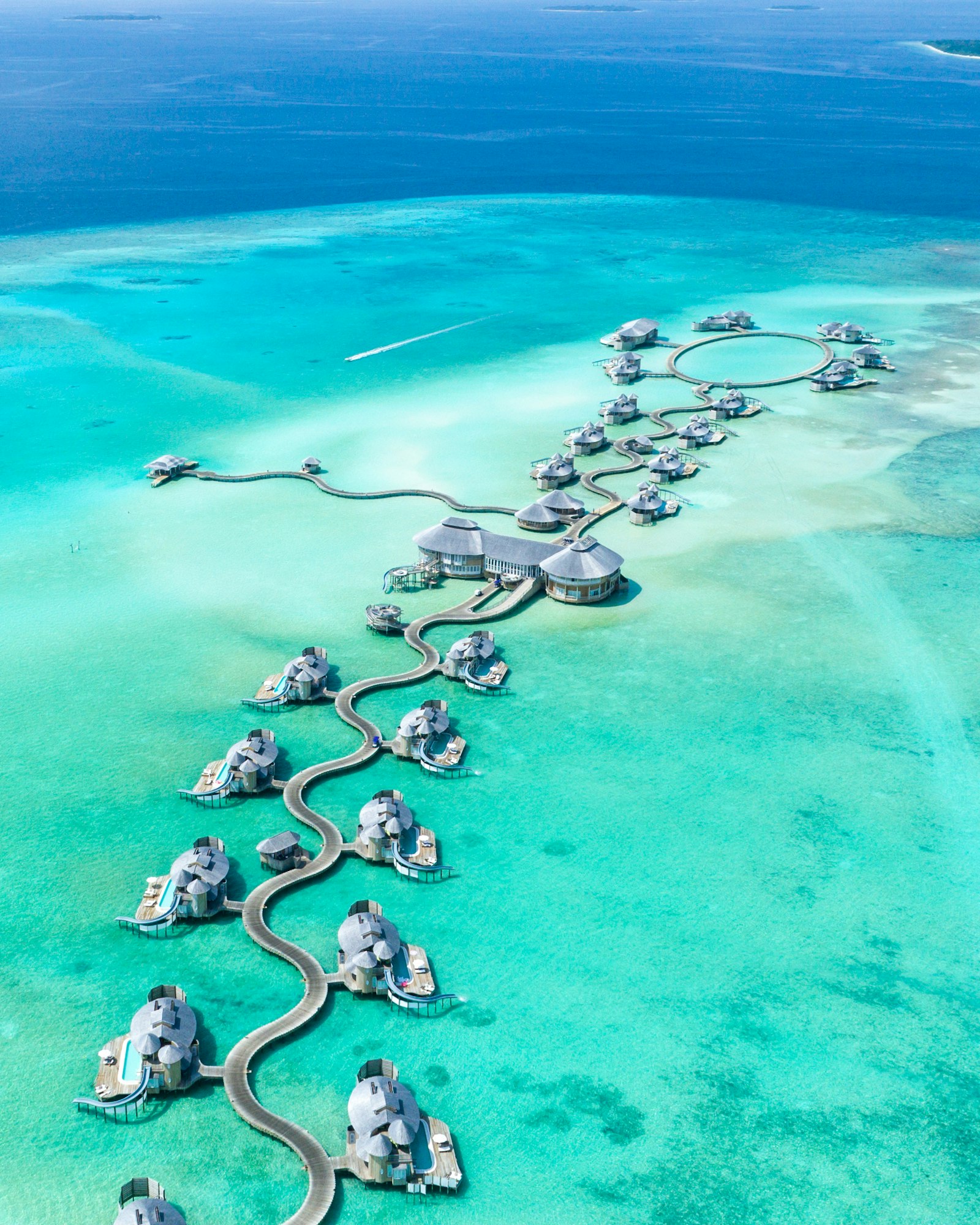
Welcome to the Maldives! As someone who has spent over 15 years exploring the breathtaking atolls and diverse islands of this paradise, I’ve learned a thing or two about what truly makes a packing list essential – and what you can happily leave at home. Forget the generic advice; this 2026 guide is based on real-world experience, ensuring you’re perfectly prepared for your Maldivian adventure, whether you’re luxuriating in an overwater villa at Soneva Jani or exploring the vibrant local life on Maafushi.
Clothing for Your Maldives Escape
The Maldives is synonymous with sun, sand, and sea, and your wardrobe should reflect this relaxed, tropical vibe. However, there's a crucial distinction between resort islands and local islands that dictates your attire. Understanding this will ensure you're comfortable, respectful, and perfectly dressed for every occasion.
Resort Island Attire: Casual Elegance is Key
On private resort islands, the dress code is generally very relaxed. Think lightweight, breathable fabrics that dry quickly. For daytime, swimwear, shorts, sundresses, and tank tops are completely acceptable around the pool, beach, and casual dining areas. On my last visit to Baros Maldives, I saw guests enjoying breakfast in their swimwear cover-ups, which is perfectly normal. However, nudity is strictly forbidden, even on secluded beaches.
- Swimwear: Pack at least 2-3 swimsuits or bikinis. You'll be spending most of your time in the water or by it! A rash guard is also excellent for extended snorkeling sessions to protect against the intense Maldivian sun.
- Cover-ups: Essential for moving between your villa, the beach, and casual dining spots. Sarongs, kaftans, and light dresses are perfect.
- Daytime Casual: For lunch or exploring the resort, think linen shorts, t-shirts, polo shirts for men, and sundresses or flowy skirts for women. Breathable fabrics like linen, bamboo, and Tencel blends are ideal for the year-round temperatures, which stay above 86°F (30°C).
- Evening Wear: Most resorts adopt a "smart casual" dress code for dinner. For men, this means collared shirts (linen or light cotton are great) and long trousers or smart knee-length shorts. For women, maxi dresses, elegant jumpsuits, or dressy sandals are perfect. Some upscale restaurants might have stricter rules, occasionally requiring closed-toe shoes for men, so it's always worth checking with your specific resort if you plan on dining at their fine-dining establishments.
- Footwear: Flip-flops and sandals will be your primary footwear. Many resorts, like Soneva Fushi, encourage a "no shoes, no news" philosophy, so you might find yourself barefoot for much of your stay! Pack one pair of dressier sandals or espadrilles for evenings.
Local Island Attire: Respecting Maldivian Culture
If your itinerary includes visits to local islands (for excursions, guesthouse stays, or exploring the capital, Malé), modesty is paramount. The Maldives is a Muslim nation, and respecting local customs is crucial.
- For Women: Shoulders and knees must be covered. Loose-fitting clothing like maxi dresses, long skirts, or palazzo pants paired with sleeved tops are ideal. A lightweight scarf or pashmina is incredibly versatile for additional coverage, especially when entering mosques or other religious sites where hair may also need to be covered. Avoid sheer fabrics or overly tight clothing. Swimwear is only permitted on designated 'bikini beaches' on local islands, which are often fenced off for privacy.
- For Men: T-shirts (no sleeveless tops) and knee-length shorts or lightweight trousers are appropriate. Going shirtless in public areas of local islands is considered disrespectful and is not allowed.
Pro Tip
Always carry a sarong or light cover-up in your day bag. This makes it easy to transition from resort wear to modest attire if an impromptu visit to a local island or village arises. It’s also incredibly useful for sun protection! On my trips to South Ari Atoll for whale shark excursions, I always advise guests to have something easy to slip on after swimming if we stop at a local island.
Reef-Safe Sunscreen and Essential Toiletries
Protecting yourself from the Maldivian sun is non-negotiable, with UV index often peaking at 11. However, just as important is protecting the incredibly fragile coral reefs that make the Maldives so special. Chemical sunscreens containing oxybenzone and octinoxate are highly damaging to coral and marine life, contributing to coral bleaching.
- Reef-Safe Sunscreen: Opt for mineral-based sunscreens with non-nano zinc oxide and titanium dioxide as the active ingredients. Brands like Stream2Sea (an authorized distributor in the Maldives), Badger, Thinksport, Blue Lizard, and Raw Elements are excellent choices. A 3-ounce tube can cost anywhere from $15-$30, with some brands offering better value per ounce, like Coppertone Pure & Simple at around $2.47 per ounce. I've seen travel packs with various reef-safe products for around $35. It's always best to purchase these before you arrive, as options on the islands can be limited and more expensive.
- After-Sun Lotion/Aloe Vera: Even with the best sunscreen, a little after-sun care is wise.
- Insect Repellent: While resorts do their best to manage mosquitoes, they are a reality, especially at dusk and on vegetated islands. Pack a good repellent.
- Basic Toiletries: Most resorts provide high-quality shampoo, conditioner, shower gel, and lotion, often in refillable dispensers. However, if you have specific brands or sensitive skin, bring your own.
- Lip Balm with SPF: Your lips are just as susceptible to sunburn.
- Hair Care: The combination of sun, salt, and humidity can be tough on hair. Leave-in conditioner or hair oil can be a lifesaver.
Snorkel Gear: To Bring or Not to Bring?
This is a common question, and my answer is usually a nuanced one. Almost all resorts provide complimentary snorkel masks, fins, and snorkels. For many, this is perfectly adequate. However, if you're a keen snorkeler like me, or if you have specific fit requirements, bringing your own gear can significantly enhance your experience.
- Your Own Mask: This is the one item I always recommend bringing. A well-fitting mask makes all the difference for comfort and preventing leaks. I’ve snorkeled the house reef at Alila Kothaifaru Maldives dozens of times, and having my own mask means I can jump in anytime without worrying about rentals.
- Your Own Snorkel: A dry snorkel (one that seals when submerged) is a great upgrade from basic resort snorkels and prevents you from swallowing seawater.
- Your Own Fins: Unless you're a serious free diver or plan extensive snorkeling, resort fins are usually fine. They can be bulky to pack.
- Underwater Camera: A GoPro or similar waterproof camera is a must for capturing the incredible marine life. Don't forget extra batteries and memory cards!
Pro Tip
If you decide to rely on resort-provided gear, inspect it upon arrival. Ensure the mask skirt is flexible and forms a good seal, and that the snorkel mouthpiece is comfortable. If you’re staying at a guesthouse on a local island, you will almost certainly need to bring your own or rent from a local dive shop, usually for around $5-10 USD per day for a set.
Medications and First Aid
While resorts often have medical clinics or can arrange doctor visits, it's always best to be prepared for minor ailments. Access to pharmacies can be limited, especially on remote islands.
- Prescription Medications: Bring enough for your entire trip, plus a few extra days, in their original containers. Carry them in your hand luggage.
- Basic Pain Relievers: Ibuprofen or paracetamol.
- Antihistamines: For allergies or insect bites.
- Anti-diarrhea Medication: Just in case, though food hygiene at resorts is generally excellent.
- Motion Sickness Medication: Especially if you're prone to seasickness, as speedboat transfers can be bumpy, particularly during the monsoon season (May-November). A speedboat ride from Velana International Airport (MLE) to a resort in North Malé Atoll can take 15-90 minutes.
- Band-Aids/Plasters and Antiseptic Wipes: For minor cuts or scrapes from coral.
- Hydrocortisone Cream: For insect bites or skin irritations.
- Hand Sanitizer: Always useful.
Electronics and Connectivity
You'll want to capture every moment and stay connected (or disconnect, if that's your goal!).
- Universal Travel Adapter: The Maldives uses Type D and Type G sockets (UK style). Most resorts also have universal outlets, but an adapter is a good backup.
- Power Bank: Invaluable for charging phones and cameras on the go, especially during excursions.
- Waterproof Phone Pouch: Protect your phone from splashes and take underwater photos.
- Camera Gear: DSLR, mirrorless, GoPro, drone (check drone regulations with your resort and airline!). Don't forget extra batteries, chargers, and plenty of memory cards.
- Headphones: For long flights or relaxing by the pool.
- E-reader/Tablet: For unwinding with a book.
- Maldives SIM Card / eSIM: While resorts offer Wi-Fi (often complimentary), a local SIM or eSIM can be useful for independent travel, local island visits, or if you need reliable data outside your resort. Ooredoo and Dhiraagu are the main providers. You can buy physical SIMs at Malé airport. eSIMs are increasingly popular, with providers like Airalo and Yesim offering plans. As of May 2026, Airalo offers a 30 GB plan for $50 USD for 30 days, while Yesim has a 10 GB plan for 90 days at $33.64. For more details, refer to my Maldives SIM Cards & WiFi Guide 2026.
What Resorts Typically Provide (and What to Skip Packing)
Many luxury resorts in the Maldives go above and beyond with amenities, allowing you to pack lighter. This is where my 40+ resort visits truly pay off in experience.
- Beach Towels: Absolutely provided. Leave yours at home.
- Hair Dryers: Standard in all resort rooms.
- Toiletries: As mentioned, high-quality shampoos, conditioners, shower gels, and lotions are common. Some resorts even offer sun cream.
- Water Bottles: Many resorts provide reusable water bottles and have refilling stations to minimize plastic waste.
- Umbrellas: Handy for unexpected tropical showers.
- Life Vests: Available for water activities.
- Snorkel Gear: Basic masks, snorkels, and fins are almost always complimentary. For example, at Kudadoo Maldives Private Island, which I visited recently, all activities including snorkeling are part of their "Anything, Anytime, Anywhere" concept.
- Laundry Service: Available at resorts, though it can be pricey. Pack light and use the service if needed, or bring a small amount of travel detergent for handwashing.
Pro Tip
Confirm with your specific resort about provided amenities a week or two before your trip. This can save valuable luggage space, especially if you're flying a seaplane, which typically has a baggage limit of 20 kg (44 lbs) per passenger for checked luggage. Excess baggage can incur significant fees, often around $5 per kg.
Remember, your journey to the Maldives is part of the adventure. For resorts further afield, like those in Baa Atoll such as Four Seasons Landaa Giraavaru, you'll likely take a scenic seaplane transfer (25-50 minutes, daylight only, costing $400-$820 per person round trip). Resorts closer to Malé, like Baros Maldives, use speedboats (15-90 minutes, 24/7, costing $100-$490 per person round trip). If your international flight arrives after 3:00 PM, and your resort requires a seaplane, you might need an overnight stay near the airport, which can add $80-$150 to your trip. Planning your Maldives Visa & Entry Requirements 2026 and Maldives Travel Insurance Guide 2026 in advance will also ensure a smoother trip.
I hope this comprehensive packing list, drawn from my extensive experience, helps you prepare for an unforgettable Maldivian holiday. Pack smart, protect the reefs, and get ready for paradise!
Book Baros Maldives
Check Best Prices →Frequently Asked Questions About Maldives Packing
What is the dress code for women in Maldives resorts?
On private resort islands, the dress code for women is very relaxed. Swimwear, bikinis, shorts, and sundresses are perfectly acceptable during the day around pools and beaches. For evenings, smart casual attire like maxi dresses, elegant jumpsuits, or nice skirts and tops are recommended for dining.
Do I need reef-safe sunscreen in the Maldives?
Yes, absolutely. It is highly recommended to use reef-safe sunscreen in the Maldives to protect the delicate coral reefs from harmful chemicals like oxybenzone and octinoxate found in conventional sunscreens. Opt for mineral-based sunscreens with non-nano zinc oxide and titanium dioxide.
Can I wear a bikini on local islands in the Maldives?
No, bikinis and revealing swimwear are generally not allowed on public beaches or in villages on local inhabited islands due to cultural and religious customs. Some local islands have designated "bikini beaches" where swimwear is permitted. When visiting local areas, women should cover their shoulders and knees.
What kind of shoes should I pack for the Maldives?
Your primary footwear will be flip-flops, sandals, or water shoes, as the atmosphere is very casual and often barefoot-friendly. You might want one pair of dressier sandals or espadrilles for evening dinners at upscale resort restaurants. Closed-toe shoes are advisable if you plan to visit local islands or mosques.
Do Maldives resorts provide snorkel gear?
Yes, almost all resorts in the Maldives provide complimentary snorkel masks, fins, and snorkels for guests. While this is usually sufficient, avid snorkelers or those with specific fit needs might prefer to bring their own mask and snorkel for optimal comfort and performance.
What is the baggage allowance for seaplane transfers?
Seaplane transfers typically have a baggage limit of around 20 kg (44 lbs) per passenger for checked luggage and 5 kg (11 lbs) for hand luggage. Excess baggage is usually charged per kilogram, often around $5 USD. If your international flight arrives after 3:00 PM, and your resort requires a seaplane, you may need to overnight near the airport.
Should I bring cash (USD) to the Maldives?
While resorts operate primarily on card payments and will add everything to your room bill, having a small amount of USD cash can be useful for tipping staff (though not mandatory), purchasing souvenirs on local islands, or for small expenses at the airport. However, it's not strictly necessary for resort stays. Local currency is Maldivian Rufiyaa (MVR), but USD is widely accepted in tourist areas.
Book Soneva Jani
Check Best Prices →Book Patina Maldives
Check Best Prices →