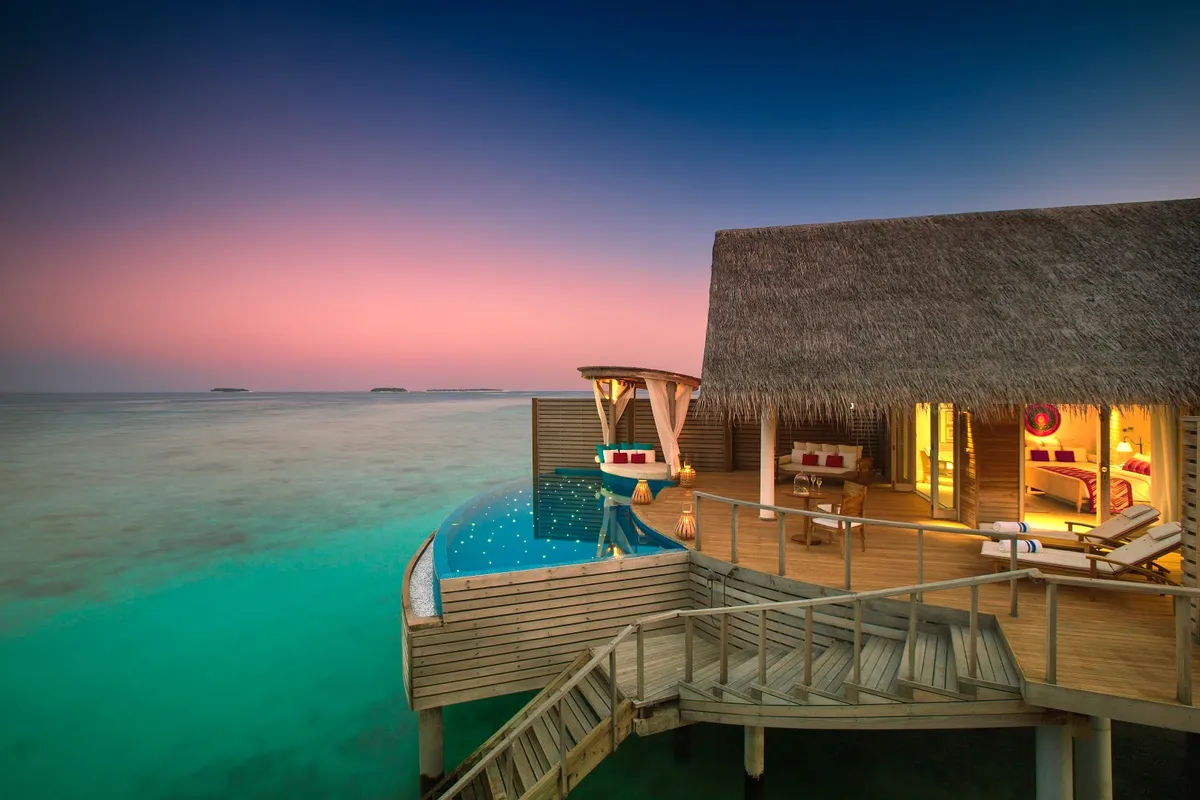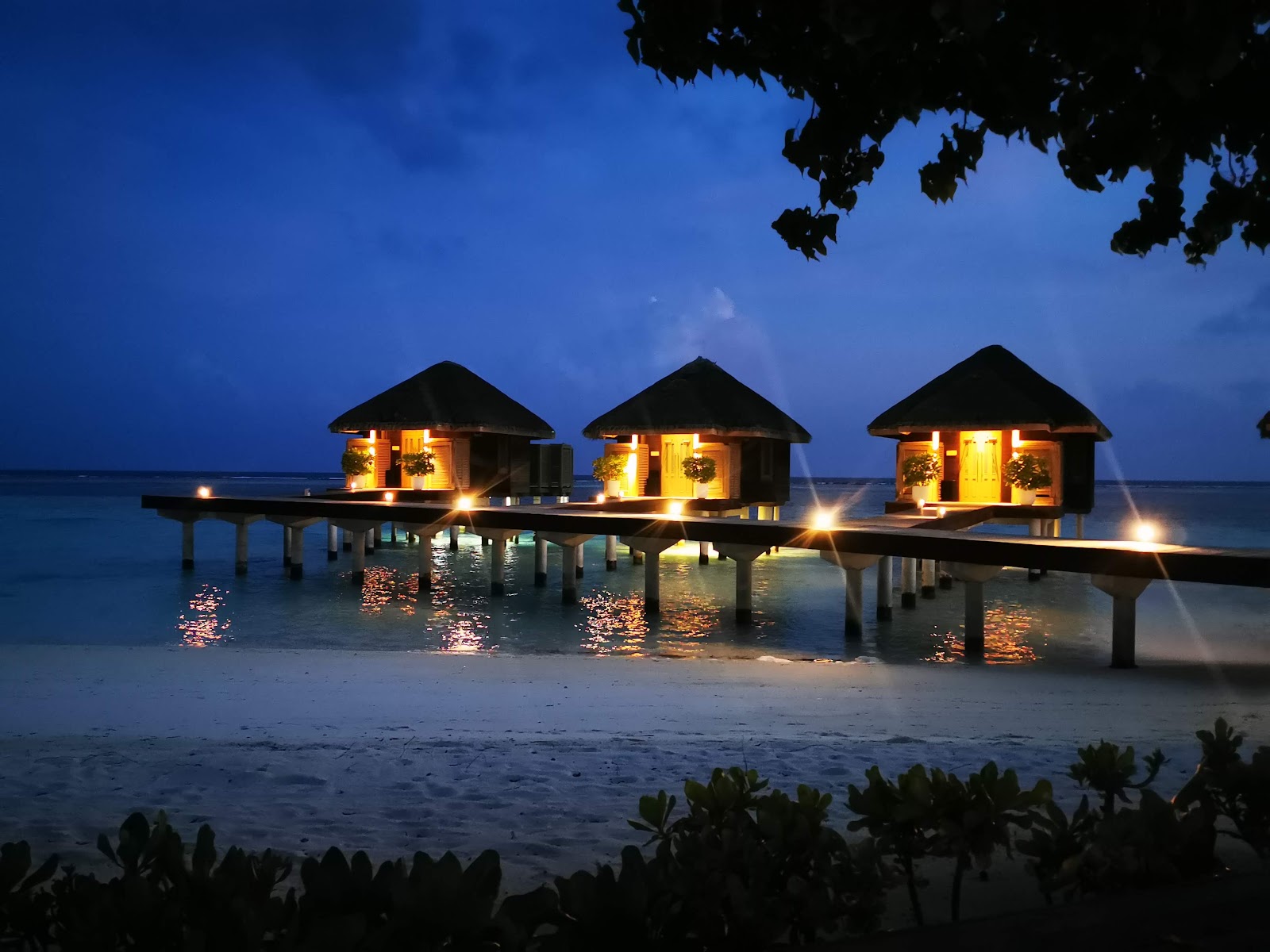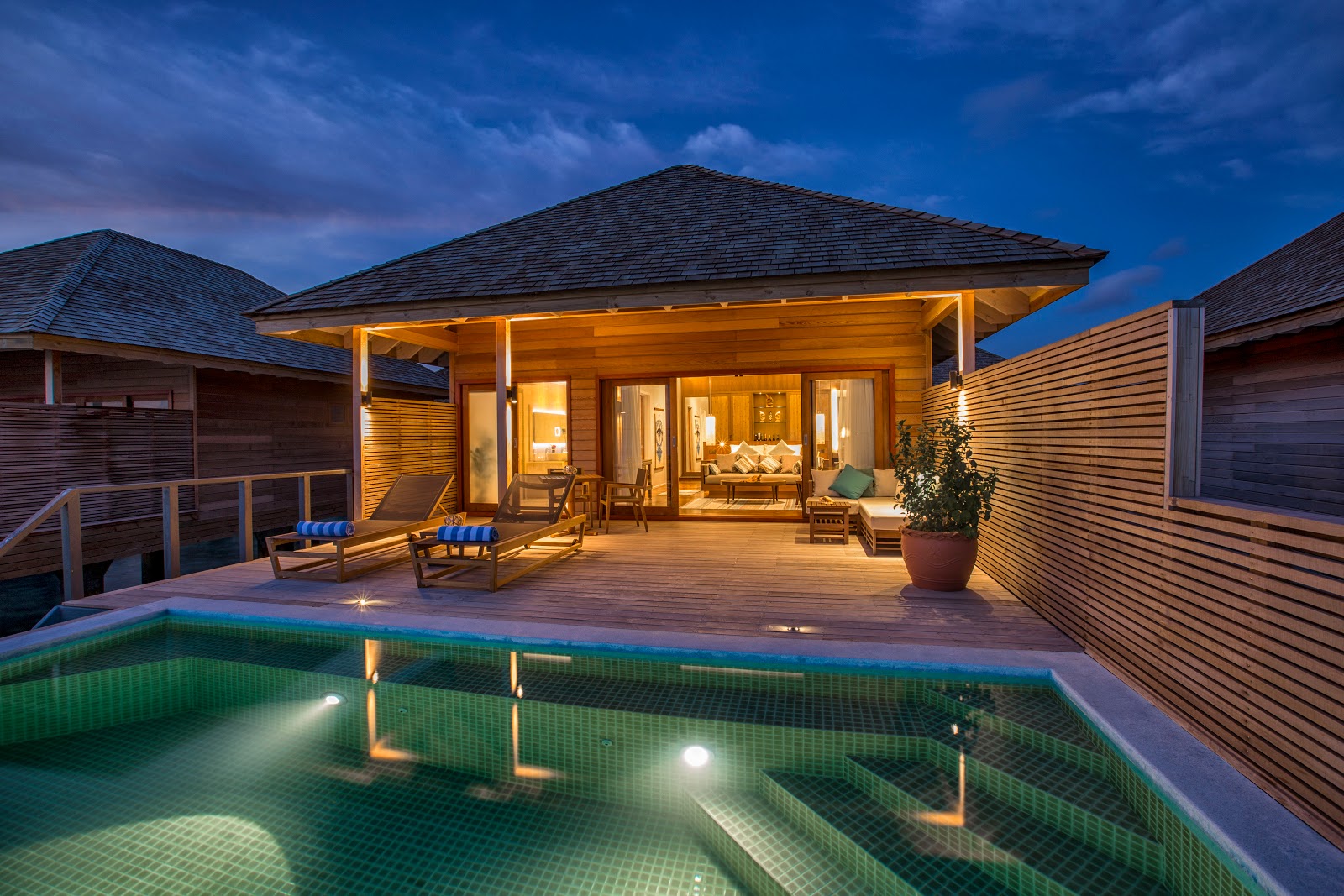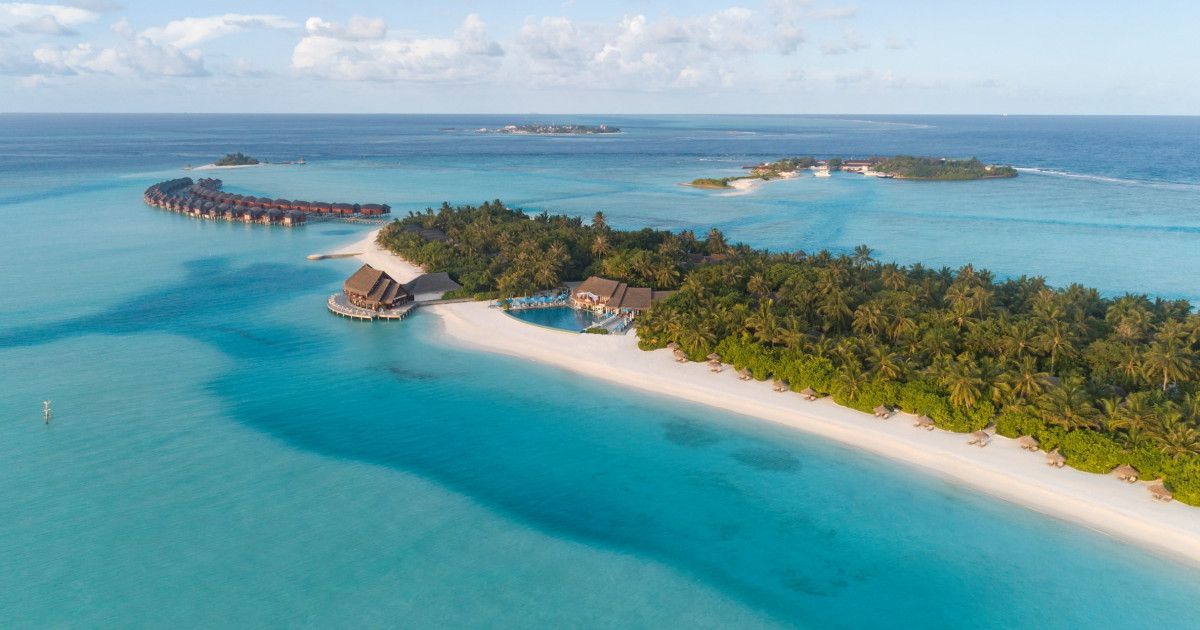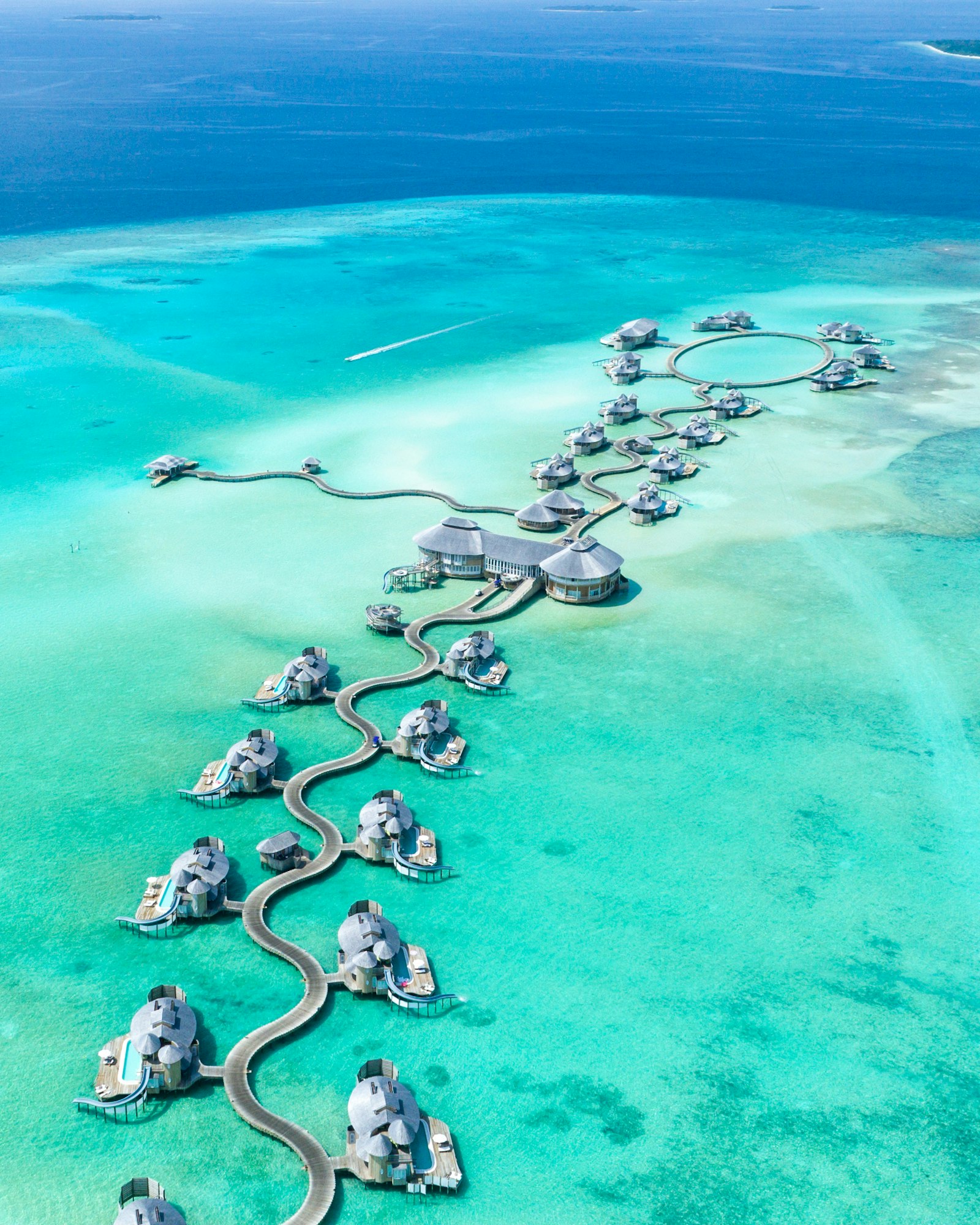
As Mohamed Fayaz, a Maldives travel expert with over 15 years and 40+ resorts and local islands under my belt, I often get asked the same crucial question: "When is the absolute best time to visit the Maldives in 2026?" It’s a question that holds the key to unlocking your dream Maldivian escape, whether you envision sun-drenched days on powdery sands, thrilling encounters with marine life, or simply the serene tranquility of an overwater bungalow. While the Maldives generally enjoys a tropical climate year-round, understanding the nuances of its weather patterns, rainfall, and even local events can make all the difference to your experience. I’ve personally navigated these waters through every season, from the peak of the dry spell to the heart of monsoon, and I’m here to guide you through what to expect month-by-month in 2026, helping you pinpoint the perfect window for your unforgettable journey.
In This Guide
Maldives Weather Month by Month: Your 2026 Guide
The Maldives experiences two primary seasons: the dry season (Iruvai) and the wet season (Hulhangu), influenced by the monsoons. While 2026 is expected to follow these general patterns, local conditions can always vary. Here's my breakdown of what each month typically offers, based on years of firsthand experience.
| Month (2026) | Avg. Temp (°C/°F) | Avg. Rainfall (mm/inches) | Avg. Sunshine (hours) | Humidity (%) | Best For | Notes |
|---|---|---|---|---|---|---|
| January | 27°C / 81°F | 50mm / 2in | 9 | 75-80 | Diving, Snorkeling, Honeymoons, Beach Holidays | Peak dry season. Expect clear skies, calm seas, and high demand. Prices are at their highest. |
| February | 28°C / 82°F | 40mm / 1.6in | 10 | 75-80 | Diving, Snorkeling, Honeymoons, Beach Holidays | One of the driest and sunniest months. Excellent visibility underwater. Still very high prices. |
| March | 29°C / 84°F | 70mm / 2.8in | 9 | 78-82 | Diving, Snorkeling, Beach Holidays | Continues to be dry and sunny, though humidity might start to subtly creep up. Good value before Easter crowds. |
| April | 30°C / 86°F | 100mm / 4in | 8 | 80-85 | Diving, Snorkeling, Shoulder Season Deals | Transition month. Still plenty of sunshine, but increasing chance of short, sharp showers. Prices begin to drop post-Easter. |
| May | 30°C / 86°F | 180mm / 7in | 7 | 82-87 | Surfing, Budget Travel, Manta Ray Encounters (starting) | Wet season officially begins. Expect more rain, often in afternoon downpours. Good deals available. |
| June | 29°C / 84°F | 200mm / 8in | 6 | 85-88 | Surfing, Budget Travel, Manta Ray Encounters (strong) | Typically one of the wetter months. Can experience prolonged periods of rain. Excellent for surfers. |
| July | 29°C / 84°F | 190mm / 7.5in | 6 | 85-88 | Surfing, Budget Travel, Manta Ray Encounters | Similar to June, with potential for unsettled weather. Fewer crowds mean a more private experience. |
| August | 29°C / 84°F | 170mm / 6.7in | 7 | 84-87 | Surfing, Budget Travel, Manta Ray & Whale Shark Encounters | Still within the wet season, but often sees breaks in rainfall. Hanifaru Bay season is in full swing. |
| September | 28°C / 82°F | 220mm / 8.7in | 6 | 85-89 | Surfing, Budget Travel, Manta Ray & Whale Shark Encounters | Often the wettest month, but don't let that deter you. Rain usually comes in bursts, followed by sunshine. Best deals. |
| October | 28°C / 82°F | 190mm / 7.5in | 7 | 83-87 | Surfing, Budget Travel, Manta Ray & Whale Shark Encounters | Transition month towards dry season. Weather can be unpredictable. Good for marine life viewing before the crowds. |
| November | 28°C / 82°F | 150mm / 6in | 8 | 80-85 | Diving, Snorkeling, Shoulder Season, Pre-Holiday Rush | Dry season typically begins mid-month. Improving weather, calmer seas. Prices start to climb. |
| December | 27°C / 81°F | 90mm / 3.5in | 8 | 78-82 | Diving, Snorkeling, Christmas & New Year Celebrations | Dry season in full swing. Excellent weather, but expect extremely high prices and full resorts, especially towards year-end. |
The Dry Season (November to April): Postcard Perfect, Premium Prices
The dry season, locally known as Iruvai, is undoubtedly when the Maldives shines brightest. From late November through April, you can expect long stretches of clear blue skies, minimal rainfall, lower humidity, and incredibly calm, turquoise waters. This is the quintessential Maldivian experience you see in travel brochures. The visibility for diving and snorkeling is usually at its peak, making it ideal for exploring the vibrant coral reefs and abundant marine life. On my last visit to South Ari Atoll in February, the water was so clear I could spot reef sharks from my overwater villa at LUX* South Ari Atoll. The calm conditions also make seaplane transfers exceptionally smooth and scenic.
However, this idyllic weather comes with a significant trade-off: higher prices and larger crowds. Resorts are at their fullest, and demand drives up accommodation costs, particularly during the Christmas, New Year, and Easter holidays. For example, a standard overwater villa at a mid-range resort like Baros Maldives could easily start from $1200-$1800 per night in February 2026, with luxury options like Soneva Jani soaring well beyond $3000-$5000+. Flights also tend to be more expensive. If your budget is flexible and you dream of uninterrupted sunshine and perfect conditions, this is your window. Just be sure to book well in advance – at least 6-9 months for peak periods in 2026.
Pro Tip
To experience the dry season's beauty without the absolute highest prices, consider visiting in late November or early December, or late March/early April (excluding Easter week). You'll still enjoy fantastic weather but might find slightly better deals before the peak holiday rushes. I've often found excellent value just before Christmas.
The Wet Season (May to October): Surfer's Paradise, Budget-Friendly Bliss
The wet season, or Hulhangu, runs from May to October and is characterized by higher humidity, increased rainfall, and stronger winds. Now, don't let the term "wet season" deter you entirely. Maldivian rain often comes in short, intense bursts, typically lasting an hour or two, followed by glorious sunshine. It's rare for an entire day or week to be completely washed out. I've spent many a September in the Maldives, and while there were certainly some rainy days, I also enjoyed plenty of sunshine and incredibly dramatic skies.
This season is a fantastic choice for budget-conscious travelers. Resort prices can drop by 30-50% compared to the dry season. For instance, that same overwater villa at Baros Maldives might be available for $700-$1100 per night in June 2026. This allows you to experience luxury at a fraction of the cost. It's also the prime time for surfers, as the monsoonal winds create excellent swells, particularly in the North and South Malé Atolls. If you're looking to ride the waves, this is your moment. The increased plankton in the water during this season also attracts magnificent marine life, making it a prime time for manta ray and whale shark sightings, especially around Baa Atoll's Hanifaru Bay.
The trade-offs? You might encounter rougher seas, which can make speedboat and seaplane transfers a bit choppier. Visibility for diving can be slightly reduced due to plankton, though the abundance of marine life often compensates for this. If you can embrace the occasional downpour and enjoy a more dynamic ocean, the wet season offers immense value and unique experiences.
Shoulder Seasons: The Best of Both Worlds?
The shoulder months, typically April and November, can often offer a sweet spot. In April, you're transitioning out of the dry season. The weather is still largely excellent, but the crowds begin to thin, and prices start to become more attractive after the Easter holidays. Similarly, November sees the transition into the dry season. Early November might still have some lingering wet season showers, but by mid-month, the weather generally settles into glorious sunshine, and you can often snag better deals before the December rush. My personal preference for a balance of good weather and reasonable prices often leans towards late November.
Regional Weather Variations in the Maldives
While the Maldives is a relatively small country, its 26 atolls stretch across the equator, leading to subtle regional differences in weather patterns. The central atolls, including North and South Malé Atoll (home to many popular resorts and the capital, Malé), Ari Atoll, and Baa Atoll, generally experience the most defined dry and wet seasons. This is where you'll find places like W Maldives in North Ari Atoll, a common choice for many first-time visitors.
Further south, atolls like Addu and Fuvahmulah, which are closer to the equator, tend to experience less distinct seasonal variations. They often receive more consistent rainfall throughout the year, but also benefit from more consistent sunshine. This means that even in the heart of the wet season, the southern atolls might offer slightly more predictable weather. Conversely, the northern atolls might experience the dry season extending a little longer or starting earlier. These variations are usually minor but can be worth considering if you have a very specific window or activity in mind.
Activity-Specific Timing: Tailoring Your 2026 Trip
Diving & Snorkeling: Best Visibility and Marine Life
For pristine visibility and calmest waters, the dry season (January to April) is unparalleled. You'll find the ocean crystal clear, perfect for exploring vibrant reefs and shipwrecks. I've snorkeled this reef dozens of times around Baros Maldives, and the visibility during February is always breathtaking. However, if your primary goal is to encounter specific pelagic species like manta rays and whale sharks, the wet season (May to October) can be superior, particularly in Baa Atoll's Hanifaru Bay. The increased plankton during these months attracts these magnificent creatures, offering incredible feeding frenzies. Just be prepared for potentially choppier seas and slightly reduced visibility.
Book Baros Maldives
Check Best Prices →Surfing: Chasing the Perfect Wave
The Maldives is a world-class surfing destination, and the best waves roll in during the wet season, from April to October. The southwest monsoon brings consistent swells to the eastern and southern atolls. The North and South Malé Atolls are particularly famous for their breaks, offering waves suitable for all levels, from beginners to advanced surfers. Resorts like Maafushi and guesthouses on local islands offer excellent access to these surf spots without the luxury resort price tag. If surfing is your priority, embrace the wet season – it's a trade-off worth making for the thrill of the ride.
Honeymoons & Romantic Getaways: Serenity and Sun
For honeymoons, romance, and that picture-perfect, uninterrupted sunshine, the dry season (January to April) is generally preferred. The calm seas and clear skies create an undeniably romantic atmosphere. Imagine private dinners on the beach under a canopy of stars without a cloud in sight. However, if you're seeking a more intimate experience with fewer crowds and are willing to risk an occasional shower, the shoulder months of April and November can offer a beautiful balance. You might even find better deals for those luxurious overwater villas, allowing you to splurge on other romantic experiences. I remember one trip to Soneva Jani in early May, and while we had a couple of afternoon showers, the resort felt incredibly private, and the sunsets were spectacular after the rain.
Book Soneva Jani
Check Best Prices →Budget Travel: Making Your Rupee Go Further
If you're traveling on a budget, the wet season (May to October) is your best friend. This is when resorts offer their most attractive rates, and you can often find fantastic packages and deals. While you might encounter more rain, the savings can be significant, allowing you to extend your stay or upgrade your accommodation. Local islands, which are generally more affordable year-round, also see fewer tourists during this period, offering a more authentic and relaxed experience. Don't forget to check out guesthouses on islands like Thulusdhoo for excellent value.
Pro Tip
Consider booking your international flights during the shoulder or wet season for better rates. Even if you're aiming for a dry season visit, sometimes flying in during late April or early May, or early November, can save you hundreds on airfare, which you can then put towards your resort stay.
Family Vacations: Calm Waters and Kid-Friendly Fun
Families often prioritize calm waters for swimming and snorkeling, and consistent sunshine for beach play. For these reasons, the dry season (January to April) is typically the most popular choice. The calm lagoons are perfect for young children, and outdoor activities are rarely interrupted. However, if your children are older and enjoy water sports, or if you're looking for a more relaxed pace without the peak season crowds, the shoulder months can work well. Many resorts offer fantastic kids' clubs and indoor activities, ensuring entertainment even on a rainy day.
Maldives During Ramadan 2026: Cultural Considerations
In 2026, Ramadan is expected to run from approximately February 20th to March 21st. While most tourist resorts operate as usual, if you're planning to visit local islands or interact with local communities, it's important to be aware of and respectful of local customs. During Ramadan, locals will be fasting from sunrise to sunset. While resorts cater fully to international guests, public consumption of food and drink is generally avoided outside of designated areas on local islands during fasting hours. Excursions and services might also operate on slightly altered schedules. It's a unique opportunity to observe local culture, but it does require a bit more planning and sensitivity. For comprehensive advice, refer to our Maldives During Ramadan 2026: Travel Tips for Visitors guide.
Maldives Christmas & New Year 2026: Festive and Full
December, particularly the Christmas and New Year period, is one of the most sought-after times to visit. The weather is typically stunning – clear skies, calm seas, and perfect temperatures. Resorts pull out all the stops for festive celebrations, with elaborate dinners, entertainment, and a vibrant atmosphere. However, this is also the most expensive and crowded time of the year. Expect to pay premium rates for everything, and many resorts impose mandatory gala dinner charges. Booking at least a year in advance is highly recommended if you plan to travel during this peak festive season. For more details on what to expect, check out our guide on Maldives Christmas & New Year 2026: Resorts & Prices.
Book W Maldives
Check Best Prices →Final Thoughts from Mohamed Fayaz
Having spent countless hours exploring these islands, from the bustling capital of Malé to the tranquil shores of remote atolls, I can confidently say there's no single "bad" time to visit the Maldives. It truly depends on what you seek from your holiday. If your budget allows for it and you dream of endless sunshine and serene waters, the dry season is your ideal. If you're a keen surfer, a marine life enthusiast, or a savvy traveler looking for luxury at a lower price point, then the wet season or shoulder months offer incredible value and unique experiences. My advice is always to consider your priorities, budget, and desired activities, then use this guide to align them with the Maldivian calendar in 2026. Whichever month you choose, the Maldives promises an extraordinary escape.
Frequently Asked Questions About Visiting the Maldives in 2026
What is the absolute best month to visit Maldives in 2026?
For guaranteed sunshine, calm seas, and excellent visibility for diving and snorkeling, February and March 2026 are generally considered the absolute best months. They fall squarely within the dry season, offering idyllic conditions. However, they are also among the most expensive and crowded months.
What is the cheapest month to visit Maldives in 2026?
The cheapest months to visit the Maldives in 2026 will typically be during the peak of the wet season, particularly June, September, and October. You can find significant discounts on resorts and flights during these times, though you should be prepared for higher chances of rain and choppier seas.
What is the rainy season in Maldives?
The rainy season, or wet season (Hulhangu), in the Maldives generally runs from May to October. During this period, you can expect higher humidity, stronger winds, and an increased likelihood of rainfall, often in the form of short, intense tropical showers followed by sunshine.
How many days are enough for Maldives?
From my experience, a minimum of 5-7 days is ideal for a Maldives trip. This allows enough time to relax, enjoy the resort amenities, and partake in a few excursions like snorkeling, diving, or island hopping, without feeling rushed. For a more extensive exploration or if you plan to visit multiple islands, 10-14 days would be perfect.
Do I need a visa for Maldives?
Most nationalities, including those from the US, UK, Europe, Australia, and many Asian countries, are granted a free 30-day tourist visa on arrival in the Maldives. You will need a valid passport (with at least 6 months validity from your arrival date), a confirmed onward/return ticket, and sufficient funds for your stay. Always check the latest visa requirements for your specific nationality before traveling. For detailed information, consult our Maldives Visa Guide.
What is the best atoll to stay in Maldives?
The "best" atoll depends entirely on your preferences. North and South Malé Atolls are popular for their proximity to the airport and a wide range of resorts. Ari Atoll (North and South) is renowned for its incredible diving and snorkeling, including whale shark sightings. Baa Atoll is a UNESCO Biosphere Reserve, famous for manta rays at Hanifaru Bay during the wet season. For a more secluded or luxurious experience, the further-flung atolls like Noonu or Raa Atoll offer ultimate privacy. If you’re looking for local island experiences, Alif Alif (North Ari) and Vaavu Atolls are excellent choices.
Is Maldives expensive in 2026?
The Maldives can be as expensive or as affordable as you make it in 2026. During the peak dry season (January-April, and December), prices for luxury resorts can be very high, easily exceeding $1000-$2000 per night for an overwater villa. However, during the wet season (May-October), prices can drop significantly, offering luxury experiences for $500-$1000 per night or less. Additionally, staying on local islands in guesthouses can bring down daily costs to $100-$300, making a Maldives trip accessible to a wider range of budgets.