Part of our complete guide: Best Time to Visit Maldives 2026: Weather Month by Month
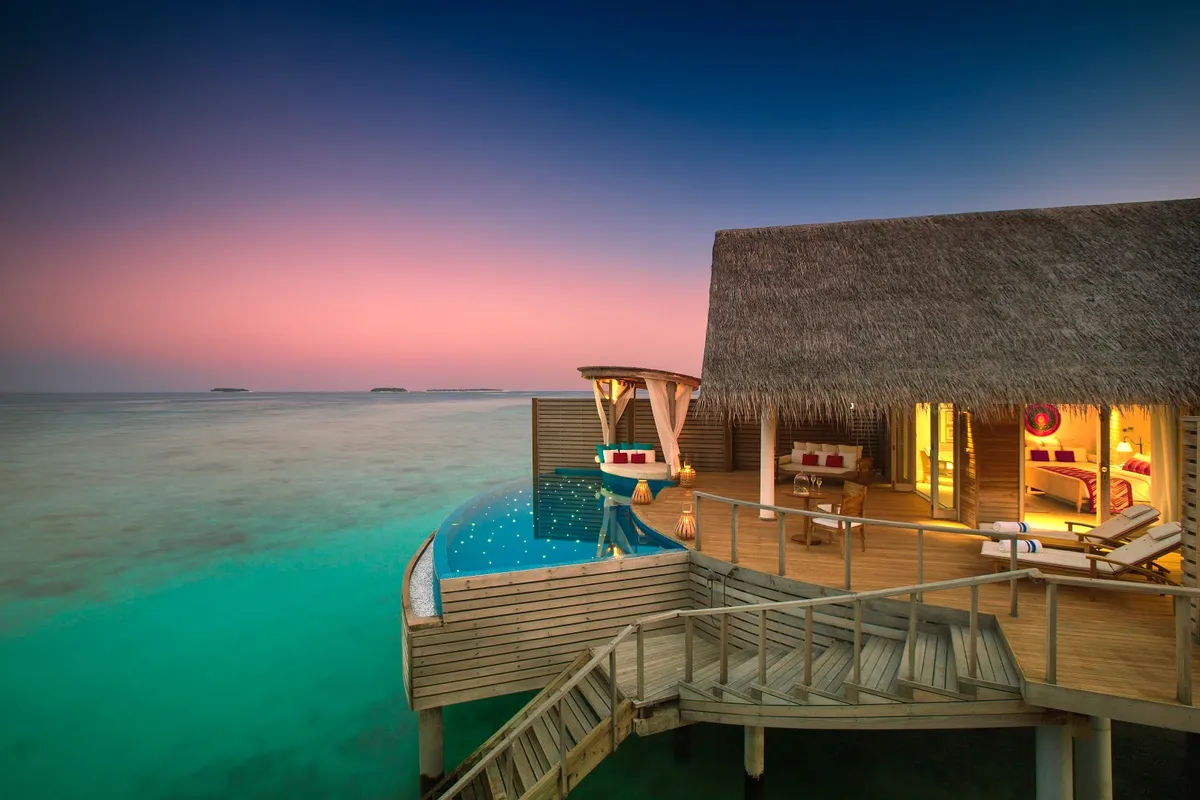
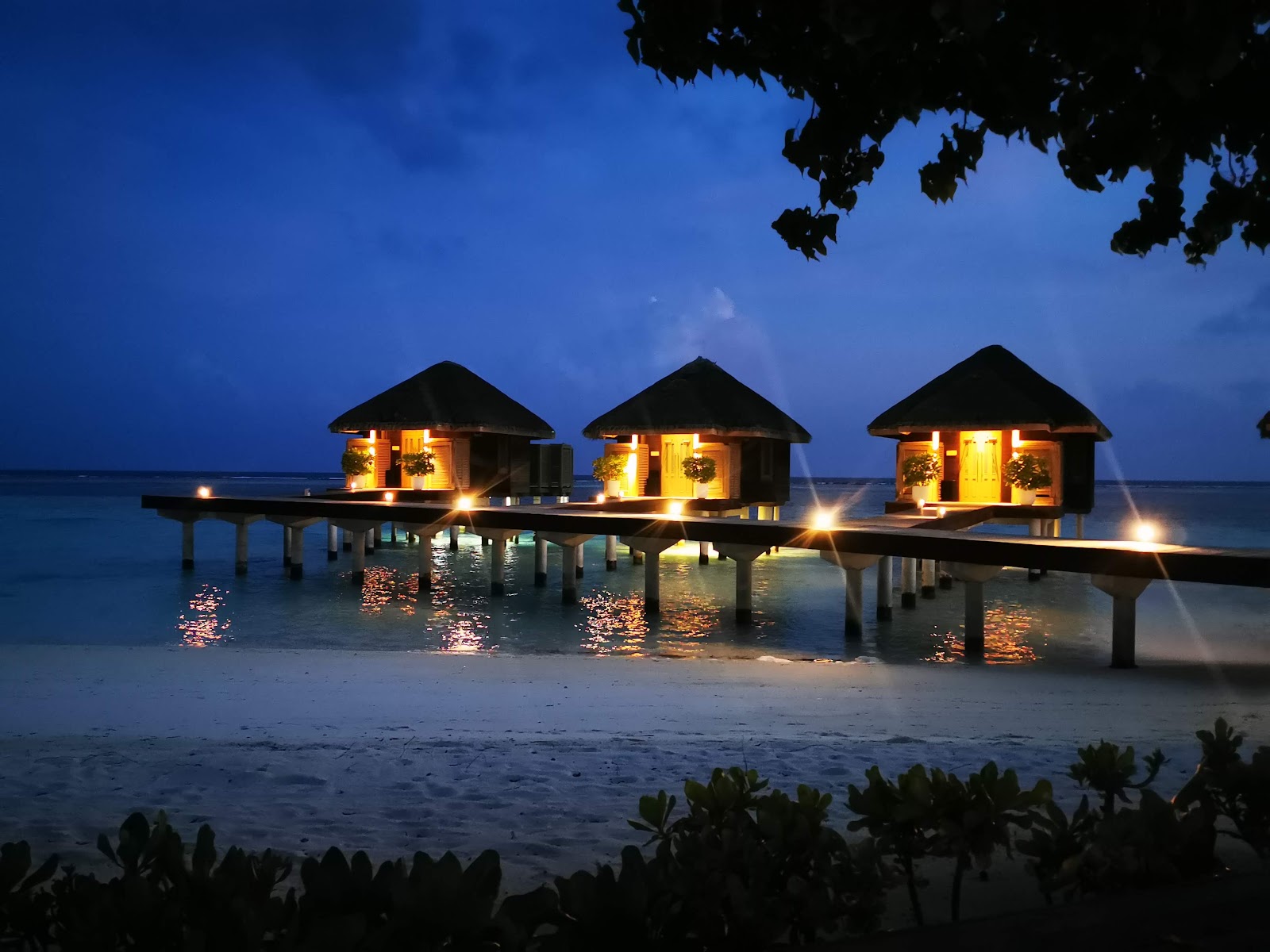
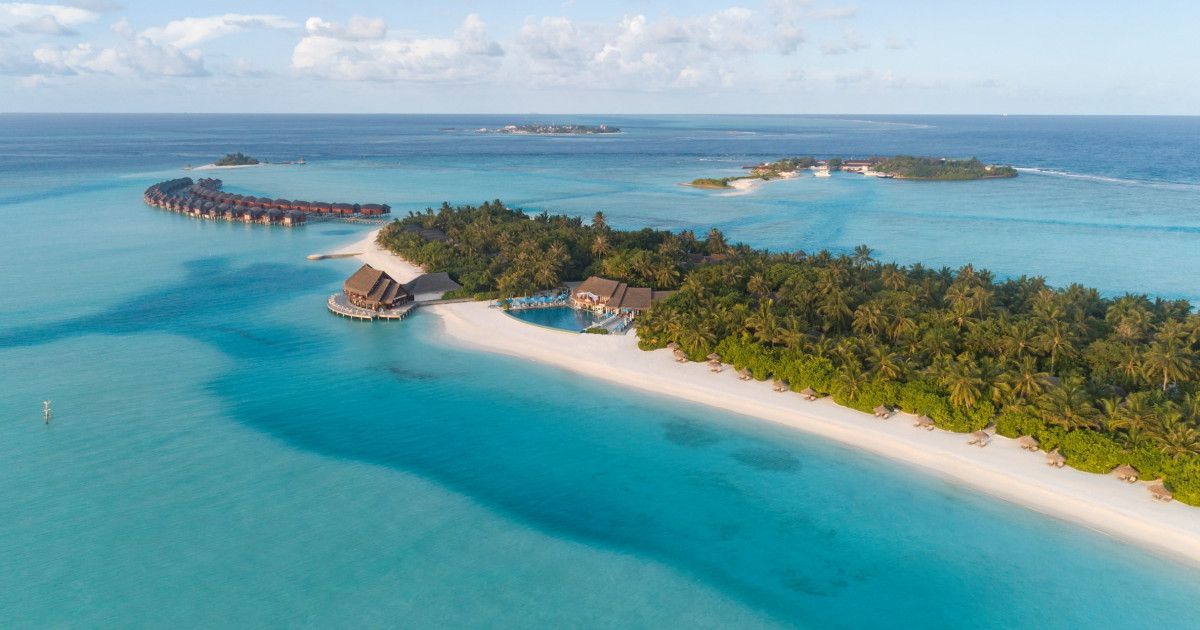
Ah, the Maldives. The very name conjures images of endless sunshine, glassy turquoise lagoons, and those iconic overwater bungalows. But what if your travel plans land you smack in the middle of the monsoon season in 2026? As someone who has spent over 15 years navigating these beautiful islands, visiting more than 40 resorts and local islands, I can tell you that the "monsoon" isn't the four-letter word many fear. In fact, for the savvy traveler, it can be the best time to experience the Maldives – if you know what to expect and how to plan. This article will cut through the myths and give you an honest, practical guide to making your Maldives monsoon trip in 2026 truly unforgettable.
Understanding the Maldives Monsoon Season 2026: SW Monsoon Timing
The Maldives experiences two primary monsoon seasons, driven by shifts in wind patterns across the Indian Ocean. The northeast monsoon (Iruvai) from December to April brings dry, sunny weather, which is why it’s considered peak tourist season. However, our focus here is the southwest monsoon (Hulhangu), which typically runs from May to October, sometimes extending into November.
During these months, you can expect increased rainfall, higher humidity, and occasionally stronger winds. The peak of the southwest monsoon generally falls around June and September. It's crucial to understand that "monsoon" doesn't mean continuous, week-long downpours. The weather patterns are often localized, meaning one atoll might be experiencing a squall while another, just a short flight away, is bathed in sunshine. On my last visit to South Ari Atoll in July, we had a couple of days with heavy morning showers, but by afternoon, the sun was out, and we were back in the water.
Pro Tip
While the monsoon officially spans May to October, the shoulder months of May and November often offer a sweet spot. You might catch the tail end of the dry season's good weather or the beginning of improved conditions, coupled with off-peak prices.
The Reality of Rain: What to Expect Day-to-Day
Let's dispel the biggest myth right away: a Maldives monsoon holiday is highly unlikely to be "ruined" by rain. In my extensive experience, the typical weather during the southwest monsoon involves short, intense bursts of rain, often lasting an hour or two, followed by clear skies and sunshine. These downpours can be quite dramatic, but they usually pass quickly. Many guests even find the tropical rain showers refreshing, especially when lounging on their private deck.
Cloudy days are more common during monsoon than in the dry season, but completely overcast weeks are rare. You'll still get plenty of sunshine for swimming, snorkeling, and relaxing. Average temperatures remain consistently warm, ranging from 28°C to 31°C, so even on rainy days, it’s never cold.
Unbeatable Discounts and Value for 2026 Monsoon Travel
This is where the monsoon season truly shines for budget-conscious luxury seekers. With lower demand compared to the Maldives Dry Season (November to April), resorts offer significant discounts on accommodation, meal plans, and even transfers. In 2026, you can expect to find luxury resort rates that are 30-50% lower than peak season prices.
For example, an entry-level overwater villa at a reputable 4-star resort that might command $900-$1500 per night during the dry season could be available for $500-$900 per night during the monsoon in 2026. For established 5-star properties, rates that typically exceed $1500 per night could drop to $800-$1200. These savings extend to meal plans as well, making all-inclusive packages particularly attractive.
2026 Resort Price Estimates (Monsoon Season, per night):
- Guesthouses on Local Islands: $25 - $150 (e.g., Maafushi)
- Budget Luxury (4-star resorts): $350 - $900
- Mid-Range Luxury (5-star resorts): $700 - $1500
- Ultra-Luxury (Premium 5-star+): $1500 - $3500+ (often $5000+ in peak season)
Even transfer costs, which can add $400-$800 per person for a seaplane, can sometimes be bundled into monsoon packages or offered at a reduced rate. This makes a significant difference to your overall trip budget for 2026. For those considering a luxury escape but mindful of costs, the monsoon season is undeniably worth it. The savings can allow you to extend your stay, upgrade your villa, or indulge in more experiences.
Book Baros Maldives
Check Best Prices →Diving and Snorkeling During Monsoon: A Diver's Paradise
For divers and snorkelers, the monsoon season is often a secret weapon. While some might worry about visibility, this period, particularly from May to November, coincides with increased plankton in the water, which attracts an abundance of marine life.
This means it's prime time for spotting majestic manta rays and whale sharks! The Baa Atoll, a UNESCO Biosphere Reserve, is famous for Hanifaru Bay, where mantas congregate in large numbers from May to November. Similarly, the South Ari Atoll is renowned for year-round whale shark sightings, with monsoon months often offering excellent opportunities. I've snorkeled the reefs of South Ari Atoll countless times during monsoon, and the sheer volume of marine life, from reef sharks to turtles and vibrant schools of fish, is often more impressive than during the dry season.
While the seas can be choppier on some days, leading to longer or bumpier boat rides and potentially reduced visibility in certain areas, many dive sites remain spectacular. Dive centers are well-equipped and experienced in navigating monsoon conditions, often choosing more sheltered sites. If you're an avid diver or dream of swimming with these gentle giants, don't let the "monsoon" label deter you from planning your 2026 trip. Just be prepared for potential changes to excursion schedules due to weather.
Pro Tip
If diving or snorkeling with manta rays and whale sharks is a top priority, consider staying in resorts located in Baa Atoll or South Ari Atoll. These regions are known hotspots for these magnificent creatures during the SW monsoon. Always check with your resort or dive center for current sighting conditions.
Choosing the Right Resort for Monsoon Season 2026
Selecting the right resort during the monsoon season is key to a fantastic experience. Look for properties that offer more than just pristine beaches (which you'll still get!). Resorts with excellent indoor facilities become invaluable on a rare rainy day.
Consider:
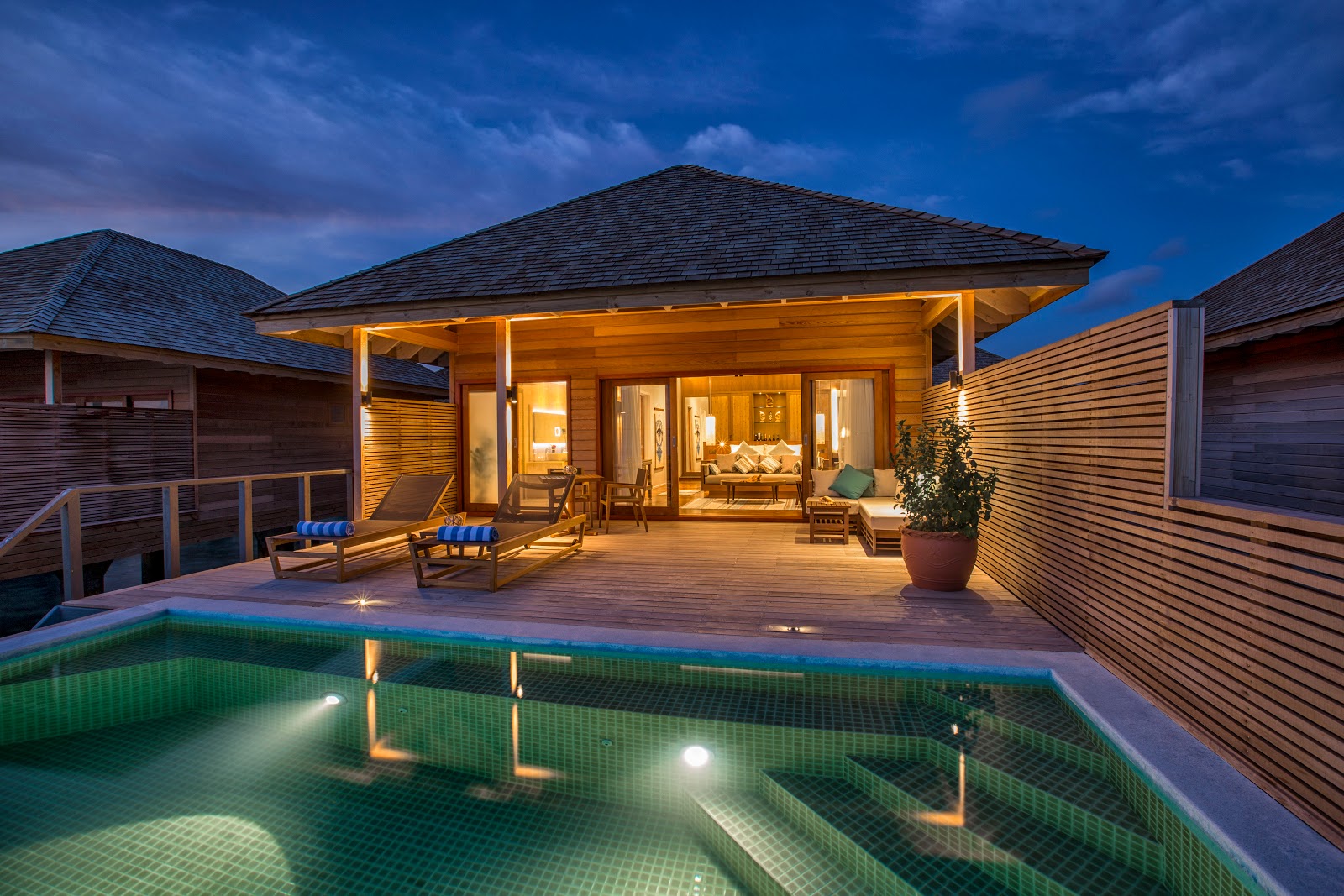
- Villas with Ample Indoor Space: Larger overwater or beach villas with comfortable living areas, private pools (many are sheltered), or expansive bathrooms become your sanctuary.
- Diverse Dining Options: Multiple restaurants, ideally some with indoor seating or covered outdoor areas, ensure you have choices regardless of the weather.
- Recreational Facilities: Spas, gyms, libraries, kids' clubs, and even indoor sports facilities (like bowling alleys or golf simulators at some ultra-luxury resorts) provide entertainment if outdoor activities are temporarily halted.
- Sheltered Atolls: While weather is localized, some atolls might experience slightly different patterns. However, generally, the focus should be on the resort's amenities rather than trying to pinpoint a "dry" atoll during monsoon.
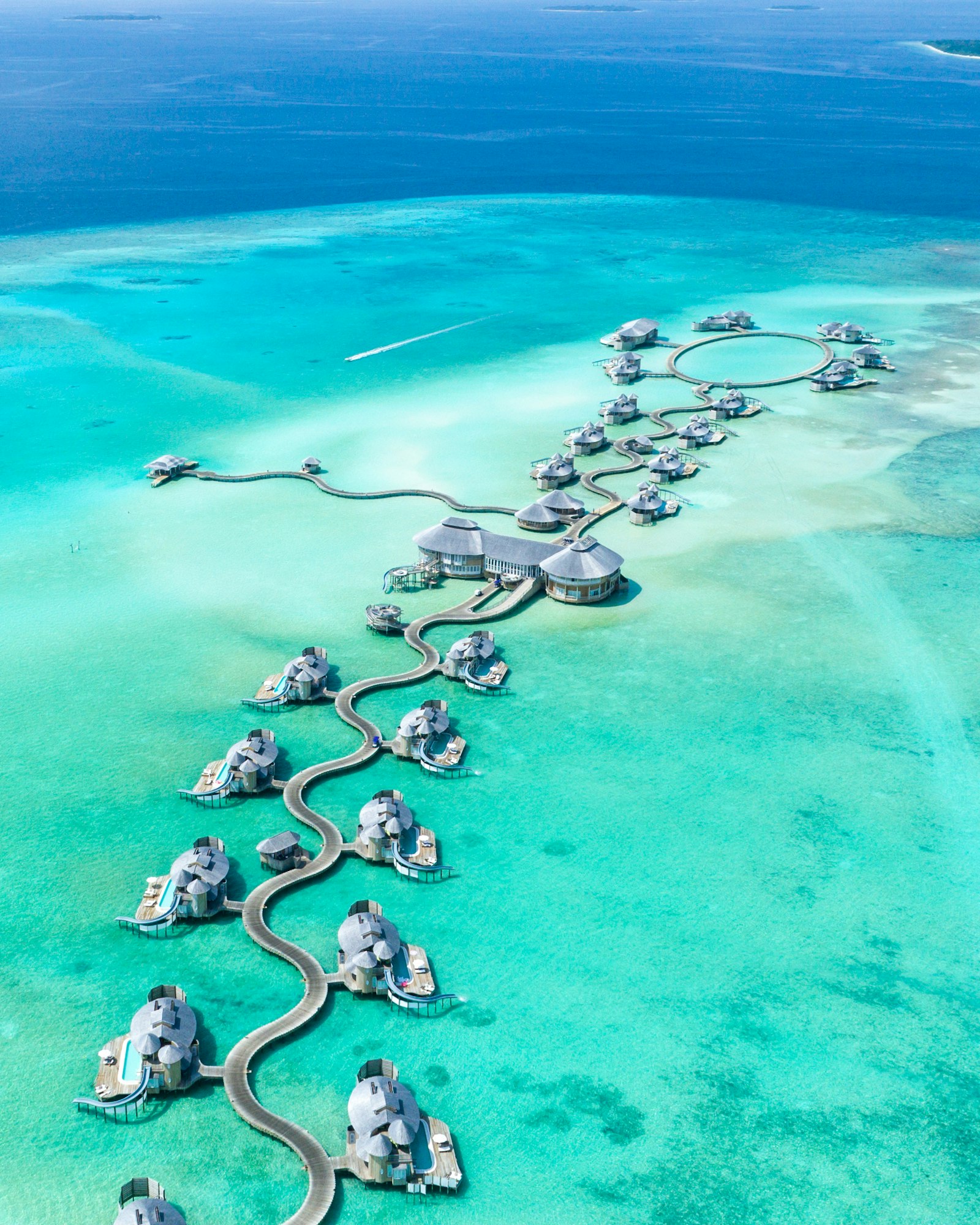
For families, Soneva Jani, for instance, offers incredible indoor and sheltered activities, from its 'The Den' kids club to its observatory and overwater cinema, though it's a premium experience. Expect rates from $2000-$3500+ per night for their villas during monsoon 2026, including seaplane transfer (around 40 minutes from Malé). For a more accessible luxury, resorts like Kandima Maldives (Dhaalu Atoll) offer a vibrant 'lifestyle' concept with plenty of activities and good value, with rates around $400-$800 per night.
If you're seeking a local island experience, guesthouses on islands like Maafushi offer excellent value, with rooms from $50-$150 per night and speedboat transfers from Malé (30 minutes) for around $25-$30 per person. While facilities are simpler, you get an authentic cultural immersion.
Book Soneva Jani
Check Best Prices →Activities Beyond Sunbathing and Diving
Even if a rain shower passes through, the Maldives offers a wealth of activities. Don't limit your imagination to just the beach! Here are some ideas:
- Indulgent Spa Treatments: Many resorts boast world-class spas offering traditional Maldivian therapies and international treatments. A rainy afternoon is the perfect excuse for a couples' massage.
- Maldivian Cooking Classes: Learn to prepare local delicacies like Garudhiya (fish broth) or Mas Huni (shredded smoked tuna with coconut). It’s a delicious cultural immersion.
- Wine Tasting & Mixology Classes: Many luxury resorts have impressive cellars and expert mixologists ready to teach you a new skill.
- Indoor Sports & Games: From billiards and table tennis to fully equipped gyms and yoga studios, most resorts offer plenty to keep you active indoors.
- Library & Lounge Time: Catch up on reading in a cozy resort library or simply relax in your villa, enjoying the sound of the rain over the ocean.
- Excursions (Weather Permitting): While some boat trips might be rescheduled, fishing excursions, dolphin cruises, or visits to local islands can still happen during clear spells. Always check with your resort's excursion desk.
For more ideas, explore our comprehensive Maldives Activities Guide.
Practical Tips for Monsoon Travel 2026
To ensure a smooth monsoon trip, keep these practical tips in mind:
- Pack Smart: Light, quick-drying clothing is essential. A lightweight rain jacket or umbrella can be useful for moving between your villa and resort facilities. Don't forget reef-safe sunscreen and insect repellent.
- Be Flexible with Transfers: Seaplane and speedboat transfers are weather-dependent. While delays are not frequent, they can happen. Build some buffer into your itinerary, especially if you have international connections.
- Consider Travel Insurance: Comprehensive travel insurance is always a good idea, but especially during monsoon season. It can cover unexpected delays, cancellations, or medical emergencies.
- Book Smart: While last-minute deals can pop up, booking a few months in advance often secures better rates, even during the monsoon. Look for resorts offering flexible cancellation policies.
- Embrace the Greenery: The monsoon rains bring lush greenery to the islands, making the landscapes even more vibrant and beautiful. The air also feels fresher after a downpour.
- Check for Special Events: While Ramadan 2026 (February 18 - March 19) and Christmas/New Year 2026 (peak season) fall outside the main monsoon period, some resorts might have unique offerings during the shoulder months or special promotions.
Pro Tip
If you're traveling during a period that might coincide with local holidays, like Maldives During Ramadan 2026, be aware that some local island services might be affected. However, resort islands operate as usual. Always check the specific dates if you plan to visit local islands.
My Verdict: Is Monsoon Travel to Maldives in 2026 Worth It?
Having spent over a decade and a half exploring every corner of this incredible destination, I can confidently say that visiting the Maldives during the monsoon season in 2026 is absolutely worth it for the right traveler. It’s a trade-off, yes, but one that often pays off handsomely.
You might encounter more rain and cloud cover than during the dry season, and the seas can be a bit livelier. However, these minor inconveniences are often far outweighed by the significant savings, the fewer crowds, and the unique opportunities for marine life encounters that are unparalleled at other times of the year. The lush, vibrant landscapes and the dramatic beauty of a tropical storm passing over the ocean also offer a different, yet equally captivating, side of the Maldives.
If you're flexible with your expectations, prioritize value, and are eager to experience the Maldives beyond just endless sunshine, then monsoon travel in 2026 could be your perfect, budget-friendly luxury escape. Don't let the word "monsoon" scare you away; embrace it, and you'll discover a truly magical side of paradise.
Frequently Asked Questions
What months are considered monsoon season in Maldives?
The southwest monsoon season, known as Hulhangu, typically runs from May to October, sometimes extending into November. The peak rainfall usually occurs around June and September.
How much cheaper is Maldives during monsoon?
You can expect significant discounts, often 30-50% off accommodation rates compared to the peak dry season. This applies to luxury resorts, guesthouses, and sometimes even transfers.
Will my holiday be ruined by rain?
Highly unlikely. While rain is more frequent, it typically comes in short, intense bursts, often followed by sunshine. Long periods of continuous rain are rare, and temperatures remain warm.
Is it safe to travel to Maldives during monsoon?
Yes, it is generally safe. Resorts and transfer operators are well-versed in handling monsoon conditions. The main considerations are potential delays in seaplane or speedboat transfers due to weather. Always follow local guidance.
Can I still dive and snorkel during monsoon?
Absolutely, and it's often an excellent time for it! The increased plankton attracts abundant marine life, including manta rays and whale sharks, particularly in atolls like Baa and South Ari. While some days may have choppier seas or reduced visibility, many dive sites remain spectacular.
What are the best resorts for monsoon season?
Look for resorts with excellent indoor facilities, diverse dining options, and spacious villas. Properties with good spas, kids' clubs, and other recreational amenities will enhance your stay on any rainy days. Resorts like Soneva Jani or Baros Maldives are good examples of those offering comprehensive experiences regardless of weather.
What should I pack for a monsoon trip to Maldives?
Pack light, quick-drying clothing, swimwear, and reef-safe sunscreen. A lightweight rain jacket or small umbrella is advisable. Don't forget insect repellent, as mosquitoes can be more prevalent after rain.