As Mohamed Fayaz, with over 15 years navigating the breathtaking atolls and vibrant local islands of the Maldives, I’ve witnessed firsthand the delicate balance between paradise and preservation. My journeys have taken me to more than 40 resorts and guesthouses, from the bustling markets of Malé to the secluded luxury of private islands. In 2026, the call for sustainable travel in the Maldives is louder and more urgent than ever. This guide isn't just about enjoying the pristine beauty; it's about understanding how to protect it for generations to come. It’s about making conscious choices that support the local communities, safeguard our coral reefs, and minimize our environmental footprint, all while experiencing the very best this incredible destination has to offer.
In This Guide
Understanding Sustainability in the Maldives: More Than Just Greenwashing
The term "sustainability" gets thrown around a lot, especially in luxury travel. In the Maldives, it’s not just a marketing buzzword; it’s an existential necessity. This island nation, barely rising above sea level, is on the front lines of climate change. Rising sea levels, coral bleaching, and plastic pollution threaten its very existence. Sustainable Maldives travel means actively participating in solutions, not just observing them. It involves choosing accommodations that genuinely invest in eco-friendly practices, respecting local culture, minimizing waste, and supporting conservation efforts directly. My goal here is to cut through the noise and provide you with actionable steps and honest insights into what truly makes a Maldivian holiday sustainable in 2026.
One of the biggest challenges I've observed over the years is the misconception that luxury and sustainability are mutually exclusive. On the contrary, many of the Maldives' most exclusive resorts are leading the charge in environmental stewardship, investing millions in renewable energy, waste management, and marine biology programs. However, it's also crucial to understand that even the most well-intentioned resort faces logistical hurdles inherent to operating on remote islands. The key is transparency and continuous improvement, which is what I look for and what I'll highlight here.
Choosing Your Green Haven: Top Eco-Resorts in the Maldives 2026
Selecting an eco-resort isn't just about finding a beautiful villa; it's about finding a partner in your sustainable journey. I've personally visited and assessed numerous properties, and the best ones go far beyond basic recycling. They integrate sustainability into their core operations, from energy generation to staff training and guest education.
What Makes a Maldivian Resort Truly "Eco"?
- Renewable Energy: Look for resorts powered significantly by solar energy. Properties like Soneva Fushi and Gili Lankanfushi have massive solar installations that drastically reduce their reliance on diesel generators. Soneva Fushi, for example, aims to be fully solar-powered in the coming years.
- Waste Management: This is critical on small islands. Top eco-resorts have sophisticated waste-to-wealth programs, turning glass into art, food waste into compost, and plastic into reusable items. Six Senses Laamu has an impressive Earth Lab where guests can see their waste management in action.
- Water Conservation: Desalination plants are common, but truly eco-conscious resorts also collect rainwater, treat wastewater for irrigation, and minimize single-use plastics by providing filtered water in reusable glass bottles.
- Marine Biology Programs: A dedicated marine biology team is a strong indicator of genuine commitment. They conduct research, educate guests, and often run coral restoration projects. I've spent countless hours with these teams at resorts like Baros Maldives and Four Seasons Landaa Giraavaru, learning about their critical work.
- Local Sourcing & Employment: Supporting local fishermen, farmers (where possible), and employing a high percentage of Maldivian staff strengthens the local economy and reduces import reliance.
My Top Picks for Eco-Conscious Luxury in 2026 (with Price Estimates)
Based on my recent visits and ongoing research for 2026, these resorts exemplify what sustainable luxury means in the Maldives:
-
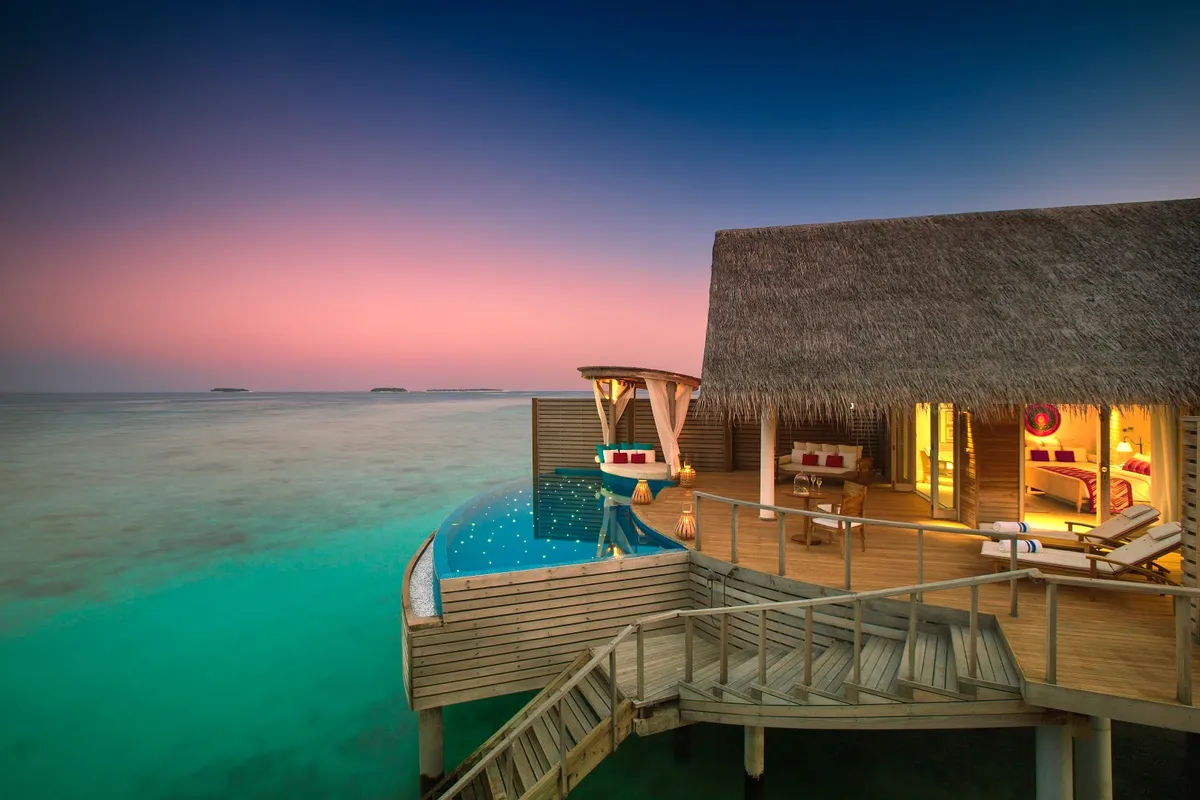
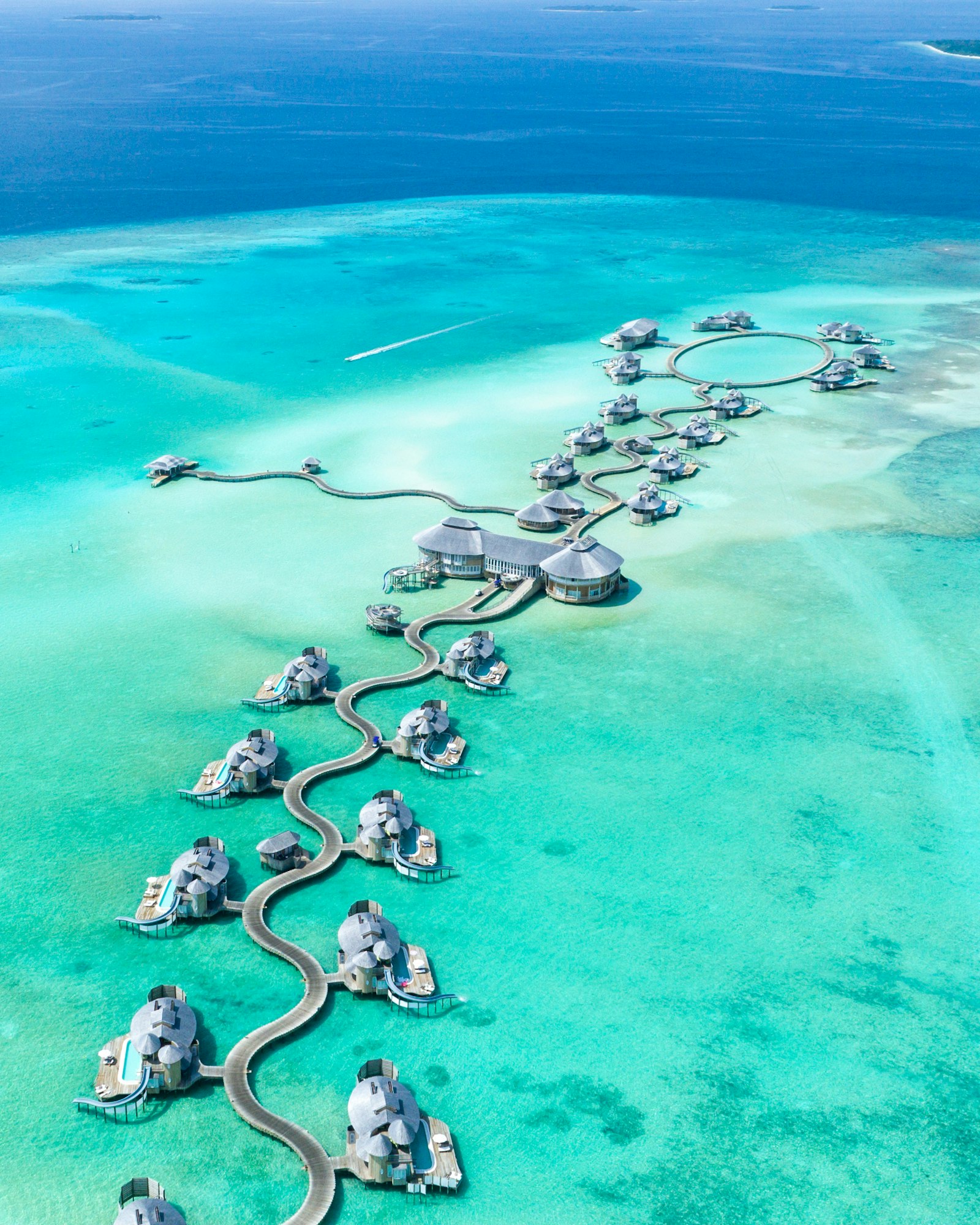
Soneva Jani, Noonu Atoll: Arguably the pioneer in sustainable luxury. Their "no news, no shoes" philosophy extends to serious environmental commitments. They have extensive solar power, a "Waste-to-Wealth" facility, and a resident marine biologist team. Villas here, including their iconic overwater retreats, typically range from $3,000 - $10,000+ USD per night in 2026, depending on the season and villa size. Transfers are usually by seaplane, a scenic 40-minute journey from Malé, costing around $1,100 - $1,300 USD per person round trip.
Pro Tip
When booking Soneva Jani, inquire about their "Soneva Stars" program, which often includes unique sustainability-focused experiences like guided tours of their Eco Centro or marine biology presentations.
Book Soneva Jani
Check Best Prices → -
Gili Lankanfushi, North Malé Atoll: Another leader in barefoot luxury and environmental stewardship. They were one of the first to eliminate plastic, have a strong coral restoration program, and boast an impressive organic garden. A Crusoe Residence or a larger Private Reserve can cost between $1,800 - $5,000+ USD per night in 2026. Being close to Malé, transfers are a quick 20-minute speedboat ride, typically included or costing around $200 - $300 USD per person round trip.
Book Gili Lankanfushi
Check Best Prices → - Six Senses Laamu, Laamu Atoll: Nestled in a remote atoll, this resort is deeply integrated with its natural surroundings. Their Earth Lab is a testament to their waste management and circular economy efforts. They also have an active marine biology team focused on turtle and manta ray conservation. Expect prices for their overwater or beach villas to be in the range of $1,000 - $3,000+ USD per night in 2026. Transfers involve a 35-minute domestic flight to Kadhdhoo Airport, followed by a 15-minute speedboat, costing approximately $450 - $600 USD per person round trip.
-
Baros Maldives, North Malé Atoll: While not exclusively marketed as an "eco-resort" in the same vein as Soneva, Baros has a long-standing commitment to marine conservation and responsible tourism. Their resident marine biologist team has been active for decades, running coral planting programs and educating guests. I've snorkeled this reef dozens of times, and their dedication is evident in the vibrant house reef. Villas here typically range from $800 - $2,500+ USD per night in 2026. A 25-minute speedboat transfer from Malé is usually included or around $200 - $250 USD per person round trip.
Book Baros Maldives
Check Best Prices →
Pro Tip
Always check a resort's website for their specific sustainability report or initiatives. A truly committed eco-resort will be transparent about their efforts and challenges. Don't be afraid to ask direct questions before booking.
Protecting the Jewels: Reef Conservation and Responsible Marine Encounters
The coral reefs are the lifeblood of the Maldives, supporting an incredible diversity of marine life and protecting the islands from erosion. On my last visit to South Ari Atoll, I was reminded once again of the fragility and resilience of these underwater ecosystems. As visitors, we have a profound responsibility to ensure our interactions are positive.
Reef-Safe Sunscreen: Your First Line of Defense
This is non-negotiable. Many common sunscreens contain chemicals like oxybenzone and octinoxate, which are toxic to coral and marine life, contributing to coral bleaching. Even if you don't plan to swim, these chemicals wash off in the shower and enter the ocean.
- Actionable Tip: Purchase mineral-based sunscreens containing non-nano zinc oxide and titanium dioxide before you arrive. Brands like Stream2Sea or Reef Repair are excellent choices, typically costing between $15 - $30 USD per bottle. Most resorts in 2026 are now stocking reef-safe options, but it's best to bring your own to ensure availability and choice.
Responsible Snorkeling and Diving Etiquette
I've seen countless tourists inadvertently damage reefs by standing on coral or touching marine life. It's heartbreaking to witness. Responsible snorkeling and diving are about observation, not interaction.
- Keep Your Distance: Maintain a respectful distance from all marine life. Do not touch, chase, or feed fish, turtles, or manta rays. This stresses the animals and can alter their natural behavior.
- Buoyancy Control: If snorkeling, be mindful of your fins and body position to avoid kicking or scraping coral. For divers, perfect buoyancy control is essential. Consider taking a specialty course if you're new to diving.
- Never Stand on Coral: Coral is a living animal, and even a light touch can cause damage or disease. Use designated entry/exit points or sandy patches if you need to stand.
- Support Local Guides: Many local islands offer snorkeling and diving excursions. Opt for operators who prioritize conservation and educate guests on proper etiquette. They often know the best spots to see marine life without disturbing it.
Many resorts, like Hurawalhi Island Resort in Lhaviyani Atoll, offer guided house reef snorkeling tours with marine biologists who provide invaluable insights into the ecosystem and responsible interaction. For more in-depth guidance, refer to our dedicated guide on Responsible Snorkeling in Maldives 2026: Reef Etiquette.
Participating in Coral Restoration Programs
Several resorts and local NGOs run active coral restoration programs, often involving guests. These projects typically involve attaching coral fragments to frames or ropes, which are then replanted onto damaged reefs.
- How to Help: Inquire with your chosen resort if they offer "adopt-a-coral" programs or coral planting excursions. Prices for these activities can range from $50 - $200 USD, with the proceeds usually funding the ongoing conservation work. I've personally participated in several of these at resorts like W Maldives and found them incredibly rewarding. It's a tangible way to contribute to the reef's recovery. You can learn more about these initiatives in our Maldives Coral Restoration 2026: Adopt-a-Coral Programs guide.
Beyond the Resort: Engaging with Community Tourism
While luxury resorts offer unparalleled experiences, true sustainable travel in the Maldives also involves connecting with the local culture and supporting the Maldivian people directly. Local islands offer a different, equally enriching perspective.
The Rise of Local Island Guesthouses
Over the past decade, the government has allowed guesthouses on inhabited islands, opening up a new dimension of Maldivian travel. This has created economic opportunities for local communities and allows travelers to experience authentic island life.
- Authentic Experience: Staying on an island like Maafushi, Thulusdhoo, or Dhigurah allows you to interact with locals, dine at local cafes, and witness daily life beyond the resort bubble. I often recommend spending a few nights on a local island, perhaps in a guesthouse like Maafushi Island's Arena Beach Hotel, before or after a resort stay. Guesthouse prices typically range from $50 - $150 USD per night in 2026.
- Supporting Local Economy: Your money directly benefits local families, shops, and tour operators. This is crucial for diversifying the Maldivian economy beyond resort tourism.
- Cultural Immersion: Learn about Maldivian customs, traditions, and cuisine. Remember that the Maldives is a Muslim nation, so modest dress is appreciated, especially outside of designated "bikini beaches" on local islands.
Responsible Interactions with Local Communities
- Respect Local Customs: Dress modestly when not on resort property or designated tourist beaches. Alcohol is prohibited on local islands.
- Support Local Businesses: Buy souvenirs from local artisans, eat at local restaurants, and book excursions through local operators.
- Be Mindful of Waste: While local islands are improving, waste management can still be a challenge. Minimize your plastic consumption and dispose of waste responsibly.
Exploring the Baa Atoll, a UNESCO Biosphere Reserve, offers a fantastic blend of resort luxury and local island charm, with a strong focus on marine conservation, especially for manta rays.
Minimizing Your Carbon Footprint: Travel & Beyond
Air travel is inherently carbon-intensive, and reaching the Maldives requires long-haul flights for most visitors. However, there are steps you can take to mitigate your impact.
Carbon Offsetting Your Flights
While not a perfect solution, carbon offsetting is a way to compensate for your flight emissions by investing in projects that reduce greenhouse gases elsewhere.
- Choose Reputable Programs: Look for certified offsetting programs (e.g., Gold Standard, Verified Carbon Standard) that invest in renewable energy, reforestation, or community projects. Many airlines offer offsetting options during booking, or you can use independent platforms.
- Cost: Offsetting a round-trip flight from Europe or North America to the Maldives might cost anywhere from $10 - $50 USD per person, depending on the distance and chosen project. Consider it a small but meaningful investment in your sustainable journey.
Reducing On-Island Carbon Emissions
- Choose Resorts with Renewable Energy: As mentioned, prioritize resorts with significant solar power infrastructure. This directly reduces their reliance on fossil fuels.
- Minimize Seaplane Transfers: While undeniably iconic, seaplanes are more carbon-intensive than speedboats. If your resort is close to Malé (e.g., in North or South Malé Atoll), opt for a speedboat transfer. A 20-minute speedboat transfer to a nearby resort like The St. Regis Maldives Vommuli Resort from Malé typically costs around $300 - $400 USD per person round trip.
- Conserve Energy at Your Accommodation: Simple actions like turning off lights and air conditioning when leaving your room, and limiting long hot showers, all contribute.
The Future of Sustainable Maldives Travel in 2026 and Beyond
The Maldives is at a critical juncture. The commitment to sustainability is growing, driven by both necessity and a desire to preserve its unparalleled beauty. From government initiatives to grassroots community efforts and pioneering resort practices, the push for a greener future is palpable. As a traveler, your choices have power. By opting for eco-conscious resorts, respecting the marine environment, supporting local communities, and minimizing your carbon footprint, you become an active participant in safeguarding this precious paradise. My 15 years of experience here have taught me that responsible travel isn't just about what you gain, but what you help preserve. Let's make every visit count. For more comprehensive planning, explore our general Maldives trip planning resources.
Table: Sustainable Choices at a Glance (2026 Estimates)
| Action | Impact | Estimated Cost/Effort |
|---|---|---|
| Choose Eco-Certified Resort | Significant reduction in environmental footprint, supports conservation | Higher nightly rates ($800-$10,000+ USD) |
| Use Reef-Safe Sunscreen | Protects coral reefs from harmful chemicals | $15-$30 USD per bottle |
| Participate in Coral Planting | Direct contribution to reef restoration | $50-$200 USD per activity |
| Stay on a Local Island | Supports local economy, cultural immersion | $50-$150 USD per night (guesthouse) |
| Carbon Offset Flights | Mitigates flight emissions | $10-$50 USD per person (round trip) |
| Responsible Snorkeling/Diving | Prevents damage to marine life and reefs | Free (requires awareness) |
Frequently Asked Questions About Sustainable Maldives Travel 2026
What is the most sustainable way to get around the Maldives?
For shorter distances, speedboats are generally more sustainable than seaplanes due to lower fuel consumption per passenger. For longer distances to remote atolls, domestic flights followed by a short speedboat transfer can be a more efficient option than seaplanes, which often involve multiple stops. Always inquire about a resort's transfer options and their carbon footprint.
Are all resorts in the Maldives sustainable?
No, not all resorts are equally sustainable. While many are making significant strides, the level of commitment and investment in eco-friendly practices varies widely. It's crucial to research individual resorts, look for certifications, and read their sustainability reports to make an informed choice. My guide highlights some of the leaders in this area.
Can I drink tap water in the Maldives?
Generally, tap water in the Maldives is desalinated seawater and is safe for brushing teeth and showering, but it is not typically recommended for drinking unless explicitly stated by your resort or guesthouse. Most eco-resorts provide filtered, purified drinking water in reusable glass bottles, eliminating the need for single-use plastic bottles. Always confirm with your accommodation.
What should I pack for a sustainable trip to the Maldives?
Pack reef-safe sunscreen, a reusable water bottle, a reusable shopping bag, and modest clothing for visiting local islands. Consider bringing your own toiletries in refillable containers to minimize plastic waste. Light, breathable fabrics are ideal for the tropical climate.
How can I support local communities directly?
Stay at guesthouses on local islands, eat at local restaurants, purchase souvenirs from local artisans, and book excursions through local tour operators. Engaging respectfully with local residents and learning about their culture also contributes to positive community tourism.
Is it possible to visit the Maldives on a budget sustainably?
Yes, absolutely. Staying on local islands in guesthouses is significantly more affordable than resorts and inherently more sustainable as it directly supports local economies. You can still enjoy snorkeling, diving, and other activities by booking with local operators, ensuring your money stays within the community.
What are the biggest environmental challenges facing the Maldives?
The Maldives faces severe threats from climate change, including rising sea levels and increased ocean acidification leading to coral bleaching. Plastic pollution and inadequate waste management are also significant challenges, particularly on uninhabited islands and in congested areas.