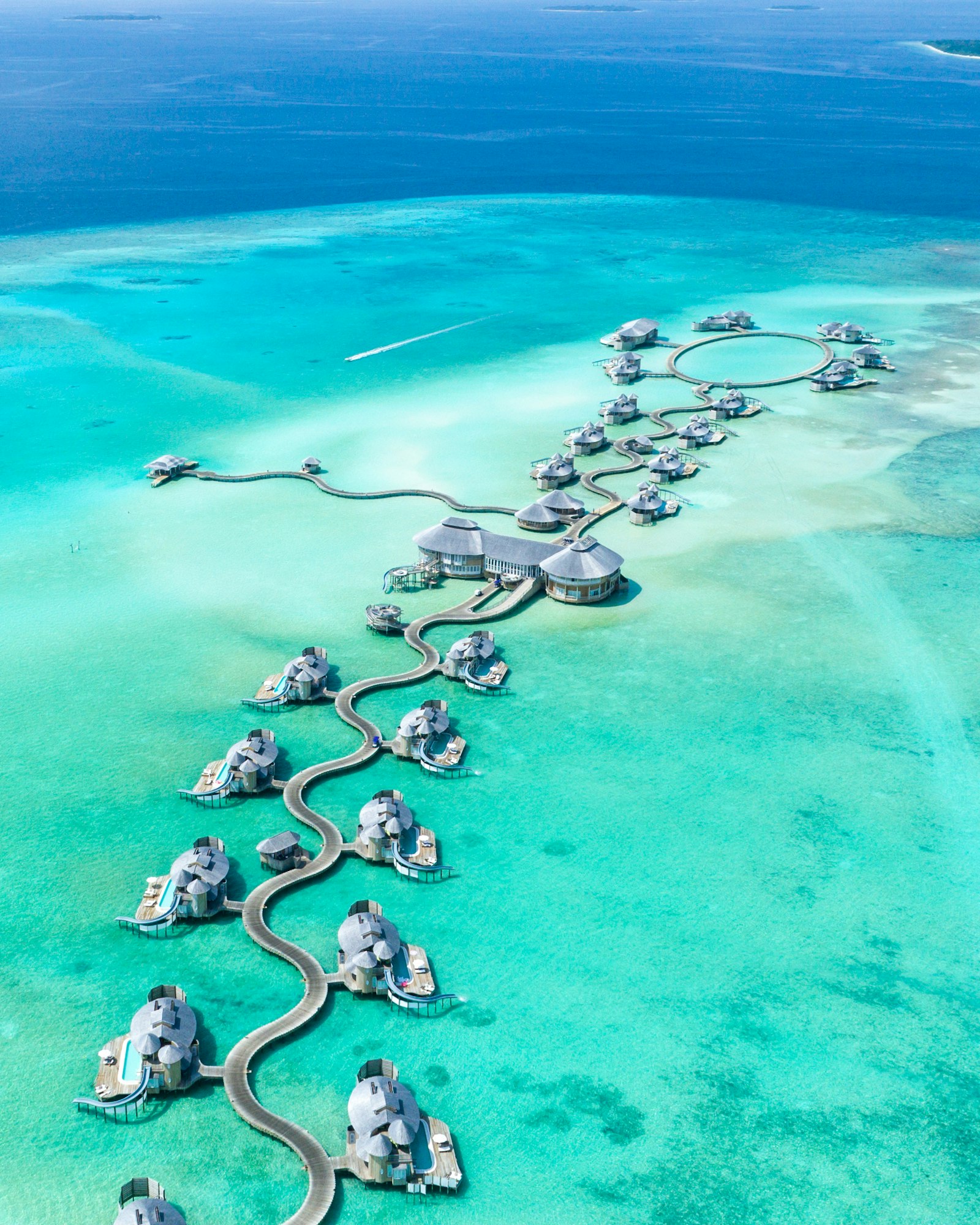
The single most important thing to know: the Maldives has two distinct seasons — dry season (November–April) and wet season (May–October). Dry season means calmer seas, better visibility, and predictable sunshine. Wet season means cheaper prices, fewer crowds, and — if you time it right — manta rays and whale sharks that don't appear in high season. This guide gives you the honest breakdown month by month, including when prices spike and when you can get a $500/night resort for $280.
This comprehensive guide is meticulously crafted for all travelers and trip planners eager to discover the best time to visit Maldives in 2026. You'll learn everything you need to know about the islands' distinct weather patterns, seasonal variations, and how these factors influence pricing and available activities. Our insights will help you navigate the complexities of Maldivian travel, ensuring your 2026 getaway is as perfect as the destination itself.
Maldives Season Overview: When to Go at a Glance
The Maldives is a year-round destination, but timing your visit correctly can significantly enhance your experience and budget. This guide provides a detailed look into the nuances of each season, helping you make informed decisions for your 2026 trip.
- Duration: N/A (Flexible, typically 5-10 days is popular)
- Budget: Varies greatly depending on season and resort choice (from $30/day on local islands to $1500+/day for luxury resorts)
- Best For: All travelers, Trip planners
- What to Expect: Consistently warm tropical climate (27-31°C year-round), two distinct monsoon seasons influencing weather and prices, world-class beaches, vibrant marine life, and unparalleled relaxation.
Month-by-Month Maldives Weather Breakdown
Planning a trip to the Maldives, especially for 2026, requires careful consideration to maximize your enjoyment and manage costs. Here’s a step-by-step guide to help you organize your ultimate Maldivian escape.
How to Choose the Right Month for Your Trip
- Define Your Priorities: Are you seeking perfect sunshine, the best diving conditions, surfing waves, or a budget-friendly escape? Your priorities will dictate the ideal time to visit.
- Research Seasons and Weather: Understand the dry and wet seasons, and how they impact activities and prices. (Detailed in "Best Time to Visit" section below).
- Set Your Budget: Determine your budget range (budget, mid-range, luxury) as this will narrow down resort and activity options.
- Choose Your Atoll/Island: Different atolls offer different experiences. Some are known for surfing, others for marine life, and some for secluded luxury.
- Book Flights and Accommodation: Especially for the dry season, book well in advance (6-12 months) to secure the best rates and availability.
- Plan Transfers: Transfers between Malé International Airport (MLE) and your resort are compulsory and can be via speedboat or seaplane. Book these with your resort or a trusted provider.
- Arrange Activities: Pre-book popular excursions like diving, snorkeling trips, or specific water sports, particularly during peak season.
- Prepare Documentation: Ensure your passport is valid for at least six months beyond your intended departure date. A free 30-day tourist visa is granted on arrival, but you must complete an electronic Traveller Declaration form via IMUGA within 72 hours before both departure and return.
Weather, Crowds & Prices: What Changes by Season
- Weather vs. Price: The best weather (dry season) coincides with the highest prices. The wet season offers better value but with a higher chance of rain.
- Activities: Some activities, like surfing or manta ray sightings, are seasonal.
- Crowds: Peak season (dry season) sees more tourists, while the wet season offers a quieter experience.
- Resort Type: From local guesthouses to ultra-luxury private island resorts, the Maldives caters to all styles, but prices vary significantly.
Recommended Travel Windows
Pro Tip
For dry season travel in 2026, aim to book your resort and international flights 6 to 12 months in advance to take advantage of early bird discounts and ensure availability, especially for popular overwater villas.
- 12+ Months Out: Ideal for luxury bookings, especially for peak dry season (December - April) or special occasions. Start researching resorts and flight deals.
- 6-12 Months Out: Critical booking window for securing good deals across all resort categories for the dry season. Consider flight and resort packages.
- 3-6 Months Out: Still possible to find good options for shoulder seasons (April, May, November) or early wet season. Begin planning specific excursions.
- 1-3 Months Out: Best for wet season travel if you're flexible with dates and weather. Last-minute deals might appear, but choice will be limited. Finalize packing lists and necessary documents.
Best Resorts by Season & Budget
The Maldives offers a spectrum of accommodation, from charming guesthouses on local islands to opulent private island resorts. Your choice will significantly impact your budget and overall experience.
Best Maldives Resorts by Season
The Maldives operates on a "two-system" tourism model: private resort islands and inhabited local islands. Resorts offer exclusive, all-inclusive luxury, while local islands provide a more authentic, budget-friendly experience.
Budget, Mid-Range & Luxury Options by Season
Budget-Friendly (Local Islands / Guesthouses)
Staying on local islands like Maafushi, Gulhi, or Thulusdhoo offers an authentic Maldivian experience at a fraction of the cost of a resort. You'll find guesthouses with clean, basic rooms, often including breakfast. Daily costs can range from $30 - $75 per day.
- Bandos Maldives: An established resort offering an affordable escape with beautiful beaches and a vibrant house reef, easily accessible from Malé.
- Kurumba Maldives: Known for blending timeless island charm with modern comfort, it's considered an affordable luxury option close to Malé International Airport.
- Adaaran Club Rannalhi: Offers one of the most affordable all-inclusive overwater villa experiences.
Good to Know
On local islands, dress modestly when outside your guesthouse or designated 'bikini beach' areas as the Maldives is a Muslim country. Alcohol is generally prohibited on local islands but available at resorts.
Mid-Range (3-4 Star Resorts / Premium Guesthouses)
This budget allows for a mix of local island and resort-style experiences, with better dining and more activities. Expect daily costs between $150 - $400 per day. This often includes beach villas at 3-4 star resorts or premium guesthouses, with options for half-board meals.
- Paradise Island Resort: Offers affordable overwater villas, creating a budget-friendly island escape with crystal-clear lagoons.
- Holiday Inn Kandooma: A popular choice for surfers and families, balancing style with smart savings.
- Sun Siyam Olhuveli: Provides a grand island experience at a more accessible price point.
- Centara Ras Fushi: An adults-only option offering affordable luxury.
- Kuramathi Island Resort Maldives: Offers excellent value, known for its sandbar and honeymoon appeal. From approximately $387 per room per night for two people.
Luxury (5-Star Resorts / Overwater Villas)
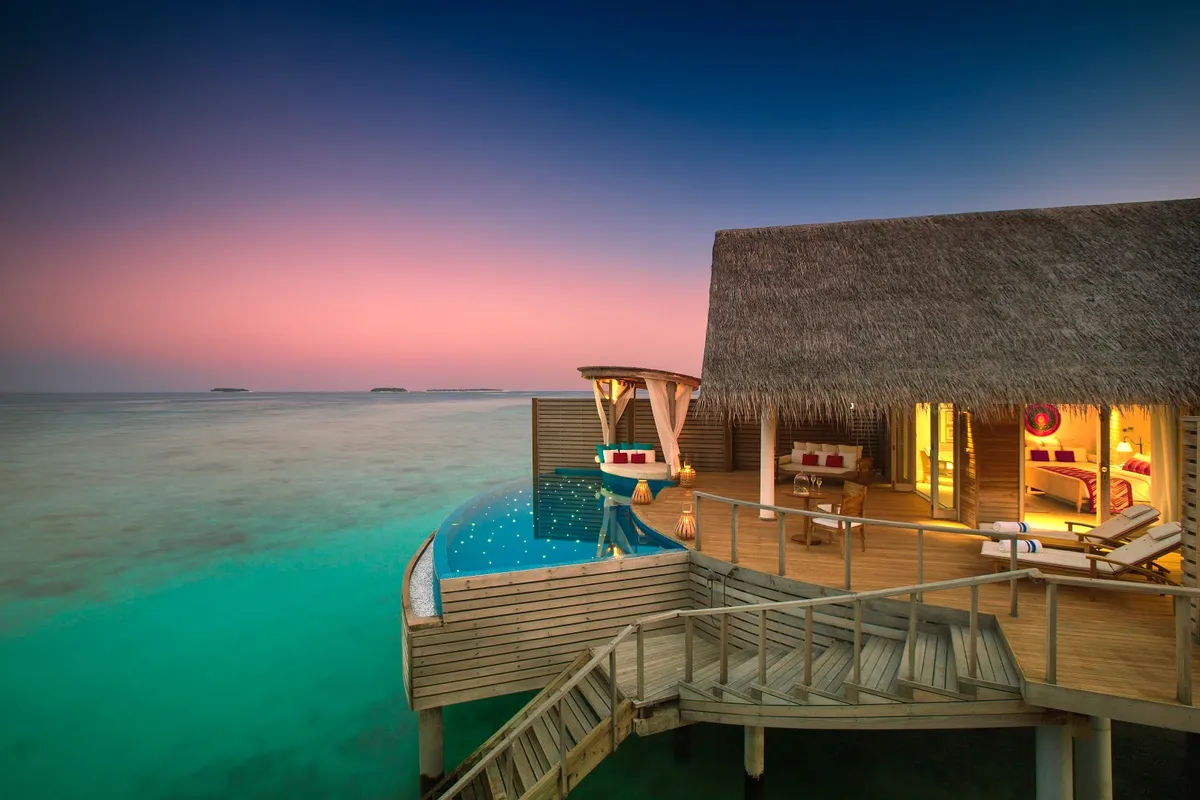
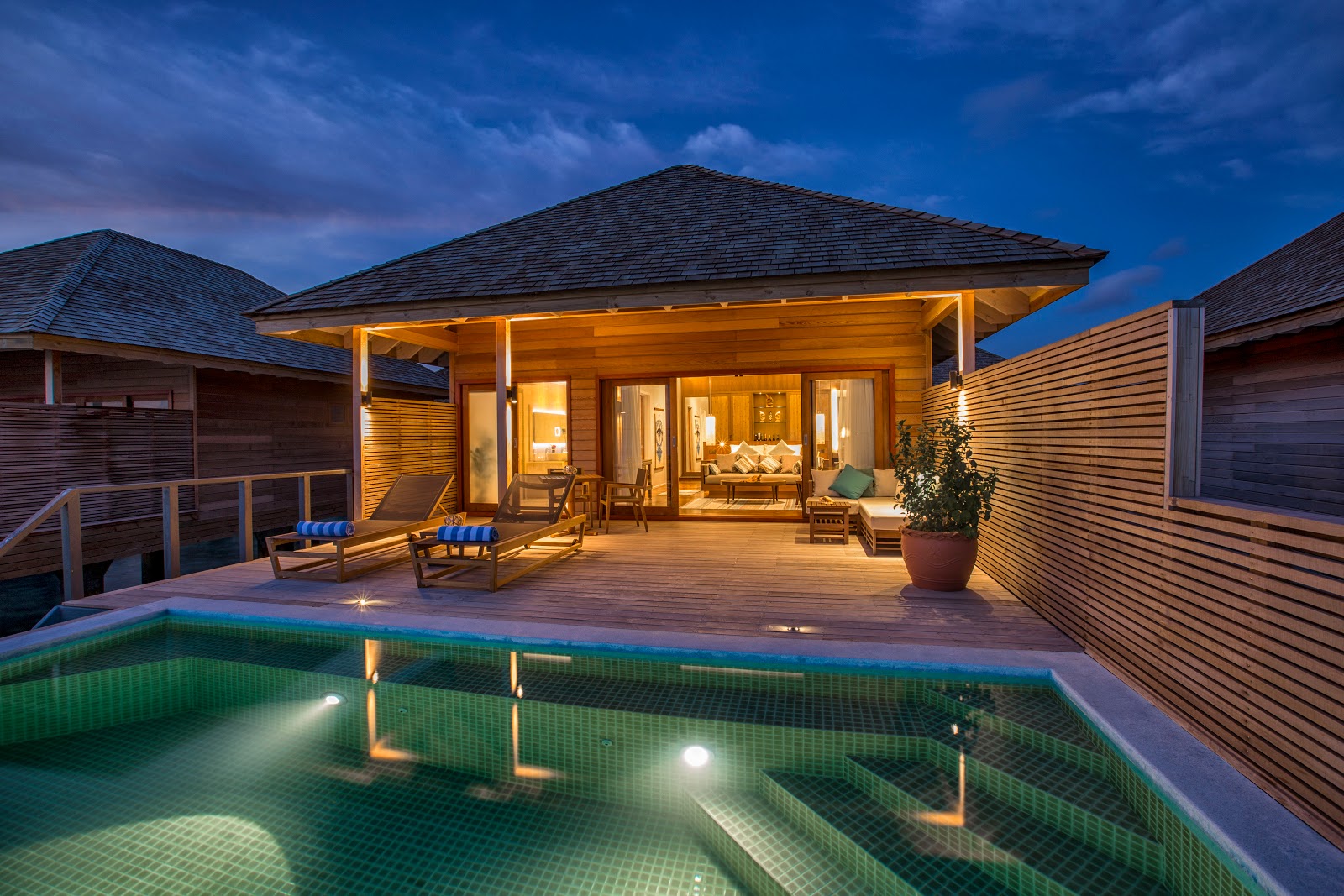
For the quintessential Maldivian experience, luxury resorts offer unparalleled privacy, exceptional service, and unique amenities, often featuring overwater villas with private pools. Daily costs can range from $500 - $1500+ per day. Seaplane transfers are often included or are the primary mode of transport for these resorts.
- JW Marriott Maldives Resort: A luxury option in Shaviyani Atoll, known for its kids' club and treetop dining. From approximately $948 per room per night for two people.
- Ozen Life Maadhoo: Located in South Malé Atoll, it's an all-inclusive resort famous for its underwater restaurant. From approximately $1287 per room per night for two people.
- Ozen Reserve Bolifushi: Offers an all-inclusive, luxurious experience with unique features like water slides. From approximately $1662 per room per night for two people.
- Coco Bodu Hithi: A highly-rated luxury resort.
- Huvafen Fushi Maldives: Known for its exceptional service and unique offerings.
Maldives Cost Guide: Peak vs Off-Peak Prices
While the Maldives is often associated with high-end luxury, it is possible to tailor your trip to various budgets. Here’s an estimated breakdown of costs for a typical Maldivian holiday in 2026.
| Category | Estimated Cost Range (per person, per day/trip) | Notes |
|---|---|---|
| Flights | $800 - $2000+ (round trip) | Varies greatly by origin, airline, and booking time. Direct flights from major hubs typically take 10-11 hours. |
| Accommodation | $30 - $45 (budget guesthouse) $120 - $300 (mid-range resort/guesthouse) $500 - $1200+ (luxury resort) |
Prices are per room per night, for two people. |
| Food & Dining | $10 - $20 (budget on local islands) $40 - $80 (mid-range/resort half-board) $100 - $200+ (luxury resort dining) |
Local island dining is significantly cheaper. Resort meal plans (half-board, full-board, all-inclusive) can offer better value. |
| Activities | $30 - $70 (per activity, e.g., snorkeling tour) $100 - $200+ (per diving excursion) |
Costs vary widely. Many resorts offer complimentary non-motorized water sports. Diving and specialized excursions are extra. |
| Transfers | $30 - $195 (shared speedboat, per way) $290 - $700 (shared seaplane, per way) |
Mandatory for most resorts. Private transfers can be significantly higher. |
| Total (excluding flights) | Varies (e.g., $100 - $2000+ per day) | Highly dependent on your chosen accommodation and activity level. |
Good to Know
The local currency is the Maldivian Rufiyaa (MVR), but US Dollars and Euros are widely accepted in resorts. The exchange rate is approximately 1 USD = 15.45 MVR.
Best Time to Visit Maldives by Activity
Understanding the Maldives' two distinct seasons is crucial for planning your 2026 trip. The islands experience a tropical climate with consistently warm temperatures throughout the year, averaging between 27°C and 31°C.
Best Months at a Glance
Dry Season: December to April (Northeast Monsoon)
This is universally considered the best time to visit Maldives for optimal weather. Characterized by abundant sunshine, minimal rainfall, and low humidity, the dry season offers idyllic conditions for beach activities, swimming, snorkeling, and diving. Sea conditions are typically calm, providing excellent visibility for underwater exploration and smooth transfers.
- December: Marks the beginning of peak season with excellent weather, ideal for honeymooners and festive travel.
- January: Offers very low rainfall and clear skies, perfect for water villa stays and general relaxation.
- February: Often the sunniest month, with roughly 10 hours of sunshine per day, making it superb for diving and snorkeling.
- March: Typically the hottest month, with average temperatures around 29°C (84°F).
- April: A transitional month, still enjoying mostly dry weather, hot temperatures, and clear waters, often considered a good value option before the wet season fully sets in.
Pro Tip
Book your dry season trip at least 6-12 months in advance. Prices are at their highest during this period, especially around Christmas, New Year, and school holidays.
Wet Season: May to November (Southwest Monsoon)
The wet season brings more frequent, though often brief, rain showers, higher humidity, and potentially stronger winds. While it's considered the low season, it still offers plenty of sunshine between showers and significantly lower prices, making it a great option for budget-conscious travelers.
- May: Marks the start of the wet season. You can still expect many sunny days, but with an increased chance of rain.
- June - September: These months typically see the most rainfall and stronger winds, particularly from June to September. However, rain often comes in short, intense bursts, followed by clear skies. This period is also when the biggest swells for surfing are observed.
- October: Can be one of the wettest months in terms of rainfall, averaging around 229mm. However, it's also a shoulder month for surfing.
- November: As the wet season tapers off, skies begin to clear, making it a surprisingly good month for families and couples looking for value before the dry season prices kick in.
What the Weather is Actually Like
The Maldives enjoys a tropical climate year-round, with average daily temperatures consistently warm (27-31°C) and sea temperatures around 28-30°C, perfect for swimming. Humidity is generally higher during the wet season (May-November).
Good to Know
While the wet season sees more rain, downpours are often short-lived tropical showers, leaving plenty of time for outdoor activities. Climate change can make weather patterns harder to predict, so some rain is possible even during the dry season.
Peak Season vs Off-Season: Price & Experience Difference
- Peak Season (December - April):
- Weather: Best, with long hours of sunshine, low humidity, and calm seas.
- Prices: Highest for flights and accommodation.
- Crowds: More tourists, especially around holidays.
- Activities: Ideal for all water sports, sunbathing, snorkeling, and diving due to excellent visibility.
- Off-Season (May - November):
- Weather: Wetter, with higher chance of rain and stronger winds, especially June-September.
- Prices: Significantly lower, offering better value.
- Crowds: Fewer tourists, quieter resorts.
- Activities: Still good for many activities. Excellent for surfing (April-October, peak June-September) and the best chance to see manta rays and whale sharks (typically June-November in areas like Baa Atoll due to plankton blooms).
Practical Tips for Each Season
- Dec-Apr: Dry season, best weather, highest prices. Plan and book well in advance if you want guaranteed sunshine and calm seas.
- May-Nov: Wet season, lower prices, still good. Don't dismiss the wet season! You can still enjoy plenty of sunshine, fewer crowds, and significant savings.
- Jun-Nov: Best for manta rays in Baa Atoll. The southwest monsoon brings plankton-rich waters, attracting these majestic creatures to feeding grounds like Hanifaru Bay in Baa Atoll.
- Mar-Oct: Best for surfing. The main surf season runs from May to September, with the best waves typically seen between April and October, and the biggest swells from June to September.
- Book dry season 6+ months ahead. This is crucial for securing preferred resorts and getting better rates for peak travel.
What to Pack for the Maldives (by Season)
Packing for the Maldives is all about light, breathable clothing and essentials for sun and water. Remember that seaplane transfers often have strict luggage limits (e.g., 20kg checked, 5kg hand luggage).
Essential Maldives Packing Items
- Lightweight Clothing: Swimsuits, shorts, t-shirts, sundresses, sarongs.
- Sun Protection: High-SPF reef-safe sunscreen, wide-brimmed hat, sunglasses.
- Footwear: Flip-flops, sandals, water shoes (for rocky areas or walking on coral).
- Insect Repellent: Especially for evenings or if staying on local islands.
- Basic First-Aid Kit: Band-aids, antiseptic wipes, pain relievers, motion sickness medication.
Snorkelling, Diving & Water Sports Gear
- Snorkeling/Diving: While resorts offer rentals, bringing your own mask and snorkel can ensure a comfortable fit. Consider a rash guard for sun protection while in the water.
- Photography: Underwater camera (GoPro, waterproof phone case), extra batteries, memory cards.
- Reading Material: Books, e-reader for relaxation.
Electronics & Camera Tips for Tropical Travel
- Universal Travel Adapter: The Maldives uses electrical plug types C, D, G, and L (230 Volts).
- Power Bank: For charging devices on the go.
- Waterproof Bag/Pouch: To protect valuables during boat trips or beach outings.
- Small Backpack/Day Bag: For excursions.
Frequently Asked Questions
Do I need a visa to visit the Maldives?
No, most nationalities receive a free 30-day tourist visa on arrival. However, you must have a passport valid for at least six months beyond your intended departure date and complete an electronic Traveller Declaration form via IMUGA within 72 hours before both your arrival and departure.
What is the currency in the Maldives and should I bring USD?
The local currency is the Maldivian Rufiyaa (MVR). However, US Dollars are widely accepted at all resorts, and Euros are also commonly used. It's advisable to carry some smaller USD denominations for tips or purchases at local shops.
Is the Maldives safe for tourists?
The Maldives generally has a low crime rate, and crime on resort islands is rare. However, it's always wise to exercise a high degree of caution due to the threat of terrorism in public places and tourist locations. Be aware of strong tidal currents in the sea and always take local advice before swimming. Penalties for drug possession are severe.
Can I drink alcohol in the Maldives?
Alcohol consumption is prohibited for locals in the Maldives due to it being a Muslim country. However, tourists are permitted to drink alcohol within the licensed resorts and on liveaboard boats. It is not available on local inhabited islands.
What are the best atolls for different activities?
The Maldives is made up of 26 atolls. North Malé Atoll Planning a short trip? Our 3-day Maldives itinerary covers exactly what to do and what it costs. is popular for its accessibility and a wide range of resorts. South Ari Atoll is renowned for whale shark sightings. Baa Atoll (a UNESCO Biosphere Reserve) is famous for manta ray aggregations, particularly during the wet season. For surfing, the Malé Atolls, Central Atolls, and Southern Atolls all offer different breaks, with peak surf season generally from May to September.
How do I get to my resort from Malé International Airport (MLE)?
Transfers are typically arranged by your resort and are compulsory. Depending on your resort's location, you will travel by speedboat (for nearby resorts, usually within 60-90 minutes) or seaplane (for more distant resorts, offering breathtaking aerial views). Speedboat transfers typically cost $30-$195 per adult, while seaplane transfers range from $290-$700 per adult for shared services.
What is the time difference in the Maldives?
The Maldives operates on Maldivian Time (MVT), which is UTC+5. Some resorts may observe their own 'island time,' often an hour ahead of Malé time, to maximize daylight for guests.