Maldives Snorkelling Guide 2026: Best Spots, House Reefs & What to See
Welcome to the ultimate guide for snorkelling in the Maldives in 2026! As a diving instructor and travel writer, I’ve witnessed firsthand the unparalleled beauty beneath the Maldivian waves. This guide is your essential companion to discovering the best house reefs, encountering incredible marine life, and making the most of your underwater adventure in this island paradise. underwater photography tips Maldives other water activities Maldives snorkelling with kids Maldives best resorts for snorkelling Maldives
Why Snorkelling in the Maldives is World-Class
The Maldives consistently ranks among the world's premier snorkelling destinations, and for good reason. This archipelago, comprising 1,192 coral islands grouped into 26 atolls, offers an underwater spectacle unlike any other.
- Crystal-Clear, Warm Waters: The Indian Ocean surrounding the Maldives boasts exceptional water clarity and comfortable temperatures, averaging 26-30°C (82-86°F) year-round. This allows for incredible visibility, often extending 20-30 meters, making it easy to spot marine life and vibrant coral formations.
- Abundant Marine Biodiversity: With over 2,000 species of fish, more than 200 coral species, and a rich variety of invertebrates, the Maldivian reefs are teeming with life. You'll encounter everything from tiny, colourful reef fish to majestic manta rays and the gentle giants of the ocean, whale sharks.
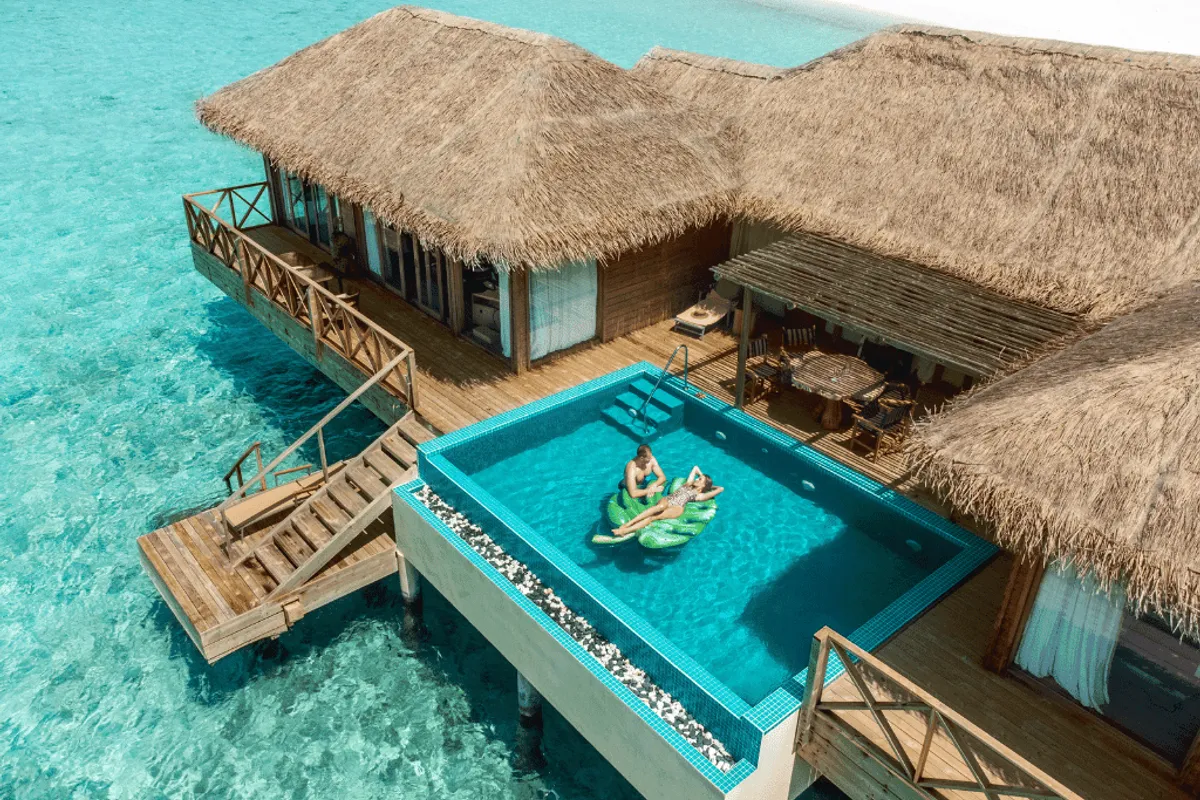
- Accessible House Reefs: What truly sets the Maldives apart is the accessibility of its house reefs. Many resorts are built directly alongside these vibrant ecosystems, allowing you to step straight from your beach villa or overwater bungalow into a thriving underwater world. This ease of access makes snorkelling a spontaneous and effortless activity, perfect for all ages and skill levels.
- Year-Round Paradise: While certain months offer peak conditions for specific sightings, the Maldives remains a fantastic snorkelling destination throughout the year, ensuring a memorable experience whenever you visit.
House Reefs vs. Dive Sites: Your Snorkelling Advantage
When planning your Maldivian underwater adventures, you'll often hear about both house reefs and dive sites. For snorkelers, understanding the distinction is key to choosing your perfect spot.
House Reefs: Your Underwater Backyard
A house reef is the coral reef system immediately surrounding an island or resort. In the Maldives, many islands are encircled by these natural barriers, creating shallow, protected lagoons that gradually slope into deeper drop-offs. These are ideal for snorkelers because:
- Easy Access: You can often walk directly from the beach or descend stairs from your water villa to begin snorkelling. No boat trips are typically required.
- Beginner-Friendly: The calm, shallow waters of the lagoons are perfect for beginners to get comfortable with their gear and practice their technique.
- Rich Marine Life: Despite their accessibility, house reefs are incredibly biodiverse, hosting a wide array of colourful reef fish, juvenile sharks, turtles, and even rays.
- Flexibility: You can snorkel whenever you please, for as long or as short a time as you like, without needing to adhere to excursion schedules.
Dive Sites: Deeper Exploration (Often Accessible to Snorkelers Too)
Dive sites are specific locations, often pinnacles (thilas), channels, or outer reef walls, known for particular marine encounters or unique coral formations. While primarily for scuba divers, many dive sites also offer incredible snorkelling opportunities, especially those with shallower sections or where pelagic species frequent the surface.
- Boat Trips: Reaching dive sites usually requires a boat excursion, often organised by your resort's dive centre.
- Larger Marine Life: These sites are often where you'll have higher chances of encountering larger pelagic species like manta rays and whale sharks, especially at cleaning stations or feeding grounds.
- Varied Topography: Dive sites can feature dramatic drop-offs, overhangs, and caves, offering a different perspective than a typical house reef.
For snorkelers, the beauty of the Maldives is that you don't need to venture far to witness spectacular marine life. The house reefs themselves are often world-class aquariums.
What You'll See: A Kaleidoscope of Maldivian Marine Life
The Maldivian underwater world is a vibrant tapestry of colours and forms. Here’s a glimpse of the incredible creatures you’re likely to encounter:
Blacktip Reef Sharks
These sleek, identifiable sharks are a common and exciting sight in the Maldives. Blacktip reef sharks are often found patrolling the shallow sandy flats and reef edges, making them easily visible to snorkelers. They are generally shy and pose no threat to humans, adding an exhilarating, yet safe, element to your snorkelling experience. Resorts like Vilamendhoo and Angaga are known for sightings in their shallow reef flats.
Green Turtles & Hawksbill Turtles
Graceful and ancient, sea turtles are a beloved sight. The Maldives is home to a significant population of turtles, with hawksbill sea turtles being particularly common on the reefs. Green turtles also graze in seagrass beds. You can often spot them gliding effortlessly over corals or surfacing for air. Many resorts offer dedicated "turtle safaris" for guaranteed encounters.
Manta Rays
Swimming alongside a majestic manta ray is often a bucket-list experience, and the Maldives offers some of the best opportunities globally. These gentle giants, with wingspans up to seven meters, gather in plankton-rich waters to feed. Hanifaru Bay in Baa Atoll, a UNESCO Biosphere Reserve, is world-renowned for hosting massive aggregations of manta rays between May and November. South Ari Atoll also offers reliable manta ray sightings, particularly at cleaning stations.
For a deeper dive into these magnificent creatures, check out our Maldives Manta Ray Guide.
Whale Sharks
The largest fish in the ocean, whale sharks are filter feeders and completely harmless to humans, making snorkelling with them an awe-inspiring experience. The South Ari Atoll is famous for year-round whale shark sightings, especially around "Whale Shark Point" near Dhigurah and Maamigili. While less predictable, whale sharks can also be spotted in Hanifaru Bay (Baa Atoll) during the southwest monsoon (May-November) when plankton levels are high.
Plan your encounter with these gentle giants using our Maldives Whale Shark Guide.
Napoleon Wrasse (Humphead Wrasse)
Easily identifiable by their large size, prominent hump on their forehead, and thick lips, Napoleon wrasse are a captivating sight. These impressive fish can grow quite large and are a special encounter for snorkelers. They are sometimes seen on house reefs, such as at Reethi Beach.
Colourful Reef Fish
The sheer diversity of reef fish will mesmerise you. Expect to see a dazzling array of species, including:
- Parrotfish: Recognisable by their beak-like mouths and vibrant colours (greens, blues, purples, yellows), parrotfish play a crucial role in the ecosystem by grazing on algae and creating the Maldives' iconic white sand.
- Angelfish: Such as the blueface angelfish and emperor angelfish, with their intricate patterns and striking blue and yellow stripes.
- Butterflyfish: Small to medium-sized, often seen in pairs, with long snouts used for feeding on coral polyps.
- Surgeonfish: Including the vibrant powder blue tang and unicornfish, known for their scalpel-like spines at the base of their tails.
- Moorish Idols: Elegant fish with distinctive black, white, and yellow stripes and long dorsal filaments.
- Anemonefish: The famous "Nemo" fish, often found hiding amongst the tentacles of sea anemones. The Maldive anemonefish is endemic to the archipelago.
- Snappers: Like the bright yellow and blue bluestripe snapper.
- Moray Eels: Often spotted peeking out from crevices in the reef.
- Triggerfish: Including the striking clown triggerfish, known for its bold patterns.
Best Snorkelling Resorts with Famous House Reefs
Choosing a resort with an exceptional house reef can elevate your Maldivian snorkelling experience. Here are some of the top resorts renowned for their accessible and vibrant underwater worlds:
Ellaidhoo Maldives by Cinnamon (North Ari Atoll)
Ellaidhoo is celebrated for having one of the best house reefs in the Maldives, easily accessible directly from the beach and bungalows. Snorkelers consistently report seeing an abundance of marine life, including sharks, rays, turtles, and a wide variety of colourful fish, making it an excellent choice for daily underwater exploration. The resort is particularly good for beginners due to the ease of access and rich marine encounters.
Angaga Island Resort & Spa (South Ari Atoll)
Angaga boasts an excellent and easily accessible house reef, making it ideal for both beginners and experienced snorkelers. The reef is just a few steps from the beach, and guests frequently encounter colourful reef fish, rays, turtles, and blacktip reef sharks. Despite past coral bleaching events, the corals are recovering nicely, with new hard coral growth. The South Ari Atoll location also means it's within an area regularly visited by manta rays and whale sharks.
Mirihi Island Resort (South Ari Atoll)
Mirihi is a tiny, luxurious island renowned for its extensive house reef, stretching almost 6 km in length and easily accessible from any part of the island. Snorkelers can expect to see surgeonfish, colourful parrotfish, blacktip reef sharks, and even rare snowflake morays. Manta rays are also a common sight on Mirihi's house reef. The resort actively participates in coral regeneration programs, contributing to the reef's health.
Vilamendhoo Island Resort & Spa (South Ari Atoll)
Vilamendhoo is a must-visit for snorkelling enthusiasts, particularly known for its shallow reef flats where sea turtles and blacktip sharks are frequently spotted. Located at the southeastern edge of Ari Atoll, it offers fantastic opportunities to explore a vibrant underwater world right from the island's edge.
Komandoo Island Resort & Spa (Lhaviyani Atoll)
Komandoo is an excellent choice for beginners looking to build confidence in snorkelling, offering warm, shallow lagoons perfect for practice. The resort provides basic snorkelling lessons and guided house reef tours, where you can discover amazing reef life and potentially spot resident turtles. The marine life here is one of the Maldives' greatest treasures, making it a shame to miss.
Banyan Tree Vabbinfaru (North Male Atoll)
Banyan Tree Vabbinfaru offers an excellent house reef for snorkelling and diving, located very close to the shore with a dramatic drop-off just a few meters out. Guests frequently spot a huge variety of colourful fish, reef sharks, and resident turtles. The resort is committed to marine conservation, featuring an on-site marine lab and offering activities like coral planting. Guests also have complimentary speedboat access to its sister island, Dhawa Ihuru, which boasts another impressive house reef and the renowned Rannamaari shipwreck.
Reethi Beach Resort (Baa Atoll)
Reethi Beach Resort is a snorkeler's heaven, featuring a superb house reef that runs for approximately 3 km. It's easily accessible from the beach and water villas, allowing for spontaneous snorkelling sessions. The reef is teeming with varied fish life, including massive schools and large species like the Napoleon wrasse. Located in Baa Atoll, it also offers proximity to the famous Hanifaru Bay for seasonal manta ray encounters.
Gear Tips: What to Bring & What to Rent
Having the right gear can significantly enhance your snorkelling experience. Here's what to consider:
- Mask: A well-fitting mask is paramount for clear vision and comfort. If possible, bring your own mask that you know fits perfectly to avoid leaks and discomfort. Test it by pressing it to your face and inhaling through your nose; it should stick without holding it.
- Snorkel: A good quality snorkel with a comfortable mouthpiece and a splash guard or dry top can prevent water from entering.
- Fins: Fins are essential for snorkelling in the Maldives, especially given the potential for ocean currents. They help conserve energy and allow you to move efficiently. Full-foot fins are often recommended for beginners.
- Rental vs. Own: Most resorts and local shops offer equipment rental, which is convenient if you don't want to pack bulky items. However, renting can sometimes mean a less-than-perfect fit, and daily rental costs can add up (e.g., around $5 per day for a set, or buying for $35). For optimal comfort and hygiene, bringing your own mask and snorkel is often preferred.
- Reef-Safe Sunscreen & Rash Guard: The Maldivian sun is incredibly strong. Protect your skin with reef-safe sunscreen (to avoid harming corals) and consider wearing a rash guard or sun-protective swimwear, which also reduces the need for excessive sunscreen.
- Full-Face Snorkelling Masks: While popular, many experts and dive centres in the Maldives do not recommend full-face snorkelling masks due to potential safety concerns related to CO2 buildup and breathing resistance. Stick to traditional mask and snorkel sets.
Best Months for Visibility & Marine Encounters
The Maldives experiences two main seasons, both offering unique snorkelling advantages:
- Dry Season (December to April): Best for Visibility
This period, influenced by the northeast monsoon, brings calm seas, sunny skies, and the clearest water conditions. With less plankton in the water, visibility is at its peak, making it ideal for exploring vibrant coral reefs and spotting a wide array of colourful fish. February and March are typically the driest months. This season is perfect for those prioritising crystal-clear views and stable snorkelling conditions. - Wet Season (May to November): Best for Large Marine Species
The southwest monsoon characterises this season, bringing more plankton into the water. While this can slightly reduce overall visibility, it acts as a magnet for large marine animals like manta rays and whale sharks, which come to feed on the rich nutrients. Hanifaru Bay in Baa Atoll, for instance, sees its largest manta ray gatherings between May and November. Rain showers are often short-lived tropical bursts, followed by periods of sunshine.
General Tip: Regardless of the season, early mornings are often the calmest time for snorkelling, offering the best visibility and fewer crowds.
Night Snorkelling: A Glimpse into the Nocturnal Reef
As the sun sets and darkness descends, the Maldivian reefs undergo a magical transformation, revealing a hidden world of nocturnal marine life. Night snorkelling offers a unique and unforgettable perspective on the underwater ecosystem.
There are generally two types of night snorkelling experiences:
- Standard Night Snorkelling: Using regular underwater torches, you can observe corals and marine creatures in their nocturnal habitat. Many fish that are active during the day will be sleeping in crevices, while other species, like huge-eyed squirrelfish, soldierfish, scavenging molluscs, crustaceans, and moray eels, emerge to hunt. Sharks can also be more active at night.
- Fluorescent Night Snorkelling (Fluo Snorkelling): This truly otherworldly experience uses special fluorescent lights and mask filters to reveal the incredible phenomenon of bioluminescence. Corals and certain marine creatures absorb the UV light and re-emit it in vibrant, glowing colours, transforming the reef into a surreal, glowing landscape.
Resorts like Dhigali Maldives, Park Hyatt Maldives, Niva Velassaru, and Baros Maldives offer guided night snorkelling excursions. These tours are typically led by experienced guides or marine biologists who provide safety briefings and special equipment.
Safety Tips for Night Snorkelling:
- Go Guided: Always join a guided tour with experienced professionals. Never snorkel alone at night.
- Check Conditions: Ensure sea conditions are calm and the weather is suitable.
- Assess Your Ability: Night snorkelling requires a good level of comfort and swimming ability in open water, especially in low-light conditions. It's not recommended for your very first snorkelling experience.
- Follow Instructions: Pay close attention to your guides' safety instructions and guidelines.
- Stay Close: Remain close to your buddy and the guide.
- Appropriate Gear: Use a reliable underwater flashlight (provided by the tour) and consider a long-sleeved rash guard for warmth once out of the water.
- Avoid Touching: Refrain from touching any marine life or coral.
Frequently Asked Questions (FAQ)
Q1: Is snorkelling in the Maldives safe for beginners?
A: Yes, the Maldives is exceptionally safe for beginners. The warm, crystal-clear, and often shallow lagoons provide ideal conditions for learning and building confidence. Many resorts offer complimentary snorkelling lessons and guided house reef tours with experienced staff who can provide safety tips and show you the best spots. Always wear fins and consider a life jacket if you're not a strong swimmer.
Q2: Do I need to be a strong swimmer to snorkel in the Maldives?
A: While being comfortable in the water and able to swim is beneficial, the shallow lagoons allow non-swimmers to experience marine life where they can stand. However, if you plan to venture to deeper reef areas or participate in boat excursions, basic swimming ability is recommended. Always wear a life jacket, snorkel with a buddy, and consider guided tours, especially if you're not a strong swimmer.
Q3: What's the difference between a house reef and a dive site for snorkelling?
A: A house reef is the coral reef directly surrounding your island or resort, offering easy, often direct, access from the beach or your villa. Dive sites are specific locations, usually further out, known for particular marine life or formations, typically requiring a boat trip. While dive sites can offer incredible snorkelling, especially for larger pelagics, the house reefs in the Maldives are often so vibrant that they provide world-class snorkelling right at your doorstep.
Q4: How strong are the currents in the Maldives, and how can I stay safe?
A: Ocean currents in the Maldives can vary and sometimes be strong, especially at channel mouths or reef drop-offs. To stay safe:
- Wear Fins: Fins are essential for navigating currents and conserving energy.
- Check Conditions: Always check with your resort's dive centre or local guides about current conditions and recommended snorkelling areas before entering the water.
- Snorkel with a Buddy: Never snorkel alone.
- Stay Aware: Keep an eye on the shore to ensure you're not drifting too far.
- Don't Fight Currents: If caught in a strong current, remain calm. Don't try to swim directly against it. Instead, swim parallel to the shore until you are out of the current, then swim towards the beach.
Q5: What is the typical cost of snorkelling in the Maldives?
A: Snorkelling from your resort's house reef is generally free of charge for guests, with equipment often available for rent or sometimes included. Equipment rental can cost around $5 per day for a mask, snorkel, and fins, or you can purchase a set for about $35. Guided snorkelling excursions to specific spots or for unique encounters (like manta rays or whale sharks) will incur additional costs. Whale shark tours, for example, can range from approximately $100 per person from local islands to around $260 per person from luxury resorts.
The Maldives truly offers an unparalleled snorkelling experience, a vibrant underwater world waiting to be explored. Whether you're gliding over a bustling house reef or venturing out to encounter majestic pelagics, the memories you create here will last a lifetime. Remember to respect the marine environment, stay safe, and immerse yourself fully in this aquatic paradise.
For those interested in exploring deeper, consider our best diving resorts guide.