Maldives Manta Ray Guide 2026: Best Spots, Seasons & Responsible Travel
Welcome, fellow ocean enthusiasts and discerning travelers, to the ultimate guide to encountering the majestic manta rays of the Maldives in 2026. As a marine biologist and travel writer, I can confidently say that the Maldives stands as the undisputed world capital for manta ray encounters. This archipelago, a shimmering string of atolls in the heart of the Indian Ocean, offers unparalleled opportunities to witness these gentle giants in their natural habitat, from breathtaking feeding frenzies to serene cleaning station visits. snorkelling with manta rays manta rays in Raa Atoll diving with manta rays June manta ray season Maldives July manta ray peak Baa Atoll manta rays in May Maldives
The allure of the Maldives lies not just in its pristine beaches and luxurious resorts, but in its vibrant underwater world, particularly its thriving manta ray populations. Every year, thousands flock here, drawn by the promise of swimming alongside creatures with wingspans that can rival small cars, an experience that is nothing short of transformative. This guide will equip you with all the essential knowledge for a responsible, unforgettable manta ray adventure, covering everything from identifying the species to the best times and places to witness their grace.
Manta Ray Species in the Maldives: Reef vs. Oceanic
While the term "manta ray" is often used broadly, it's important to recognize that there are two distinct species, both found in the Maldivian waters: the smaller, more commonly sighted reef manta ray and the elusive, colossal oceanic manta ray. Understanding their differences enhances the appreciation of these magnificent creatures.
Reef Manta Ray (Mobula alfredi)
The reef manta ray, Mobula alfredi, is the species you are most likely to encounter during your Maldivian adventure. These magnificent creatures are year-round residents of the Maldivian atolls, migrating across the country's 26 atolls in sync with the changing monsoons and the resulting shifts in zooplankton abundance.
- Size: Reef mantas typically have a wingspan of up to 4.5 meters (15 feet), though individuals up to 4 meters are commonly sighted.
- Coloration: They usually exhibit a black dorsal (topside) surface with two white, triangular-shaped patches across the top of the head, forming a distinct 'Y' shape. Their ventral (underside) surface is predominantly white with varying degrees of black spots, often found between their gill slits.
- Habitat: As their name suggests, reef mantas prefer shallower, coastal areas and spend their lives resident to specific reefs and atolls. They are frequently observed at cleaning stations and feeding in nutrient-rich lagoons.
- Population: The Maldives boasts the largest known population of reef manta rays in the world, with over 6,000 individuals identified by the Maldives Manta Conservation Programme (MMCP) through photo-identification.
Oceanic Manta Ray (Mobula birostris)
The giant oceanic manta ray, Mobula birostris, is the larger and more pelagic of the two species. While less frequently encountered within the atolls, they are present in Maldivian waters, particularly in the deeper, open ocean areas.
- Size: Oceanic mantas are truly giants, with wingspans that can reach up to 6.8 meters (22 feet).
- Coloration: They often have a distinct 'T'-shaped shoulder pattern on their dorsal side. Their ventral surface is typically white, but with dark mouths and dark bands along the edges of their pectoral fins. Spots are rarely found between their gill slits.
- Habitat: These mantas inhabit deeper, offshore waters, traversing vast stretches of the open ocean. Encounters with oceanic mantas are more common in the far southern atolls, where they patrol offshore cleaning stations.
- Population: The Maldives also hosts the third-largest population of oceanic manta rays globally, with over 1,000 individuals identified, though this population appears more transient.
Best Manta Ray Hotspots in the Maldives
The Maldives offers a plethora of incredible locations to encounter manta rays, each with its unique charm and seasonal highlights. The movement of mantas is largely dictated by the monsoons, which influence the distribution of their primary food source: zooplankton.
Baa Atoll: Hanifaru Bay UNESCO Biosphere Reserve
Undoubtedly the most famous manta ray hotspot in the Maldives, and arguably the world, is Hanifaru Bay in Baa Atoll. This UNESCO Biosphere Reserve is a legally designated Marine Protected Area, renowned for its spectacular seasonal aggregations of manta rays and whale sharks.
- The Phenomenon: Hanifaru Bay's unique funnel shape, approximately 1300 meters long, acts as a natural trap for plankton during the southwest monsoon. Strong lunar tides push against the monsoon current, concentrating the plankton into a dense "soup" that attracts hundreds of mantas, sometimes over 200 at a time, for a feeding frenzy.
- Best Season: The peak season for manta ray aggregations in Hanifaru Bay runs from May to November, coinciding with the southwest monsoon. The absolute best encounters typically occur between July and October, with particularly high activity around the full and new moons when tidal forces are strongest.
- Activities: To protect this fragile ecosystem, scuba diving is strictly prohibited within Hanifaru Bay. However, snorkeling with mantas here is a world-class experience, allowing you to witness their mesmerizing barrel rolls and cyclonic feeding formations up close in shallow waters (1-6 meters). Visitors must be accompanied by a specially qualified guide and adhere to strict rules, including a maximum 45-minute snorkeling session and a daily visitor limit.
- Nearby Hotspots: Also on Baa Atoll's east side, Dharavandhoo Corner is a cleaning station that offers excellent manta ray diving opportunities, unlike Hanifaru Bay where only snorkeling is permitted.
For those seeking luxury and convenient access to Hanifaru Bay, consider exploring our curated list of Baa Atoll resorts.
South Malé Atoll
While not as famous for mass aggregations as Hanifaru Bay, South Malé Atoll offers consistent manta ray sightings, particularly at cleaning stations. These sites provide a more predictable environment for divers to observe mantas.
- Key Sites: Embudhoo Express is one notable site in South Malé Atoll where manta rays can be found, sometimes even bucking the general monsoon trends.
- Seasonality: Manta ray sightings in South Malé Atoll can occur throughout the year, with specific cleaning stations attracting them during different monsoon periods.
Ari Atoll (North and South)
Ari Atoll, one of the largest natural atolls in the Maldives, is another prime destination for manta ray encounters, boasting both cleaning stations and feeding grounds. It's unique in offering year-round possibilities for spotting mantas and whale sharks.
- South Ari Atoll: This region is particularly renowned for year-round whale shark sightings, and also offers excellent manta ray opportunities. Sites like Rangali Madivaru (also known as Manta Point), Kudarah Thila, and Dhigurah Falhu are significant. Rangali Madivaru is known for courtship, mating behavior, and pregnant females between January and April. Dhigurah Falhu is an important sheltering location for juvenile reef mantas, with aggregations in June and December.
- SW Monsoon (May-November): Mantas are typically found along the east of the atoll at sites like Dhiggaru Kandu, Mahibadhoo Kandu, and Dhigurah Falhu and Kandu.
- NE Monsoon (December-April): Sightings are good on the west of the atoll, including Moofushi Beyru, Rangali Madivaru, and Maavaru Kandu. The peak viewing time is often February to April.
- North Ari Atoll: This area also features excellent dive sites. Ukulhas Thila, on the northern rim of Ari Atoll, is famous for mantas frequenting its cleaning station. Panettone Thila on the eastern side is good for mantas in February and March.
To discover luxurious stays with easy access to these incredible sites, explore our selection of Ari Atoll resorts.
North Malé Atoll
As the gateway to the Maldives, North Malé Atoll is highly accessible and offers world-class diving with consistent manta ray encounters, particularly at its renowned cleaning stations.
- Lankan Manta Point (Lankan Reef): This is North Malé Atoll's iconic manta ray cleaning station, located on the east side. It comes alive during the southwest monsoon, from May to November, offering spectacular sightings of mantas hovering to be cleaned. It's easily accessible from Malé International Airport.
- Bodu Hithi Thila: Located on the western side of North Malé Atoll, this large thila attracts manta rays for feeding and cleaning between December and April, during the northeast monsoon.
- Seasonality: Manta Point is best during the SW monsoon (May-November), while Bodu Hithi Thila is active during the NE monsoon (December-April).
Other Notable Atolls
While Baa, Ari, and North Malé Atolls are primary hotspots, manta rays can be found in other parts of the Maldives, demonstrating their widespread presence across the archipelago.
- Raa Atoll: Sola Corner is a popular cleaning station on the western edge of Raa Atoll, favored by manta rays during the northeast monsoon (December to April).
- Lhaviyani Atoll: Fushifaru Thila, within a protected marine park, is the main manta ray cleaning station in Lhaviyani Atoll and is known for reliable sightings during both monsoon seasons.
- Addu Atoll: Located in the far south, Addu Atoll offers year-round manta ray sightings, with a known cleaning station called Manta Point.
Manta Ray Seasonality: Understanding the Monsoons
The Maldives experiences two distinct monsoon seasons, which play a crucial role in the movement and aggregation of manta rays. These monsoons dictate the ocean currents, which in turn influence the distribution of the plankton that mantas feed on.
Southwest Monsoon (Hulhangu): May to November
This period is often referred to as the "wet season," but don't let that deter you. While it brings more rain, it also brings the most spectacular manta ray aggregations.
- Plankton Blooms: During the southwest monsoon, winds and currents push nutrient-rich water from the deep Indian Ocean into the Maldivian channels, fueling explosive plankton growth.
- Manta Movement: Manta rays follow this plankton buffet, congregating on the eastern sides of the atolls. This is why Hanifaru Bay in Baa Atoll, located on the eastern edge, experiences its peak manta activity during these months, especially from July to October.
- Conditions: While seas can be choppier on the western atoll sides, mornings often start clear, with afternoon showers that typically last 30-60 minutes before sunshine returns. Water temperatures remain warm (28-29°C), and visibility averages 15-25 meters.
Northeast Monsoon (Iruvai): December to April
This is traditionally considered the "dry season" or peak tourist season, characterized by calmer seas and more consistent sunshine.
- Plankton Distribution: During the northeast monsoon, the winds drive currents to the west, leading to greater productivity and more manta sightings on the western sides of the atolls.
- Manta Movement: Manta rays shift their feeding and cleaning activities to the western atoll sides. For example, in North Malé Atoll, Bodu Hithi Thila becomes active, and in South Ari Atoll, sites like Rangali Madivaru on the west are favored.
- Conditions: Expect excellent visibility and calm seas, making for ideal diving and snorkeling conditions across the western atolls.
Year-Round Sightings
It's important to remember that manta rays are year-round residents of the Maldives. While the large aggregations shift with the monsoons, you can still encounter them at various locations throughout the year. Some atolls, like South Ari Atoll and Addu Atoll, are known for more consistent year-round sightings.
Responsible Manta Ray Encounters: A Code of Conduct
The increasing popularity of manta ray tourism in the Maldives highlights the critical need for responsible and sustainable practices. As a marine biologist, I cannot stress enough the importance of adhering to guidelines that protect these vulnerable creatures and their habitats. The Manta Trust, a leading manta ray research and conservation organization with a significant presence in the Maldives, has developed a "Best Practice Code of Conduct for Manta Ray Tourism."
Guidelines for Snorkelers and Divers:
When encountering manta rays, remember that you are entering their home. Your actions can significantly impact their well-being and natural behavior. Always prioritize their safety and comfort.
- Enter Quietly and Calmly: Approach the water gently, making as little noise and splashing as possible. Enter no closer than 10 meters (33 feet) from the manta ray.
- Maintain Distance: Once in the water, keep a respectful distance of at least 3 meters (10 feet) from the manta ray. Do not approach closer; instead, remain still and allow the manta to approach you on its own terms.
- Approach from the Side: If you need to move, approach the manta from its side, giving it a clear path ahead. Never block its path.
- No Chasing: As a manta swims past, resist the urge to chase after it. Mantas are incredibly swift, and pursuing them can cause stress and scare them away.
- Do NOT Touch: This is paramount. Never touch a manta ray. Physical contact can remove their protective mucus layer, disrupt their natural behavior, and may even result in fines under local laws.
- Keep Fins Below Surface: When swimming, keep your fins submerged. Excessive splashing on the surface can startle mantas.
- Cleaning Station Etiquette (for Divers): If diving at a cleaning station, remain at the periphery. Do NOT swim onto the main cleaning area, as these are vital sites for mantas. Stay low and hover close to the seabed, being careful not to damage the delicate reef.
- Follow Local Rules: Always adhere to any additional rules, laws, and regulations specific to the manta ray site you are visiting, as these are in place for their protection.
Importance of Responsible Operators:
Choosing a responsible tour operator is crucial. Look for operators who prioritize sustainable practices, educate their guests on manta ray etiquette, and actively engage in conservation efforts, often in collaboration with organizations like the Manta Trust. These operators ensure that your incredible encounter does not come at the expense of the mantas' well-being.
Best Resorts Near Manta Hotspots
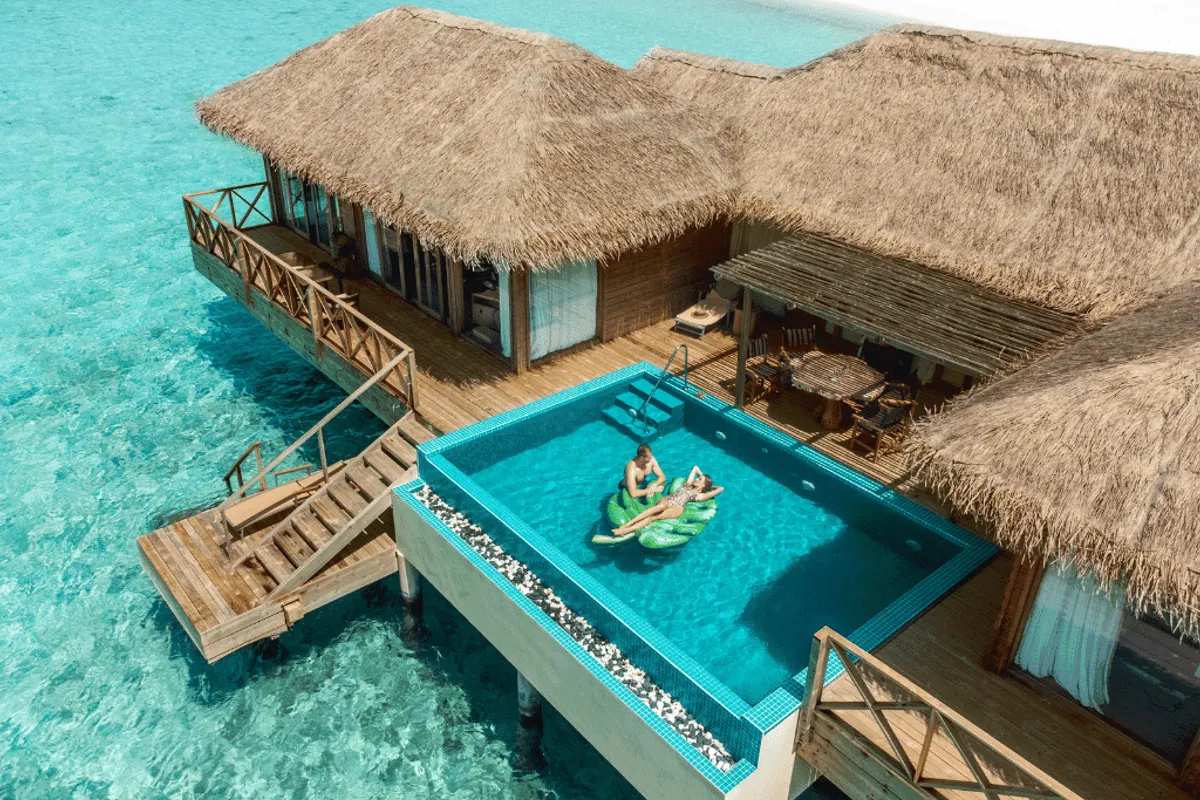
Staying at a resort strategically located near known manta hotspots significantly enhances your chances of an unforgettable encounter. Many luxury resorts in the Maldives offer dedicated excursions and even resident marine biologists to guide your experience.
Anantara Kihavah Maldives Villas (Baa Atoll)
Anantara Kihavah Maldives Villas is ideally situated in the UNESCO Biosphere Reserve of Baa Atoll, just minutes away from the world-famous Hanifaru Bay.
- Manta Access: During the southwest monsoon (May to November), the resort organizes regular snorkeling excursions to Hanifaru Bay, offering guests the chance to swim with dozens, sometimes hundreds, of manta rays.
- Marine Expertise: Anantara Kihavah often has a resident marine biologist who can provide deeper insights into the marine ecosystem and guide guests on responsible interactions.
- House Reef: Beyond manta excursions, the resort boasts one of the best house reefs in the Maldives, teeming with diverse marine life, including turtles, reef sharks, and eagle rays, accessible directly from the beach.
Constance Halaveli (Ari Atoll)
Located in the North Ari Atoll, Constance Halaveli is a superb choice for divers and snorkelers seeking manta ray and whale shark encounters.
- Manta Access: The resort offers excellent access to the region's best dive sites, including cleaning stations where manta ray encounters are regular, particularly between December and April. They also arrange excursions for manta ray snorkeling.
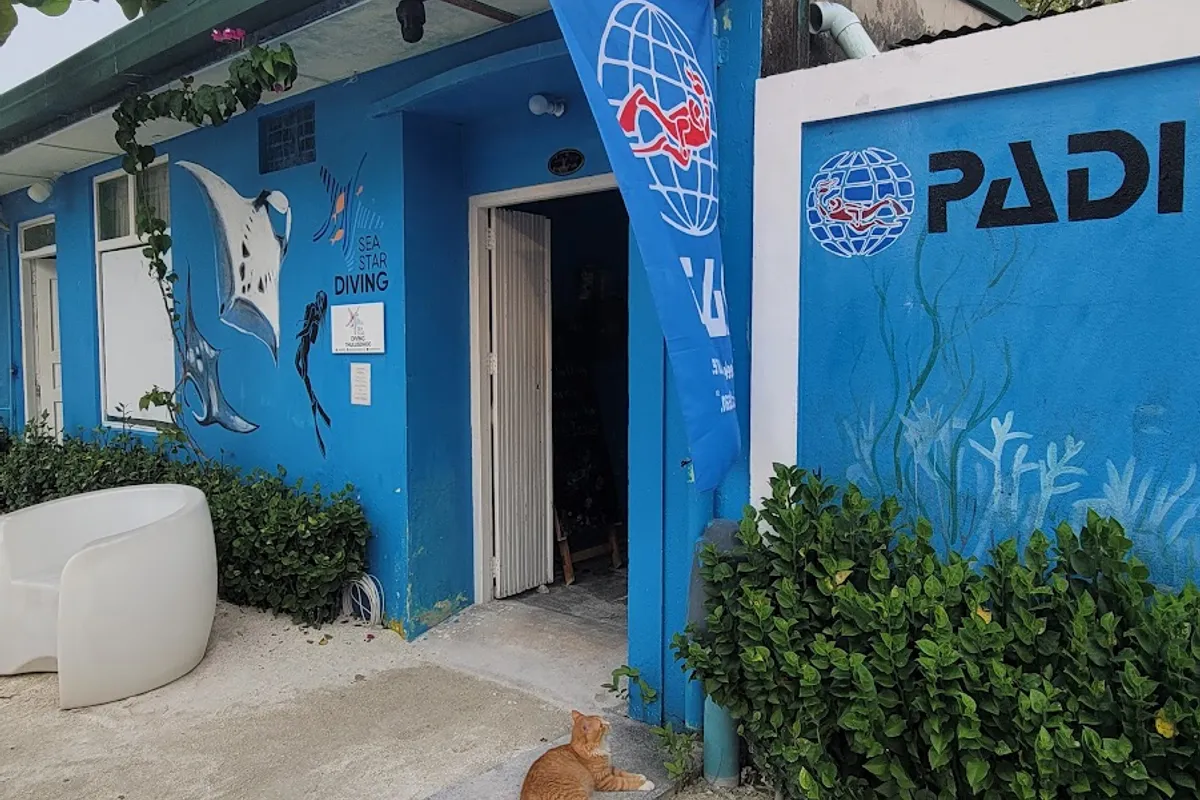
- Diving Paradise: Constance Halaveli's partner dive center, TGI Divers, provides a wide range of PADI courses and guided trips throughout North Ari Atoll, known for its thilas and channels with strong currents that attract pelagics.
- House Reef: The resort's house reef is highly regarded, offering 24-hour snorkeling access and regular sightings of white-tip reef sharks, eagle rays, and numerous fish species.
OZEN (Luxury Resorts for Manta Excursions)
While specific OZEN resorts were not highlighted as being directly adjacent to a primary manta hotspot in the same way as Anantara Kihavah or Constance Halaveli, the OZEN collection of luxury resorts in the Maldives is known for offering exceptional marine experiences. Resorts like OZEN RESERVE Bolifushi or OZEN LIFE Maadhoo, while not in the immediate vicinity of Hanifaru Bay or the most concentrated Ari Atoll spots, can arrange bespoke excursions to manta ray aggregation sites within accessible atolls. Their focus on luxury and personalized service ensures that guests interested in manta encounters will be well-catered for, with expert guides and comfortable transfers to the best available locations during their stay.
Liveaboard Manta Ray Trips: The Ultimate Expedition
For the dedicated manta enthusiast, a liveaboard trip offers the most immersive and comprehensive way to experience the Maldives' manta ray populations. These floating hotels allow you to explore multiple atolls and reach remote, pristine dive and snorkel sites that are inaccessible from land-based resorts.
- Maximized Encounters: Liveaboards are strategically planned to follow the manta ray movements across the atolls, ensuring you are in the right place at the right time. Expert crews, often with years of experience in these specific channels, know the cleaning stations and feeding routes.
- Diverse Itineraries: Many liveaboard routes focus on the central atolls (North/South Malé, Ari, Rasdhoo) and northern atolls (Baa, Raa, Lhaviyani), combining famous manta cleaning stations with other incredible marine life encounters like whale sharks and reef sharks.
- Citizen Science Opportunities: Some liveaboard trips are designed as educational and hands-on research expeditions, often in collaboration with organizations like the Manta Trust. Guests can participate in photo ID workshops, data collection, and marine biology presentations, contributing directly to conservation efforts.
- Comfort and Convenience: Modern liveaboards offer comfortable cabins, delicious meals, and all the amenities of a resort, serving as a functional base for daily dive and snorkel sessions.
For those passionate about diving and seeking the best underwater experiences, including manta encounters, consider exploring our guide to the best diving resorts and liveaboard options.
Frequently Asked Questions (FAQ)
Q1: Are manta rays dangerous to humans?
Absolutely not. Manta rays are gentle giants of the ocean. They are filter feeders, meaning they consume microscopic plankton and pose no threat to humans. They are often curious and may approach snorkelers and divers, but they have no stingers (unlike stingrays) and are completely harmless.
Q2: What do manta rays eat?
Manta rays are obligate filter feeders, meaning their diet consists almost exclusively of zooplankton – tiny crustaceans, fish larvae, and other microscopic organisms suspended in the water column. They use their large, forward-facing mouths and specialized gill plates to filter vast quantities of water, extracting their food.
Q3: How big do manta rays get?
The size of manta rays varies by species. Reef manta rays (Mobula alfredi), the most common species in the Maldives, typically have a wingspan of up to 4.5 meters (15 feet). The larger oceanic manta rays (Mobula birostris) can reach an impressive wingspan of up to 6.8 meters (22 feet).
Q4: Can you swim with manta rays all year round in the Maldives?
Yes, manta rays are year-round residents of the Maldives. However, their aggregations and the best locations to see them shift throughout the year due to the monsoons influencing plankton distribution. During the southwest monsoon (May-November), they are more prevalent on the eastern side of the atolls (e.g., Hanifaru Bay), while during the northeast monsoon (December-April), they are found more on the western sides (e.g., North Malé and Ari Atoll cleaning stations). Some atolls, like South Ari and Addu, offer more consistent year-round sightings.
Q5: What is a manta ray cleaning station?
A manta ray cleaning station is a specific reef area where smaller fish, known as cleaner wrasse, gather. Manta rays visit these stations to have parasites, dead skin, and other debris removed from their bodies, gills, and even mouths. They often hover almost motionless above the coral, allowing the cleaner fish to do their work, creating a fascinating symbiotic relationship that divers and snorkelers can observe.
Q6: Why are manta rays important to the Maldives?
Manta rays are incredibly important to the Maldives, both ecologically and economically. Ecologically, they are a flagship species, indicating the health of the marine ecosystem. Economically, manta ray tourism generates significant revenue, estimated at millions of USD annually, attracting tens of thousands of visitors each year. This provides a strong incentive for their protection and conservation efforts within the country.
The Maldives Manta Conservation Programme (MMCP), a flagship project of The Manta Trust, has been instrumental in driving conservation policies, including the designation of Marine Protected Areas like Hanifaru Bay and the addition of all ray species to the Maldivian National Protected Species List.