Maldives Diving Guide 2026: Best Sites, Seasons, Resorts & Liveaboards
Welcome to the ultimate Maldives Diving Guide for 2026! The Maldives, an archipelago of over 1,000 coral islands, is consistently ranked among the world's top dive destinations, a true aquatic wonderland that promises unforgettable underwater adventures. With its pristine turquoise waters, vibrant coral reefs, and an astonishing abundance of marine life, this tropical paradise is a dream come true for divers of all experience levels. Whether you're a seasoned pro seeking thrilling pelagic encounters or a curious beginner eager to explore shallow coral gardens, the Maldives offers a diverse array of dive sites and experiences that will leave you breathless. diving insurance Maldives night diving Maldives best diving resorts North Ari Maldives night diving guide
Why the Maldives is a Top-5 Dive Destination
The allure of the Maldives as a premier diving destination stems from a unique combination of geographical features, unparalleled marine biodiversity, and consistently excellent diving conditions. Imagine drifting along untouched reefs, surrounded by dense schools of fusiliers, spotting tiny nudibranchs, and encountering majestic manta rays and gentle whale sharks in a single day.
One of the key reasons for its world-class status is its unique geography. The Maldives is comprised of 26 natural atolls, which are rings of coral islands creating calm lagoons and sheltered dive sites. These atolls are home to over 1,000 recognized dive sites, each offering its own distinct underwater personality. The channels (kandus) between the islands funnel nutrient-rich currents, attracting a plethora of marine life, from vibrant reef fish to large pelagic species. This natural phenomenon creates predictable cleaning stations and feeding grounds, making encounters with iconic marine creatures almost guaranteed.
The sheer marine biodiversity is another major draw. The Maldivian waters are home to over 2,000 species of fish and more than 200 types of coral. Divers can expect to see a dazzling array of exotic marine life, including various species of sharks (grey reef, whitetip, blacktip, and even hammerheads and tiger sharks in specific areas), majestic manta rays, graceful eagle rays, and five out of seven species of sea turtles. The opportunity to swim alongside whale sharks, the largest fish in the ocean, is a particular highlight, with a resident population found year-round in certain areas. The reefs themselves are alive with color and movement, providing a visual spectacle that is both captivating and serene.
Furthermore, the Maldives has embraced responsible marine conservation and reef protection, ensuring that its underwater magic is preserved for future generations. Marine protected areas, such as the Baa Atoll UNESCO Biosphere Reserve and the South Ari Marine Protected Area (SAMPA), help regulate tourism and protect vulnerable ecosystems.
Water Conditions: Visibility and Temperature
The Maldives offers consistently excellent water conditions year-round, making it a comfortable and rewarding destination for diving any month of the year.
- Water Temperature: The tropical climate ensures warm water temperatures ranging from 27°C to 30°C (80-86°F) throughout the year. This means divers can often comfortably dive with just a 3mm wetsuit or even a shortie, reducing the need for heavy exposure protection.
- Visibility: Underwater visibility in the Maldives is renowned for its clarity, often exceeding 30 meters (100 feet). While visibility can fluctuate slightly depending on the atoll and season, particularly during plankton blooms, it generally remains excellent. During the dry season (December to April), visibility can reach up to 40 meters, offering spectacular views of the intricate coral formations and distant marine life. Even during the wet season (May to November), when plankton blooms might reduce visibility to 10-25 meters in some areas, this often coincides with increased marine activity, especially for filter feeders like manta rays and whale sharks.
- Currents: The Maldives is known for its dynamic currents, particularly in the channels, which are a significant factor in attracting large pelagic species. While some sites are best suited for intermediate to advanced divers due to strong currents, there are also sheltered areas and calm lagoons ideal for beginners. Dive operators are adept at planning dives according to current conditions, often utilizing them for exhilarating drift dives.
Best Dive Sites by Atoll
With over 1,000 dive sites, choosing where to dive in the Maldives can be overwhelming. Each atoll offers its own unique underwater personality and highlights. Here's a guide to some of the most iconic and rewarding dive sites across key atolls:
North Malé Atoll
North Malé Atoll is one of the most popular and accessible atolls, offering a mix of protected reef dives, shallow pinnacles, and short boat rides.
- Banana Reef: Often cited as one of the oldest and most famous dive sites in the Maldives, Banana Reef is a protected marine area known for its vibrant soft corals and diverse fish life. Shaped like a banana, this reef features overhangs, caves, and dramatic drop-offs. You can expect to see schools of bannerfish, oriental sweetlips, snappers, and groupers, along with occasional reef sharks and barracudas. The currents here can vary, making it suitable for different experience levels depending on the conditions. Banana Reef is a picturesque dive site that offers everything for a wonderful experience.
- HP Reef (also known as "Girifushi Thila"): Located near the island of Girifushi, HP Reef is a pinnacle famous for its stunning soft corals, often referred to as "Rainbow Reef" due to their vibrant colors. The strong currents that sweep over this thila bring nutrients, attracting a wide array of marine life, including schools of fusiliers, snappers, trevally, and barracuda. White-tip reef sharks and grey reef sharks are also common sightings here. The strong currents make it an exhilarating drift dive, best suited for more experienced divers.
South Malé Atoll
South Malé Atoll is renowned for its "Kandus" (channels) where nutrient-rich currents attract a high concentration of pelagic species.
- Guraidhoo Channel (also known as "Guraidhoo Corner" or "Kandooma Thila"): This channel is a hotspot for shark sightings and large pelagic fish. Kandooma Thila, a submerged pinnacle within the channel, is particularly famous for its striking topography and fast currents. Divers can expect to encounter grey reef sharks, eagle rays, and large schools of trevally and snapper. The vibrant soft corals here are also a highlight, making it one of the Maldives' most photogenic dives. Due to the strong currents, Guraidhoo Channel is generally recommended for intermediate to advanced divers.
Ari Atoll (Alif Alif and Alif Dhaal Atolls)
Ari Atoll is arguably the most famous atoll for big animal encounters, particularly whale sharks and manta rays. It's a popular choice for liveaboards due to its diverse dive sites.
- Maaya Thila: Often hailed as one of the best night dive sites in the world, Maaya Thila is a small pinnacle that rises from the seabed. By day, it's teeming with white-tip reef sharks, turtles, and schools of fusiliers and snappers. At night, the thila truly comes alive as white-tip reef sharks actively hunt, creating an exhilarating spectacle. Moray eels, octopuses, and other nocturnal creatures also emerge, making for a truly unique experience. It's suitable for Open Water divers by day and Advanced divers for night dives.
- Fish Head (also known as "Mushimasmingili Thila"): This protected marine area is a renowned shark diving hotspot, famous for its grey reef sharks. The thila features dramatic overhangs and caves, attracting large schools of fusiliers, snappers, and barracuda. Strong currents often sweep over the thila, bringing in the larger predators. Besides sharks, you might also spot eagle rays and Napoleon wrasse. Fish Head is considered an exciting channel dive, known for its thrilling marine encounters.
Baa Atoll
Baa Atoll is a UNESCO Biosphere Reserve, primarily famous for one incredible site.
- Hanifaru Bay: This iconic bay is world-renowned as a seasonal feeding ground for massive aggregations of manta rays and whale sharks. During the southwest monsoon (May to November, peaking from late July to early October), plankton blooms are funneled into the bay, creating a feeding frenzy where dozens, sometimes hundreds, of mantas barrel-roll through clouds of zooplankton. While scuba diving is not permitted in Hanifaru Bay to protect the delicate ecosystem, carefully regulated snorkel trips offer an unparalleled opportunity to witness this natural spectacle up close.
Addu Atoll
Located in the southernmost part of the Maldives, Addu Atoll offers a different diving experience, including a significant wreck.
- British Loyalty Wreck: This oil tanker, torpedoed during World War II, lies at a depth of around 16 to 33 meters (52-108 feet). It's one of the largest wrecks in the Maldives and is now covered in beautiful soft corals, attracting a diverse array of marine life. Divers can explore its massive structure, encountering schools of batfish, fusiliers, and various reef fish. Large groupers, turtles, and even manta rays are sometimes seen around the wreck. The British Loyalty wreck offers a fascinating historical dive combined with rich marine biodiversity.
Marine Life Calendar: When and Where to Spot the Giants
The Maldives is a year-round destination for incredible marine life encounters, but knowing the seasonal patterns can significantly enhance your chances of spotting specific species. The monsoon seasons influence plankton distribution, which in turn dictates the movements of filter feeders like manta rays and whale sharks.
- Whale Sharks (South Ari Atoll): Year-Round
The South Ari Atoll is unique for its resident population of whale sharks, making it one of the best places in the world to encounter these gentle giants year-round. While sightings are possible throughout the year, they are particularly common around the eastern island of Dhigurah during the wet season (May to November) and tend to move west during the dry season (December to April), following plankton concentrations. Snorkeling with whale sharks in the South Ari Marine Protected Area (SAMPA) is a popular activity, though divers also encounter them. - Hammerhead Sharks (Rasdhoo Atoll): January - April
For those seeking the elusive hammerhead sharks, Rasdhoo Atoll is the prime location. The best time to spot these magnificent creatures is typically during the dry season, from January to April. Hammerhead Point (Hammerhead Thila) is a famous early morning dive site where divers descend into the blue to witness schools of hammerheads rising from the deep. These dives are generally for advanced divers due to depth and currents. - Manta Rays (Baa Atoll - Hanifaru Bay): May - November
Baa Atoll, particularly Hanifaru Bay, becomes a global hotspot for manta ray aggregations during the southwest monsoon, from May to November, with peak activity often observed from late July to early October. During this period, plankton blooms are concentrated in the bay, attracting hundreds of manta rays for spectacular feeding frenzies. While diving is prohibited in Hanifaru Bay, snorkeling offers an incredible opportunity to witness this natural wonder. Manta sightings are also possible at cleaning stations in other atolls throughout the year, with movements influenced by the monsoons. During the dry season (December to April), manta rays are more frequently found on the western sides of the atolls, while during the wet season (May to November), they congregate on the eastern sides. For more detailed information, check out our manta ray guide.
For an even deeper dive into whale shark encounters, be sure to read our dedicated whale shark guide.
Best Diving Resorts
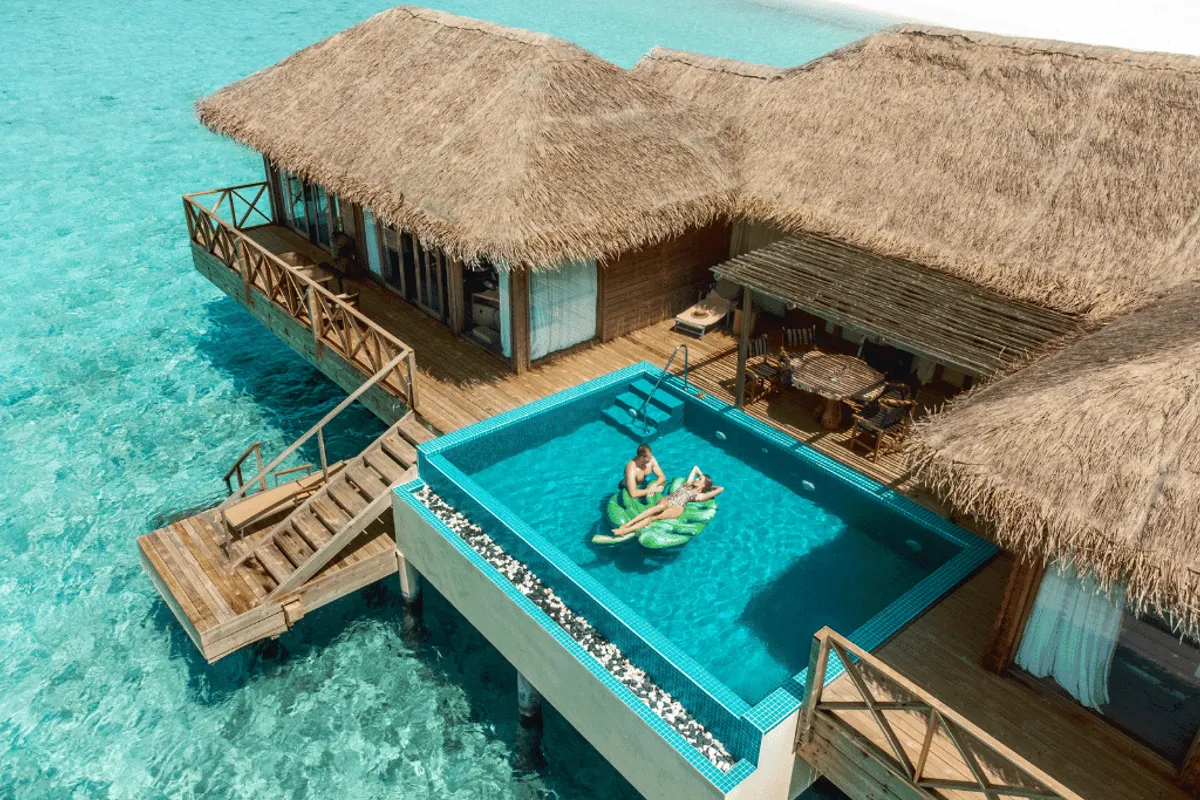
The Maldives offers a plethora of luxurious resorts, many of which boast exceptional PADI-certified dive centers, providing seamless access to the incredible underwater world. Choosing a resort with a strong dive operation can significantly enhance your diving holiday. Here are some of the best diving resorts known for their facilities, access to dive sites, and overall dive experience:
- Ellaidhoo Maldives by Cinnamon: Located in North Ari Atoll, Ellaidhoo is a popular choice among divers for its excellent house reef and proximity to some of the best dive sites in the atoll, including Maaya Thila and Fish Head. The resort's dive center is well-regarded, offering a range of courses and daily boat dives to diverse locations. Its accessible house reef is perfect for both beginners and experienced divers, offering abundant marine life just steps from your villa.
- Constance Halaveli Maldives: Situated in North Ari Atoll, Constance Halaveli offers a luxurious diving experience with access to pristine reefs and channels. The resort's dive center provides personalized service and guided dives to explore the rich biodiversity of the area. Guests can enjoy encounters with manta rays, reef sharks, and vibrant coral formations, all while returning to the comfort and elegance of a five-star resort.
- Anantara Kihavah Maldives Villas: Found in the Baa Atoll UNESCO Biosphere Reserve, Anantara Kihavah is an ideal choice for divers keen on experiencing the magic of Hanifaru Bay (for snorkeling with mantas and whale sharks during the season). The resort's dive center offers expert-led excursions and a range of PADI courses. Beyond Hanifaru, the surrounding reefs are healthy and teeming with life, providing exceptional diving opportunities for all levels.
- Baros Maldives: A boutique luxury resort in North Malé Atoll, Baros is celebrated for its exquisite house reef and a dedicated dive center that emphasizes personalized experiences. The Baros house reef is easily accessible and offers stunning coral gardens and diverse marine life, perfect for leisurely dives or night dives. The dive center also organizes boat trips to nearby thilas and channels, ensuring a variety of dive experiences. Baros is particularly known for its commitment to marine conservation and offers unique programs like coral planting.
For a more extensive list and detailed reviews, explore our best diving resorts guide.
Liveaboard Diving vs. Resort Diving
When planning a diving trip to the Maldives, one of the primary decisions is whether to opt for a liveaboard or a resort-based diving experience. Both offer unique advantages, catering to different preferences and diving styles.
Liveaboard Diving
Liveaboards are essentially floating hotels that take you directly to the best dive sites, often reaching remote reefs that are inaccessible to resort-based divers.
- Pros:
- Maximum Diving: Liveaboards typically offer 3-4 dives per day, including early morning, midday, afternoon, and often night dives, maximizing your underwater time.
- Access to Remote Sites: You can explore multiple atolls and reach pristine, less-dived sites that resort boats cannot easily access. This allows for a greater variety of dive environments and marine encounters.
- Focus on Diving: The entire trip is centered around diving, with itineraries designed to follow the best conditions and marine life activity.
- Pelagic Encounters: Liveaboards are often better positioned to chase big animal sightings, moving to where whale sharks and manta rays are most active.
- Community: You'll share the experience with a group of like-minded divers, fostering a strong sense of camaraderie.
- Cons:
- Less Land Time: Limited time on land means less opportunity to experience the resort amenities or local island culture.
- Shared Space: Cabins are typically smaller than resort rooms, and common areas are shared.
- Fixed Itinerary: While flexible to conditions, the overall route is usually predetermined.
- Potential for Seasickness: Those prone to seasickness might find continuous time on the water challenging.
Resort Diving
Resort diving offers a more traditional holiday experience, combining diving with luxury accommodation and a wide range of other activities.
- Pros:
- Comfort and Luxury: Enjoy spacious villas, diverse dining options, spa treatments, and other resort amenities.
- Flexibility: You have more control over your daily schedule, choosing when and how often you want to dive.
- Family-Friendly: Resorts often cater to non-diving partners or families with children, offering activities for everyone.
- Land-Based Exploration: Opportunity to explore the island, enjoy beaches, and experience local culture if on a local island.
- House Reef Access: Many resorts boast incredible house reefs accessible directly from the beach or jetty, perfect for unlimited diving or snorkeling.
- Cons:
- Limited Dive Site Range: Dive boats typically operate within a smaller radius, limiting access to more remote or diverse sites.
- Fewer Dives: Generally, fewer dives are offered per day compared to liveaboards.
- More Travel Time: Daily boat transfers to dive sites can eat into your time.
- Higher Cost (potentially): While there are budget-friendly guesthouses, luxury resorts can be more expensive than some liveaboards for a dedicated dive trip.
Ultimately, the choice depends on your priorities. If your sole focus is maximizing dive time and exploring diverse, remote sites, a liveaboard is likely your best bet. If you prefer a balance of diving, luxury, relaxation, and other activities, a resort will be more suitable. For a comprehensive comparison, refer to our liveaboard guide.
PADI Courses in the Maldives
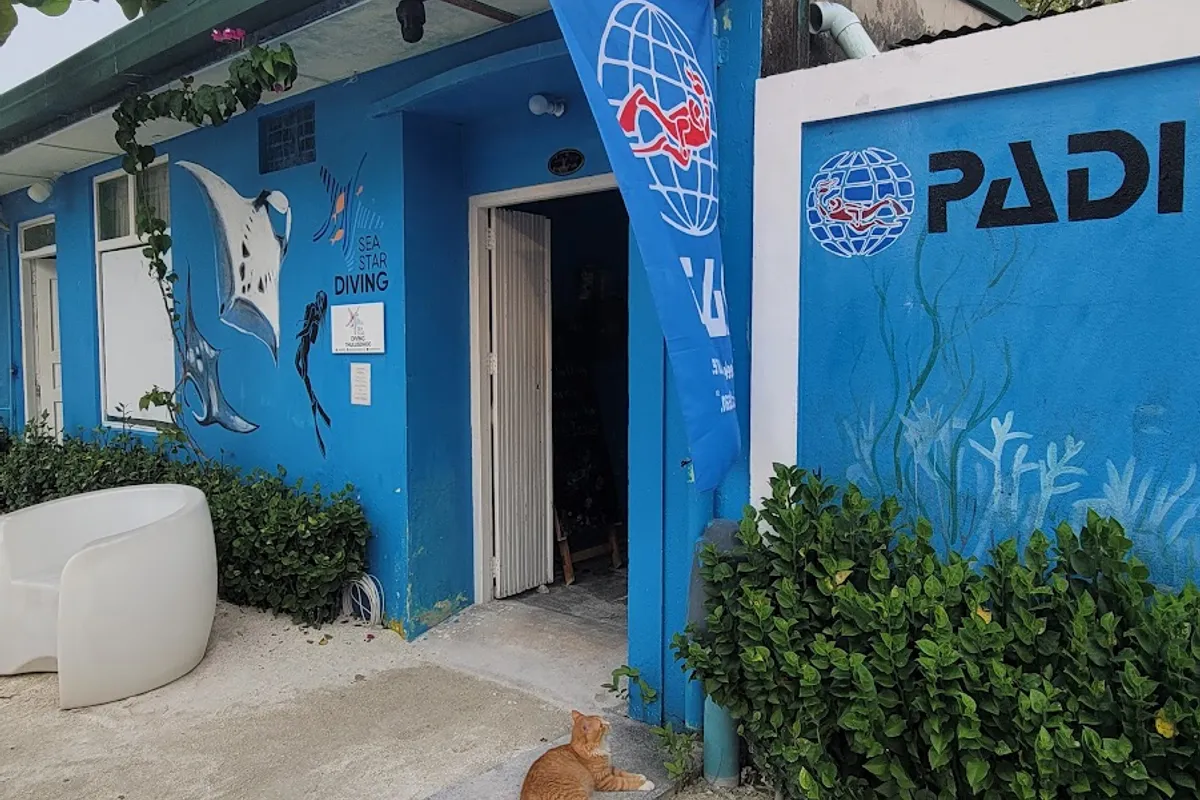
The Maldives is an exceptional place to learn to dive or advance your diving education. Most resorts and liveaboards host PADI-certified dive centers with experienced instructors offering a full range of courses.
- PADI Discover Scuba Diving (DSD): For those curious about diving but not ready for full certification, a DSD allows you to experience breathing underwater in a controlled environment with an instructor, often in shallow lagoon areas.
- PADI Open Water Diver: This is the entry-level certification that allows you to dive independently with a buddy to a maximum depth of 18 meters (60 feet). The warm, clear waters and abundant marine life of the Maldives provide an ideal learning environment.
- PADI Advanced Open Water Diver: This course helps you build confidence and expand your skills through five adventure dives, including a deep dive and an underwater navigation dive. Many of the Maldives' more advanced dive sites, particularly those with currents or deeper pinnacles, are best suited for Advanced Open Water divers.
- PADI Specialty Courses: Dive centers in the Maldives often offer a variety of specialty courses tailored to the local environment, such as:
- Drift Diver: Essential for mastering the currents common in Maldivian channels.
- Enriched Air Diver (Nitrox): Allows for longer bottom times, particularly beneficial for multiple daily dives.
- Underwater Photographer/Videographer: To capture the stunning marine life.
- Peak Performance Buoyancy: To protect the delicate coral reefs.
- Whale Shark Awareness / Manta Ray Awareness: For responsible interactions with these majestic creatures.
- PADI Rescue Diver: A challenging but highly rewarding course that teaches you to prevent and manage dive emergencies.
- PADI Divemaster: For those aspiring to become dive professionals, the Maldives offers an incredible backdrop for Divemaster training, allowing you to gain extensive experience in a world-class diving environment.
Learning in the Maldives means you'll be surrounded by breathtaking beauty from your very first breath underwater, making the learning process even more enjoyable and memorable.
Night Diving
Night diving in the Maldives offers a completely different perspective of the underwater world, transforming familiar reefs into mysterious and vibrant nocturnal landscapes. As the sun sets, a new cast of characters emerges, and the colors of the corals become even more vivid under the beam of your dive light.
One of the most famous night dives is at Maaya Thila in Ari Atoll, where white-tip reef sharks actively hunt in the dark, creating an exhilarating spectacle. Nurse sharks and zebra sharks, which are nocturnal, become active in the evening. You'll also encounter transparent creatures not seen in daylight, and corals come alive, extending their polyps to feed. Moray eels leave their crevices to hunt, octopuses change colors and textures, and various crustaceans scuttle across the reef. The quiet calm of a coral garden at twilight is a moment that stays with you long after you surface.
Many resorts and liveaboards offer night dives, often to their house reefs or designated sites, providing a magical and unforgettable experience for certified divers.
Drift Diving
Drift diving is a quintessential Maldivian diving experience, allowing divers to effortlessly glide along with the ocean currents, covering significant distances and witnessing spectacular marine action. The unique atoll geography, with its numerous channels (kandus), creates natural highways for nutrient-rich currents, attracting large pelagic species and making drift diving a major highlight.
During a drift dive, you simply let the current carry you, conserving energy and enjoying the sensation of flying underwater. This technique is particularly effective in the Maldives' channels, where you can encounter grey reef sharks, eagle rays, and schooling fish like jacks and snappers congregating in the currents. Sites like Guraidhoo Channel (Kandooma Thila) and Fotteyo Kandu are famous for their exhilarating drift dives.
While drift diving can be thrilling, it requires good buoyancy control and an understanding of current dynamics. Dive guides in the Maldives are highly experienced in planning and executing drift dives safely, using a 'dhoni' (traditional Maldivian boat) to drop divers up-current and pick them up down-current. For those new to drift diving, a PADI Drift Diver specialty course is highly recommended to learn the necessary techniques and safety procedures.
Frequently Asked Questions (FAQ) about Maldives Diving
Q1: What is the best time of year to dive in the Maldives?
A: The Maldives offers excellent diving year-round, but conditions vary by season. The dry season (Northeast Monsoon: December to April) provides the best visibility (25-40m), calmer seas, and clear skies, ideal for photography and reef diving. The wet season (Southwest Monsoon: May to November) brings increased plankton, which can slightly reduce visibility (10-25m) but attracts massive aggregations of manta rays and whale sharks, especially in Baa Atoll and South Ari Atoll.
Q2: How experienced do I need to be to dive in the Maldives?
A: The Maldives caters to all levels of divers. Many resorts offer PADI Discover Scuba Diving for beginners, and Open Water Diver courses are widely available. While there are calm, shallow lagoons and house reefs suitable for novices, many of the more thrilling channel dives and sites with strong currents are best suited for Advanced Open Water divers or those with more experience. Dive operators often tailor dives to experience levels.
Q3: What marine life can I expect to see?
A: The Maldives boasts incredible marine biodiversity. You can expect to see a wide array of reef fish, vibrant corals, turtles, moray eels, and various species of sharks (grey reef, whitetip, blacktip). Pelagic encounters are a major highlight, with frequent sightings of manta rays, eagle rays, and whale sharks. Hammerhead sharks are found in specific atolls during certain seasons, and even tiger sharks can be seen in places like Fuvahmulah.
Q4: Are the currents strong in the Maldives?
A: Yes, the Maldives is known for its strong tidal currents, particularly in the channels between atolls. These currents are what attract the abundant pelagic life and make for exciting drift dives. While some sites are sheltered, many of the best dives involve currents. Dive guides are highly skilled in managing these conditions, but divers should have good buoyancy control and be comfortable with drift diving. The UK Foreign Office advises caution due to strong currents.
Q5: Is it safe to dive in the Maldives?
A: Diving in the Maldives is generally very safe, with reputable dive centers adhering to international safety standards. However, as with any adventure activity, risks exist. It's crucial to choose a PADI-certified operator, follow your dive guide's instructions, and ensure your travel insurance covers diving. The Foreign Office advises understanding how your dive operator would get you to one of the three hyperbaric chambers in the islands, as many resort islands are more than an hour away. Always be aware of local swimming conditions and strong tidal currents.
Q6: Can I see whale sharks and manta rays on the same trip?
A: Yes, it is possible to see both whale sharks and manta rays on the same trip, especially if you plan your itinerary carefully. South Ari Atoll offers year-round whale shark sightings, while Baa Atoll's Hanifaru Bay is famous for its seasonal manta ray aggregations (May-November). Liveaboards often offer the best chance to visit multiple atolls and maximize your opportunities for both encounters. During the monsoon seasons, these creatures congregate 'downwind' of the plankton-rich currents, so knowing which side of the atolls to visit is key.