Overview: Why Stay at Coral Stone Haven
In our two decades navigating the Maldivian atolls, we've seen countless guesthouses emerge, but few capture the authentic spirit of local island life quite like Coral Stone Haven on Bilehfahi. This isn't a sprawling resort or a bustling, over-developed tourist hub. Instead, what you'll find here is a genuine "Coral Stone Haven" – a modest, three-room guesthouse that embodies the tranquility and untouched beauty of Shaviyani Atoll. We're talking about an intimate escape where the rhythm of Maldivian village life sets the pace, offering a stark, refreshing contrast to the polished resort experience.
What sets Coral Stone Haven apart, in our experience, is its unwavering commitment to providing a truly local immersion. With just three rooms, the atmosphere is inherently personal and welcoming, fostering connections with your hosts and the island community that simply aren't possible in larger establishments. It's ideal for the discerning traveler who values genuine cultural interaction, pristine natural surroundings, and the quiet satisfaction of supporting a local economy. Here, you're not just a guest; you're part of the Bilehfahi family, invited to share in the daily life of this charming island.
Choosing a local-island guesthouse like Coral Stone Haven over a resort means trading swim-up bars and buffets for sandy paths, impromptu football games with local kids, and the freshest seafood caught just hours before it graces your plate. It's about experiencing the Maldives as we, the locals, know and love it – unvarnished, authentic, and utterly captivating. For those seeking an escape that's both budget-friendly and rich in cultural discovery, this little haven on Bilehfahi is, honestly, a rare find.
Location & Getting to Bilehfahi
Bilehfahi, a serene jewel in the crown of Shaviyani Atoll, sits approximately 246 kilometers (153 miles) north of the capital, Malé. Geographically, it's part of the Miladhummadulhu Atoll, a region renowned for its pristine marine environments and less-trodden paths. This small fishing village, home to around 300 residents, offers an idyllic escape from the more commercialized islands, presenting a glimpse into traditional Maldivian life.
Getting to Bilehfahi from Velana International Airport (MLE) requires a bit of planning, but the journey itself is a scenic introduction to the Maldivian archipelago. We typically advise guests to consider three main transfer options:
- Public Ferry: For the most budget-conscious travelers, the public ferry is an option, though it requires patience. Ferries connecting Bilehfahi to Malé operate twice weekly, usually on Tuesdays and Fridays, subject to weather conditions. These are slow-moving vessels, not recommended for those on tight schedules or arriving on international flights due to potential cancellations and longer travel times. Importantly, public ferries do not operate on Fridays. While specific 2026 schedules for the Malé-Bilehfahi route are best confirmed directly with Coral Stone Haven, expect a journey that could take several hours, with tickets typically costing a few US dollars.
- Shared Speedboat: This is, in our experience, the most popular and practical choice for tourists. Shared speedboats run 2-3 times a week, depending on passenger demand, and guesthouses often coordinate these transfers to consolidate guests. The journey from Malé to Bilehfahi typically takes between 1.5 to 2 hours, depending on sea conditions, with prices ranging from $60 to $80 per person. We always recommend booking this in advance, especially during peak season, and coordinating directly with Coral Stone Haven for the most accurate schedules.
- Private Speedboat: For those who prioritize flexibility and convenience, especially groups or families, a private speedboat charter is the ideal solution. These can be arranged for any departure time and offer a direct route to Bilehfahi. While significantly more expensive than shared options, the cost becomes more reasonable when split among 4-8 people. Expect prices to be in the range of $150-$250 per person or higher for a completely private charter, depending on the operator and negotiation.
Upon arrival at Bilehfahi's jetty, you won't need to worry about long walks with your luggage. Coral Stone Haven provides a complimentary shuttle service, ensuring a smooth and welcoming transition from your transfer vessel to the comfort of your guesthouse. The island itself is small and easily navigable, perfect for leisurely strolls.
Rooms & Accommodation
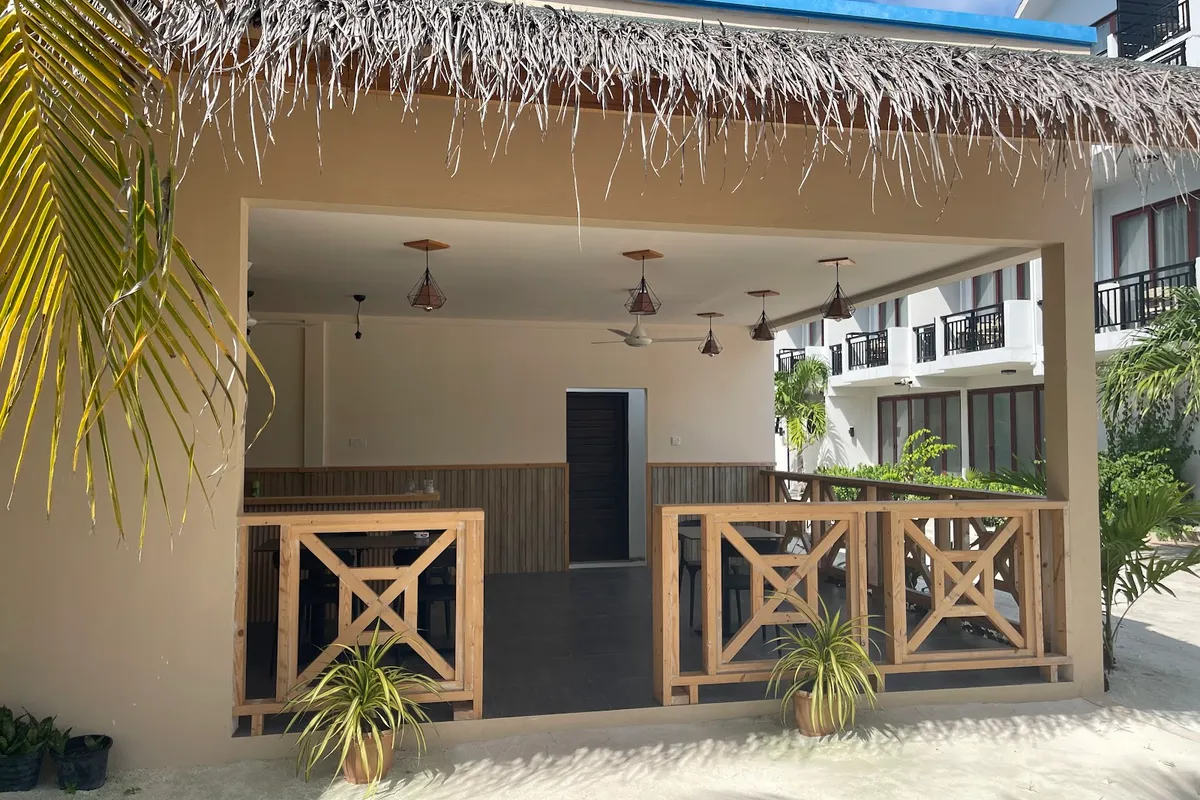
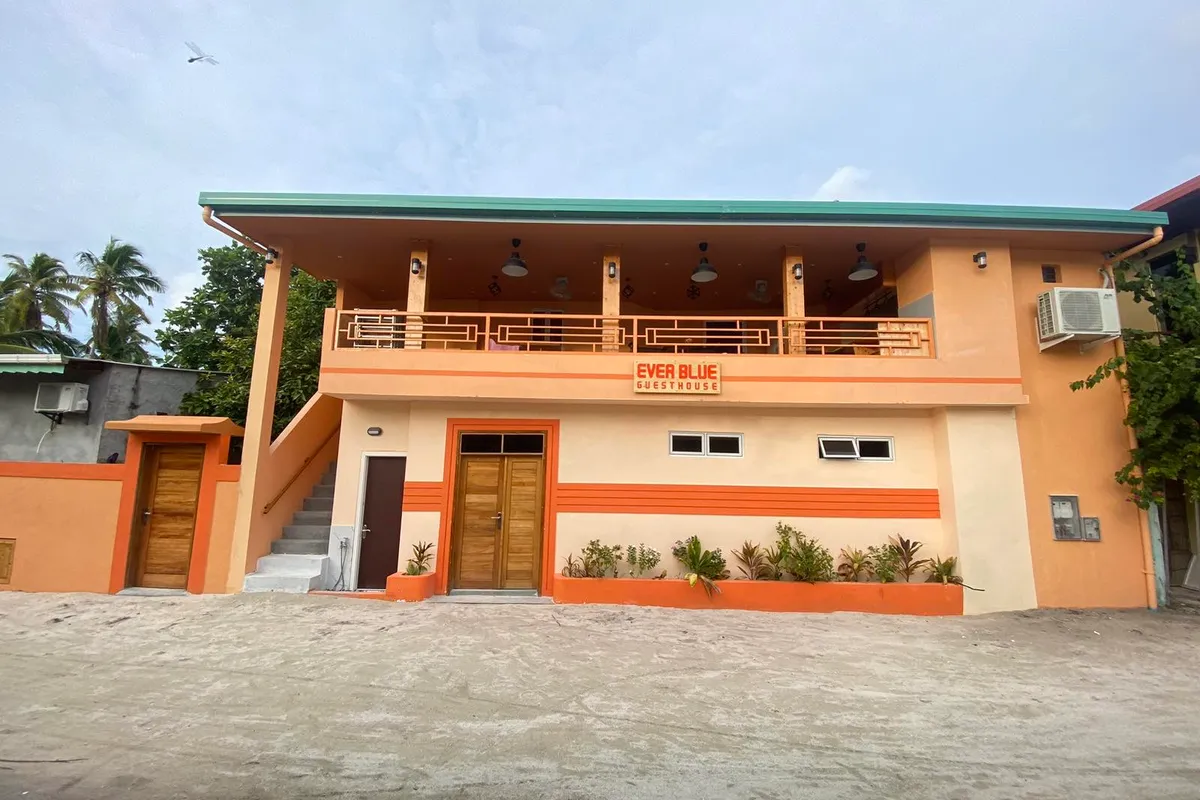
At Coral Stone Haven, the concept of accommodation is refreshingly intimate. This isn't a hotel with dozens of room categories; it's a charming, three-bedroom guesthouse designed to feel like a home away from home. We've always found that properties of this scale offer a unique warmth and personal touch that larger establishments simply can't replicate. Guests are often hosted by local families, providing an unparalleled opportunity for cultural exchange and genuine Maldivian hospitality.
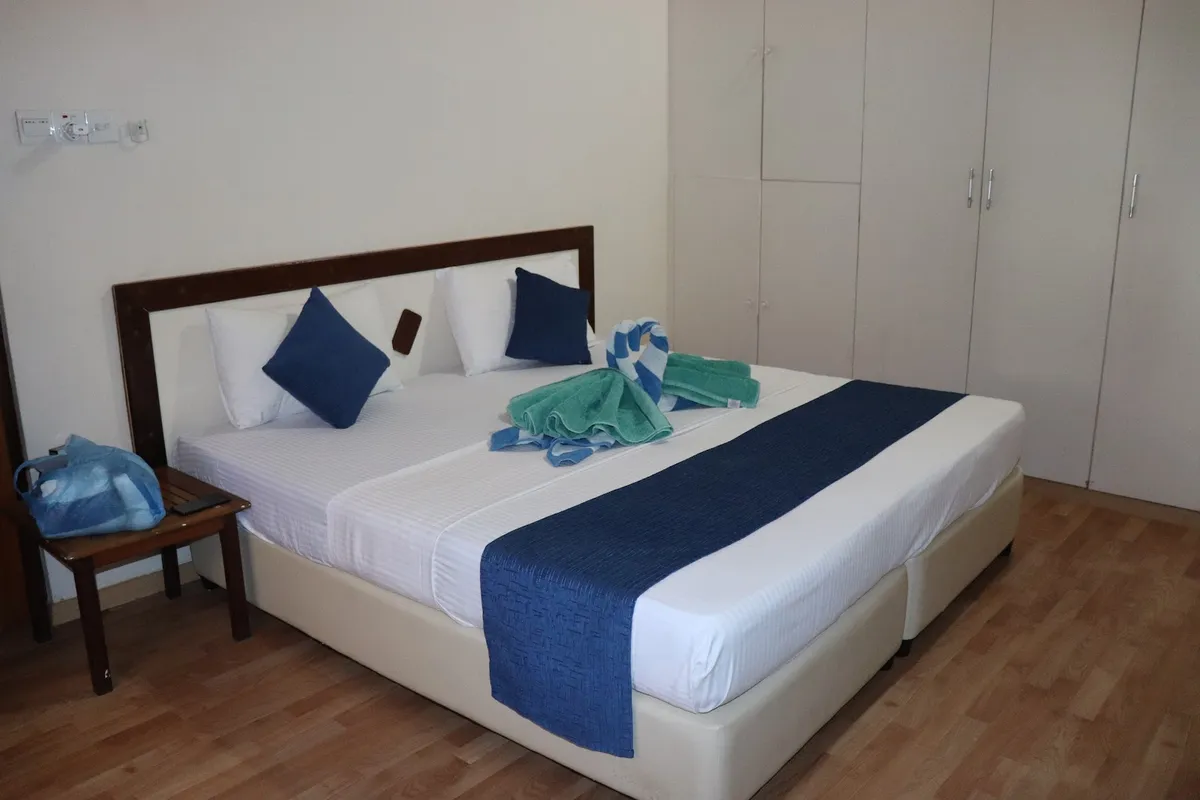
The guesthouse primarily offers comfortable Double Rooms with Garden View, providing a serene outlook and a sense of privacy. Each room is thoughtfully equipped with standard amenities crucial for a comfortable stay in our tropical climate. You can expect efficient air conditioning to beat the heat, a private bathroom with complimentary toiletries and hot water for refreshing showers, and reliable free WiFi to stay connected with the outside world. Other conveniences include a refrigerator, electric kettle, and kitchenware, allowing for simple self-catering or keeping drinks cool.
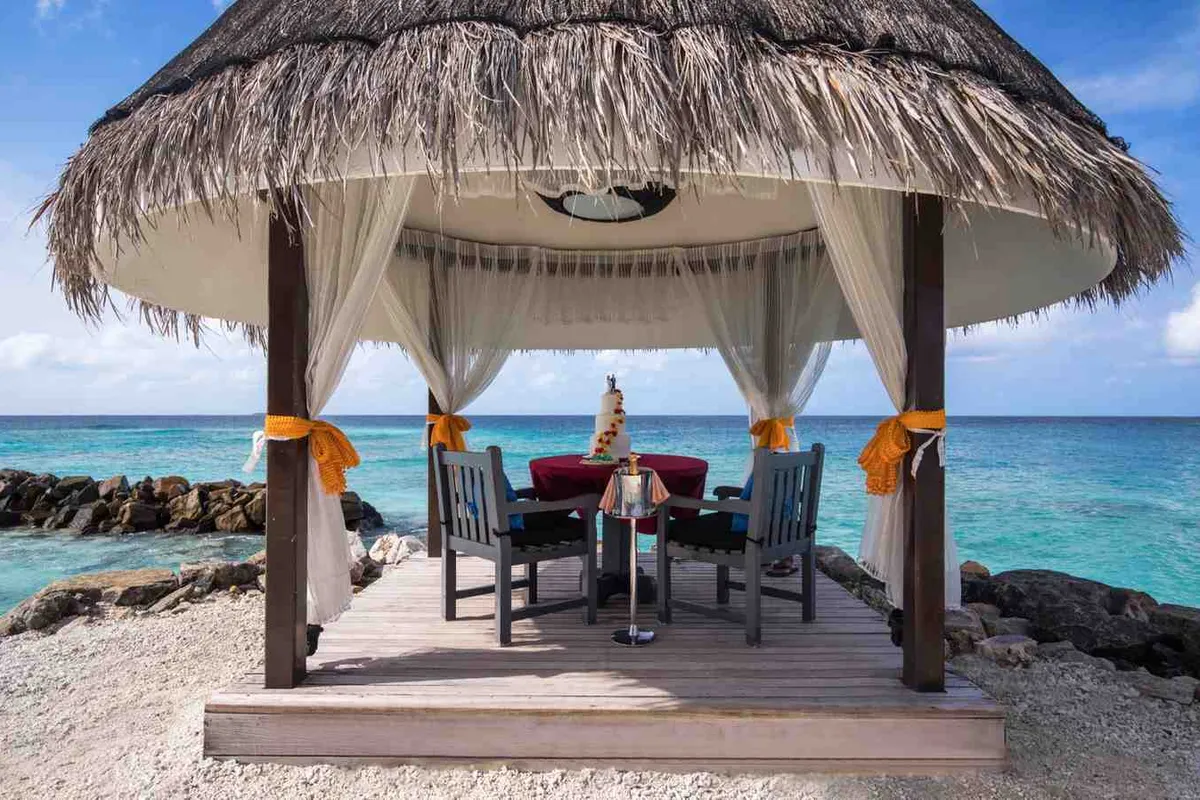
While specific standout features like private balconies or sea views might not be universal across all three rooms, the guesthouse offers an "open-air bath" and boasts a "private beach area" for guests. This exclusive access to a secluded stretch of sand is a significant advantage, offering a tranquil spot for sunbathing or simply enjoying the ocean breeze away from any potential crowds. The overall atmosphere is one of relaxed simplicity, where comfort is prioritized over ostentation. It's the kind of place where you'll quickly settle in, feeling less like a tourist and more like a cherished visitor.
Dining & Local Food
Dining at Coral Stone Haven and on Bilehfahi is an integral part of the local island experience, deeply rooted in Maldivian culinary traditions. In our experience, the guesthouse typically includes breakfast in its rates, offering a variety of options such as continental, American, buffet, à la carte, Italian, full English/Irish, vegetarian, vegan, halal, gluten-free, and Asian choices to cater to diverse palates. They also have a coffee shop and can prepare packed lunches for your excursions.
For other meals, you'll have the option of dining at the guesthouse, where home-cooked Maldivian dishes are often a highlight, or venturing out to explore the local cafés and eateries on Bilehfahi. While specific named restaurants on Bilehfahi aren't widely advertised, typical local island cafés (known as "hotaas") offer authentic Maldivian cuisine at very budget-friendly prices, often ranging from $5-$15 per person for a meal. Expect to find simple, flavorful dishes that showcase fresh seafood and local ingredients.
When it comes to must-try Maldivian dishes, we always recommend indulging in a few staples. Mas Huni, a traditional breakfast of shredded smoked tuna mixed with coconut, chili, and onion, served with flatbread (roshi), is a non-negotiable. For lunch or dinner, savoring a bowl of Garudhiya, a clear fish broth, perhaps with rice and chili, offers a true taste of the ocean. Don't miss out on Hedhikaa, a variety of savory short eats perfect for an afternoon snack, and if you're feeling adventurous, try Rihaakuru, a thick, dark brown fish paste often eaten with rice or roshi. These dishes are the heart of Maldivian home cooking.
It's crucial to remember that Bilehfahi, like all inhabited local islands in the Maldives, operates under Islamic law, which means alcohol is strictly prohibited. You will not find alcohol for sale in any shops or restaurants, nor is it permissible to bring your own. Your bags will be screened upon arrival in the Maldives, and any alcohol will be confiscated. If you desire alcoholic beverages, they are exclusively available on resort islands and safari boats. This is a fundamental aspect of local island life that visitors should respect, allowing for a deeper appreciation of the culture and customs.
Activities & Excursions
Snorkelling & Diving
Bilehfahi's greatest natural asset, in our expert opinion, lies just beneath the surface of its turquoise waters. The island's house reef is a true marvel, offering accessible and vibrant snorkeling experiences directly from the beach. You'll find yourself gliding over colorful coral gardens teeming with tropical fish, often in pristine visibility. We've heard countless guests describe night snorkeling from the house reef as particularly memorable, revealing a completely different cast of marine life, from hunting moray eels to sleeping parrotfish, all illuminated by underwater torches.
For divers, Bilehfahi is a hidden gem in Shaviyani Atoll, known for its untouched reefs and abundant marine life away from the typical crowds. The house reef itself offers impressive wall diving experiences, often found only at more expensive resorts, with dramatic drop-offs reaching depths over 30 meters. We consistently see nurse sharks, especially around the coral overhangs on the eastern side of the reef, along with eagle rays and various reef sharks. While there isn't a specific dive center named on Bilehfahi in our records, local guesthouses like Coral Stone Haven can arrange excursions with nearby professional dive operators. A single recreational dive typically costs around $100, with multi-dive packages offering better value. Visibility in Shaviyani Atoll regularly exceeds 20-30 meters, making it ideal for spotting both pelagic species and the intricate details of the reef. The best time for diving here is generally from November to April, during the dry season, when seas are calm and visibility is excellent.
Sandbank & Island-Hopping Trips
Beyond the house reef, Coral Stone Haven and local operators can arrange a variety of excursions to explore the wider beauty of Shaviyani Atoll. Typical half-day or full-day trips often include visits to pristine sandbanks, where you can enjoy secluded picnics on a temporary island of white sand, surrounded by nothing but the azure expanse of the Indian Ocean. These are truly quintessential Maldivian experiences, perfect for photography and pure relaxation.
Island-hopping trips offer a chance to discover other inhabited and uninhabited islands in the vicinity, providing insights into different facets of Maldivian life and natural beauty. While Shaviyani Atoll isn't as globally renowned for year-round whale shark encounters as South Ari Atoll, the southwest monsoon season (May to October) brings plankton blooms to the northern atolls, increasing the chances of spotting manta rays and even whale sharks. This period, often considered the "wet season," can surprisingly be excellent for marine life encounters, a fact many visitors overlook. Dolphin watching is also a frequent and delightful addition to many boat trips. Excursion prices vary, but generally, snorkeling tours can range from $30-$100 per person, while island hopping packages might start from $80, depending on inclusions like lunch and equipment.
Cultural Experiences
One of the most enriching aspects of staying at Coral Stone Haven is the opportunity for genuine cultural immersion. We encourage guests to take leisurely village walks, observing the daily life of Bilehfahi's friendly residents. Visiting the local Friday mosque, a central point of community life, offers a glimpse into the island's spiritual heart. Bilehfahi also has a historical reputation for skilled carpentry and woodworking, a heritage that, while evolving, still sees traditional tools crafted and marketed to tourists.
Participating in traditional fishing trips, especially sunset or night fishing, provides a hands-on experience of a vital Maldivian livelihood. If you're lucky, your visit might coincide with a bodu beru night – a vibrant display of traditional drumming and dance that is the soul of Maldivian entertainment. When photographing, always remember to be respectful of local privacy and customs. Dress modestly when walking through the village, covering shoulders and thighs, and only wear swimwear at designated "bikini beach" areas or the guesthouse's private beach. These small gestures go a long way in fostering positive interactions and a deeper appreciation for the Maldivian way of life.
Rates & Pricing
As a budget-friendly guesthouse, Coral Stone Haven offers excellent value for an authentic Maldivian experience. While rates can fluctuate based on demand and seasonality, we've compiled realistic 2026 pricing for a typical stay:
| Room Type | Low Season (May–Oct) | High Season (Nov–Apr) |
|---|---|---|
| Standard Double Room | from $80/night | from $90/night |
Please note that these rates are indicative and can vary. In our experience, breakfast is almost always included in the nightly rate at Coral Stone Haven. Transfers and excursions, however, are typically charged separately. Shared speedboat transfers from Malé usually cost between $60-$80 per person one-way. Excursions like snorkeling trips or sandbank visits generally range from $30-$100 per person, depending on the activity and duration.
For the best booking channels, we recommend checking established online travel agencies like Booking.com, where Coral Stone Haven is listed and reviews are available. Direct communication with the guesthouse via their website or email is also an excellent way to secure specific dates, clarify inclusions, and arrange transfers, often allowing for a more personalized experience and potentially better deals, especially for longer stays.
Who Should Stay Here (and Who Should Skip It)
- Best for:
- Budget-conscious explorers: Those who want to experience the Maldives without the resort price tag, seeking value without compromising on natural beauty.
- Culture seekers: Travelers eager to immerse themselves in genuine Maldivian village life, interact with locals, and understand the island's traditions.
- Diving and snorkeling enthusiasts: Individuals prioritizing access to pristine, uncrowded house reefs and dive sites with abundant marine life, directly from a local island.
- Peace and quiet lovers: Those seeking a tranquil escape away from bustling tourist crowds, valuing serenity and an intimate atmosphere.
- Probably not for:
- Luxury resort devotees: Travelers expecting overwater bungalows, extensive resort amenities, and a wide array of international dining options.
- Party-goers: Individuals looking for nightlife, alcohol consumption, or a lively, resort-style entertainment scene (alcohol is prohibited on local islands).
- Those on very tight schedules: Travelers with limited time who cannot accommodate the potentially longer and less frequent transfer options to a more remote local island.
Practical Info
- Money: While USD is widely accepted across the Maldives, having Maldivian Rufiyaa (MVR) for smaller purchases at local shops or cafes can be useful. The good news is that BML ATM services were scheduled to be launched on Bilehfahi as of September 2025, meaning you should have access to cash directly on the island. However, we always recommend carrying some smaller denominations of USD for convenience.
- Connectivity: Coral Stone Haven offers free WiFi, which is essential for staying connected. While 4G/5G coverage is generally good across most inhabited islands in the Maldives, speeds can vary. Purchasing a local SIM card upon arrival at Malé airport can provide reliable data for your entire stay.
- Water & power: Like most Maldivian islands, Bilehfahi relies on desalinated water, which is safe for drinking. Power supply on inhabited islands is generally reliable, though occasional brief outages can occur, especially during heavy weather. Guesthouses are usually equipped to handle these.
- Medical: For minor ailments, local clinics are typically available on inhabited islands. However, for any serious medical emergencies, patients would need to be transferred to a larger hospital in a more developed atoll or to Malé. We always advise comprehensive travel insurance that covers medical evacuation.
- Best time to visit: The Maldives experiences a tropical climate with two main seasons. The dry season (high season) runs from November to April, characterized by abundant sunshine, low humidity, and calm seas, making it ideal for diving and snorkeling. The wet season (low season), from May to October, brings occasional rain and higher humidity, but also offers fewer crowds and better value. We particularly like the shoulder seasons (March-April and November) for a balance of good weather, moderate crowds, and often better prices. For Shaviyani Atoll, the southwest monsoon (May-Oct) can also be excellent for manta ray and whale shark sightings due to plankton.
- Dress code: The Maldives is a Muslim country, and modesty is important on local islands. When in public areas of the village, we advise women to cover their shoulders and knees. Swimwear, including bikinis, is generally restricted to designated "bikini beaches" or private beach areas, such as the one offered by Coral Stone Haven.
aMaldives Expert Verdict
Our take: We think Coral Stone Haven on Bilehfahi is a truly special find for those seeking an authentic, budget-friendly Maldivian experience away from the resort crowds. Its small scale fosters genuine connections with the local community and offers unparalleled access to pristine reefs. In our view, it stands out on Bilehfahi for its commitment to local immersion and its welcoming, homely atmosphere, though honestly, travelers must embrace the slower pace and cultural norms of a true local island.
— aMaldives Editorial Team, reviewed 2026
Frequently Asked Questions
How do I get to Coral Stone Haven on Bilehfahi Island from Malé?
You can reach Bilehfahi from Velana International Airport (MLE) via a shared speedboat, which typically costs $60-$80 and takes 1.5-2 hours, or a public ferry for a more budget-friendly but slower option. Coral Stone Haven also offers a free shuttle service from the jetty. We recommend coordinating transfers directly with the guesthouse for the most up-to-date schedules and arrangements.
What kind of rooms does Coral Stone Haven offer and what are the prices?
Coral Stone Haven is a charming three-bedroom guesthouse, primarily offering comfortable double rooms, often with garden views. Rates typically start from around $90 per night, though prices can fluctuate based on the season. All rooms include essential amenities like air conditioning, private bathrooms, and free WiFi.
Is alcohol allowed on Bilehfahi Island?
As Bilehfahi is a local inhabited island in the Maldives, alcohol consumption is strictly prohibited by law. You will not find alcohol for sale on the island, nor is it permitted to bring your own. If you wish to consume alcohol, resort islands or specific safari boats are the only legal options.
What activities can I do at Coral Stone Haven and on Bilehfahi Island?
Bilehfahi offers exceptional snorkeling and diving on its pristine house reef, known for nurse sharks and dramatic drop-offs. The guesthouse can arrange sandbank picnics, island-hopping trips, traditional fishing, and cultural village walks. Cycling and walking tours are also popular ways to explore the island's charm.
When is the best time to visit Bilehfahi and Coral Stone Haven?
The dry season, from November to April, offers the best weather with abundant sunshine and calm seas, ideal for diving and snorkeling. However, the shoulder seasons (March-April and November) and the wet season (May-October) can offer better value, fewer crowds, and increased chances of manta ray and whale shark sightings due to plankton blooms, especially in Shaviyani Atoll.
Are there ATMs or medical facilities on Bilehfahi Island?
Yes, as of September 2025, BML ATM services were scheduled to be launched on Bilehfahi, providing convenient access to cash. For medical needs, smaller local clinics are typically available on inhabited islands, but for serious emergencies, transfer to a larger atoll hospital or Malé would be necessary.