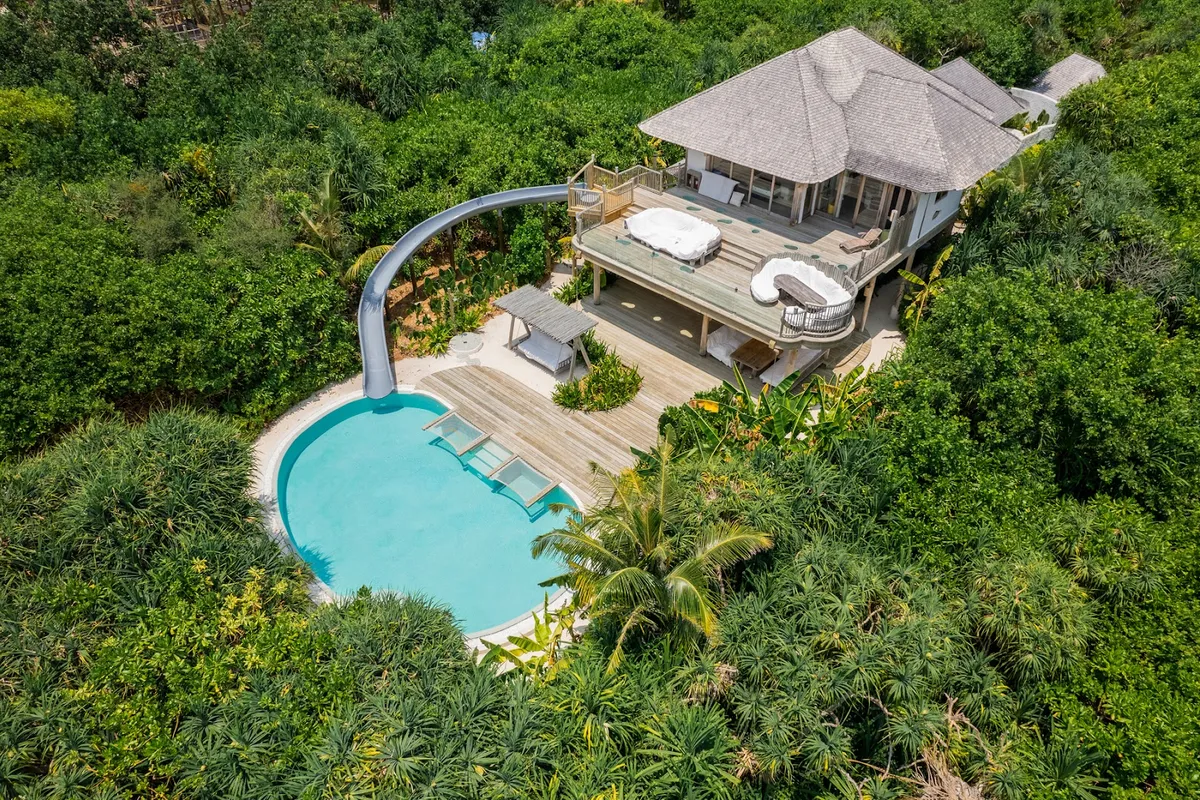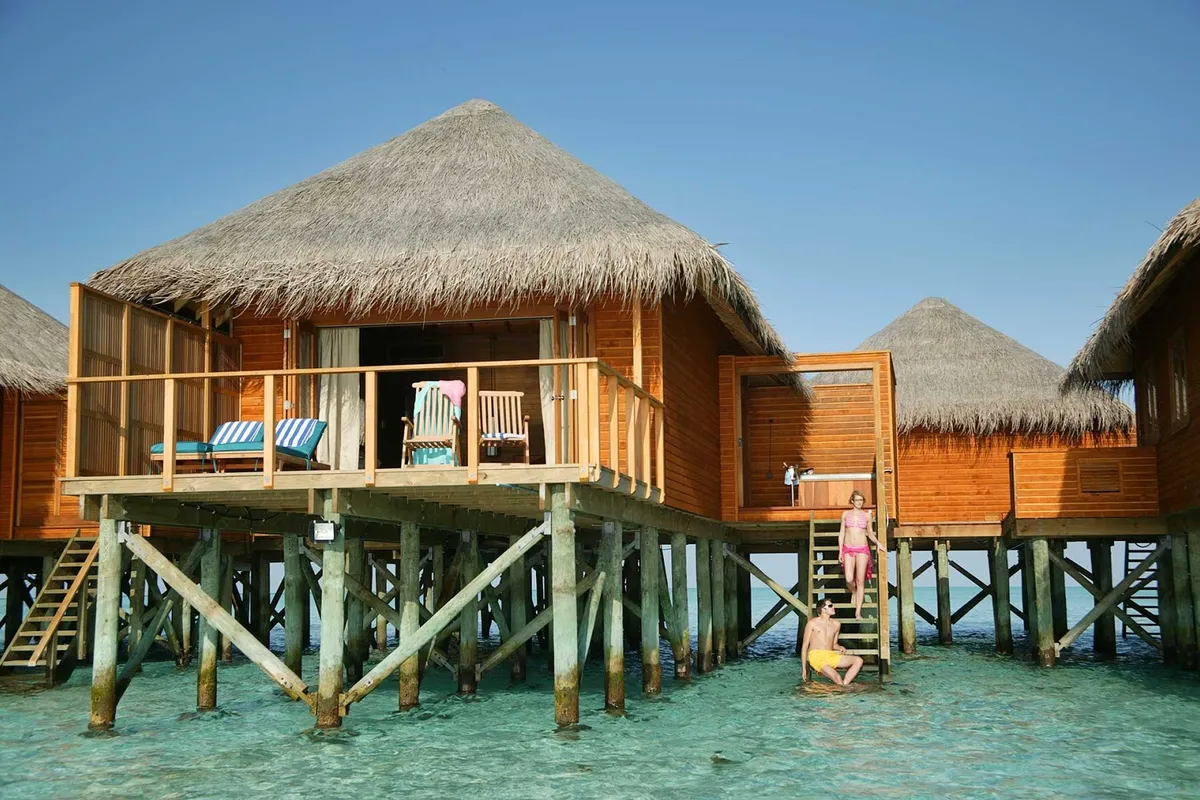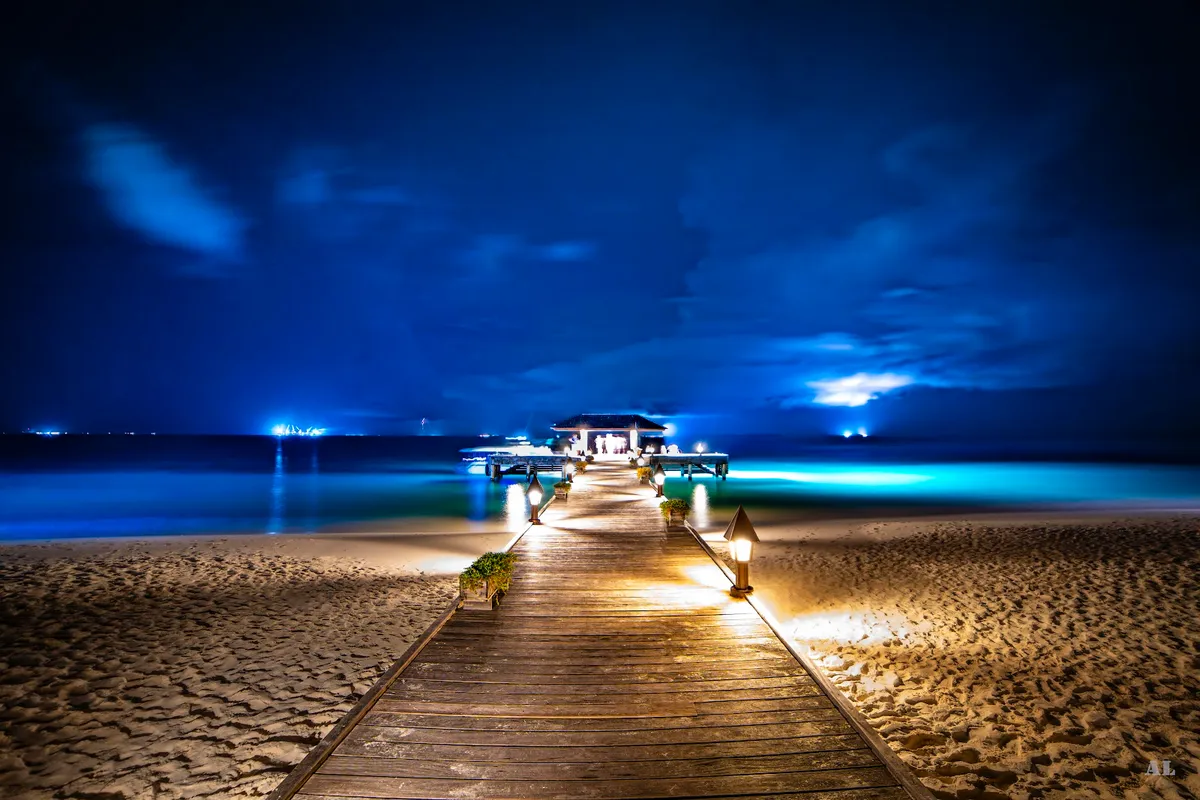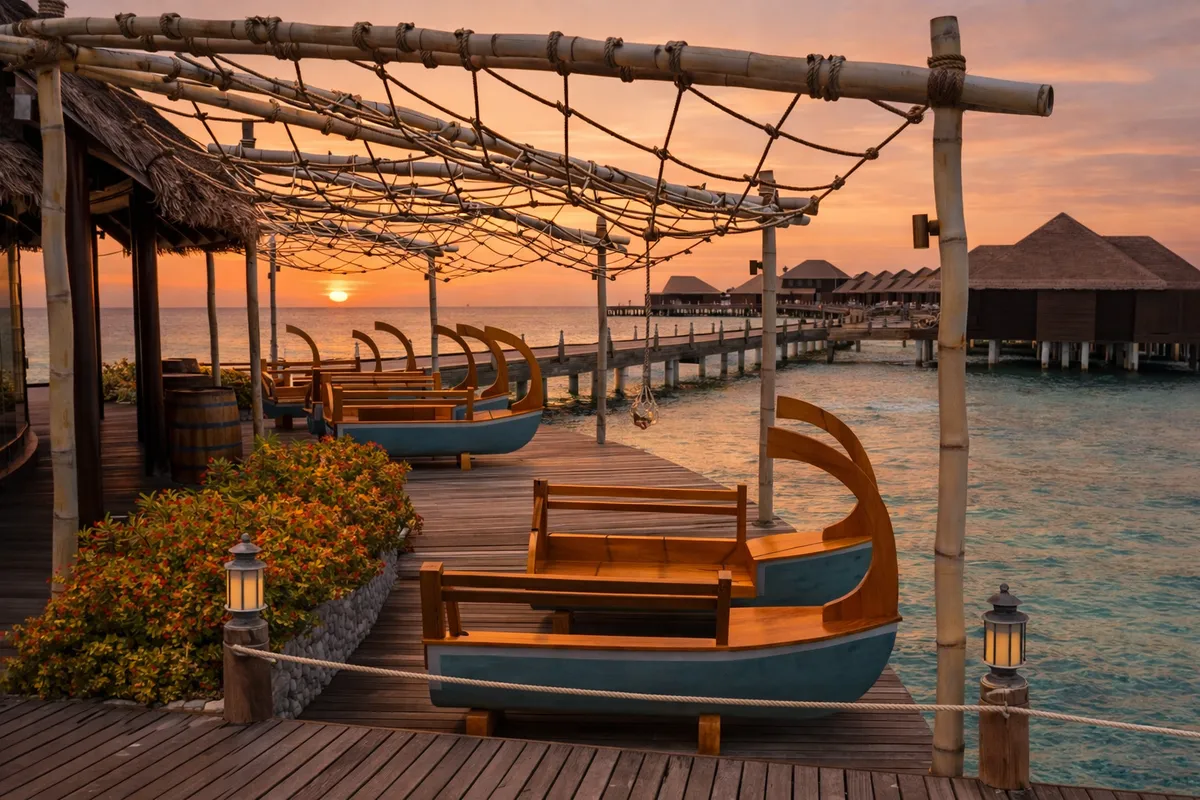
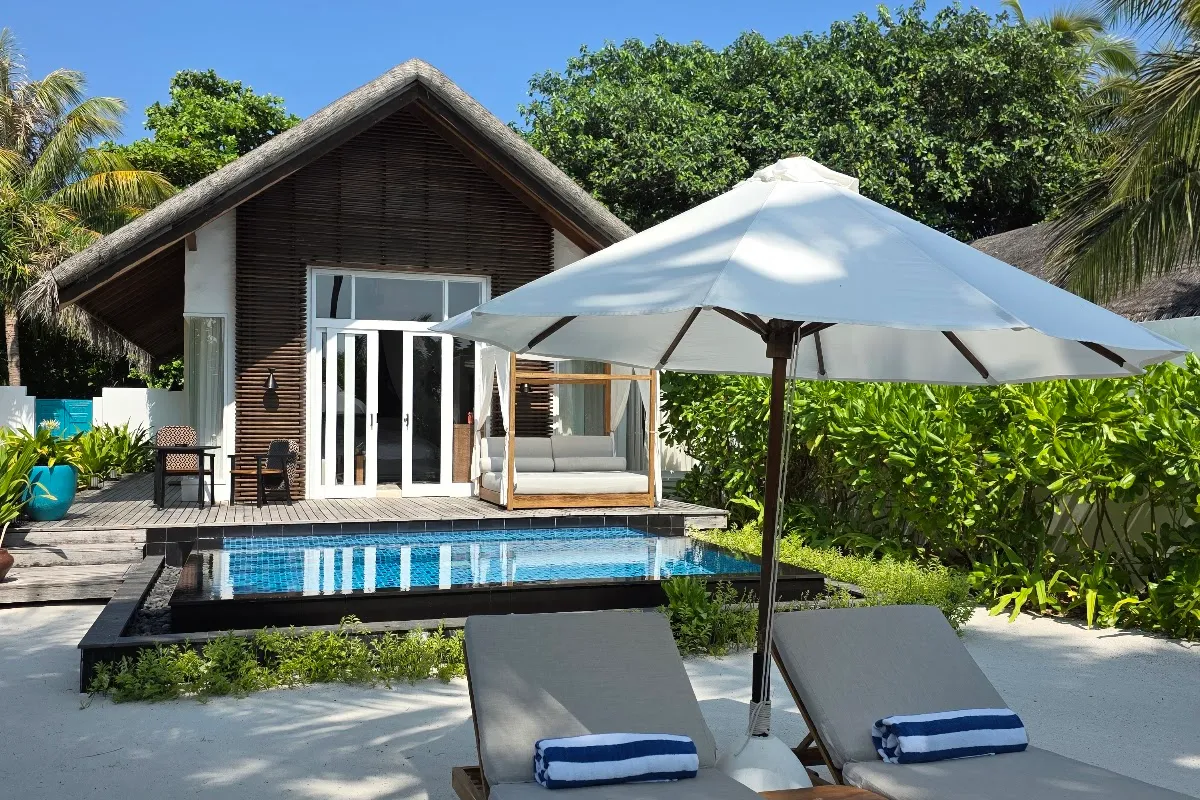
As your seaplane dips and banks, the true expanse of Shaviyani Atoll unfolds beneath you – a breathtaking mosaic of untouched turquoise lagoons, vibrant house reefs, and scattered emerald islands, many still wild and uninhabited. The gentle hum of the engines fades as you descend, replaced by the whisper of the Indian Ocean, a promise of the profound tranquility that awaits. This is where the discerning traveler finds unparalleled remote luxury, pristine diving, and ultimate privacy in a corner of the Maldives still largely untouched by the world.
Why Shaviyani Atoll
In our two decades exploring these Maldivian waters, we've come to know each atoll intimately, and Shaviyani holds a special place as one of the archipelago's best-kept secrets. Nestled in the northern reaches, Shaviyani Atoll (administrative code Sh) stands apart for its sheer remoteness and pristine, unspoiled beauty. Unlike some of the more bustling central atolls, Shaviyani maintains a serene, almost ethereal quality, largely due to its minimal tourism impact and the vast stretches of uninhabited islands within its embrace.
What truly sets Shaviyani apart is its geography. With 51 islands, only 16 of which are inhabited, it offers a sense of seclusion that's increasingly rare in the Maldives. The coral reef systems here are among the healthiest in the northern Maldives, a direct benefit of the limited human footprint, providing exceptional diving and snorkeling experiences. Visitors consistently remember the incredible visibility, often exceeding 30 meters, and the feeling of having vast underwater landscapes almost entirely to themselves.
The atoll's personality is one of understated luxury and profound peace. It appeals to those who prioritize genuine escape and a deep connection with nature over a vibrant social scene or extensive local island hopping. In our experience, the calm conditions, particularly during the northeast monsoon (December-March), make it ideal for diving when southern atolls might be rougher. However, this remoteness does come with a few considerations. Being further from Malé means longer, and often more expensive, transfers. The local island scene, while authentic on islands like Goidhoo, is not as developed or diverse as in some central atolls. Weather patterns, while generally consistent with the Maldivian tropical climate, can still bring seasonal rains, though these are often brief. Overall, Shaviyani offers a truly exclusive Maldivian experience for those seeking tranquility and untouched natural splendor.
Who It Suits (and Who Should Skip It)
- Best for: Couples seeking ultimate privacy and romantic seclusion; experienced divers and snorkelers looking for pristine, less-crowded reefs; families desiring a tranquil, high-end escape with excellent marine life access; travelers who value remote luxury and a deep connection with nature; those who appreciate sustainable tourism efforts.
- Probably not for: Budget travelers; those seeking a lively nightlife or extensive local cultural immersion (beyond a single island visit); visitors on very short stays where transfer time eats into precious holiday; individuals prone to seasickness (though seaplanes mitigate this); anyone prioritizing a wide variety of dining or entertainment options outside of their resort.
Getting There
Reaching the serene shores of Shaviyani Atoll from Velana International Airport (MLE) in Malé is an integral part of the experience, offering a glimpse of the archipelago's breathtaking beauty from above. Given its distance, direct speedboats from Malé are generally not a practical or comfortable option for this atoll.
The primary transfer methods are by seaplane or a combination of domestic flight and speedboat. Most luxury resorts in Shaviyani Atoll, like the Fairmont Maldives, Sirru Fen Fushi, primarily arrange seaplane transfers directly from Malé. The scenic seaplane journey typically takes around 40-50 minutes, offering unparalleled aerial views of the scattered atolls and reefs.
Alternatively, you can opt for a domestic flight to Funadhoo Airport (FND), which is located right within Shaviyani Atoll. Maldivian, the national airline, operates scheduled direct flights from Malé to Funadhoo, which take approximately 45 minutes to 1 hour. From Funadhoo Airport, your resort will arrange a speedboat transfer, usually a short ride, to their island.
It's crucial to remember that seaplanes operate only during daylight hours, typically between 6:00 AM and 5:30 PM. If your international flight arrives in Malé after approximately 3:00 PM, you'll likely need to stay overnight near the airport and take your seaplane the following morning. Domestic flights, while offering more flexibility, also have schedules that require coordination. We always recommend confirming transfer details and timings directly with your chosen resort for 2025/2026 to ensure a seamless arrival.
Find the best flight deals
Search Flights →Transfer Summary
| Option | Duration | Typical Cost (USD, pp, roundtrip) | Best For |
|---|---|---|---|
| Seaplane | 40-50 min | $850-$950 (Fairmont) | Direct, scenic, ultra-luxury experience |
| Domestic flight + speedboat | ~45-60 min flight + 15-30 min speedboat | $250-$400 (flight) + $50-$150 (speedboat) | More flexible timing, slightly more economical |
| Speedboat direct | N/A (impractical for this distance) | N/A | Not a recommended option for Shaviyani Atoll |
Diving & Marine Life
For divers, Shaviyani Atoll is a revelation – an underwater paradise teeming with life and boasting some of the healthiest coral reefs we've encountered in the Maldives. Its remote location means fewer dive boats and more pristine conditions, offering an exclusive encounter with the vibrant marine ecosystem.
Among the named dive sites, we highly recommend exploring the unique formations and abundant life. Funadhoo Caves presents an underwater cave system perfect for advanced divers, where you can navigate swim-throughs adorned with soft corals and encounter nurse sharks and giant moray eels. Maafaru Channel is renowned for excellent drift diving, especially during the northeast monsoon, with frequent manta ray sightings as strong currents bring in large pelagic species. Naifaru Corner offers dramatic drop-offs and excellent chances of spotting grey reef sharks and white-tip reef sharks. Further highlights include Lupo Thila, a smaller reef bursting with colorful reef fish and gliding manta rays, and the aptly named 'Secret Shark Spot' for unforgettable encounters with reef sharks. Miyaru Thila, an underwater mount, boasts beautiful overhangs at various depths, while Fahi Thila is known for its amazing hard coral life, suitable for all experience levels. The Sirru Fen Fushi House Reef is also excellent for both beginner divers and snorkelers, offering a long drift along a vibrant slope.
Shaviyani Atoll is a year-round destination for diverse marine life. While whale sharks can be seen throughout the year, manta rays are frequently sighted on cleaning stations and feeding grounds. The best season for up-close encounters with manta rays and whale sharks, particularly for feeding aggregations, is typically during the southwest monsoon, from May to November, when plankton-rich waters attract these magnificent filter-feeders. However, for optimal visibility and calmer seas, which are ideal for general diving and underwater photography, the dry season from December to April is generally preferred. During this time, visibility can exceed 30 meters.
Typical prices for a two-tank boat dive in the Maldives generally range from $150-$250 USD per person, excluding equipment rental. We advise confirming current prices and available packages directly with the dive centers at your chosen resort, as they are usually the primary operators in this remote atoll.
Compare dive packages in Shaviyani Atoll
Find Hotels →Resorts in Shaviyani Atoll
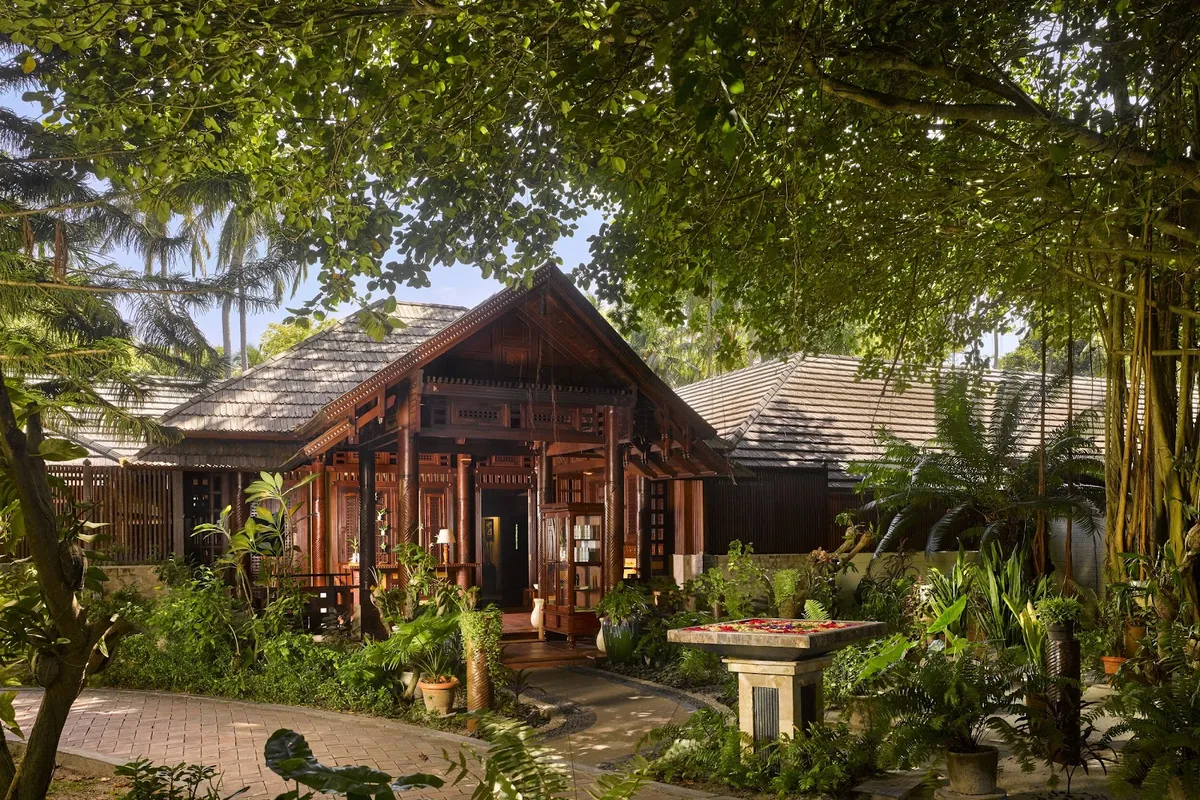
Shaviyani Atoll is synonymous with ultra-luxury and privacy, offering a curated selection of properties that truly embody the Maldivian dream. The atoll's development strategy focuses on sustainable, low-impact tourism, meaning fewer resorts, but each is designed to complement the natural beauty rather than compete with it. In our database, two signature properties truly stand out, defining the high-end experience here:
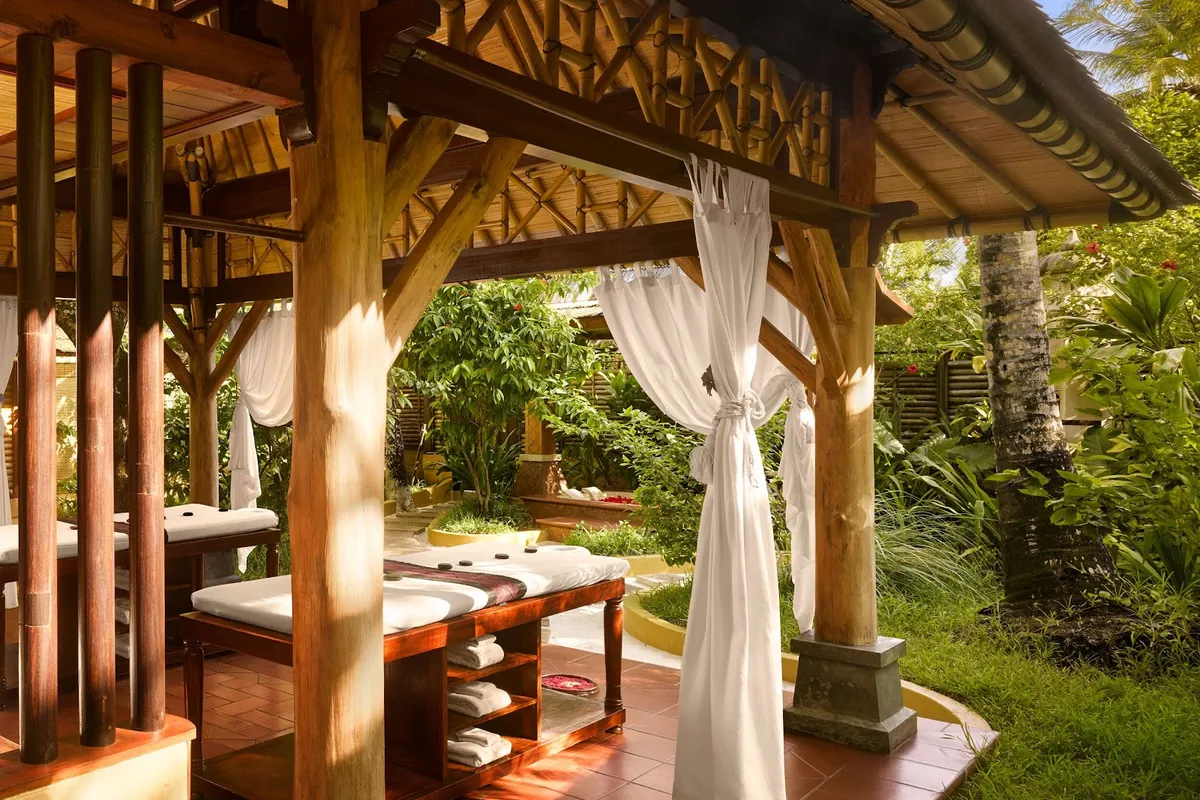
- JW Marriott Maldives Resort & Spa: This property is an epitome of refined luxury, offering expansive overwater and beach villas, many with private pools. It's renowned for its exceptional dining experiences across multiple restaurants and a strong commitment to authentic Maldivian experiences, including traditional fishing excursions. Their award-winning Spa by JW and a dedicated marine biology center focusing on coral restoration further enhance its appeal.
- Fairmont Maldives, Sirru Fen Fushi: Meaning "Secret Island" in Dhivehi, this resort lives up to its name, providing a secluded paradise within one of the largest lagoons in the archipelago. It's celebrated for its unique artistic and conservation efforts, most notably the world's first semi-submerged tidal gallery, the Coralarium by Jason deCaires Taylor, which doubles as an active coral nursery. The resort offers spacious villas, direct snorkeling access to its house reef, and an array of marine conservation programs included in the stay.
While these two dominate the luxury landscape, Shaviyani's minimal tourism ensures an exclusive feel across any property here. We've observed that the focus remains on delivering bespoke experiences and integrating with the natural environment.
Local Islands & Guesthouses
For those eager to experience the authentic pulse of Maldivian life, away from the resort bubble, Shaviyani Atoll offers a genuine, albeit limited, local island scene. On Shaviyani Atoll, we currently cover Goidhoo, an island that provides a truly immersive cultural experience.
Goidhoo is the second northernmost inhabited island in the atoll, boasting a lush, green landscape, expansive white sand beaches, and a registered population that maintains traditional ways of life. Here, you'll find a welcoming community and a peaceful atmosphere that stands in stark contrast to the more developed tourist hubs. The island is ideal for visitors seeking tranquility, cultural immersion, and direct access to stunning natural beauty, including pristine beaches perfect for swimming and sunbathing.
While the guesthouse scene is still developing, Goidhoo does offer accommodation. For instance, Stay Sh. Goidhoo provides an intimate experience with a limited number of rooms, fostering a cozy and homely atmosphere. Other options like Horsburgh Island Guest House and Olive Goidhoo Hotel are also available. Transfers to Goidhoo from Malé typically involve a domestic flight to Funadhoo Airport (FND), followed by a speedboat transfer arranged by your guesthouse. It’s important to note that while bikini beaches are becoming more common on inhabited islands, we always recommend asking your guesthouse about designated areas to ensure cultural respect.
The beauty of Goidhoo lies in its unpretentious charm and the opportunity to connect with friendly locals, observe traditional customs, and savor genuine hospitality. If you're looking for a vibrant nightlife or a wide selection of restaurants beyond your guesthouse, this might not be your ideal destination. However, for a peaceful, culturally rich escape, Goidhoo is a hidden gem.
When to Visit
Deciding when to visit Shaviyani Atoll largely depends on your priorities, though the Maldives enjoys a tropical climate with consistently warm temperatures year-round, typically ranging from 27°C to 32°C.
- Dry Season (Northeast Monsoon): December to April
This is widely considered the peak season for general tourism due to its sunny skies, minimal rainfall, and low humidity. The seas are generally calm, and underwater visibility is at its best, often exceeding 30 meters, making it prime time for diving and snorkeling, especially on the eastern sides of the atolls. January and February are often the driest months, offering nearly perfect conditions. Prices for resorts and flights tend to be highest during this period, and resorts can be busier. - Transitional Months: May and November
April marks the end of the dry season and can be the hottest month, with increased humidity and a higher chance of short rain showers as it transitions into the wet season. November marks the transition back to the dry season, with improving weather and settling seas. These shoulder months can offer a good balance of decent weather and potentially lower prices compared to peak season. - Wet Season (Southwest Monsoon): May to November
This period sees more rainfall, higher humidity, and occasional storms, with June to September often being the wettest. However, rain typically comes in short, heavy bursts followed by sunshine, and it rarely rains all day. The trade-off for potentially variable weather is often lower prices and fewer crowds. Crucially, this is generally the best time for encountering manta rays and whale sharks, as the increased plankton in the water attracts these filter-feeders to feeding grounds and cleaning stations, particularly on the western sides of the atolls. Surf season, where relevant, often aligns with this monsoon.
Our clear recommendation: For overall best weather, calm seas, and exceptional visibility, aim for January to March. If your primary goal is to encounter manta rays and whale sharks, and you don't mind the possibility of occasional rain, then June to October offers the highest chances. However, the Maldives is a year-round destination, and even in the wet season, stunning days are common, often with better value.
Sample 5-Day Itinerary
This itinerary blends relaxation with the unique experiences Shaviyani Atoll offers, suitable for both budget-luxury (guesthouse) and ultra-luxury (resort) travelers, with slight adjustments.
Day 1: Arrival and Immersion
- Morning/Afternoon: Arrive at Velana International Airport (MLE).
- Ultra-luxury: Be greeted by your resort's representative and whisked away to their private seaplane lounge. Enjoy refreshments before your scenic 50-minute seaplane transfer directly to your resort. Check into your overwater or beach villa.
- Budget-luxury (Goidhoo): Take a domestic flight to Funadhoo Airport (FND) (approx. 45-60 min). Your guesthouse host will meet you for a short speedboat transfer to Goidhoo. Settle into your cozy guesthouse room.
- Late Afternoon: Settle in, unpack, and take your first dip in the pristine lagoon.
- Ultra-luxury: Explore your villa, perhaps a sunset swim in your private pool.
- Budget-luxury (Goidhoo): Stroll along the white sand beach, enjoying the local atmosphere.
- Evening: Enjoy a relaxed dinner.
- Ultra-luxury: Indulge in fine dining at one of your resort's signature restaurants.
- Budget-luxury (Goidhoo): Savor authentic Maldivian cuisine prepared by your guesthouse, perhaps a fresh catch of the day.
Day 2: Underwater Wonders & Relaxation
- Morning: Dive or snorkel the atoll's incredible reefs.
- Ultra-luxury: Join the resort's marine biology team for a guided snorkeling tour of the house reef or a two-tank dive to sites like Funadhoo Caves or Maafaru Channel. Consider participating in a coral restoration program.
- Budget-luxury (Goidhoo): Arrange a snorkeling excursion to a nearby sandbank or a local dive site. The guesthouse can connect you with local boat operators.
- Afternoon: Leisure and relaxation.
- Ultra-luxury: Enjoy a spa treatment, lounge by the infinity pool, or simply relax on your private deck.
- Budget-luxury (Goidhoo): Relax on Goidhoo's beautiful beaches, read a book, or try some local fishing from the shore.
- Evening: Sunset experience.
- Ultra-luxury: A private sunset dolphin cruise with canapés and champagne.
- Budget-luxury (Goidhoo): Watch the sunset from the beach, perhaps with a freshly cut coconut.
Day 3: Island Exploration & Local Culture (or further adventure)
- Morning:
- Ultra-luxury: Take a jet ski tour of the surrounding uninhabited islands, or a guided visit to the Coralarium at Fairmont Maldives, Sirru Fen Fushi.
- Budget-luxury (Goidhoo): Explore Goidhoo island on foot. Visit the local mosque, interact with residents, and observe traditional boat building. Perhaps a cooking class to learn Maldivian dishes.
- Afternoon: Water sports or continued cultural immersion.
- Ultra-luxury: Try paddleboarding, kayaking, or windsurfing in the calm lagoon.
- Budget-luxury (Goidhoo): Enjoy swimming in the designated areas along the white sand beach.
- Evening: Special dining experience.
- Ultra-luxury: A private beach BBQ under the stars, or a themed dinner at one of the resort's specialty restaurants.
- Budget-luxury (Goidhoo): A communal dinner with your hosts and other guests, sharing stories of the day.
Day 4: Ultimate Relaxation or Marine Safari
- Morning:
- Ultra-luxury: Indulge in a leisurely breakfast, followed by a final spa treatment or simply enjoy your villa and its amenities.
- Budget-luxury (Goidhoo): Embark on a full-day marine safari, snorkeling with turtles, or searching for manta rays and whale sharks (seasonal).
- Afternoon: Free time.
- Ultra-luxury: Relax by the pool, enjoy a book, or take a final swim in the ocean.
- Budget-luxury (Goidhoo): Relax on the beach, or visit the Kandoofa pavilion on the eastern side of the island.
- Evening: Farewell dinner.
- Ultra-luxury: A final exquisite meal, perhaps a chef's tasting menu.
- Budget-luxury (Goidhoo): A farewell dinner with your guesthouse hosts, reflecting on your authentic Maldivian experience.
Day 5: Departure
- Morning: Enjoy a last Maldivian breakfast.
- Ultra-luxury: Your resort will arrange your seaplane transfer back to Malé, timed to connect with your international flight.
- Budget-luxury (Goidhoo): A speedboat transfer back to Funadhoo Airport, then a domestic flight to Malé for your international departure.
Practical Info
- Money & tipping: The local currency is the Maldivian Rufiyaa (MVR), but US Dollars (USD) are widely accepted at resorts and guesthouses. Credit cards are standard at resorts. Tipping is appreciated for good service; typically, a 10% service charge is added to bills at resorts, but additional tips for exceptional service (e.g., dive instructors, villa hosts, housekeepers) are common. For guesthouses, a small cash tip at the end of your stay is a thoughtful gesture.
- Connectivity: Resorts offer reliable Wi-Fi, often complimentary. For local islands and general connectivity, we recommend purchasing a local SIM card from Dhiraagu or Ooredoo upon arrival at Malé International Airport (MLE). This provides affordable data for your stay.
- Weather patterns: The Maldives has a tropical monsoon climate with two main seasons. The dry season (Northeast Monsoon) runs from December to April, characterized by sunny, calm weather. The wet season (Southwest Monsoon) runs from May to November, bringing higher humidity and more frequent, though often brief, rain showers. Temperatures remain consistently warm, averaging 27-32°C year-round.
- Medical / emergencies: For minor ailments at resorts, on-site medical staff or a visiting doctor will be available. For more serious emergencies in Shaviyani Atoll, the nearest regional hospital is Kulhudhuffushi Regional Hospital, located in the neighboring Haa Dhaalu Atoll, which provides 24/7 emergency services and comprehensive care. Funadhoo, the administrative capital of Shaviyani Atoll, also has a health centre. Evacuation to larger hospitals in Malé or even international facilities is a reality for severe cases, arranged by your resort or travel insurance provider. We strongly advise comprehensive travel insurance that covers medical emergencies and evacuations.
- Sustainability notes: Shaviyani Atoll is celebrated for its remarkably healthy coral reefs, a testament to its limited tourism and dedicated conservation efforts. Resorts like Fairmont Maldives, Sirru Fen Fushi, are actively involved in coral restoration projects, such as their Coralarium, which functions as an artificial reef and marine life habitat. Many properties have marine biologists on staff who conduct educational programs and monitor reef health. We encourage visitors to participate in these initiatives, choose reef-safe sunscreen, and practice responsible snorkeling and diving to protect this fragile ecosystem.
aMaldives Expert Verdict
Our take: Shaviyani Atoll is the Maldives for those who seek genuine escape and pristine natural beauty without compromise. It's perfect for discerning travelers craving remote luxury, exceptional diving, and profound privacy in an untouched paradise. The one caveat is its distance, which translates to higher transfer costs and a less bustling local scene compared to central atolls. However, the single clearest reason to book Shaviyani Atoll over a neighboring atoll is the unparalleled sense of exclusivity and the vibrant, healthy reefs that thrive away from the crowds. You're not just visiting the Maldives; you're discovering its secret heart.
— aMaldives Editorial Team, reviewed 2026
Frequently Asked Questions
How long does it take to transfer from Malé to Shaviyani Atoll and what is the cost?
Transfers to Shaviyani Atoll typically take 40-50 minutes by seaplane, costing around $850-$950 USD per person roundtrip for luxury resorts. Alternatively, a domestic flight to Funadhoo Airport (FND) takes 45-60 minutes, followed by a short speedboat ride to your resort or guesthouse. The domestic flight portion can range from $250-$400 USD per person roundtrip, plus speedboat costs.
Which is the best resort in Shaviyani Atoll for honeymooners?
For honeymooners, both JW Marriott Maldives Resort & Spa and Fairmont Maldives, Sirru Fen Fushi offer exceptional romantic experiences. The JW Marriott is known for its expansive, private villas and diverse dining, while Fairmont's "Secret Island" vibe and unique Coralarium provide an enchanting backdrop for couples seeking something truly special.
What is the best resort in Shaviyani Atoll for families?
The JW Marriott Maldives Resort & Spa is an excellent choice for families, offering dedicated family beach villas with pools, a kids' club, and a family pool. Fairmont Maldives, Sirru Fen Fushi also caters well to families, with spacious two-bedroom villas and marine biology programs that engage younger guests.
Do I need a dive certification to experience diving in Shaviyani Atoll?
While a dive certification (e.g., PADI Open Water) is required for scuba diving, you can still experience the incredible underwater world through guided snorkeling tours, which do not require certification. Resorts also offer "Discover Scuba Diving" programs for beginners to try diving under direct supervision without full certification.
When is the best season to see whale sharks and manta rays in Shaviyani Atoll?
For the highest chances of encountering manta rays and whale sharks, the wet season, from May to November, is generally recommended. During these months, increased plankton in the water attracts these large filter-feeders to feeding grounds and cleaning stations.
Can I combine a visit to Shaviyani Atoll with another Maldivian atoll?
Yes, it is possible to combine Shaviyani Atoll with another atoll, though it often involves returning to Malé for a connecting seaplane or domestic flight. For instance, you could pair it with a central atoll like Baa (for Hanifaru Bay in season) or North Malé for a different resort experience, but factor in the additional transfer time and cost.
Is Shaviyani Atoll safe for solo travelers?
The Maldives, including Shaviyani Atoll, is generally very safe for solo travelers, especially within the confines of resorts. Local islands like Goidhoo are also welcoming and safe. Standard travel precautions apply, but serious crime is rare. Resorts offer a secure and private environment.
Is alcohol available in Shaviyani Atoll?
Alcohol is readily available at all resorts in Shaviyani Atoll. However, on local inhabited islands like Goidhoo, alcohol is prohibited by Maldivian law due to the country's Islamic culture. If staying at a guesthouse, you will not find alcohol on the island itself.
What is the typical cost per day for a trip to Shaviyani Atoll?
The cost per day in Shaviyani Atoll varies significantly. For an ultra-luxury resort, expect to spend upwards of $1,000-$2,000+ USD per person per day, including accommodation, food, activities, and transfers. For a budget-luxury experience on a local island like Goidhoo, costs could range from $150-$300+ USD per person per day, depending on guesthouse, meals, and excursions.
What is the ideal length of stay for Shaviyani Atoll?
We recommend a minimum of 5-7 nights to truly appreciate the remote luxury, diving, and tranquility of Shaviyani Atoll. This allows ample time for relaxation, exploring the underwater world, and perhaps a local island visit, without feeling rushed by the transfer times.