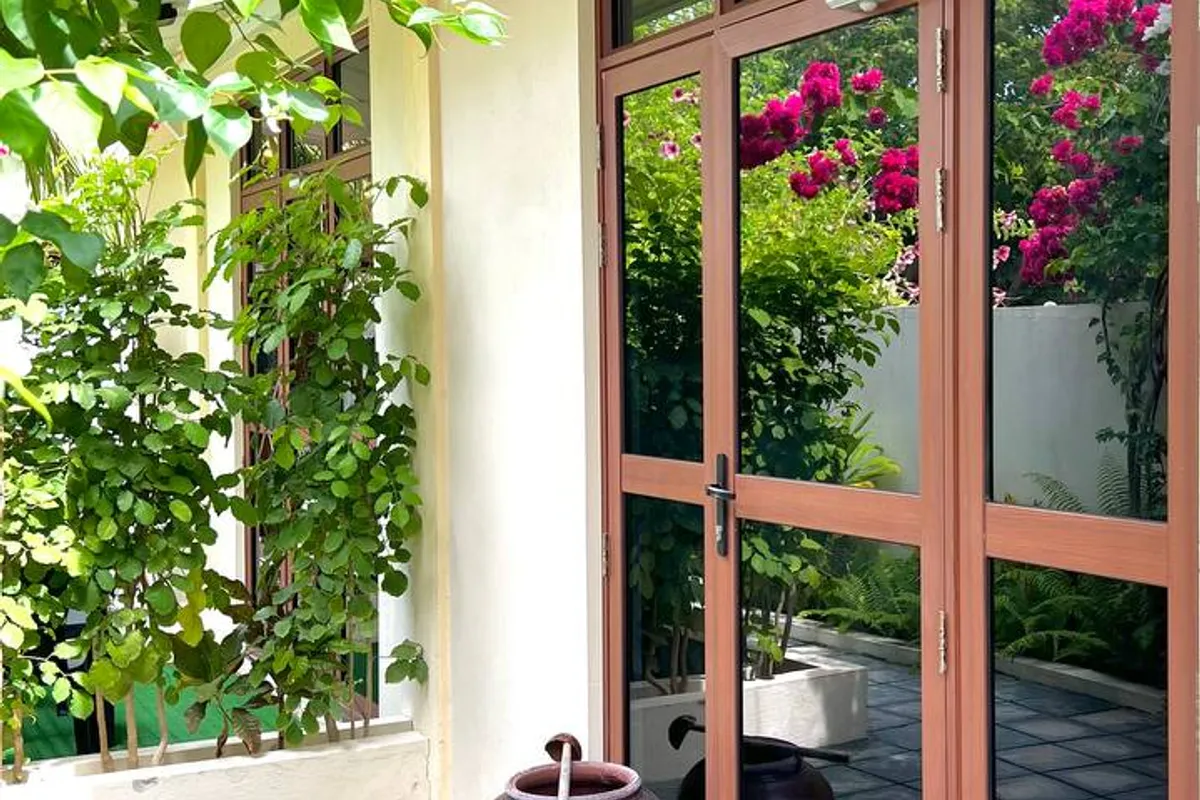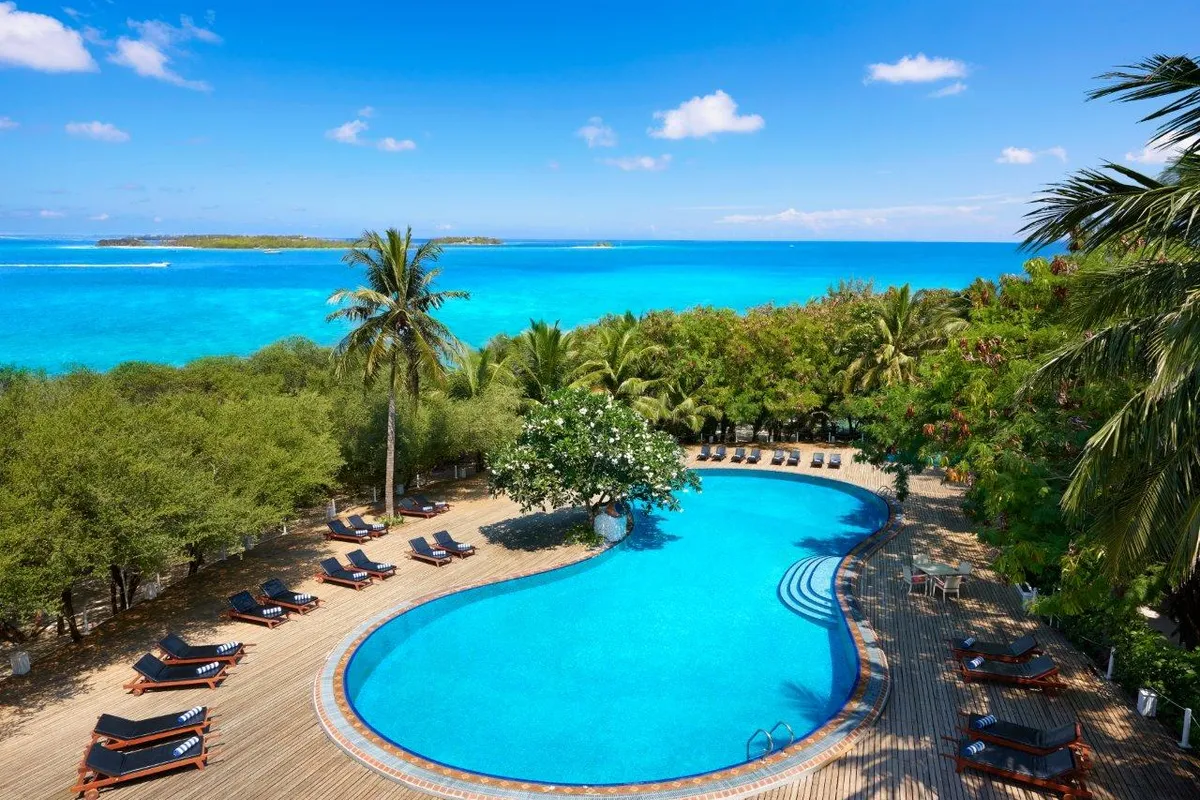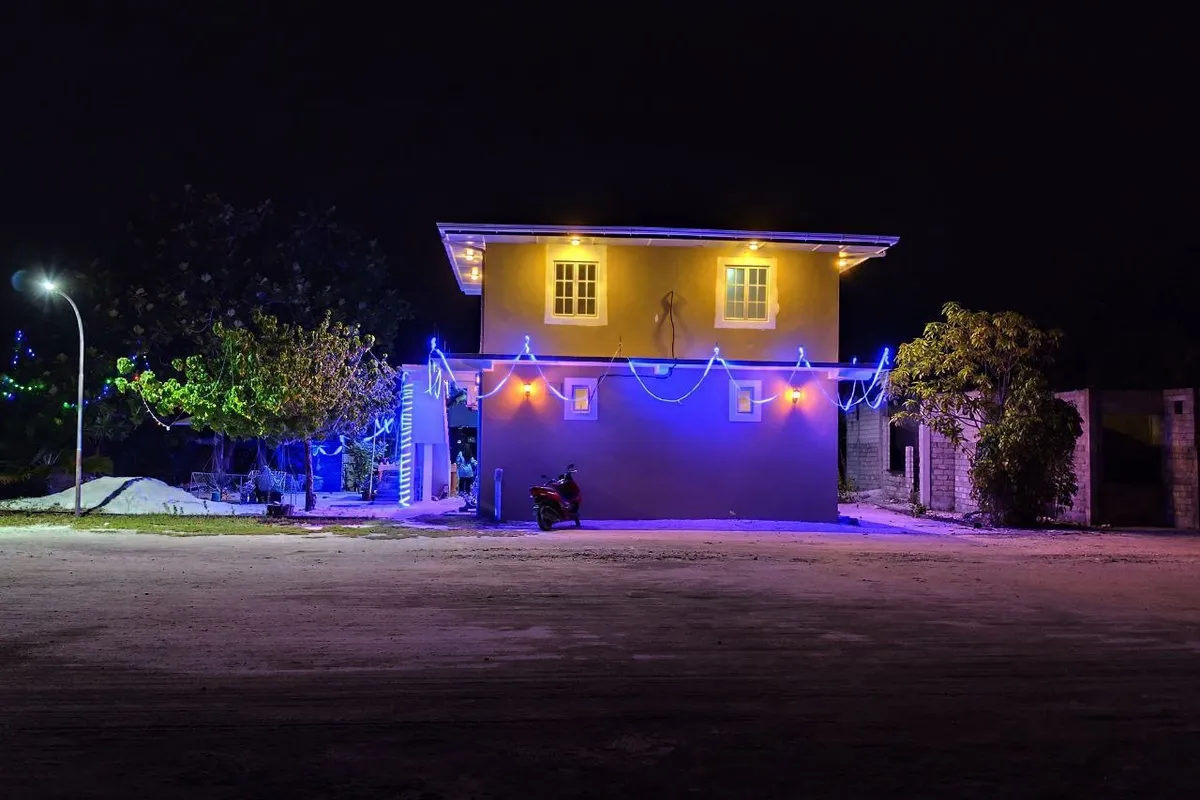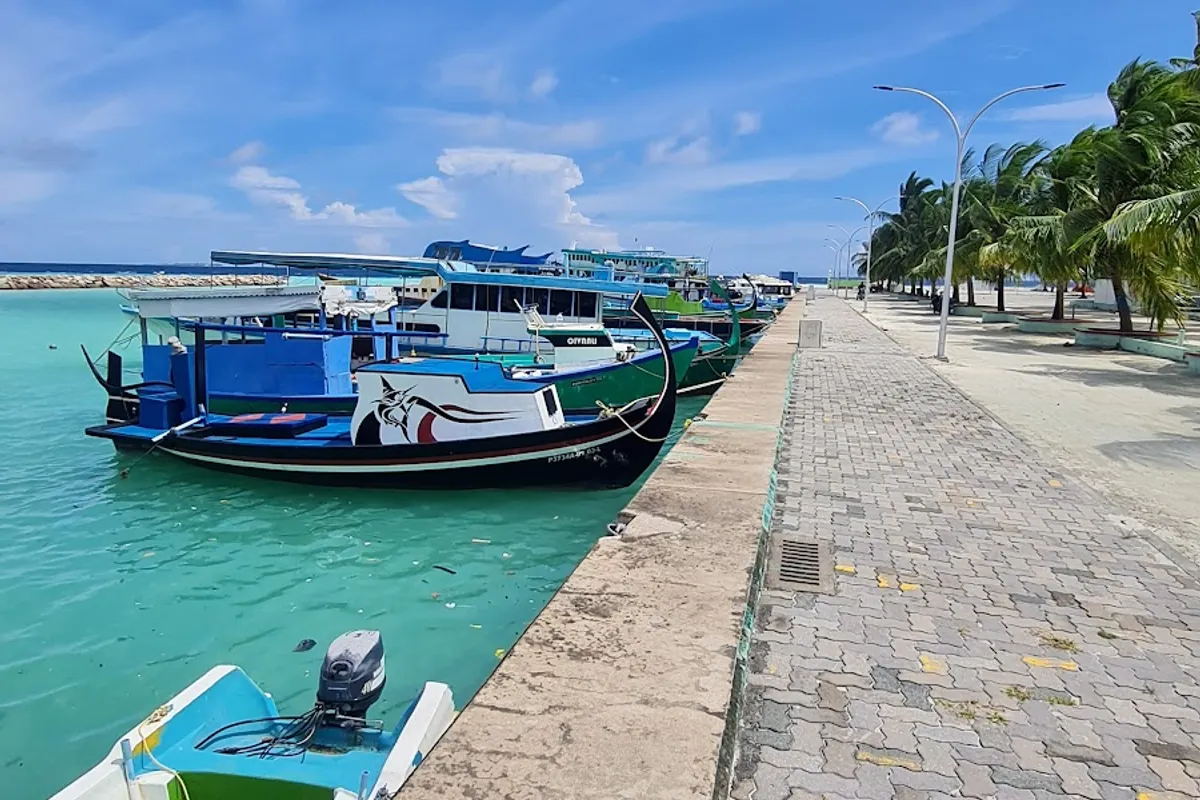
Stepping onto Nilandhoo, the scent of salt and sun-warmed coral dust immediately greets you, a gentle breeze rustling the palm fronds overhead. The rhythm of distant waves and the soft murmur of local life replace the drone of the speedboat, as the vibrant turquoise waters of the lagoon lap invitingly at the shore. This is an island where history whispers from ancient stones and daily life unfolds with an authentic Maldivian cadence. Nilandhoo is for the discerning traveler seeking genuine culture, uncrowded reefs, and a tranquil escape from the ordinary.
Why Nilandhoo
In our two decades exploring these atolls, we've found Nilandhoo to be a standout among the Maldives' inhabited islands, particularly for those craving more than just pristine beaches. What truly sets Nilandhoo apart is its rich historical tapestry, a rarity in a nation often defined by its natural beauty alone. The island is home to the Aasaari Miskiy, one of the oldest mosques in the Maldives, with archaeological evidence suggesting human settlement here for over a thousand years. Walking among these ancient coral stone structures offers a tangible connection to the past, a stark contrast to the modern resorts.
Beyond its historical significance, Nilandhoo serves as the capital of Faafu Atoll, lending it a certain understated vibrancy without sacrificing its peaceful charm. Genuine visitors often remember the warmth of the local community, the unhurried pace of life, and the feeling of truly being immersed in Maldivian culture. The diving and snorkeling here are also a significant draw, with healthy reefs and channels teeming with marine life, yet far from the bustling dive sites of more popular atolls. We appreciate that Faafu Atoll offers a more compact and navigable experience, meaning shorter boat rides to diverse dive spots.
However, we believe in honesty. Nilandhoo is not a party island, nor does it offer the extensive dining and entertainment options found on larger tourist-centric local islands. Those seeking a resort-style experience with alcohol and international cuisine on tap will find it lacking. Its appeal lies precisely in its authenticity and tranquility, which might be a drawback for some.
Who It Suits (and Who Should Skip It)
- Best for: History enthusiasts keen to explore ancient Maldivian sites, divers and snorkelers seeking uncrowded and vibrant reefs, travelers interested in authentic local culture and daily island life, and budget-conscious adventurers willing to embrace local transport and guesthouse stays.
- Probably not for: Party-goers, those expecting a wide array of dining and nightlife options, luxury resort seekers, or travelers who prioritize ease of access and direct, swift transfers above all else.
Getting There
Reaching Nilandhoo from Velana International Airport (MLE) near Malé requires a combination of transfers, as there is no direct public ferry that makes the journey practical for tourists. Nilandhoo is located approximately 141.57 km southwest of Malé, making it a destination best reached by a domestic flight followed by a speedboat, or a longer, shared speedboat journey directly from Malé.
- Public ferry: A direct public ferry from Malé to Nilandhoo is not a viable option for most travelers due to the significant distance and lack of a direct route. While there are public ferry services within Faafu Atoll, such as between Nilandhoo and Dharaboodhoo, these are for inter-atoll travel and do not connect directly to Malé. A multi-leg public ferry journey would be extremely time-consuming, likely requiring overnight stops, and we simply don't recommend it for visitors. Public ferries also do not operate on Fridays.
- Shared speedboat: For a more direct, albeit longer, sea transfer, shared speedboats are available. Given the distance of over 140 km, this would fall into the "extended routes" category for speedboat transfers. Expect a journey duration of approximately 2.5 to 3 hours, depending on sea conditions and intermediate stops. Per-person fares typically range from $70 to $100 USD one-way, but this can vary significantly between operators and often needs to be arranged in advance through your guesthouse. Booking several days ahead is advisable to secure your spot.
- Private speedboat: The most flexible and fastest option for sea transfer is a private speedboat. This allows you to depart on your schedule and typically shortens the journey from Malé to Nilandhoo to about 1.5 to 2 hours. However, this convenience comes at a higher cost, with prices generally ranging from $800 to $1200 USD per boat, one-way, depending on the size of the vessel and the operator. Your guesthouse can assist in arranging a private transfer.
- Domestic flight: This is often the most practical and efficient way to reach Nilandhoo. Faafu Atoll does not have its own airport, so you would fly from Velana International Airport (MLE) to a nearby domestic airport, typically Dhaalu Airport (DDD) in Dhaalu Atoll. Airlines like Maldivian and Manta Air operate these routes. The flight duration is usually around 45 to 60 minutes. Fares for a one-way domestic flight can range from $200 to $300 USD per person. Upon arrival at Dhaalu Airport, your guesthouse will arrange an onward speedboat transfer to Nilandhoo, which will take an additional 30 to 60 minutes, with costs typically ranging from $30 to $70 USD per person for a shared transfer or $200 to $400 USD for a private one.
Find the best flight deals
Search Flights →
One practical tip we always share: if your international flight lands in Malé after 16:00, you will likely miss the last shared speedboat or domestic flight connections to Nilandhoo. We recommend planning an overnight stay at an airport hotel in Hulhumalé if your arrival is late to avoid unnecessary stress and ensure a smooth onward journey the next morning.
Transfer Summary
| Option | Duration | Typical Cost (USD) | Best For |
|---|---|---|---|
| Public ferry | Not recommended | N/A | Extreme budget, very long travel |
| Shared speedboat | 2.5-3 hours | $70-100 pp | Budget-conscious, comfortable with longer sea travel |
| Private speedboat | 1.5-2 hours | $800-1200 per boat | Speed, flexibility, groups |
| Domestic flight + speedboat | 1-1.5 hours (total) | $230-370 pp | Efficiency, comfort, avoiding long sea journeys |
The Beach & House Reef
Nilandhoo, like many local islands, offers a designated bikini beach where visitors can relax and swim in appropriate swimwear. While we haven't found specific details on its exact length or amenities, in our experience, these beaches are generally well-maintained, offering soft white sand and clear, calm waters typical of the Maldives. You can usually expect some natural shade from palm trees, and occasionally, guesthouses provide sun loungers for their guests. It’s always a good idea to confirm the exact location and facilities of the bikini beach with your guesthouse upon arrival.
The island's house reef is a genuine highlight. We've found that the reefs in Faafu Atoll generally boast healthy coral ecosystems, with vibrant hard and soft corals. There's typically a gentle slope leading to a drop-off, offering varied depths for both snorkelers and divers. Visibility on the house reef is generally excellent, particularly during the dry season from December to April, when the seas are calmer. Snorkelers can expect to encounter a diverse range of reef fish, turtles, and smaller reef sharks. While currents can be present, especially around channel entries, the house reef itself is usually suitable for relaxed drift snorkeling. Always be mindful of currents, and if you're unsure, ask your guesthouse or a local guide for advice on the best spots and times to snorkel safely.
Diving & Snorkelling
Faafu Atoll is a gem for underwater enthusiasts, offering a less crowded diving experience compared to the central atolls, yet with an abundance of marine life. The atoll's best dive sites are often clustered around its northeast edge, characterized by wide, relatively shallow channels.
Named dive sites reachable from Nilandhoo include "Jumping Jack," a series of thilas (submerged pinnacles) where divers can hop between reefs, often encountering sharks, eagle rays, and schools of tuna. "Nilandhoo Kandu" and "Nilandhoo Giri" are also local spots worth exploring. For those seeking larger pelagics, Faafu Atoll is known for mantas, barracuda, eagle rays, Napoleon wrasse, and both white-tip and grey reef sharks. "Manta Point" in the atoll is particularly active between December and April, offering excellent opportunities to witness these majestic creatures at cleaning stations. Occasional whale shark sightings have also been reported in the atoll's waters. Another notable site is "Filtheyo Kandu," a marine protected area known for grey reef sharks, eagle rays, and large schools of reef fish.
While we haven't identified specific PADI dive operators directly on Nilandhoo in our recent checks, it's common for guesthouses on local islands to partner with nearby dive centers or even operate their own small dive operations. We always recommend checking with your chosen guesthouse, as they will be best placed to arrange diving excursions for you. For those looking to get certified, entry-level PADI Open Water Diver courses in the Maldives typically range from $550 to $975 USD, depending on the dive center, course inclusions, and whether you opt for e-learning components.
Surfing / Fishing / Water Sports
While Nilandhoo is not known as a surf destination – the bikini beach, for example, is noted as being better for swimming than surfing – it certainly offers other aquatic activities. Fishing, a cornerstone of Maldivian life, is readily available. Guesthouses can arrange traditional night fishing trips or big game fishing excursions. Beyond that, you can expect to find standard non-motorized watersports like kayaking and stand-up paddleboarding, often available for rent through guesthouses. For motorized options, such as jet skis or parasailing, you might need to arrange a day trip to a nearby resort or a larger local island that offers these services.
Food, Bars & Nightlife (what there is of it)
When it comes to dining on Nilandhoo, temper your expectations for Michelin-starred restaurants or bustling nightlife. As a local inhabited island, the focus is on authentic Maldivian flavors and a relaxed, community-focused atmosphere. You'll find a handful of local cafés and small eateries serving traditional Maldivian dishes like garudhiya (fish broth), mas huni (shredded smoked tuna with coconut), and various curries, often accompanied by roshi (flatbread) or rice. Many guesthouses also offer meal plans, featuring a mix of local and international comfort food, including common Asian options like Thai or Indian-inspired dishes.
Most local spots will be cash-only, so it's wise to carry Maldivian Rufiyaa (MVR) or smaller USD denominations. Connectivity for card payments can be unreliable. As for nightlife, there is none in the Western sense – alcohol is strictly prohibited on all local islands in the Maldives. This is a crucial cultural note. If you wish to enjoy an alcoholic beverage, your options are limited to organized day trips to nearby resort islands or, occasionally, a "floating bar" boat anchored away from the island's shores. These excursions are typically arranged by guesthouses and come at an additional cost.
Cultural Notes & Dress Code
Visiting a local island like Nilandhoo offers a unique opportunity to experience authentic Maldivian culture, and respecting local customs is paramount for a harmonious visit. The Maldives is a Muslim nation, and modesty in dress is expected when you are in the village or public areas. This means covering your shoulders and knees. While it might be warm, a light sarong or shawl can easily cover shoulders, and longer shorts or skirts are perfectly acceptable.
Swimwear, including bikinis, should be strictly reserved for designated "bikini beaches" or private guesthouse areas, if available. Never wear swimwear in the main village or when visiting local shops and restaurants. Always confirm the location of the bikini beach with your guesthouse.
Ramadan, the Islamic holy month of fasting, is an important time in the Maldives. During Ramadan, locals fast from dawn until dusk, and many businesses may operate on reduced hours. While guesthouses will continue to cater to tourists, it's a time for heightened cultural sensitivity. For your planning, Ramadan is expected to begin around February 17, 2026, and end around March 18, 2026. For 2027, it's estimated to begin around February 7 and end around March 8. Dates can vary by a day or two depending on moon sightings, so we'd recommend confirming closer to your travel time.
When taking photographs, especially of people, it's always polite to ask for permission first. Maldivians are generally very friendly and welcoming, but respect for privacy is appreciated. Finally, be aware that Friday is the day of congregational prayer, and many businesses, including shops and some local services, may be closed or have limited hours, particularly around midday. This can also affect local transfer schedules, as public ferries do not run on Fridays.
Sample Island Itinerary
Here’s how we’d plan a memorable 3-day stay on Nilandhoo, balancing cultural immersion with aquatic adventures:
Day 1: Arrival and Island Exploration
- Morning/Afternoon: Arrive on Nilandhoo via domestic flight and speedboat. Settle into your guesthouse.
- Late Afternoon: Take a leisurely stroll around the island. Visit the Aasaari Miskiy, one of the oldest mosques in the Maldives, and explore the surrounding historical areas. Wander through the village, observing local life and stopping at small shops.
- Sunset: Find a quiet spot on the local beach or a jetty to watch the spectacular Maldivian sunset.
- Evening: Dinner at your guesthouse, sampling traditional Maldivian curries and fresh fish.
- Budget Estimate: Transfers ($230-370), Guesthouse (e.g., $50), Dinner ($15-25), Snacks/Water ($5-10).
Day 2: Underwater Wonders & Sandbank Serenity
- Morning: Embark on a two-tank dive trip to explore Faafu Atoll's renowned dive sites. Head to a channel like "Jumping Jack" or "Filtheyo Kandu" to encounter reef sharks, eagle rays, and schools of pelagic fish. If it's manta season (December-April), your dive operator will aim for "Manta Point".
- Lunch: Enjoy a picnic lunch on a pristine, uninhabited sandbank or a nearby deserted island, arranged by your guesthouse or dive operator.
- Afternoon: Return to Nilandhoo for some relaxed snorkeling on the house reef, or simply unwind on the bikini beach.
- Evening: Try a local café for dinner, perhaps a hearty hedhikaa (Maldivian short eats) spread, followed by a quiet evening under the stars.
- Budget Estimate: Two-tank dive ($100-150), Sandbank trip/lunch ($30-50), Guesthouse ($50), Dinner ($10-20), Snorkel gear rental ($5-10).
Day 3: Fishing & Farewell
- Morning: Enjoy a morning of traditional Maldivian fishing. Whether it's hand-line fishing from a local dhoni or a more adventurous big game fishing trip, it’s a fantastic way to experience a vital part of Maldivian culture.
- Lunch: Have your catch prepared for lunch at your guesthouse, a truly fresh and local experience.
- Afternoon: Last-minute souvenir shopping in the village, or simply relax and soak in the tranquil island atmosphere.
- Evening: A farewell dinner at your guesthouse or a local restaurant, perhaps enjoying a fresh BBQ fish.
- Budget Estimate: Fishing trip ($40-80), Guesthouse ($50), Dinner ($15-25), Souvenirs ($20-50).
Practical Info
- Money: Yes, Nilandhoo has an ATM. The Bank of Maldives has installed Self-Service Banking ATM Centres on the island, offering 24/7 cash withdrawal, deposit, and transfer services. While Maldivian Rufiyaa (MVR) is the local currency, US Dollars (USD) are widely accepted at guesthouses and for excursions. However, for smaller purchases at local shops or cafés, MVR is preferred, and carrying small denominations is always useful. Card payments may have minimums or be unreliable at very small establishments.
- Connectivity: Nilandhoo benefits from more consistent electricity and internet connectivity compared to much smaller, more remote islands. You can generally expect decent 4G/5G mobile coverage across the island, and most guesthouses provide Wi-Fi, though its speed and reliability can vary. We always recommend purchasing a local SIM card upon arrival at Velana International Airport for reliable data access.
- Water: Like most inhabited islands in the Maldives, desalinated water is available for showering and general use. For drinking, bottled water is readily available at local shops and guesthouses. The cost of bottled water is generally reasonable, but to reduce plastic waste, we encourage asking your guesthouse if they offer refill points or large water dispensers.
- Medical: Nilandhoo has a health center that provides basic medical care. For more serious medical emergencies, patients would typically be transferred to a larger regional hospital or to Malé. Always ensure you have comprehensive travel insurance that covers medical emergencies and potential evacuations.
- Best time to visit: In our experience, the best time to visit Nilandhoo, and the Maldives in general, is during the dry season, from December to April. During these months, you can expect less rainfall, lower humidity, calmer seas, and excellent underwater visibility, making it ideal for diving, snorkeling, and beach activities. The shoulder months of November and May can also be good, offering fewer crowds and still pleasant weather, though with a slightly higher chance of rain.
aMaldives Expert Verdict
Our take: Nilandhoo offers a compelling blend of authentic Maldivian culture and excellent, uncrowded marine experiences, making it a truly rewarding destination for the curious traveler. While you won't find bustling nightlife or resort luxuries, its historical depth and vibrant reefs more than compensate, providing a genuine glimpse into island life. The single best reason to book here is the opportunity to explore ancient Maldivian heritage and dive pristine, less-visited sites within a welcoming local community.
Compare guesthouses on Nilandhoo
Find Hotels →— aMaldives Editorial Team, reviewed 2026
Frequently Asked Questions
Is there a bikini beach on Nilandhoo?
Yes, Nilandhoo, like most inhabited islands catering to tourists, has a designated bikini beach where visitors are permitted to wear swimwear. We recommend confirming its exact location with your guesthouse upon arrival.
Can I drink alcohol on Nilandhoo?
No, alcohol is strictly prohibited on all local islands in the Maldives, including Nilandhoo, due to the country's Muslim laws. If you wish to consume alcoholic beverages, your guesthouse can typically arrange day trips to nearby resort islands or a "floating bar" boat.
Is there an ATM on Nilandhoo?
Yes, Nilandhoo has an ATM. The Bank of Maldives operates a 24/7 Self-Service Banking ATM Centre on the island, allowing for cash withdrawals, deposits, and transfers.
Is Nilandhoo safe for solo female travelers?
In our experience, Nilandhoo, like the Maldives in general, is a very safe destination for solo female travelers. Maldivian people are known for their hospitality and respect. However, it's always wise to exercise standard travel precautions, be mindful of local customs, and inform your guesthouse of your plans.
Is Nilandhoo kid-friendly?
Yes, Nilandhoo can be a great option for families with children, particularly those looking for a quieter, more cultural experience. The calm lagoon waters are safe for swimming, and children can enjoy exploring the local village and engaging with the friendly community. Guesthouses can often arrange kid-friendly activities like snorkeling or sandbank picnics.
How reliable are the ferries to Nilandhoo?
Public ferry services within Faafu Atoll are generally reliable, but they operate on fixed schedules and do not run on Fridays. Direct public ferries from Malé are not practical for tourists. Speedboats, whether shared or private, offer more flexibility but are still subject to weather conditions. Always check with your guesthouse or transfer provider for the most up-to-date schedules and any potential delays.
What is the best month to visit Nilandhoo?
The best months to visit Nilandhoo are during the dry season, from December to April. This period offers the most stable weather, with plenty of sunshine, low humidity, calm seas, and excellent visibility for diving and snorkeling.
How many days should I stay on Nilandhoo?
We recommend a stay of 3 to 5 days on Nilandhoo. This allows enough time to explore the island's historical sites, enjoy several diving or snorkeling excursions, experience local life, and perhaps take a day trip to a nearby sandbank or deserted island, without feeling rushed.
Can I go diving if I'm not a certified diver?
Absolutely! Most dive centers, including those that service Nilandhoo, offer "Discover Scuba Diving" experiences, which allow non-certified individuals to try diving under the direct supervision of an instructor. If you enjoy it, you can then proceed to take an entry-level PADI course like the Open Water Diver certification.
Is vegetarian food available on Nilandhoo?
Yes, vegetarian food is generally available on Nilandhoo. Maldivian cuisine often features vegetable curries and fresh produce. Guesthouses are accustomed to catering to dietary preferences, so it's always best to inform them of your vegetarian requirements in advance so they can prepare suitable meals.