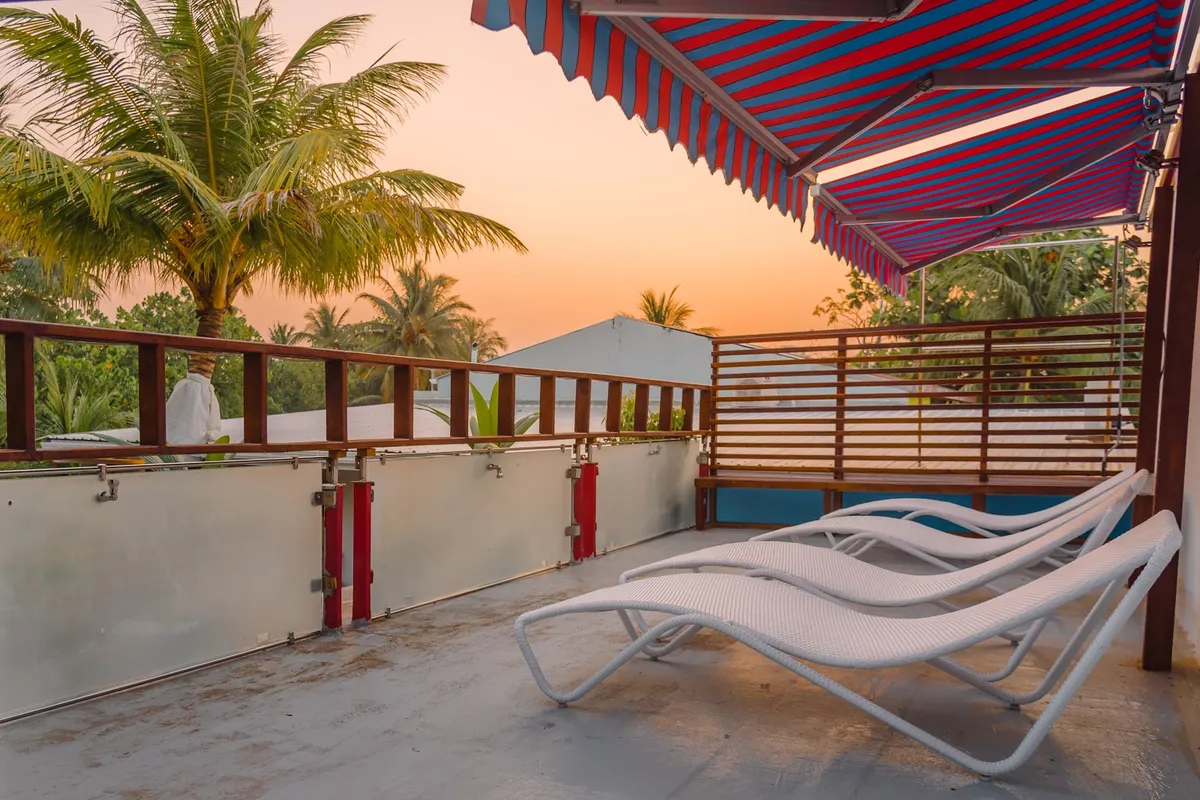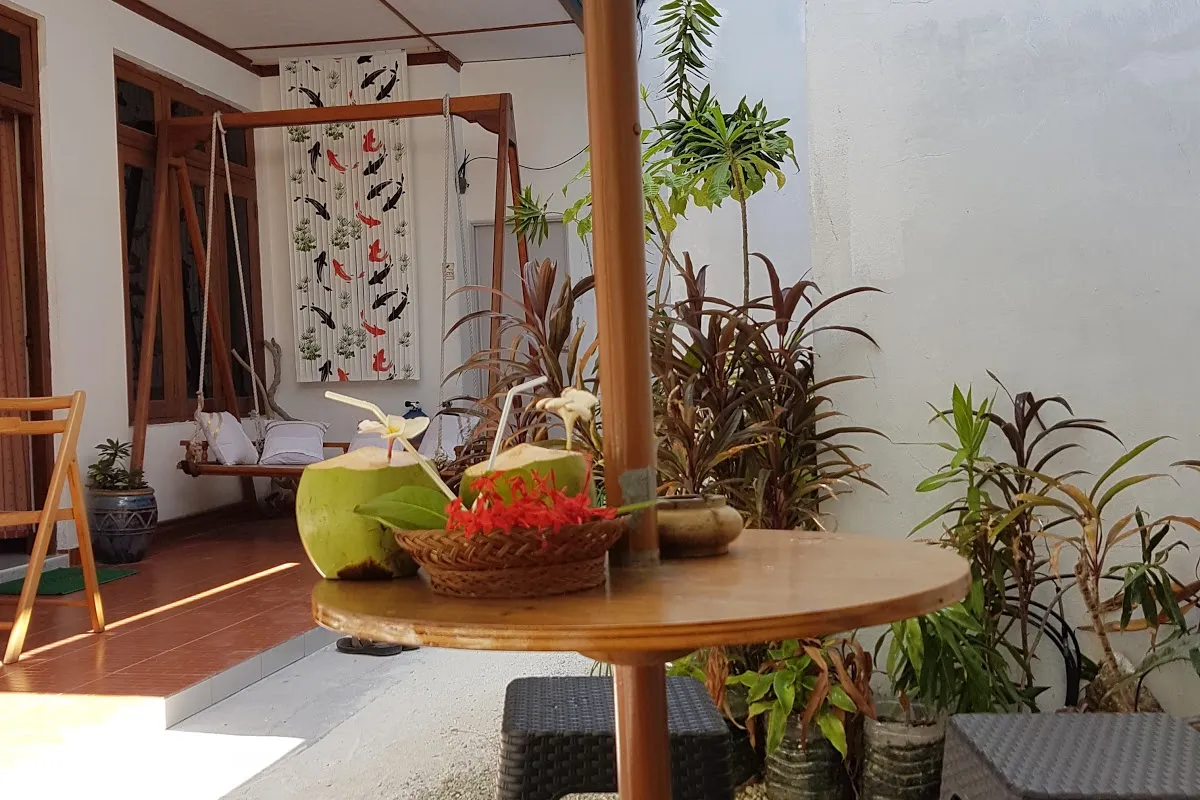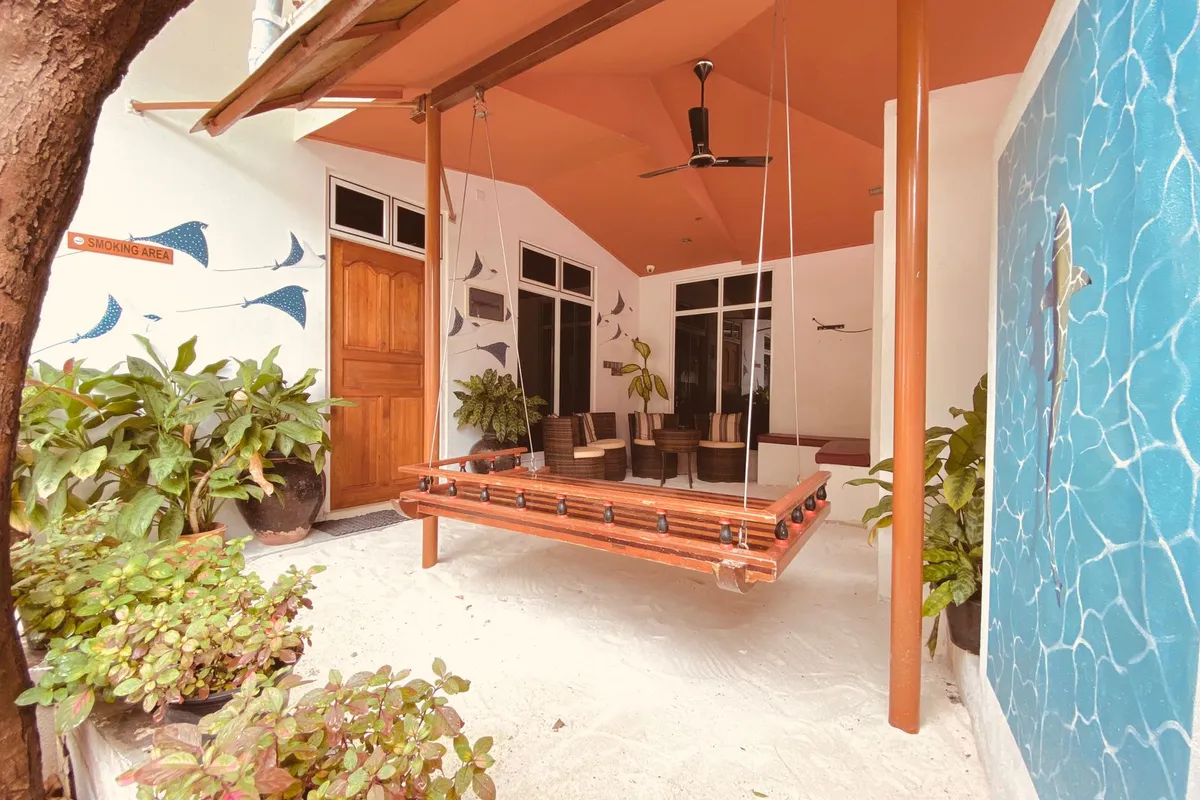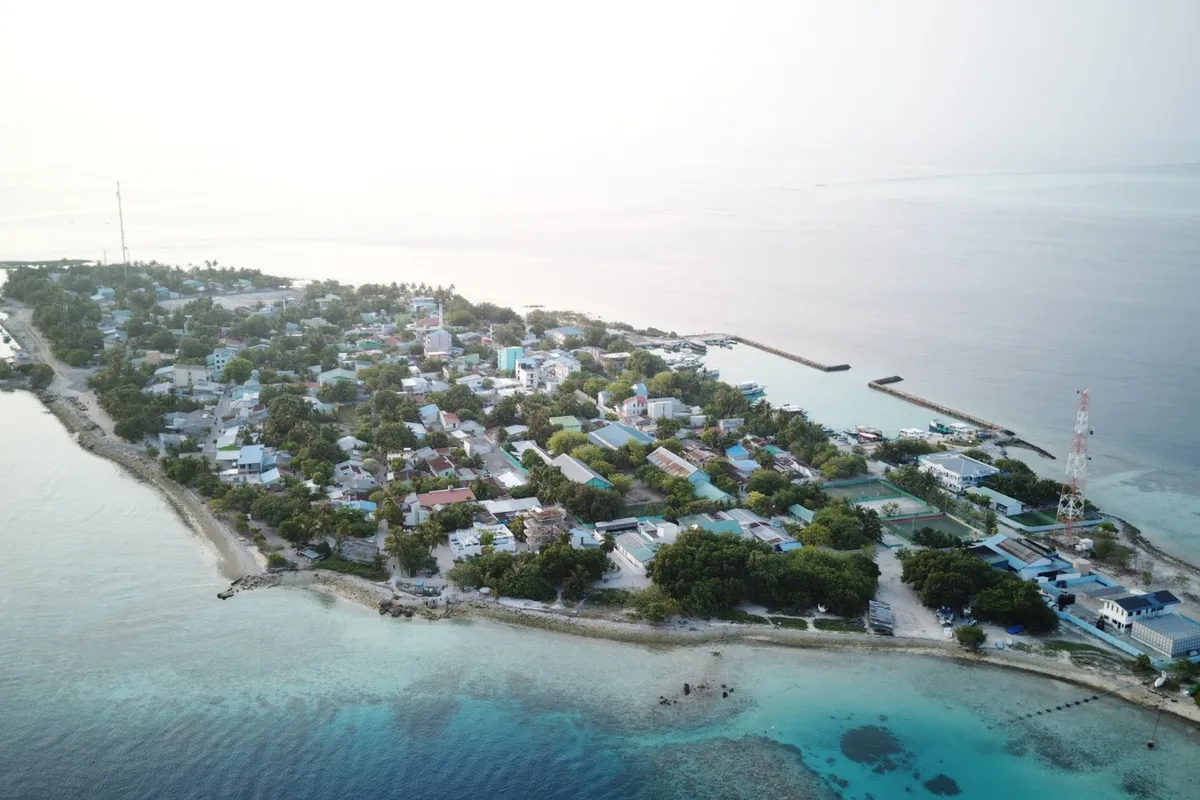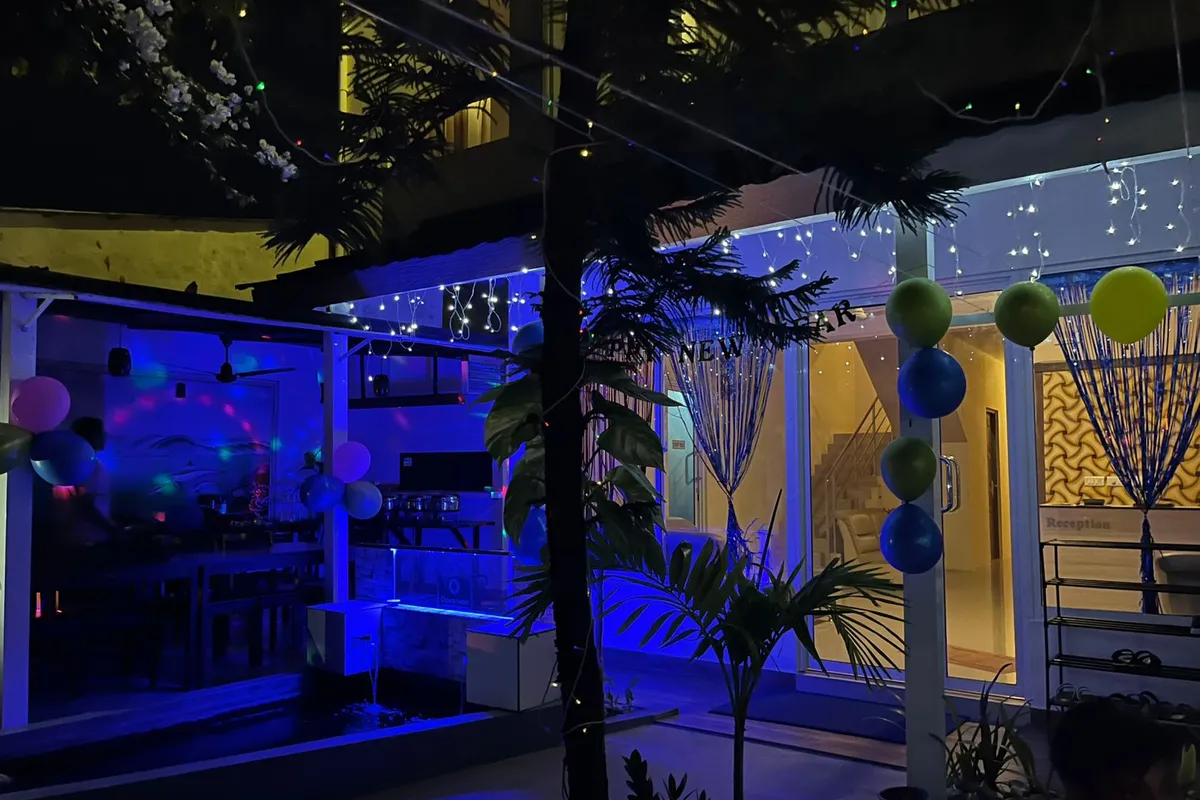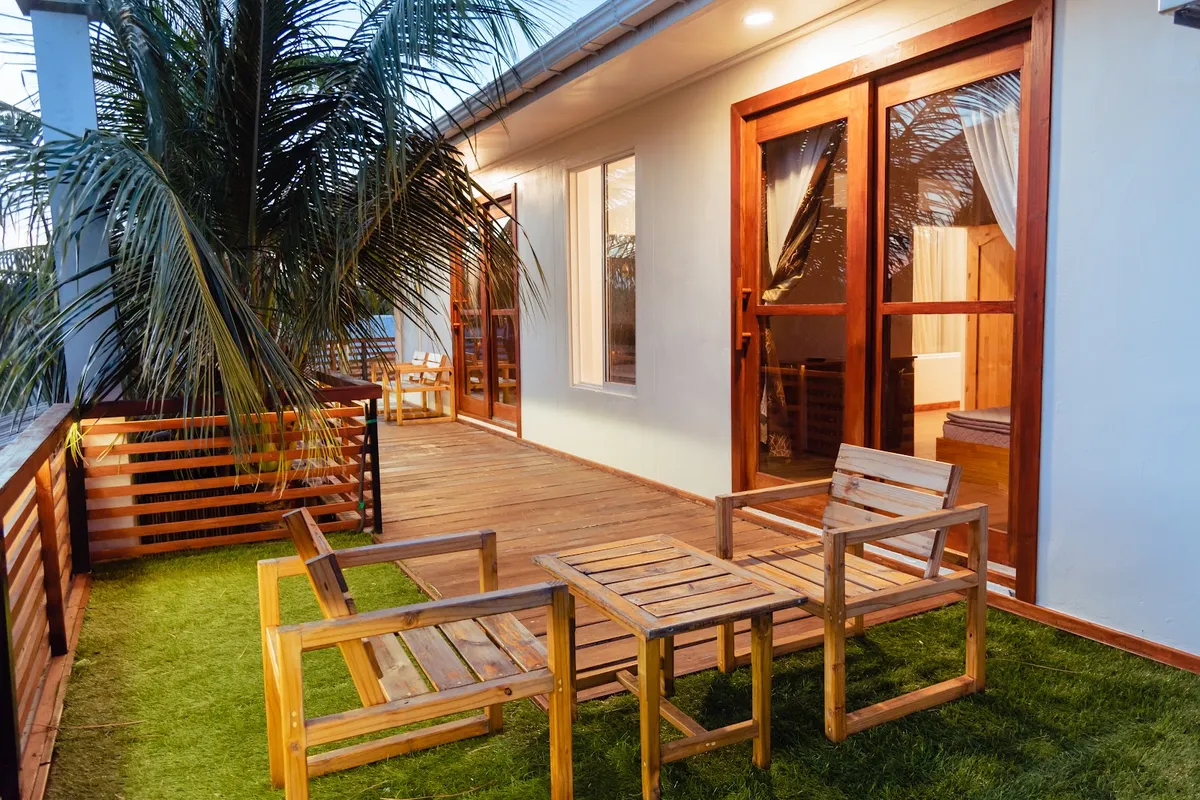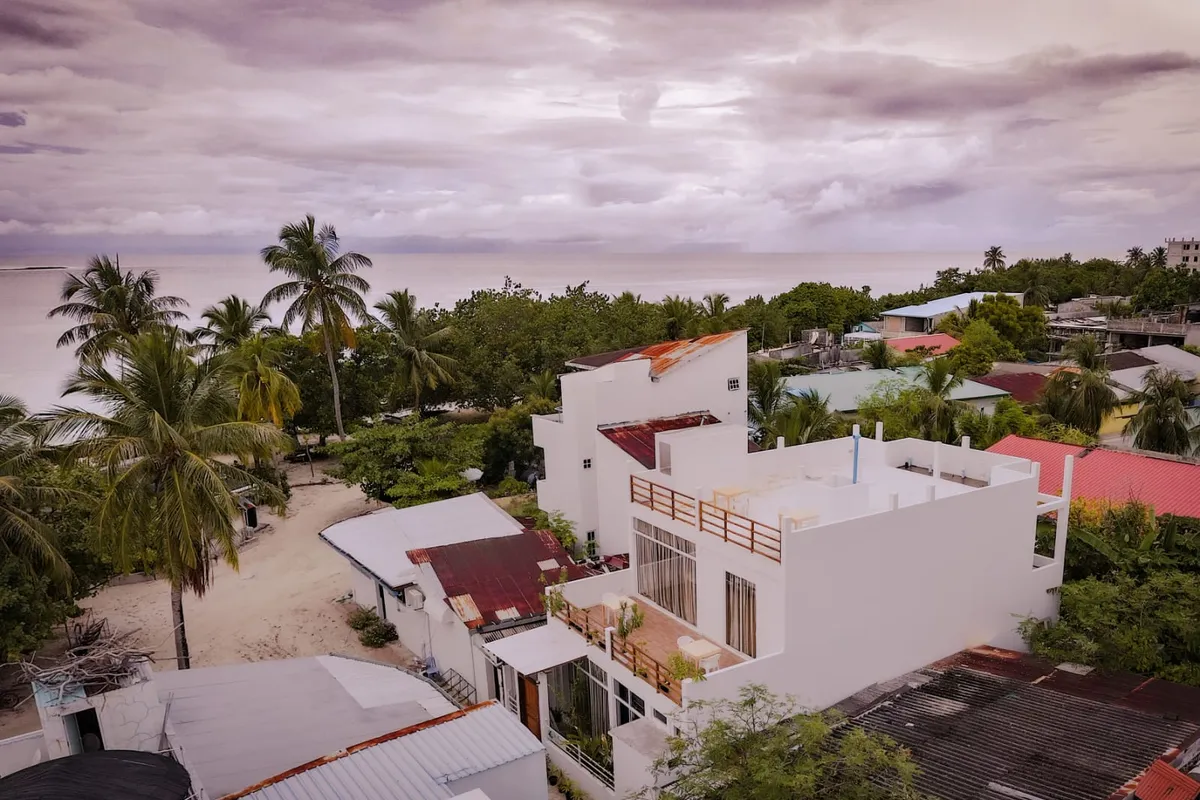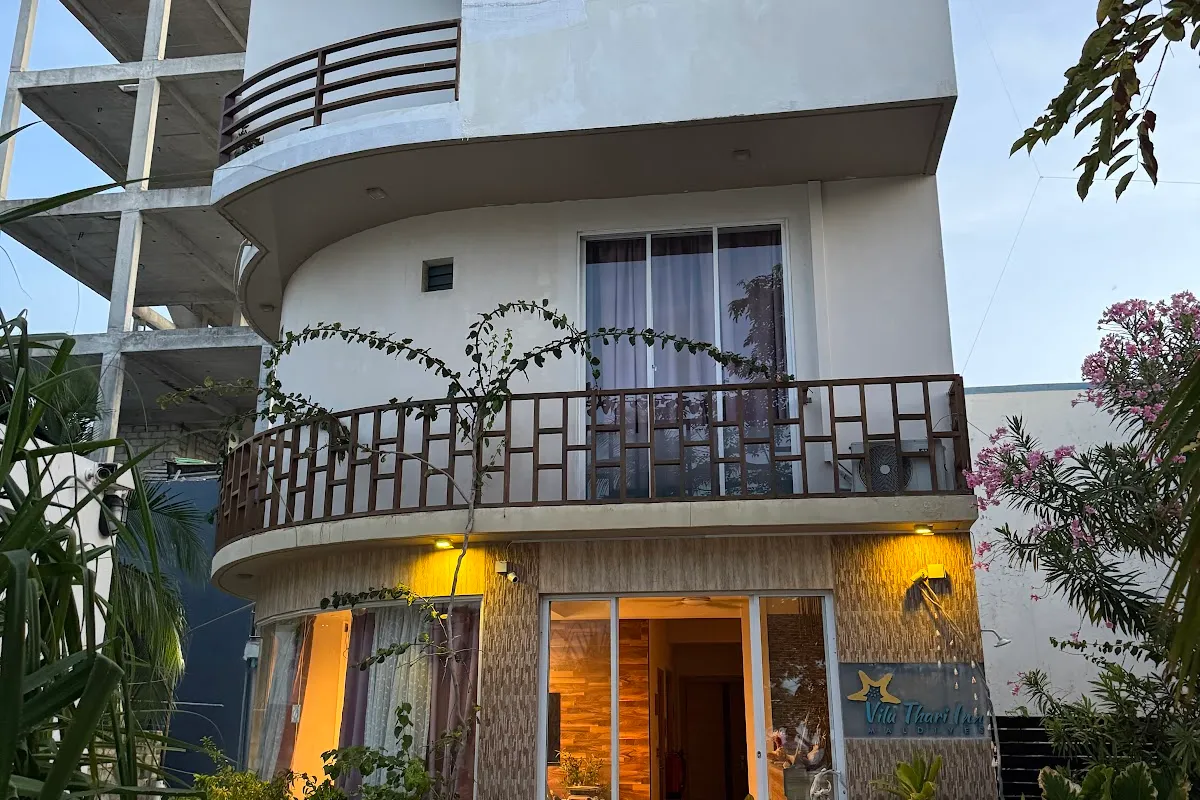
Stepping onto Mahibadhoo, the first thing that strikes you is the scent of salt and the distant hum of a fishing boat, a subtle reminder that this is a working island, not just a resort. The air is warm and carries the murmur of daily life – children laughing, scooters passing, and the gentle lapping of waves against the shore. We see vibrant local homes painted in cheerful hues and the neat, paved streets that hint at its administrative importance. This island is for the curious traveler seeking an authentic Maldivian experience, blending local life with exceptional marine exploration.
Why Mahibadhoo
Mahibadhoo holds a distinct charm among the roughly 200 inhabited islands of the Maldives. What makes it truly stand out is its dual identity: it's not just a tranquil escape, but also the bustling administrative capital of South Ari Atoll. This means a more developed infrastructure than many smaller local islands, offering conveniences like a regional hospital and a wider array of shops and eateries, yet it retains a genuine Maldivian character that purely tourist-focused islands often lack.
In our experience, genuine visitors remember Mahibadhoo for three key reasons: its strategic location as a gateway to some of the Maldives' best diving and snorkeling sites, including famous manta and whale shark spots; the authentic glimpse it provides into local Maldivian life, away from the curated resort bubble; and the relative ease of access compared to more remote islands, thanks to its domestic airport and robust transfer options.
However, we're always honest about drawbacks. Mahibadhoo is a relatively densely populated island, and while its paved streets are a convenience, they mean less of the "deserted island" feel you might find elsewhere. While there is a designated bikini beach, it's not as expansive or secluded as those on some other local islands, and parts of the island may show signs of local life, including some litter, though efforts are made to keep the main tourist areas clean.
Who It Suits (and Who Should Skip It)
- Best for: Budget-conscious divers and snorkelers eager to explore South Ari Atoll's renowned marine life without resort prices. Travelers seeking an authentic cultural immersion, who appreciate local interactions and witnessing daily Maldivian life. Those looking for a convenient base with good infrastructure and easy access to other islands for excursions.
- Probably not for: Luxury seekers expecting pristine, secluded beaches and resort-style amenities. Travelers whose priority is alcohol consumption or a vibrant nightlife, as local islands are dry. Those looking for an untouched, rustic island experience with minimal development.
Getting There
Getting to Mahibadhoo from Velana International Airport (MLE) or Malé City involves a few options, each balancing cost and speed. We always recommend confirming schedules directly with operators or your guesthouse, as timings can occasionally shift.
- Public ferry: This is the most budget-friendly option, offering a true local experience. The MTCC public ferry departs from Malé to Mahibadhoo on Sunday, Tuesday, and Thursday at 9:00 AM, arriving around 2:00 PM. The journey typically takes about 5 hours and costs approximately $3-5 per person. From Mahibadhoo to Malé, the ferry departs on Sunday, Tuesday, and Thursday around 10:45 AM or 11:00 AM. This route is subject to change, so we'd recommend confirming the ferry schedule on MTCC's official site or with your guesthouse.
- Shared speedboat: For a faster transfer, shared speedboats are readily available. These typically take around 1.5 to 2.5 hours from Malé or the airport. Prices generally range from $45-65 per person, one way. Several operators run daily services. For instance, you can find speedboats departing from Malé at 10:30 AM and 4:00 PM (Monday-Thursday, Saturday, Sunday), and from Mahibadhoo at 6:00 AM (Sunday) or 7:00 AM (Monday-Thursday, Saturday) and 1:00 PM. It's crucial to book your shared speedboat in advance, ideally through your guesthouse, to guarantee a seat and ensure a smooth transfer.
- Domestic flight: The quickest way to reach the vicinity of Mahibadhoo is by domestic flight to Maamigili Airport (VAM), located in the South Ari Atoll. Flights from Velana International Airport (MLE) to Maamigili take approximately 20-30 minutes. Upon arrival at Maamigili, you'll take a 30-minute speedboat transfer to Mahibadhoo. The total journey time is around 1.5 hours, and costs typically range from $120-150 per person. This is often arranged by your guesthouse and uses local airlines like Maldivian or Manta Air.
One practical tip we always share: if your international flight lands in Malé after 4:00 PM, you'll likely miss the last shared speedboat and public ferry connections to Mahibadhoo. In this scenario, plan to spend a night at an airport hotel in Hulhumalé or Malé before continuing your journey the next morning.
Find the best flight deals
Search Flights →Transfer Summary
| Option | Duration | Typical Cost (USD) | Best For |
|---|---|---|---|
| Public ferry | ~5 hours | $3-5 | Budget travelers, cultural experience |
| Shared speedboat | 1.5-2.5 hours | $45-65 | Speed and moderate budget |
| Private speedboat | 1.5-2 hours | $500-700+ | Groups, families, flexibility |
| Domestic flight + speedboat | ~1.5 hours | $120-150 | Fastest option, comfortable |
The Beach & House Reef
Mahibadhoo offers a few beach areas, and it’s important to set expectations. There is a designated "bikini beach" for tourists, primarily located on the eastern side of the island. While not as expansive or manicured as resort beaches, it features soft white sand and crystal-clear turquoise waters, ideal for swimming and sunbathing. You'll find some basic facilities here, including lavatories, showers, and changing cabins, along with a few palm trees and other trees providing natural shade, and occasionally hammocks and sun loungers.
The house reef surrounding Mahibadhoo is vibrant and easily accessible for snorkeling. We've found the coral health to be generally good, with a mix of hard and soft corals providing habitat for abundant reef fish, including parrotfish and angelfish. There's a noticeable drop-off in some areas, leading to deeper sections where larger marine life can be spotted. Visibility is excellent during the northeast monsoon, from December to April, making these months ideal for underwater exploration. While currents are generally mild on the house reef, we always recommend checking local conditions with your guesthouse or a dive center, especially if you plan a longer drift snorkel. Safety is paramount, so be mindful of boat traffic near the harbors.
Diving & Snorkelling
Mahibadhoo’s location in the South Ari Atoll places it squarely in one of the Maldives' most celebrated marine regions, making it a fantastic base for divers and snorkelers. The atoll is renowned for its exceptional biodiversity, and we've personally witnessed incredible encounters here.
One of the most famous local dive sites is Mahibadhoo Rocks, known for its rocky formations and colorful coral gardens. Here, divers frequently encounter reef sharks, turtles, and a diverse array of tropical fish. Visibility at Mahibadhoo Rocks is often excellent, particularly from November to April.
Another highlight is Mahibadhoo Manta Point, also known as Mahibadhoo Rock or Mahibadhoo Thila. This site is a cleaning station where manta rays congregate, especially during the northeast monsoon (roughly December to April) when seasonal winds push plankton blooms to the eastern side of the atoll. Diving here on an outgoing current significantly increases your chances of reliable manta encounters.
For those dreaming of swimming with the ocean's gentle giants, the nearby Whale Shark National Park is a must-visit. Whale shark season is generally from January to April, and excursions can be arranged from Mahibadhoo.
Beyond these, the South Ari Atoll is dotted with numerous thilas (underwater pinnacles) and channels offering thrilling dives. Sites like Reethi Thila, Kuda Rah Thila, 7th Heaven, Broken Rock, and Lucky Hell are famous for their stunning soft corals, schools of fusiliers, oriental sweetlips, jacks, barracuda, and regular sightings of whitetip and grey reef sharks. You might also spot Napoleon wrasse and other large pelagics in the channels.
While specific dive operator names on Mahibadhoo aren't widely advertised online, several guesthouses partner with or operate their own dive centers. We recommend inquiring directly with your chosen accommodation, as they can usually arrange diving excursions and PADI courses. Based on our general knowledge of local island dive centers in the Maldives, you can expect PADI Open Water Diver course prices in 2025/2026 to be in the range of $500-700, including equipment rental and certification. Fun dives typically cost around $45-70 per dive, with packages offering better value.
Surfing / Fishing / Water Sports
Mahibadhoo isn't known as a surf destination, so don't come expecting world-class breaks. However, fishing is deeply ingrained in the local culture, and sunset fishing trips are a popular and rewarding activity easily arranged through your guesthouse. You can try handline fishing for snapper, grouper, or even barracuda. Beyond fishing, guesthouses can typically arrange a range of water sports, including kayaking, stand-up paddleboarding, and jet-skiing, often to nearby sandbanks or uninhabited islets for a more secluded experience.
Food, Bars & Nightlife (what there is of it)
When it comes to food, bars, and nightlife on Mahibadhoo, it's important to be realistic. This is a local, inhabited island, meaning you won't find alcohol or loud discos here. The island offers a genuine taste of Maldivian life, and that extends to its culinary scene.
You'll discover a good selection of local cafés and restaurants, many serving traditional Maldivian cuisine, fresh seafood, and common Asian dishes like Thai or Indian fare. Expect hearty curries, grilled fish, and hedhikaa (Maldivian short eats). Some popular spots include Delish, Woodgate Cafe & Restaurant, Mango Green, Lemon Sea View, 3D Brown, Oak Zone, Beans Takeaway, and Quills Garden. For a quick coffee or snack, places like Cafe Moorish Idol, Dhuveli Cafe, and Coffee Biz are good options. Many of these are cash-only spots, so it's always wise to carry some Maldivian Rufiyaa (MVR) or smaller USD denominations.
The "nightlife" on Mahibadhoo consists of enjoying a quiet dinner, perhaps a stroll along the beach, or simply relaxing at your guesthouse. If you're keen on enjoying an alcoholic drink, the workaround is typically to arrange a day trip to a nearby resort island, where alcohol is permitted. Some guesthouses may also organize excursions to a floating bar or a secluded sandbank where alcohol can be consumed, though these options are less common than resort day trips.
Cultural Notes & Dress Code
As a local, inhabited island with a predominantly Muslim population, Mahibadhoo adheres to conservative Islamic customs. We encourage all visitors to be respectful of these traditions, particularly regarding dress code and public behavior.
When you're in the village, walking through the streets, visiting shops, or dining in local restaurants, both men and women should dress modestly. This means covering your shoulders and knees. Loose-fitting clothing made from light, breathable fabrics is always a good choice in the tropical climate. Swimwear, including bikinis, is strictly reserved for the designated bikini beach area.
Ramadan, the Islamic holy month of fasting, is an important time of year. During Ramadan, Muslims fast from dawn to dusk. For 2026, Ramadan is expected to begin on Tuesday, February 17, and conclude on Wednesday, March 18. In 2027, it's anticipated to start on Sunday, February 7, and end on Monday, March 8. While guesthouses will continue to serve meals, local cafes and restaurants may have altered opening hours, especially during fasting hours. It's a unique time to experience Maldivian culture, but be mindful of locals fasting during the day.
Photography etiquette is generally relaxed, but always ask permission before taking close-up photos of individuals, especially women and children. Friday is the holy day in the Maldives. Friday prayers typically occur around midday, and many local businesses and services, including some transfer options, may be affected or operate on a reduced schedule during this time. Plan your transfers accordingly.
Sample Island Itinerary
Here’s how we’d recommend spending three days on Mahibadhoo, balancing relaxation, adventure, and cultural immersion:
Day 1: Arrival & Island Immersion
- Morning/Afternoon: Arrive on Mahibadhoo via speedboat or domestic flight. Check into your guesthouse and settle in. Take some time to explore the immediate vicinity, perhaps a stroll along the paved streets to get a feel for local life.
- Late Afternoon: Head to the designated bikini beach for a refreshing swim and some relaxation. Enjoy the sun and the clear waters.
- Evening: Enjoy a traditional Maldivian dinner at a local restaurant like Delish or Green Island Taste, savoring fresh seafood and local curries.
- Budget Estimate: Transfers ($45-150 depending on option), Dinner ($15-25), Water ($2-5).
Day 2: Under the Sea & Sandbank Escape
- Morning: Embark on a snorkeling or diving excursion to the house reef or nearby dive sites. Your guesthouse can arrange a trip to Mahibadhoo Rocks to spot reef sharks and turtles, or a manta ray cleaning station (seasonal).
- Lunch: Enjoy lunch back at your guesthouse or a local cafe.
- Afternoon: Take a boat trip to a nearby uninhabited sandbank for a truly secluded experience. Enjoy swimming, sunbathing, and perhaps a picnic lunch arranged by your guesthouse.
- Evening: For dinner, try Woodgate Cafe & Restaurant for a different local flavor or a simple grilled fish.
- Budget Estimate: Snorkeling/Dive Trip ($30-100+ depending on activity/dives), Sandbank Trip ($20-50), Lunch ($10-15), Dinner ($15-25), Water ($2-5).
Day 3: Cultural Exploration & Sunset Fishing
- Morning: Explore Mahibadhoo’s local infrastructure. Visit the harbor, observe the local market, and perhaps stop by one of the local schools or government buildings to see daily life unfold.
- Lunch: Grab a quick, affordable lunch at a local cafe like 3D Brown, trying some Maldivian short eats.
- Afternoon: Relax on the bikini beach, read a book, or engage in some light water sports like kayaking if available through your guesthouse.
- Late Afternoon: Head out for a sunset fishing trip. This is a quintessential Maldivian experience, and you might even catch your dinner!
- Evening: If you caught fish, your guesthouse might be able to grill it for you. Otherwise, enjoy a final dinner at a local spot, perhaps trying Mango Green.
- Budget Estimate: Local exploration (free), Lunch ($5-10), Sunset Fishing ($30-60), Dinner ($15-25), Water ($2-5).
Practical Info
- Money: Yes, Mahibadhoo has an ATM facility that accepts international cards, typically from Maldives Islamic Bank. USD is widely accepted in guesthouses and for excursions, but carrying some Maldivian Rufiyaa (MVR) for smaller purchases at local shops and cafes is advisable. While credit cards are accepted at many establishments, some may charge a small processing fee.
- Connectivity: As the atoll capital, Mahibadhoo generally enjoys good 4G/5G mobile coverage, and guesthouse Wi-Fi is usually reliable, though speeds can vary. We recommend purchasing a local SIM card upon arrival at Velana International Airport for consistent connectivity.
- Water: Like most inhabited islands, Mahibadhoo relies on desalinated water. While tap water is generally safe for showering, we always recommend drinking bottled water. Most guesthouses provide complimentary bottled water, and you can purchase more from local shops. We encourage using refillable bottles where possible to reduce plastic waste.
- Medical: Mahibadhoo houses the atoll's regional hospital, offering more advanced medical facilities than typical island health centers, including emergency services. There are also local pharmacies for basic medical needs.
- Best time to visit: Our honest take is that the best time to visit Mahibadhoo, and the Maldives in general, is during the dry season, from December to April. This period offers the most stable weather with less rainfall, lower humidity, and calmer seas, which are ideal for diving, snorkeling, and beach activities. Water visibility is at its peak during these months. The shoulder months of November and May can also be good, offering a balance of decent weather and fewer tourists. The southwest monsoon (May-November) can bring occasional rain showers but still offers plenty of sunny days, and often comes with lower prices and fewer crowds. For whale shark sightings, January to April is generally considered the prime window.
aMaldives Expert Verdict
Our take: Mahibadhoo is a fantastic choice for the intrepid traveler who wants to dive deep into both Maldivian culture and its incredible underwater world, all without breaking the bank. While its bikini beach might not be the most pristine, its proximity to world-class dive sites and genuine local atmosphere make it an unbeatable value. The single best reason to book here versus another local island is its unique blend of administrative infrastructure and authentic island life, offering conveniences and connections that other islands simply can't match.
— aMaldives Editorial Team, reviewed 2026
Frequently Asked Questions
Is there a bikini beach on Mahibadhoo?
Yes, Mahibadhoo has a designated bikini beach, primarily located on the eastern side of the island, where tourists can comfortably wear Western-style swimwear.
Is alcohol available on Mahibadhoo?
No, as a local inhabited island, Mahibadhoo adheres to Islamic customs, and alcohol is not available for purchase or consumption on the island itself. If you wish to drink alcohol, you would typically need to arrange a day trip to a nearby resort island.
Is there an ATM on Mahibadhoo?
Yes, Mahibadhoo has an ATM facility, usually operated by Maldives Islamic Bank, which accepts international cards for cash withdrawals.
Is Mahibadhoo safe for solo female travelers?
Yes, Mahibadhoo is generally considered safe for solo female travelers. The Maldives has a low crime rate, and locals are typically friendly and welcoming. We always advise exercising common sense precautions, such as being mindful of your belongings and dressing modestly when in public areas outside the bikini beach.
Is Mahibadhoo kid-friendly?
Mahibadhoo can be kid-friendly for families who enjoy a more authentic travel experience. While it lacks dedicated kids' clubs, the calm waters are great for swimming, and children can enjoy exploring the local village and participating in activities like snorkeling and sandbank trips. The regional hospital provides peace of mind for medical needs.
How reliable are the ferries to Mahibadhoo?
Public ferries are generally reliable but operate on a fixed schedule and can be subject to delays or cancellations due to weather or unforeseen circumstances. Shared speedboats are more frequent and generally more reliable for adherence to schedule. We always recommend building some buffer into your travel plans and confirming schedules with your guesthouse or operator.
What is the best month to visit Mahibadhoo?
The best months to visit Mahibadhoo are from December to April, during the dry season. This period offers the most sunshine, calmest seas, and best visibility for diving and snorkeling.
How many days should I stay on Mahibadhoo?
We recommend staying 3 to 5 days on Mahibadhoo. This allows enough time to explore the island, enjoy the bikini beach, take multiple diving or snorkeling excursions, and experience some local activities without feeling rushed.
Can I go diving if I'm not a certified diver?
Yes, you can. Dive centers on Mahibadhoo can offer introductory "Discover Scuba Diving" experiences, which allow non-certified individuals to dive under the direct supervision of an instructor. You can also take a PADI Open Water Diver course to become certified during your stay.
Are there vegetarian food options available?
Yes, vegetarian food options are available on Mahibadhoo. Local Maldivian cuisine often includes vegetable curries and fresh produce, and most guesthouse restaurants and local eateries can cater to vegetarian diets if informed in advance. Many Asian restaurants also offer vegetarian dishes.