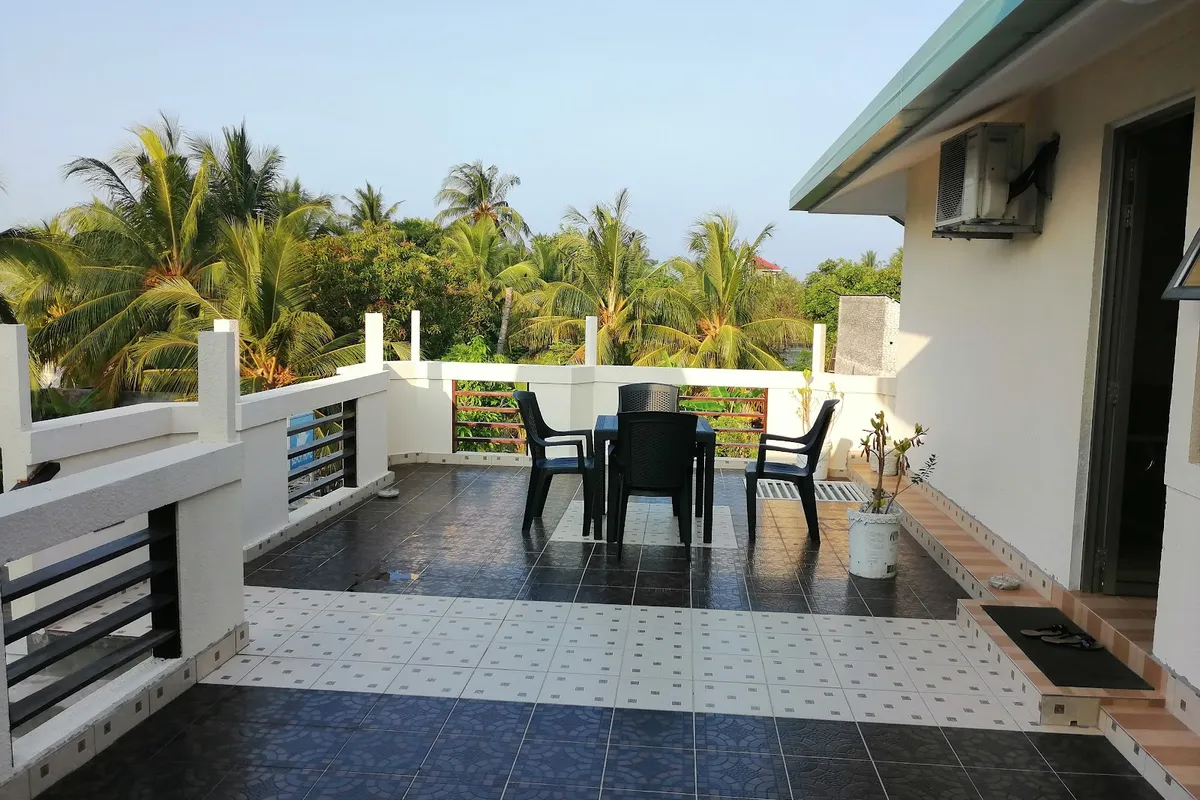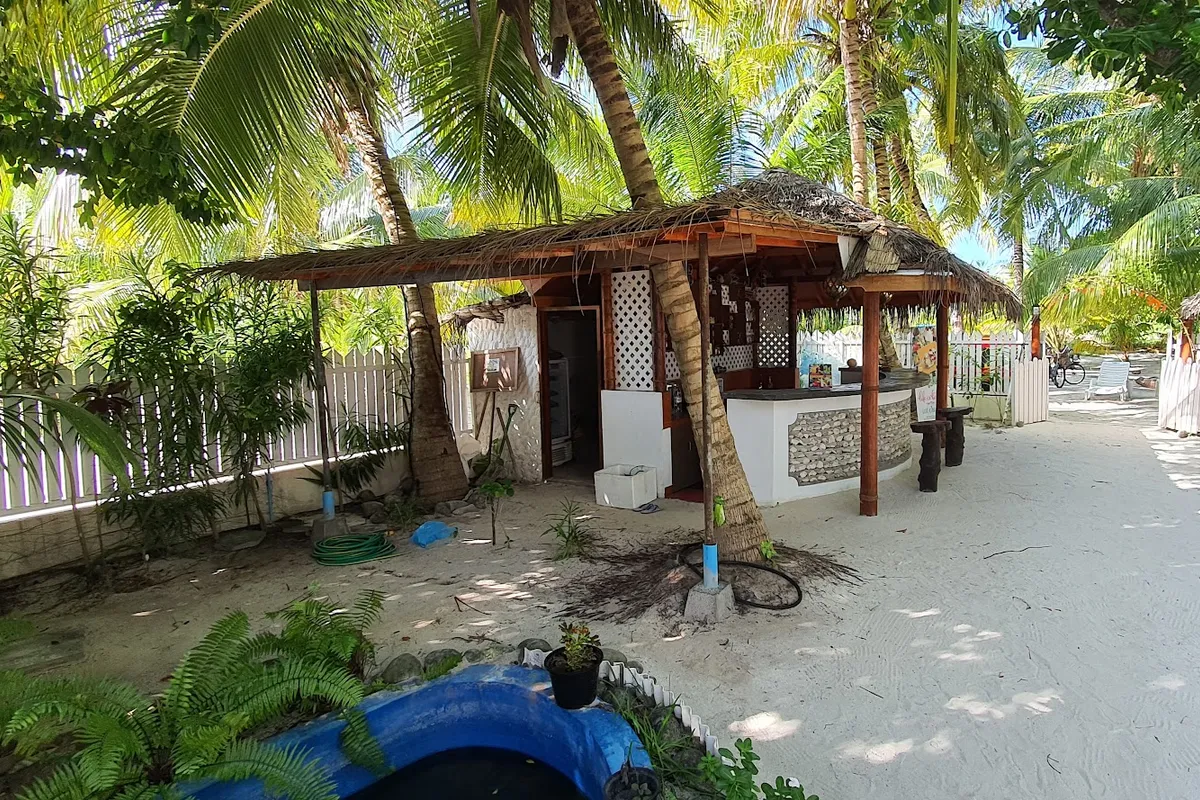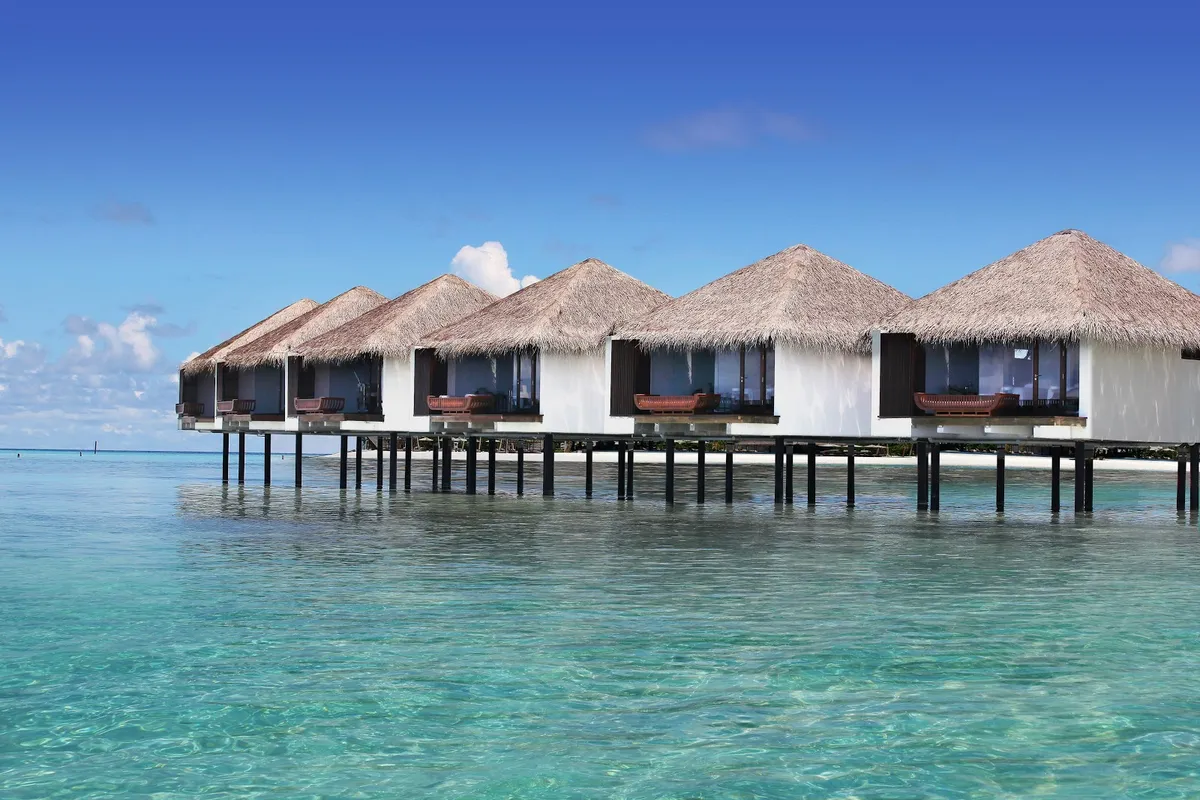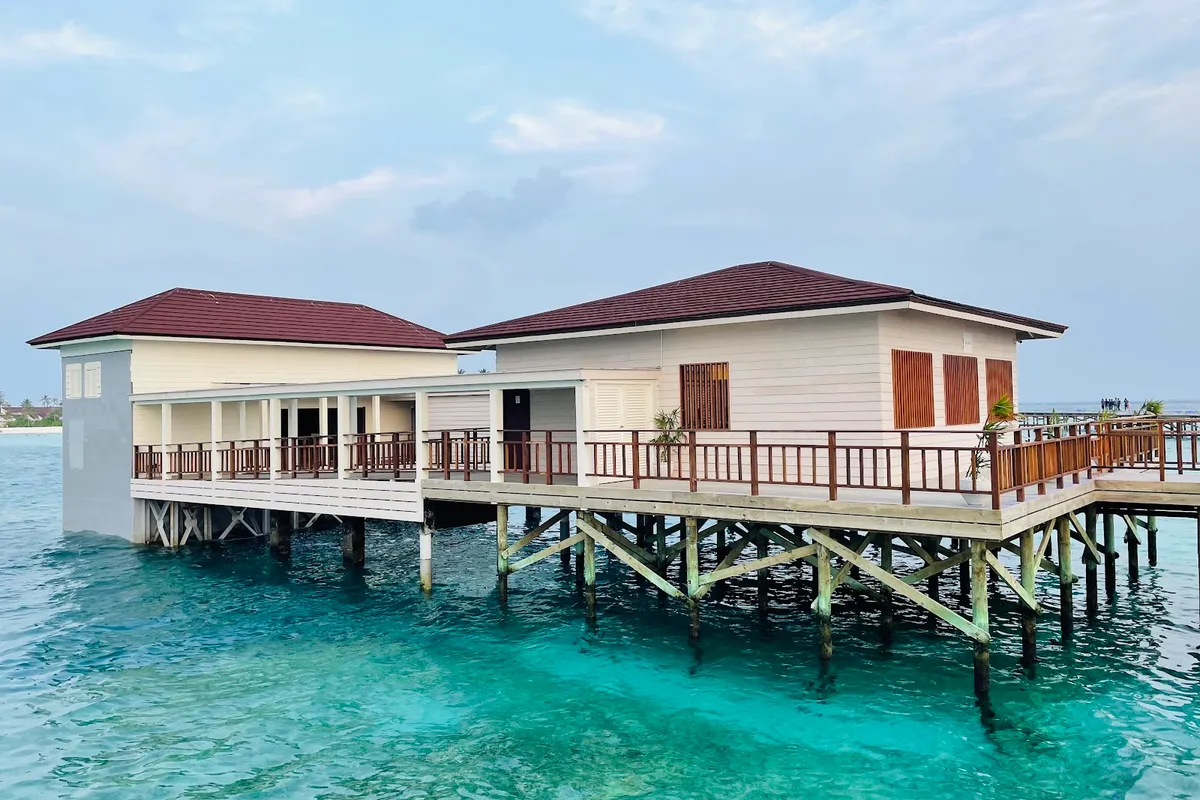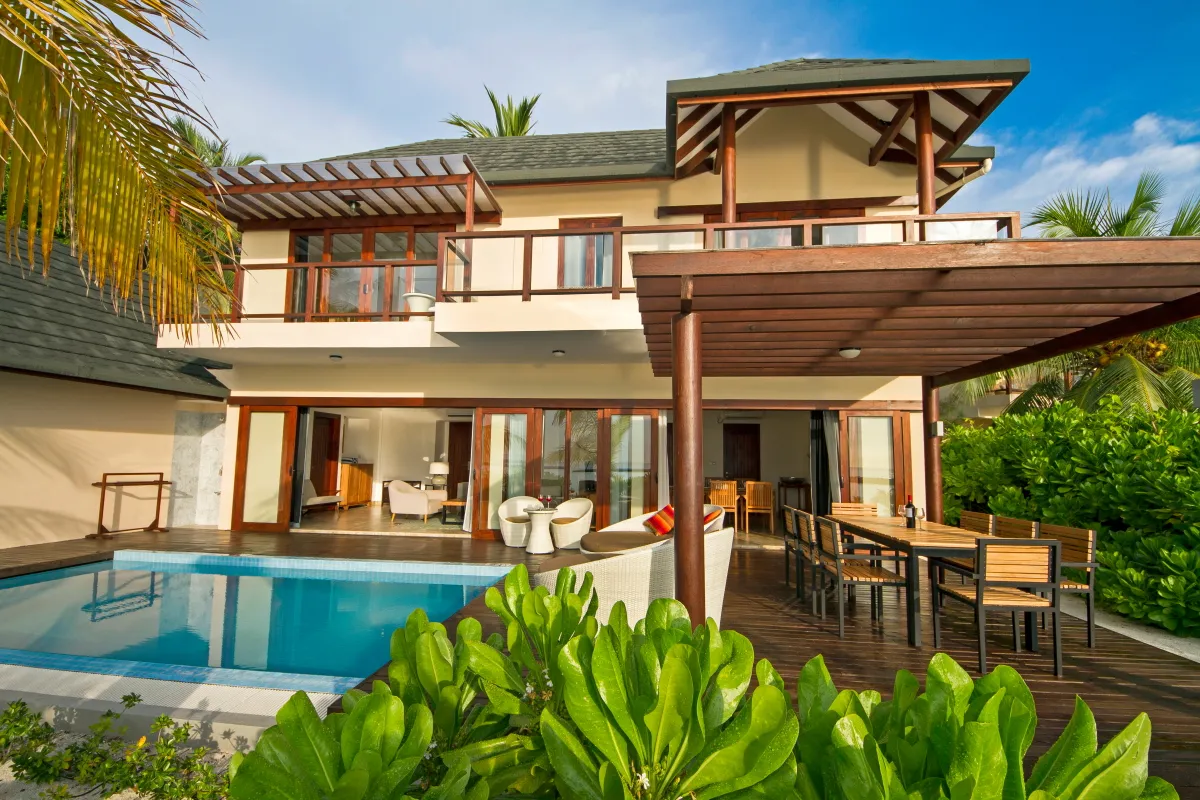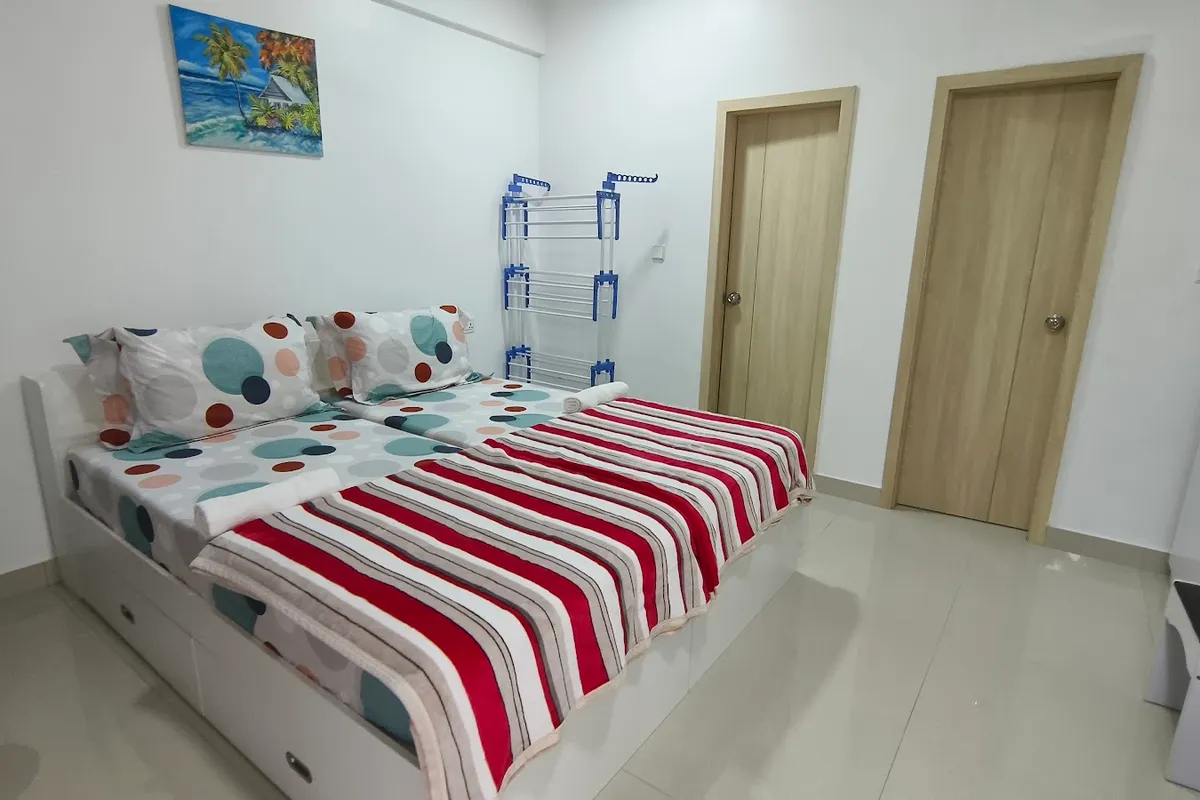
Stepping onto the sandy jetty of Kelaa, the first thing that strikes you is the sheer expanse of white sand stretching into the distance, framed by swaying palms. The gentle lapping of the turquoise lagoon water replaces the distant hum of city life, and the air, fresh with a hint of salt and verdant growth, immediately invites a deep breath. You’re greeted by the genuine smiles of islanders, a quiet welcome to a place where time slows down. Kelaa is for the traveler seeking an authentic Maldivian experience, far from the resort crowds, with nature and local culture at its heart.
Why Kelaa
In our two decades exploring these atolls, we’ve found Kelaa to be a truly distinct gem, offering a blend of natural beauty and genuine Maldivian life that sets it apart from many other inhabited islands. What truly makes Kelaa stand out are its expansive beaches, unique ecological features, and the vibrant agricultural sector that provides a rare glimpse into a different side of Maldivian island life.
Firstly, the beaches here are simply spectacular. Unlike the often-narrow strips of sand found elsewhere, Kelaa boasts some of the widest and longest beaches in the Maldives, with its eastern beach stretching for kilometers and reaching up to 100 meters in width at low tide. This creates a sense of uncrowded serenity, allowing ample space for relaxation and enjoyment of the pristine white sands and crystal-clear waters.
Beyond the postcard-perfect shores, Kelaa is an environmental oasis. It features thriving mangrove ecosystems, a rarity in the Maldives, where you can discover unique flora like the endangered Kelavaki plant. These natural habitats contribute to a richer biodiversity, offering opportunities for nature walks and eco-focused experiences. The island's significant agricultural land capacity also supports a robust farming community, growing a variety of fruits and vegetables, which is a distinctive economic activity compared to many other islands reliant solely on fishing and tourism.
While Kelaa offers an idyllic escape, it’s important to manage expectations. As a local island, it operates under Islamic laws, meaning alcohol is not available. Furthermore, while tourism has been growing since its first guesthouse opened in 2014, with several guesthouses now offering a total bed capacity of 96 as of June 2024, it remains a relatively quiet destination. Those seeking a bustling nightlife or high-end resort amenities might find it too subdued. However, for visitors genuinely interested in immersing themselves in local culture, enjoying uncrowded natural beauty, and witnessing a more traditional Maldivian way of life, Kelaa is an unparalleled choice.
Who It Suits (and Who Should Skip It)
- Best for: Beach lovers seeking uncrowded, expansive shores; nature enthusiasts interested in mangroves and unique flora; travelers looking for an authentic Maldivian cultural experience; families with children due to calm waters and ample beach space; budget-conscious travelers seeking an alternative to expensive resorts.
- Probably not for: Party-goers or those seeking a vibrant nightlife; luxury resort travelers expecting high-end amenities and services; individuals who require alcohol readily available; experienced divers seeking challenging, deep-water drift dives directly from the house reef.
Getting There
Reaching Kelaa, nestled in the far north of Haa Alif Atoll, requires a bit more planning than islands closer to Malé, but the journey is part of the adventure. We always recommend confirming transfer details with your chosen guesthouse well in advance, as schedules can be subject to change due to weather or local demand.
Domestic Flight (Recommended for most visitors)
For most travelers, a domestic flight from Velana International Airport (MLE) in Malé to Hanimaadhoo International Airport (HAQ) is the most efficient way to reach the northern atolls. Maldivian, the national airline, operates non-stop flights between Malé and Hanimaadhoo, with approximately 25 flights per week as of April 2026. The flight duration is typically around 1 hour. We’ve seen one-way fares starting from approximately USD 186, with round-trip tickets around USD 358. Upon arrival at Hanimaadhoo, your guesthouse will arrange a speedboat transfer to Kelaa, which is a swift and scenic 20-minute ride. The combined round-trip transfer cost from Malé, including the domestic flight and speedboat, generally starts from around USD 250 per person.
Public Ferry
While public ferries are the most budget-friendly option, reaching Kelaa directly from Malé by public ferry is a lengthy journey, often taking upwards of 16-18 hours and involving multiple legs. Public ferries are operated by the Maldives Transport and Contracting Company (MTCC) under the Raajje Transport Link (RTL) brand, with Haa Alif Atoll falling into Zone 1 of their network. However, direct schedules from Malé to Kelaa are infrequent and primarily designed for local transport, not tourist convenience. Ferries do not operate on Fridays, which is a local holiday. We strongly advise contacting your guesthouse or checking the MTCC website/app for the most current 2025/2026 schedules and route information, as direct long-distance routes can be complex and subject to change. Fares typically range from USD 1.50 to USD 30 for inter-island routes.
Speedboat (Private or Shared)
Direct shared speedboats from Malé to Kelaa are less common due to the significant distance (approximately 310 km) and are usually arranged for closer atolls. For Kelaa, a shared speedboat would most likely be an onward transfer from Hanimaadhoo after a domestic flight. General shared speedboat transfers within the Maldives can range from USD 30 to USD 195 per adult one-way, depending on distance and operator. A private speedboat charter directly from Malé would be exceptionally expensive, potentially upwards of USD 1,600 one-way, and would still take several hours. Your guesthouse can arrange private speedboat transfers from Hanimaadhoo or, if you prefer, from Malé.
Practical Tip: If your international flight lands in Malé after 16:00 (4 PM), you will likely miss the last domestic flight to Hanimaadhoo and any scheduled speedboat connections. We recommend planning an overnight stay at an airport hotel in Hulhumalé or Malé to ensure a smooth onward journey the following morning.
Find the best flight deals
Search Flights →Transfer Summary
| Option | Duration | Typical Cost (USD) | Best For |
|---|---|---|---|
| Public ferry | 16-18+ hours | $10-$30 (one-way, multiple legs) | Budget travelers with ample time and flexibility |
| Domestic flight + Speedboat | ~1 hr flight + 20 min speedboat | $250-$450 (round-trip) | Most travelers seeking efficiency and comfort |
| Private speedboat (from Malé) | ~5-7 hours (estimate) | $1000-$1600+ (one-way) | Large groups or those prioritizing direct, private travel at any cost |
The Beach & House Reef
Kelaa's beaches are, in our experience, truly exceptional and a primary draw for the island. The main eastern beach is renowned for being one of the widest in the Maldives, stretching for approximately 2.5 kilometers and, at low tide, extending up to 100 meters in width. This vast expanse of powdery white sand means you'll rarely feel crowded, even during busier periods. The beach is kept immaculately clean by the local community, a testament to their pride in their island.
Yes, Kelaa has a designated bikini beach, a critical consideration for many visitors to local islands. This special stretch, unobtrusively tucked away amidst plumeria bushes and coconut palms, extends for about 2 kilometers, offering an ideal spot for swimming and sunbathing in Western-style swimwear. You'll find sun loungers and beach umbrellas here, providing ample shade. Many guesthouses are conveniently located just a minute or two walk from this area.
The house reef at Kelaa offers easy access and a rewarding experience, particularly for snorkelers and beginners. It's a shallow reef area located close to the shoreline, allowing for simple shore entry directly from the white-sand beach. Here, you'll discover colorful coral patches and a variety of small tropical fish darting through calm, clear waters. Visibility is generally excellent, especially during the dry season from January to April. While the immediate beachfront is sandy, the house reef provides a vibrant ecosystem for exploration without the need for a boat trip. However, for those seeking more extensive coral gardens or a dramatic drop-off, a short boat excursion to nearby reefs will be necessary, as the main sandy beach doesn't have extensive coral formations directly offshore. Currents on the house reef are typically calm, making it a safe and enjoyable environment for all ages.
Diving & Snorkelling
The waters surrounding Kelaa in Haa Alif Atoll are rich in marine life, offering rewarding experiences for both snorkelers and divers. While not as heavily marketed for diving as some central atolls, the northern region holds its own with pristine reefs and abundant sightings. In our experience, the coral health here is generally good, having shown remarkable recovery after the 2004 tsunami.
For divers, Kelaa provides access to a variety of sites. One notable named dive site in the Haa Alif Atoll is "Kelaa Wall," which suggests interesting topography. You can expect to encounter diverse marine animals, including thousands of colorful reef fish, moray eels, and vibrant red corals. The atoll is also known for large groups of dolphins and various pelagic species. Manta rays are a significant draw, especially observed from December to May at cleaning stations, offering opportunities for close encounters in shallow waters. The natural V-shaped bay in Kelaa's lagoon is particularly rich in marine biodiversity, serving as a nursery for baby sharks and rays.
On the island, you'll find local operators catering to diving needs. "Freedive Kelaa" is a freediving training and expedition center based on the island, with easy access to deep waters. Guesthouses like Holiday Home Kelaa also offer "refreshing Scuba dives" and "discover scuba dive programs" upon request. While specific PADI Open Water Diver course prices for Kelaa are not readily advertised, general prices for PADI Open Water certification in the Maldives typically range from USD 400 to USD 973, depending on the dive center and what's included. We recommend contacting the local dive operators directly for their most current pricing and package details for 2025/2026.
Compare guesthouses on Kelaa
Find Hotels →Snorkeling directly from Kelaa's house reef is an absolute joy. With easy shore entry and calm, clear waters, it's perfect for observing colorful coral patches and an array of tropical fish. For more extensive snorkeling, boat excursions can take you to nearby reef systems, where healthy coral formations and diverse marine life await. The best visibility for both diving and snorkeling is typically during the dry season, from January to April.
Surfing / Fishing / Water Sports
While the Maldives is gaining recognition as a surfing destination, particularly in the North and South Malé Atolls and the Central Atolls, Kelaa in Haa Alif Atoll is generally not considered a primary surf spot. The northernmost atolls are described as "relatively untapped by foreign surfers" due to "diminished swell exposure and a lack of quality set-ups." Therefore, if surfing is your main priority, Kelaa might not be the ideal island for you.
However, Kelaa excels in other water-based activities. The island's calm lagoon and surrounding waters are perfect for a variety of water sports. Local operators, such as Kelaa Water Sports, offer a range of activities including jet skiing, fun tube rides, banana boat riding, crazy sofa rides, catamaran sailing, paddleboat riding, wakeboarding, and even windsurfing. These activities are a fantastic way to explore the expansive lagoon and enjoy the tropical environment.
Fishing is deeply ingrained in Maldivian culture, and Kelaa offers authentic opportunities to experience it. Sunset fishing trips are a popular excursion, allowing you to join local fishermen and try traditional line fishing methods, often with the chance to catch your dinner. These trips provide a genuine connection to the island's heritage and a memorable evening on the water.
Food, Bars & Nightlife (what there is of it)
Dining on Kelaa offers a taste of authentic Maldivian life, albeit without the frills of resort cuisine. We find the focus here is on fresh, local ingredients and a warm, welcoming atmosphere. Don't come expecting Michelin stars or a bustling international food scene, but rather wholesome, flavorful meals.
You'll discover a few local cafés and guesthouse restaurants that serve as the island's culinary hubs. Michoobs is a popular spot, known for its vibrant Maldivian cuisine and seafood specialties, often blending local flavors with international dishes. We always recommend trying their seafood, especially during sunset hours for a beautiful view. Holiday Home Kelaa also features its own restaurant, offering an international buffet and à la carte menu, with a commendable effort to include vegan and vegetarian options and utilize local and organic ingredients whenever possible. Expect simple, hearty meals, often featuring fresh fish, curries, and staples like rice and roshi (Maldivian flatbread).
As with all inhabited local islands in the Maldives, Kelaa adheres to strict Islamic laws, which means alcohol is strictly prohibited. You won't find bars or any form of alcoholic beverages served on the island. Some guesthouses may offer non-alcoholic or "halal" beer as an alternative. For visitors who wish to consume alcohol, the only workaround is to arrange a day trip to a nearby resort island, where alcohol is permitted. However, specific resorts easily reachable from Kelaa for day trips are not widely advertised, so this would require inquiry with your guesthouse upon arrival.
Nightlife on Kelaa is, by design, tranquil. Evenings are typically spent enjoying quiet dinners, perhaps a stroll along the expansive beach under the stars, or engaging in simple activities offered by guesthouses such as evening billiard or table football. This laid-back atmosphere is precisely what many travelers seek when choosing a local island experience.
Cultural Notes & Dress Code
Visiting Kelaa is an opportunity to immerse yourself in authentic Maldivian culture, and with that comes a respectful understanding of local customs and traditions. The Maldives is a 100% Muslim country, and Kelaa is no exception.
Dress Code: When you are in the village area, outside of your guesthouse or the designated bikini beach, modest dress is expected. For women, this means covering your shoulders and knees. Men should also dress respectfully, typically in shorts and a t-shirt rather than just swimwear. On the designated bikini beach, however, tourists are free to wear Western-style swimwear. This distinction is important and easy to follow, ensuring a comfortable and respectful experience for both visitors and locals.
Ramadan Considerations: The holy month of Ramadan is a significant period in the Islamic calendar, observed by fasting from dawn till sunset.
- For 2026, Ramadan is expected to begin around February 17 and end around March 18.
- For 2027, it is expected to begin around February 7 and end around March 8.
Photography Etiquette: Always ask for permission before taking photographs of individuals, especially women and children. Be particularly sensitive during religious events or in places of worship. Capturing the beauty of the island and its landscapes is, of course, encouraged.
Friday Prayer: Friday is the weekly holy day in the Maldives. Many shops and local businesses will be closed during Friday prayer times, typically in the early afternoon. Public ferry schedules do not operate on Fridays. If you're planning transfers or excursions on a Friday, be aware that there might be some limitations and plan accordingly.
Sample Island Itinerary
Here’s how we’d recommend making the most of a short stay on Kelaa, balancing relaxation with authentic experiences:
Day 1: Arrival and Beach Bliss
- Morning: Arrive at Hanimaadhoo International Airport (HAQ) via domestic flight from Malé. Enjoy the scenic 20-minute speedboat transfer to Kelaa. Check into your guesthouse.
- Afternoon: Settle in and head straight to Kelaa’s expansive bikini beach. Find a secluded spot under a palm tree or umbrella and simply unwind, swimming in the calm, clear lagoon.
- Evening: Enjoy a traditional Maldivian dinner at your guesthouse or at Michoobs, sampling fresh seafood and local curries.
- Budget Estimate: Domestic flight + speedboat (pre-booked, round-trip portion) ~$125-225. Dinner ~$15-25.
Day 2: Reef Exploration & Local Culture
- Morning: Grab your snorkeling gear and explore Kelaa’s accessible house reef directly from the beach. Marvel at the colorful coral patches and an abundance of small tropical fish.
- Lunch: Have a casual lunch at a local café, perhaps trying some hedhikaa (Maldivian snacks).
- Afternoon: Take a leisurely bicycle ride around the island, exploring the agricultural areas and mangrove swamps. Visit the local village, observing daily life and perhaps picking up some local handicrafts.
- Evening: Embark on a sunset fishing trip. Experience traditional line fishing and, if you're lucky, enjoy a BBQ of your catch on the beach arranged by your guesthouse.
- Budget Estimate: Snorkel gear (rental if needed) ~$5-10. Lunch ~$10-15. Bike rental ~$5-10. Sunset fishing trip ~$40-60.
Day 3: Island Hopping & Departure
- Morning: Arrange an island-hopping excursion to nearby historical islands like Utheemu or Baarah, both less than 30 minutes away by speedboat. Explore Utheemu Ganduvaru, the historic wooden palace, and learn about Maldivian history.
- Lunch: Enjoy lunch on one of the visited islands or return to Kelaa for a final meal.
- Afternoon: Depending on your flight schedule, enjoy some last-minute beach time or souvenir shopping. Transfer back to Hanimaadhoo International Airport (HAQ) for your domestic flight to Malé.
- Budget Estimate: Island hopping excursion ~$50-80. Lunch ~$15-25.
Practical Info
- Money: Yes, Kelaa has an ATM. A Bank of Maldives (BML) ATM is available on the island, making it convenient for cash withdrawals. Please note there is typically a MVR 100 (approximately USD 6.50) fee for foreign card withdrawals. USD is widely accepted in guesthouses and for excursions, but having local currency (Maldivian Rufiyaa, MVR) for smaller purchases at local shops and cafes is always useful. Card minimums are not common in small local establishments, so cash is king for small transactions.
- Connectivity: Guesthouses on Kelaa generally provide Wi-Fi access. While 4G coverage is typically reliable across inhabited islands in the Maldives, 5G might be more intermittent. We recommend purchasing a local SIM card (Dhiraagu or Ooredoo) at Velana International Airport upon arrival if you need consistent, high-speed mobile data.
- Water: While desalinated water is the norm in the Maldives, specific refill points on Kelaa are not widely advertised. We recommend carrying a reusable water bottle and asking your guesthouse if they offer refill services. Otherwise, bottled water is readily available at local shops and guesthouses.
- Medical: Kelaa has a pharmacy, specifically the STO Kelaa Pharmacy. For more comprehensive medical needs, a local health center would be available on an island of Kelaa's size. President Muizzu announced plans in February 2024 to improve the island's healthcare infrastructure, including building an additional school and sports facility. For serious emergencies, transfer to a larger hospital in Malé or a regional hub would be necessary.
- Best time to visit: Our honest take is that the best time to visit Kelaa, and indeed much of the Maldives, is during the dry season, which runs from December to April. During these months, you'll experience minimal rainfall, lower humidity, and calm seas, offering the best conditions for beach activities, snorkeling, and diving with excellent visibility. February and March are often the driest months. The shoulder months of April and November can also offer good weather with fewer crowds and potentially better value. The wet season, from May to October, brings increased rainfall and stronger winds, which can affect transfers and water visibility, though showers are often brief.
aMaldives Expert Verdict
Our take: Kelaa is a breath of fresh air for those seeking the Maldives beyond the luxury resort bubble. It's a fantastic choice for travelers who prioritize expansive, uncrowded beaches and a genuine immersion into local island life and culture. The one clear caveat is the remote location requiring a domestic flight, which adds to travel time and cost compared to islands closer to Malé. However, the single best reason to book here versus another local island is undeniably Kelaa’s stunning, generously wide beaches and its unique blend of agriculture and mangrove ecosystems, offering a richer, more diverse island experience.
— aMaldives Editorial Team, reviewed 2026
Frequently Asked Questions
Is there a bikini beach on Kelaa?
Yes, Kelaa has a designated bikini beach. It's an expansive stretch of white sand, approximately 2 kilometers long, where tourists can comfortably wear Western-style swimwear. It's typically equipped with sun loungers and umbrellas.
Is alcohol available on Kelaa?
No, alcohol is strictly prohibited on Kelaa, as it is on all inhabited local islands in the Maldives, due to Islamic laws. You won't find any bars or alcoholic beverages for sale.
Is there an ATM on Kelaa?
Yes, there is a Bank of Maldives (BML) ATM on Kelaa island, making it convenient to withdraw local currency. Be aware that foreign card withdrawals usually incur a MVR 100 (approx. USD 6.50) fee.
Is Kelaa safe for solo female travelers?
Yes, Kelaa is generally considered very safe for solo female travelers. The Maldives has a low crime rate, and Kelaa is a small, close-knit community known for its hospitality. However, we always recommend exercising standard travel precautions and respecting local dress codes when outside the bikini beach.
Is Kelaa kid-friendly?
Absolutely. Kelaa's expansive, shallow, and calm beaches are ideal for children. The relaxed pace of life, the opportunity for gentle snorkeling, and various water sports make it a great family destination.
How reliable are the ferries to Kelaa?
Public ferries, while economical, can be less reliable than speedboats, particularly for long-distance routes to Kelaa. They operate on infrequent schedules and can be subject to delays or cancellations due to weather conditions, especially during the wet season. For consistent timing, we recommend domestic flights and pre-arranged speedboat transfers.
What is the best month to visit Kelaa?
The best months to visit Kelaa are during the dry season, from December to April, for optimal weather, calm seas, and excellent visibility for water activities. February and March are particularly dry and sunny.
How many days should I stay on Kelaa?
We recommend a stay of 3 to 5 days to fully experience Kelaa's charm, enjoy its beaches, explore the local culture, and take part in a few excursions. This allows for both relaxation and discovery without feeling rushed.
Can I go diving if I'm not a certified diver?
Yes, you can! Local dive operators and guesthouses on Kelaa offer "Discover Scuba Diving" programs, which allow uncertified individuals to experience diving under the direct supervision of an instructor without committing to a full certification course.
Are vegetarian food options available on Kelaa?
Yes, vegetarian options are generally available. Guesthouse restaurants, such as Holiday Home Kelaa, explicitly state they offer vegan and vegetarian choices. Local cafés can also often accommodate dietary requests, especially for simple vegetable-based dishes.