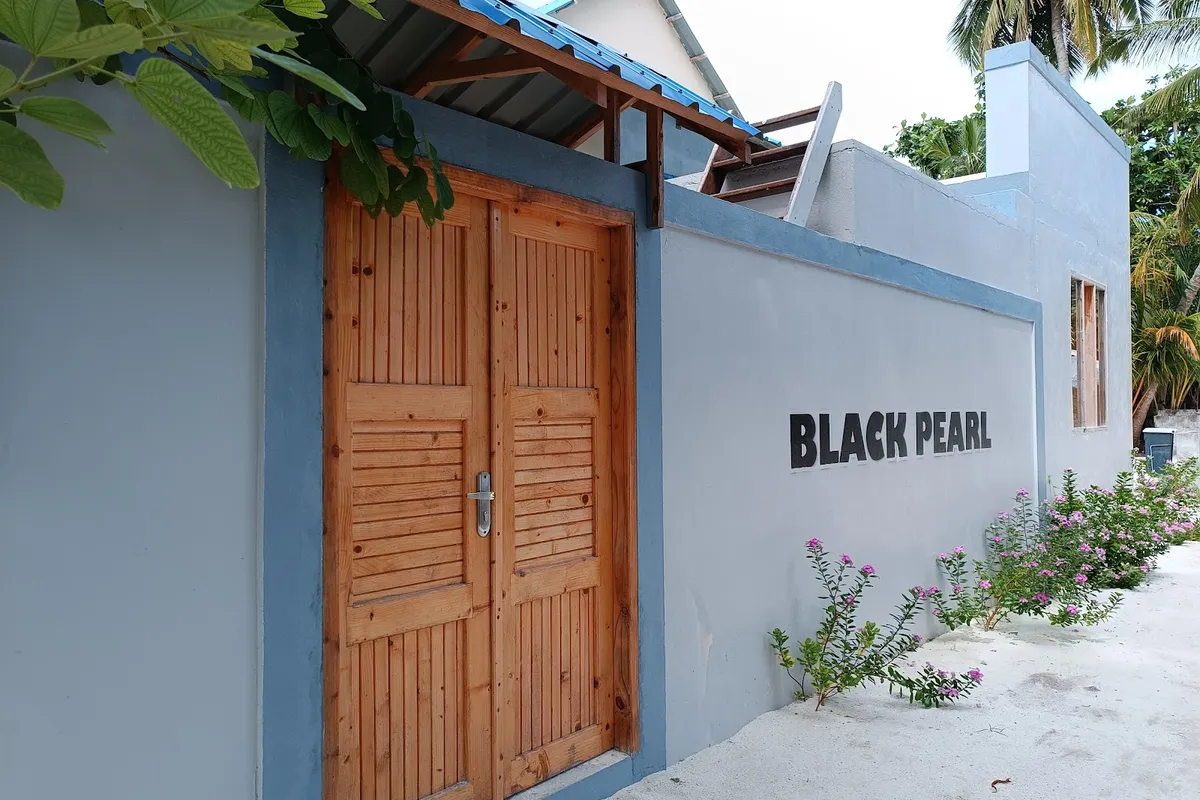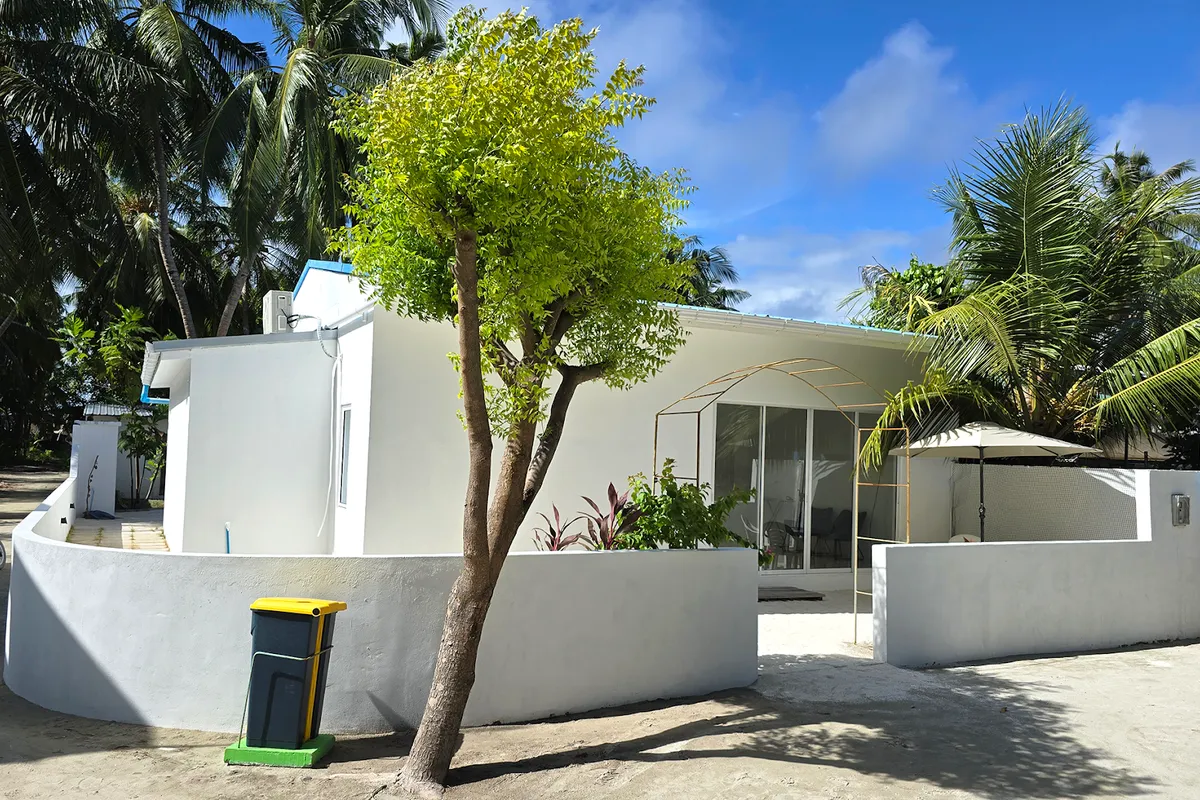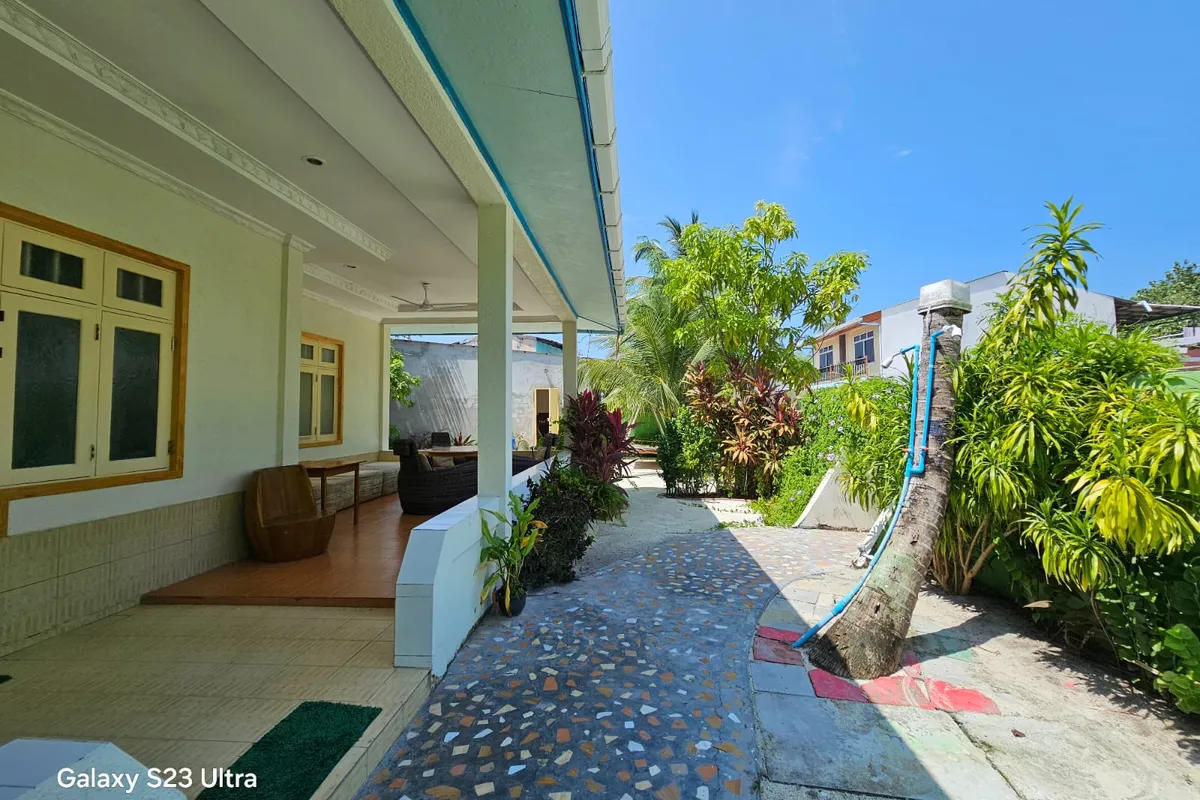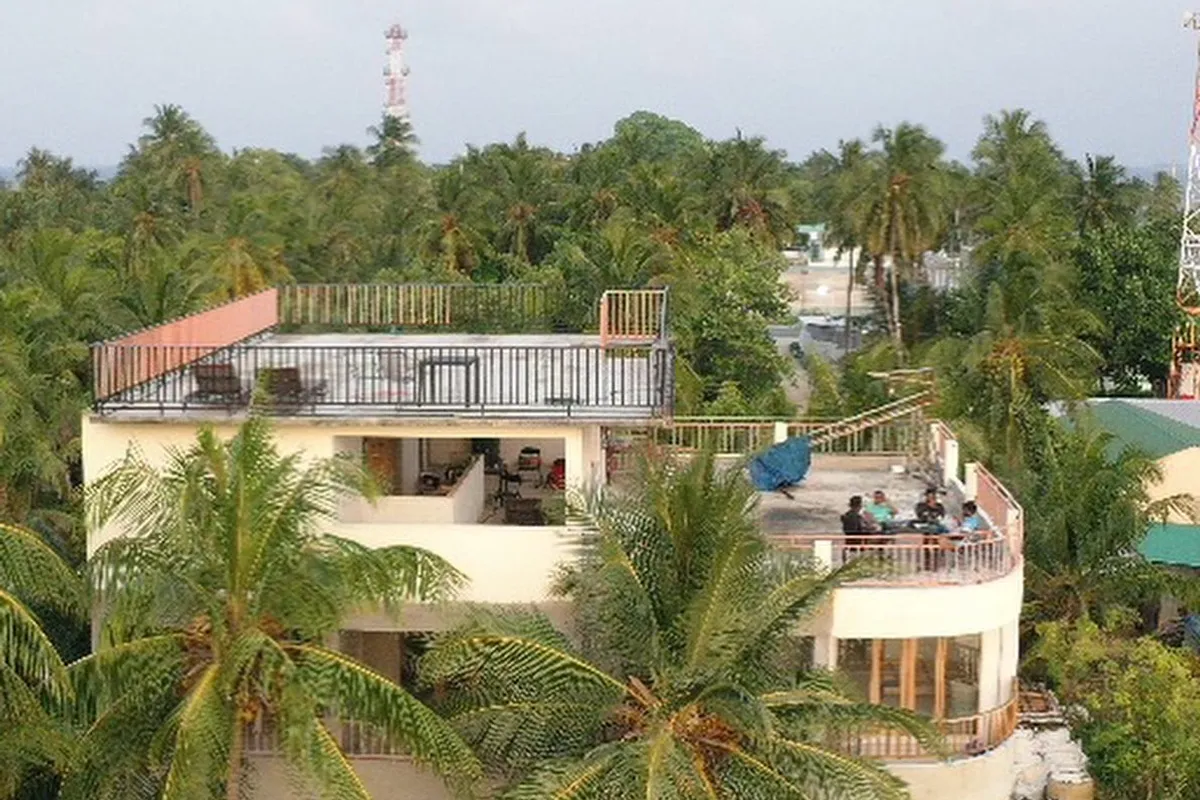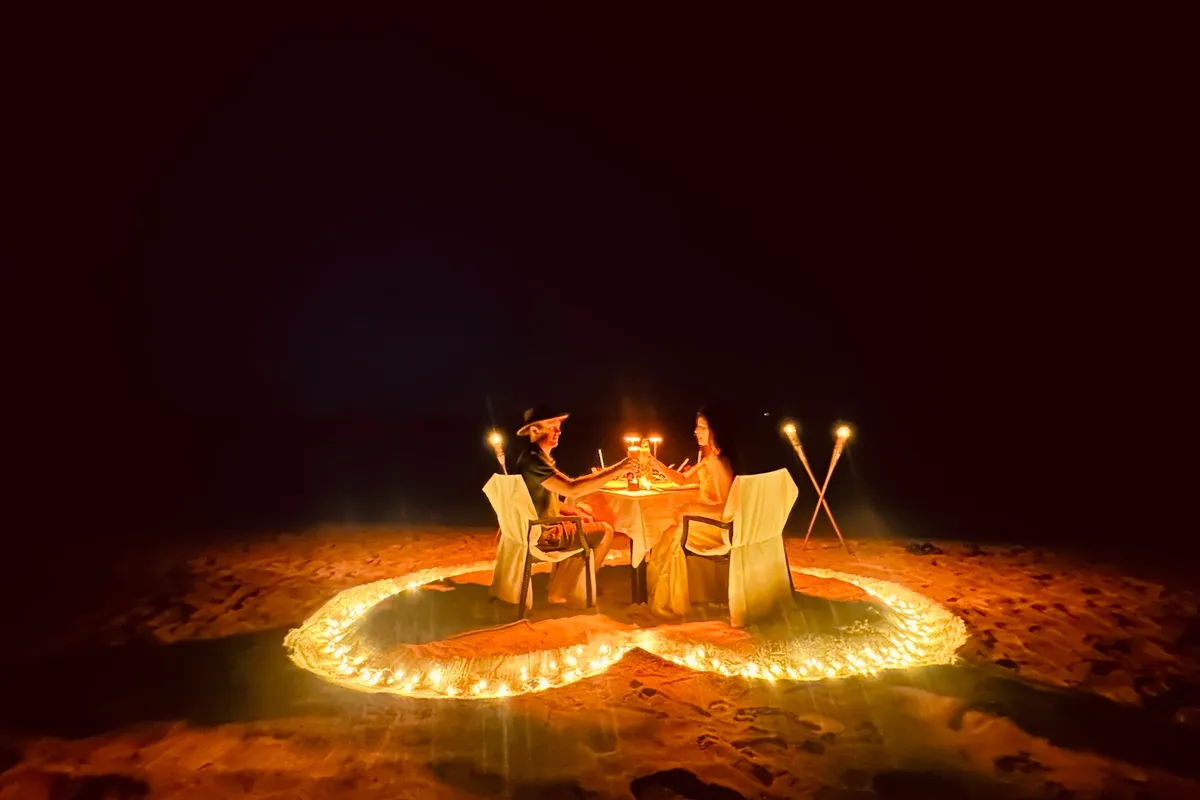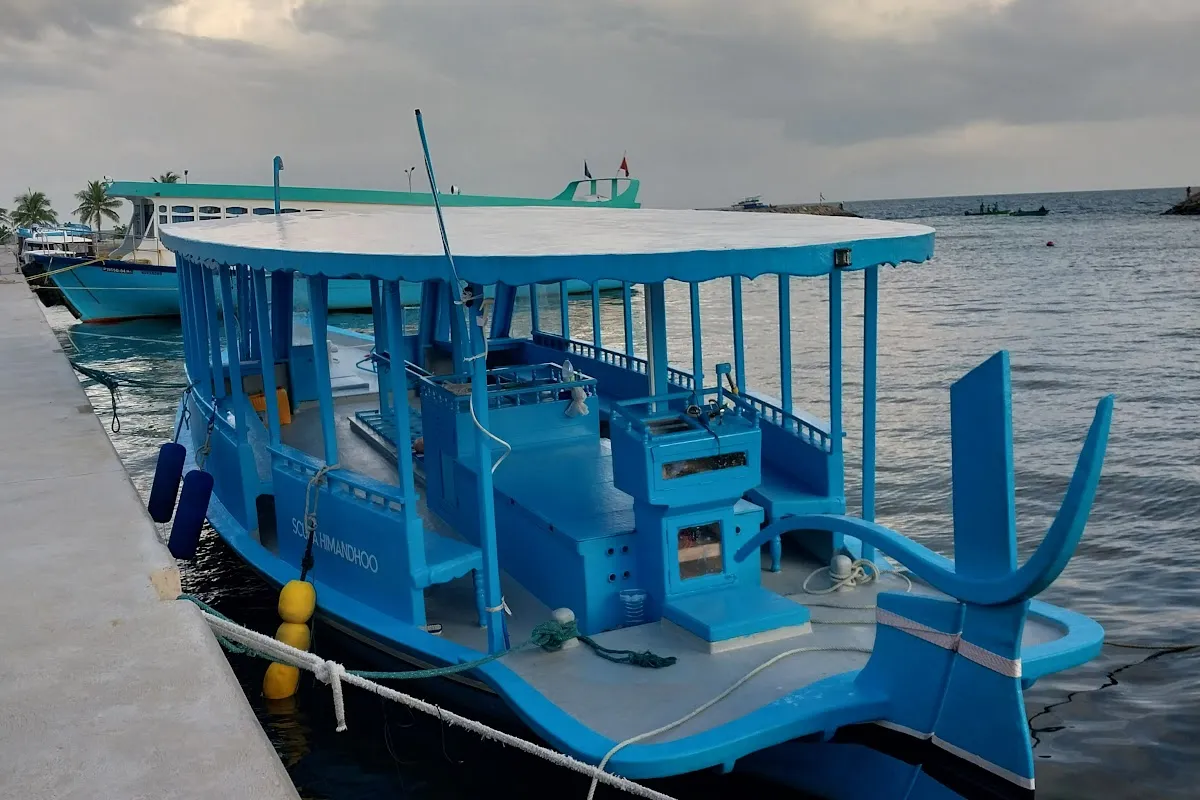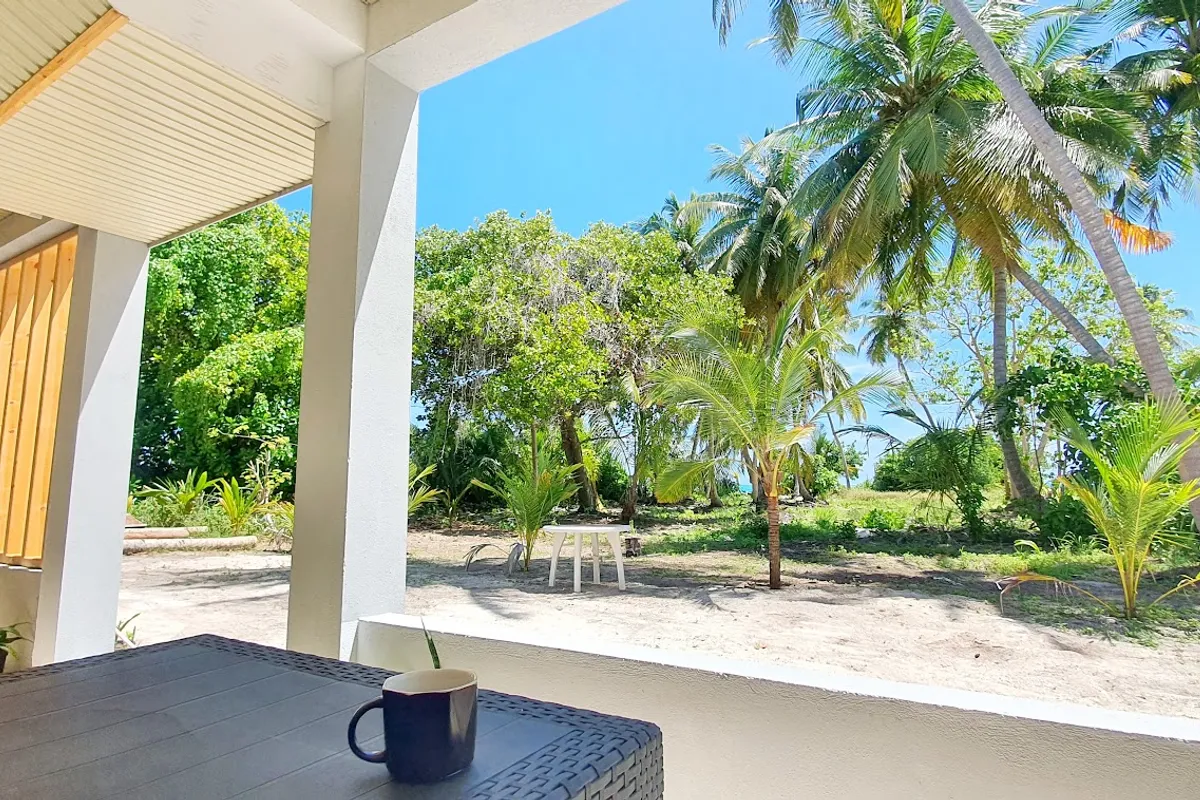
Stepping onto the jetty at Himandhoo, the first thing that envelops you is the scent of salt and warm coral, carried on a gentle breeze. The turquoise waters lap softly against the shore, a symphony of tranquility, while the vibrant green of tropical vegetation beckons from beyond the pristine white sands. You'll hear the distant hum of a fishing boat and the soft chatter of island life, a welcoming embrace from the approximately 900 residents who call this island home. This is an island for the discerning traveler seeking an authentic Maldivian experience, a dive into local culture, and unparalleled access to North Ari Atoll's underwater wonders.
Why Himandhoo
In our two decades navigating these atolls, our team has come to appreciate Himandhoo as a truly distinctive gem among the Maldives' inhabited islands. What sets Himandhoo apart, in our experience, is its captivating blend of rich history and an authentic, unhurried pace of life, largely untouched by the more commercialized tourism found elsewhere. Visitors consistently recall the island's fascinating history of resistance during colonial times and its well-preserved cultural heritage, exemplified by its historical mosque, as genuine highlights. It’s a place where the traditional Maldivian fishing community still thrives, offering a rare glimpse into daily life as it has unfolded for generations.
The island's natural beauty is undeniable, boasting pristine white-sand beaches and crystal-clear turquoise waters that are perfect for snorkeling right from the shore. Its strategic location in the North Ari Atoll also provides easy access to some of the Maldives' most renowned dive sites, celebrated for their abundant marine life including mantas and whale sharks. For those seeking genuine cultural immersion over polished tourist experiences, Himandhoo delivers an ideal balance between authentic local interactions and comfortable, if modest, accommodations.
However, we are always honest about the realities. Himandhoo's tourism infrastructure is still developing compared to more established local islands, meaning fewer dining options and a generally quieter atmosphere. While this is precisely its charm for many, those accustomed to a wide array of amenities or a bustling nightlife might find it too subdued. It’s a place where the rhythm of local life dictates the day, and that's precisely why we cherish it.
Who It Suits (and Who Should Skip It)
- Best for: Himandhoo is ideally suited for budget travelers, history enthusiasts, and those yearning for an authentic cultural immersion in the Maldives. It's a diver's and snorkeler's paradise, offering direct access to a vibrant house reef and world-class dive sites. Travelers looking for uncrowded beaches and a peaceful retreat away from mass tourism will find their haven here.
- Probably not for: This island is likely not for those seeking luxury resort amenities, a wide selection of international dining options, or a vibrant nightlife with alcohol readily available. Travelers who prefer a highly commercialized tourist experience with extensive shopping and entertainment might find Himandhoo too quiet and traditional.
Getting There
Reaching Himandhoo, nestled approximately 85 to 90 kilometers west of Velana International Airport (MLE) / Malé, involves a few distinct transfer options. While the journey isn't as quick as to some closer atolls, it's part of the adventure and offers glimpses of the stunning Maldivian seascape.
- Public ferry: The most economical option, the public ferry from Malé to Himandhoo operates on specific days. Based on current schedules for the North Ari Atoll route, the MTCC (Maldives Transport and Contracting Company) ferry typically departs Malé on Sunday, Tuesday, and Thursday. The journey is a longer one, often involving a connection, and can take around 6-7 hours in total to reach Himandhoo. While we'd recommend confirming the precise ferry schedule on MTCC's site closer to your travel dates for 2025/2026, you can generally expect a fare of around $5-10 USD per person. This option is perfect for budget-conscious travelers with flexible itineraries.
- Speedboat: For those prioritizing speed and convenience, shared speedboats are the preferred method. The journey from Velana International Airport to Himandhoo typically takes approximately one hour and forty-five minutes. While specific operator names can vary and guesthouses often arrange these transfers directly, you can expect per-person fares to range from $50-75 USD for a shared service. It's always best to book your speedboat transfer in advance through your chosen guesthouse, as they coordinate with reliable local operators. Booking at least 48-72 hours prior to your arrival is advisable, especially during peak season.
- Seaplane: While not a domestic flight to a conventional airport, a seaplane transfer offers a breathtaking aerial view of the atolls and is the fastest way to reach the vicinity of Himandhoo. A short seaplane journey from Velana International Airport would take approximately 25–45 minutes to reach a nearby resort or a seaplane platform, from where an onward speedboat transfer to Himandhoo would be arranged. This is the most expensive option, with prices typically starting from $200-300+ USD per person one-way, and is often arranged directly by higher-end guesthouses or resorts.
One crucial practical tip: if your international flight lands in Malé after 16:00, you will likely miss the last public ferry and shared speedboat transfers to Himandhoo for the day. In such cases, we strongly advise planning an overnight stay at an airport hotel in Hulhumalé before arranging your transfer to Himandhoo the following morning.
Find the best flight deals
Search Flights →Transfer Summary
| Option | Duration | Typical Cost (USD) | Best For |
|---|---|---|---|
| Public ferry | ~6-7 hours | $5-10 | Budget travelers, cultural immersion |
| Shared speedboat | ~1 hour 45 minutes | $50-75 | Convenience, faster travel |
| Seaplane + speedboat | ~25-45 minutes (seaplane) + short speedboat | $200-300+ | Speed, scenic views, luxury |
The Beach & House Reef
When it comes to the quintessential Maldivian beach experience, Himandhoo certainly delivers, albeit with the charming simplicity of a local island. We've explored countless shores across these atolls, and Himandhoo’s beaches stand out for their pristine white sand and incredibly clear turquoise waters. You’ll find a designated bikini beach, typically on the northern shore, providing a comfortable space for visitors to relax and swim in their preferred swimwear. There's also a tourist beach on the western side, which, in our experience, offers breathtaking sunset views. These beaches are generally uncrowded, offering a peaceful environment for relaxation, swimming, and soaking up the sun. While you won't find rows of resort-style loungers, many guesthouses provide simple seating, and the natural shade from palm trees offers respite from the tropical sun.
The house reef surrounding Himandhoo is, in our honest assessment, a true treasure for snorkelers. It's vibrant and teeming with marine life, making it perfect for snorkeling directly from the shore. We've found the reef offers good protection from strong ocean currents, particularly within the lagoon, making it accessible for most skill levels. Our team has observed a prominent reef wall, several meters high, adorned with live corals and small underwater caves, creating a fascinating ecosystem to explore. While coral health, like many reefs globally, faces challenges, Himandhoo's house reef still offers a rich display of colorful reef fish, rays, and even occasional sightings of larger species.
For the best visibility and a chance to encounter larger pelagics, especially manta rays, the months during the Northeast monsoon (December to April) are generally considered optimal. While the house reef itself is relatively sheltered, venturing into the channels for drift snorkeling or diving means being mindful of potentially strong currents. Always consult with local dive operators or your guesthouse regarding current conditions and safety before embarking on any extensive drift snorkeling adventures.
Diving & Snorkelling
Himandhoo's location in the North Ari Atoll places it squarely in one of the Maldives' premier diving regions, and our team considers it an excellent base for exploring a spectacular underwater world. The dive sites reachable from Himandhoo are legendary for their biodiversity and the sheer thrill of encountering large marine life.
Among the named dive sites that divers flock to from Himandhoo, you'll find Himandhoo Thila, situated in the channel between Himandhoo and Moofushi, known for its canyons, overhangs, and potential for strong currents. It's a prime spot during the Northeast monsoon (December-April) for manta ray sightings, alongside grey reef sharks, barracudas, and Napoleon wrasse.
Other notable sites include Boajaha Madi, often referred to as a top Manta Point in the Maldives. Similarly, Madi Ga, located at the northwest corner of Himandhoo reef, is another incredible manta cleaning station where you can also spot stingrays, lobsters, nurse sharks, white tip reef sharks, and schools of snappers. Further afield, divers can explore Dhega Thila, Emboodhoo Thila (great for macro lovers with turtles and moray eels), and Himandhoo Kandu. For wreck enthusiasts, the Fesdhoo Wreck, about 30-40 minutes away, offers an advanced dive experience with corals growing all over the cargo ship, attracting lionfish and various macro life. Closer by, Maalhos Thila, Fish Head, and Maaya Thila are renowned for vibrant coral reefs, reef sharks, and manta rays. Lucky divers might even encounter hammerhead sharks in the area, and whale sharks are occasionally spotted.
On the island, we're pleased to confirm the presence of a reputable dive operator. Scuba Himandhoo is a PADI 5 STAR Certified Dive Center, offering a range of PADI courses and guided dive trips for all skill levels. They provide equipment rental and cater to both certified divers and beginners looking for introductory dives. While specific 2025 PADI Open Water course prices weren't explicitly found in our searches, based on our knowledge of the Maldivian market, you can generally expect entry-level PADI Open Water Diver courses to range from approximately $500-700 USD, often including equipment and certification fees. We recommend contacting Scuba Himandhoo directly for their most current pricing and package details.
For snorkelers, the vibrant house reef accessible directly from the shore is a constant delight, teeming with colorful reef fish, rays, and healthy coral patches. Many guesthouses also arrange snorkeling excursions to nearby reefs and sandbanks, often including opportunities for dolphin watching.
Surfing / Fishing / Water Sports
While Himandhoo isn't known as a primary surf destination with specific breaks, its expansive lagoon and proximity to the open ocean do offer opportunities for other water-based activities. We've seen that some guesthouses provide water sports like kayaking and paddleboarding, perfect for exploring the calm, clear waters around the island. The lagoon is also noted for its potential for kite surfing, given its varying depths and colors.
Fishing, however, is deeply ingrained in Himandhoo's cultural fabric and is a highly relevant activity for visitors. As a traditional fishing community, the island offers authentic cultural immersion through fishing trips with local fishermen. You can try your hand at traditional handline fishing, and successful anglers often bring in impressive catches like wahoo, tuna, or sailfish during sport and big-game fishing excursions. Many guesthouses can arrange these trips, often culminating in a fresh fish dinner prepared with traditional Maldivian spices.
Food, Bars & Nightlife (what there is of it)
When it comes to dining and socialising on Himandhoo, it's important to set realistic expectations. This is a traditional local island, not a resort hub, and the charm lies in its simplicity and authenticity. You won't find a wide array of high-end restaurants or a bustling nightlife scene. Instead, what you will discover are local cafés and guesthouse kitchens that serve up wholesome, often delicious, Maldivian fare.
Our team has found several small local shops and cafés on the island that provide daily necessities, snacks, and simple meals. Many guesthouses on Himandhoo offer meal packages, which often feature traditional Maldivian cuisine, with a focus on freshly caught fish and locally grown vegetables. You might encounter common local island offerings such as curries, grilled fish, and hedhikaa (Maldivian short eats). One visitor even noted finding "the best café... serving Illy coffee," highlighting that quality coffee is available. Most of these local spots operate on a cash-only basis, so it's wise to carry sufficient Maldivian Rufiyaa or US Dollars.
Now, regarding nightlife and alcohol: it’s crucial to understand that the Maldives is a Muslim country, and alcohol consumption is strictly prohibited on all local islands, including Himandhoo. You will not find any bars, liquor stores, or alcohol for sale anywhere on the island. Attempting to bring alcohol into the country, even duty-free purchases from the airport, is illegal and will result in confiscation upon arrival.
However, for those who wish to enjoy an alcoholic beverage, there are workarounds. Many guesthouses on Himandhoo can arrange day trips to nearby resort islands (such as Athuruga, Ellaidhoo, or Bathala) where alcohol is freely available within designated areas. Another popular option is a visit to a "floating bar" or safari boat, which are vessels anchored a short distance from local islands and hold special licenses to serve alcohol to tourists. These excursions provide an opportunity to enjoy a drink while respecting local laws and customs.
Cultural Notes & Dress Code
Visiting Himandhoo offers a wonderful opportunity for cultural immersion, and understanding and respecting local customs is key to a rewarding experience. As a predominantly Muslim nation, the Maldives adheres to Islamic traditions, which influence daily life on inhabited islands like Himandhoo.
The dress code is an important consideration. When you are in the village areas, shopping, or dining in local cafés, both men and women are expected to dress modestly. This means covering your shoulders and knees. While we understand the desire to embrace the tropical climate, wearing swimwear or revealing clothing outside of designated areas is considered disrespectful. Swimwear, including bikinis, is strictly permitted only at the designated "bikini beach" area on the island. When visiting the island's historical mosque or other religious sites, women should also cover their heads with a scarf as a sign of respect. These guidelines are not meant to restrict your enjoyment but rather to foster mutual respect and a harmonious interaction with the local community.
Ramadan, the Islamic month of fasting, is an important time in the Maldivian calendar. During Ramadan, Muslims fast from dawn till dusk. While guesthouses continue to operate and serve food to tourists, some local cafés might have altered opening hours or close during fasting hours. It's a period of reflection and devotion, and visitors should be mindful of this. For 2026, Ramadan is expected to begin on the evening of Tuesday, February 17th, with fasting commencing on Wednesday, February 18th, and concluding on the evening of Wednesday, March 18th. For 2027, Ramadan is anticipated to start on the evening of Sunday, February 7th or Monday, February 8th, and last until Monday, March 8th. During these periods, we encourage extra sensitivity and discretion, especially when eating or drinking in public during daylight hours.
Photography etiquette is generally relaxed, but always ask permission before taking close-up photos of individuals, especially women and children. A simple gesture or "Assalaamu alaikum" (peace be upon you) goes a long way. Finally, be aware that Friday is the weekly holy day in the Maldives. Friday prayer around midday can affect local services, including shops and some transfer schedules. It's always best to plan any transfers or activities around this time accordingly.
Sample Island Itinerary
Our team has crafted this sample itinerary to give you a taste of Himandhoo's authentic charm and underwater wonders, balancing relaxation with adventure. Prices are estimates for two people sharing, excluding international flights.
Day 1: Arrival & Reef Immersion
- Morning/Afternoon: Arrive at Velana International Airport (MLE) and take your pre-booked shared speedboat transfer to Himandhoo. The journey itself is a scenic introduction to the atolls. Check into your guesthouse and settle in.
- Late Afternoon: Head straight to the designated bikini beach on the northern side of the island. Relax on the soft sand, swim in the clear lagoon, and take your first snorkel on the vibrant house reef just steps from the shore. The house reef is teeming with colorful fish and corals.
- Evening: Enjoy a traditional Maldivian dinner at your guesthouse, likely featuring freshly caught fish. Many guesthouses offer delicious, home-cooked meals as part of their packages.
- Dinner Recommendation: Your Guesthouse's dining (expect fresh fish curry or grilled reef fish).
- Daily Budget Estimate: $70 (transfer) + $80 (guesthouse) + $40 (dinner & incidentals) = $190 USD
Day 2: Diving into the Deep & Island Exploration
- Morning: For certified divers, embark on a two-tank dive trip with Scuba Himandhoo to renowned sites like Himandhoo Thila or Madi Ga. Expect exhilarating drift dives with opportunities to spot manta rays, reef sharks, and an abundance of pelagic life. Non-divers can opt for a guided snorkeling excursion to a different part of the house reef or a nearby sandbank.
- Afternoon: Return to the island for lunch. Afterwards, take a leisurely stroll through the village. Explore the local shops, observe traditional boat building, and visit the historical mosque, soaking in the genuine Maldivian way of life. Remember to dress modestly in the village.
- Evening: Consider a sunset fishing trip with local fishermen. This is a fantastic way to experience a traditional Maldivian pastime, and your catch can often be prepared for your dinner.
- Dinner Recommendation: Your fresh catch from the sunset fishing trip, prepared by your guesthouse or a local café.
- Daily Budget Estimate: $150 (2-tank dive) or $30 (snorkeling trip) + $80 (guesthouse) + $50 (fishing trip & lunch) + $30 (dinner) = $310-340 USD
Day 3: Island Hopping & Departure
- Morning: Take an island-hopping excursion to a nearby uninhabited sandbank for a secluded picnic breakfast and more snorkeling in pristine waters. Alternatively, your guesthouse might offer a trip to a nearby resort island if you're keen to experience a different side of the Maldives (and perhaps enjoy a non-local beverage).
- Afternoon: Enjoy a final Maldivian lunch. Depending on your departure time, you might have a chance for some last-minute souvenir shopping or a final dip in the ocean.
- Late Afternoon/Evening: Depart Himandhoo via shared speedboat back to Velana International Airport for your onward journey.
- Dinner Recommendation: Local café for a final taste of Maldivian flavors.
- Daily Budget Estimate: $50 (sandbank trip/resort day trip) + $80 (guesthouse) + $40 (lunch & souvenirs) + $70 (transfer) = $240 USD
Practical Info
- Money: We're pleased to report that the Bank of Maldives (BML) commenced ATM banking services in Himandhoo in November 2024, a significant improvement for travelers. This 24/7 ATM allows for withdrawals, deposits, and transfers. While USD is widely accepted in many tourist-related businesses, carrying some Maldivian Rufiyaa (MVR) for smaller purchases at local shops and cafés is always a good idea. Be aware that using foreign cards at ATMs in the Maldives typically incurs a fee of 100 MVR (approximately $6.50 USD). Card acceptance can still be limited in smaller local establishments, so cash remains king for day-to-day expenses.
- Connectivity: Himandhoo generally has 4G/5G mobile network coverage, allowing you to stay connected. However, as is common on remote islands, connectivity can occasionally be unreliable, especially during adverse weather. Most guesthouses provide Wi-Fi, which is usually sufficient for browsing and basic communication, but don't expect lightning-fast speeds for heavy streaming or large downloads. Consider purchasing a local SIM card upon arrival at Velana International Airport for reliable data access.
- Water: Like most inhabited islands in the Maldives, Himandhoo relies on desalinated water. While this water is safe for showering and washing, we always recommend drinking bottled water. Bottled water is readily available at local shops and guesthouses. Some guesthouses may offer refill points to reduce plastic waste; it's worth inquiring upon arrival.
- Medical: For minor ailments, Himandhoo is equipped with a local pharmacy and a medical center. For more serious medical emergencies, patients would typically be transferred to a larger island with a regional hospital, such as Rasdhoo (which also has a BML branch since 2006), or to Malé. Always ensure you have comprehensive travel insurance that covers medical emergencies and potential evacuations.
- Best time to visit: In our honest take, the best time to visit Himandhoo is during the dry season, which typically runs from December to April. This period offers the most stable weather, with plenty of sunshine and calmer seas, making it ideal for diving, snorkeling, and beach activities. Specifically, the Northeast monsoon (December to April) is considered the best season for encountering manta rays at popular dive sites like Himandhoo Thila. While the shoulder seasons (May-June and September-November) can offer good value and fewer crowds, there's a higher chance of rain and rougher seas.
aMaldives Expert Verdict
Our take: Himandhoo is a truly captivating destination for those who seek an authentic Maldivian experience away from the resort bubble. It's great for budget-conscious travelers, keen divers, and anyone eager to immerse themselves in local culture. The one clear caveat is its quiet, traditional nature, meaning limited nightlife and dining options beyond guesthouses. However, the single best reason to book here versus another local island is its unparalleled access to the world-class dive sites of North Ari Atoll, combined with a genuinely warm and welcoming community that offers a true glimpse into Maldivian life.
Compare guesthouses on Himandhoo
Find Hotels →— aMaldives Editorial Team, reviewed 2026
Frequently Asked Questions
Is there a bikini beach on Himandhoo?
Yes, Himandhoo features a designated bikini beach, typically located on the northern side of the island, where visitors can comfortably wear swimwear. Elsewhere in the village, modest dress (covered shoulders and knees) is expected out of respect for local customs.
Is alcohol available on Himandhoo?
No, alcohol is strictly prohibited on Himandhoo, as it is on all local inhabited islands in the Maldives. It is illegal to bring alcohol into the country, and it will be confiscated upon arrival. However, guesthouses can arrange excursions to nearby resort islands or floating bars where alcohol is served.
Is there an ATM on Himandhoo?
Yes, as of November 2024, the Bank of Maldives (BML) has commenced 24/7 ATM banking services on Himandhoo, allowing for cash withdrawals, deposits, and transfers. Be aware that a fee of 100 MVR (approximately $6.50 USD) applies to foreign card withdrawals.
Is Himandhoo safe for solo female travelers?
Yes, Himandhoo is generally considered safe for solo female travelers. The Maldivian people are known for their hospitality and the island community is welcoming. However, as with any destination, it's always wise to exercise common sense, respect local customs, particularly the dress code, and inform your guesthouse of your plans.
Is Himandhoo kid-friendly?
Himandhoo is a fantastic choice for families looking for an authentic and relaxed Maldivian experience. The calm, shallow waters of the house reef are excellent for children to snorkel, and the uncrowded beaches provide ample space for play. Many guesthouses are family-run and can assist with kid-friendly activities.
How reliable are the ferries to Himandhoo?
The public ferry system to Himandhoo is generally reliable, but it operates on a fixed schedule (Sunday, Tuesday, Thursday from Malé) and can be subject to delays or cancellations due to weather conditions. Speedboats are more flexible and faster. Always confirm schedules close to your travel dates, especially with the MTCC for public ferries. We recommend checking with your guesthouse for the most up-to-date information.
What is the best month to visit Himandhoo?
The best months to visit Himandhoo are during the dry season, from December to April. This period offers the most favorable weather conditions with plenty of sunshine and calm seas, ideal for all water activities. December to April is also the prime season for manta ray sightings.
How many days should I stay on Himandhoo?
We recommend a stay of 3 to 5 days on Himandhoo to fully experience the island's charm, enjoy the diving and snorkeling, explore the village, and perhaps take an excursion to a nearby sandbank or resort. This allows for a relaxed pace without feeling rushed. For avid divers, even longer stays are easily justified.
Can I go diving if I'm not a certified diver?
Absolutely! Scuba Himandhoo, the PADI 5 Star Certified Dive Center on the island, offers introductory dives (like Discover Scuba Diving) for non-certified individuals. These allow you to experience the underwater world under direct supervision of an instructor without needing full certification. They also offer snorkeling trips.
Are vegetarian food options available on Himandhoo?
Yes, vegetarian options are generally available on Himandhoo, especially at guesthouses. While Maldivian cuisine often features fish, guesthouses are accustomed to catering to dietary preferences and can prepare vegetarian dishes upon request. Local cafés will also have vegetable-based curries, rice, and noodle dishes. It's always a good idea to communicate your dietary needs to your guesthouse in advance.