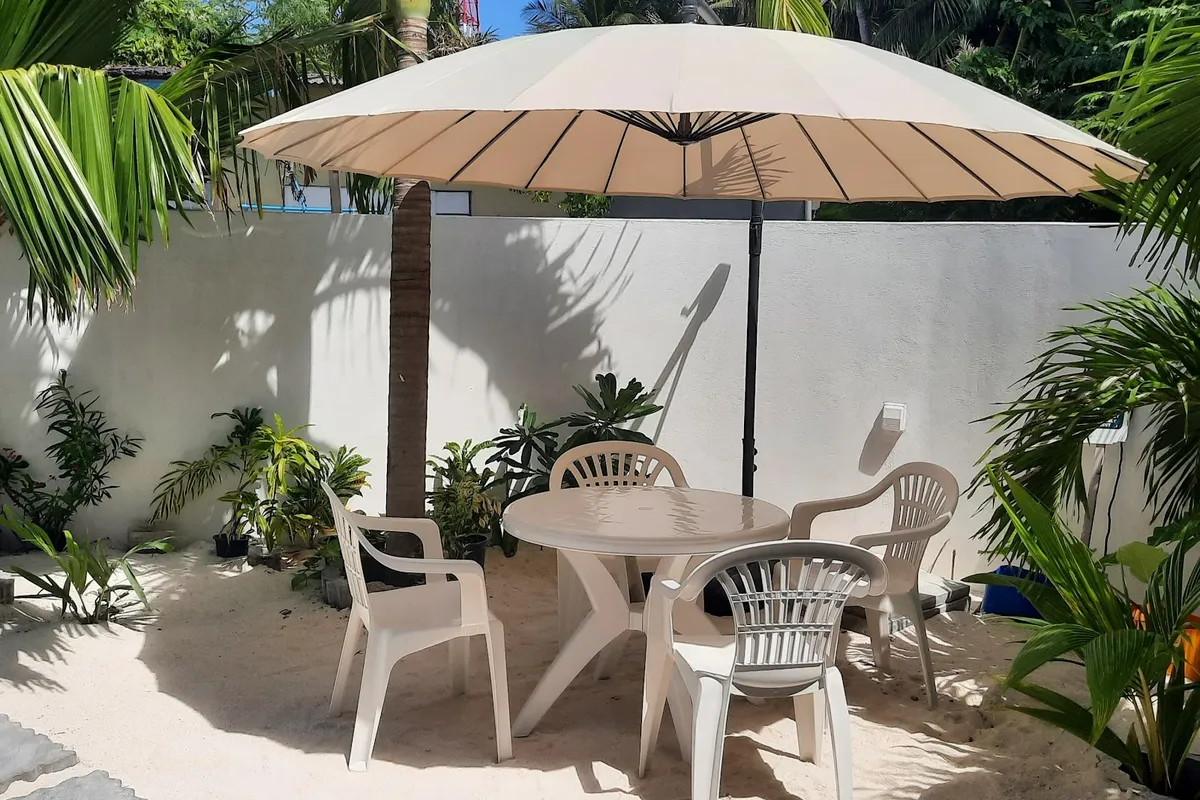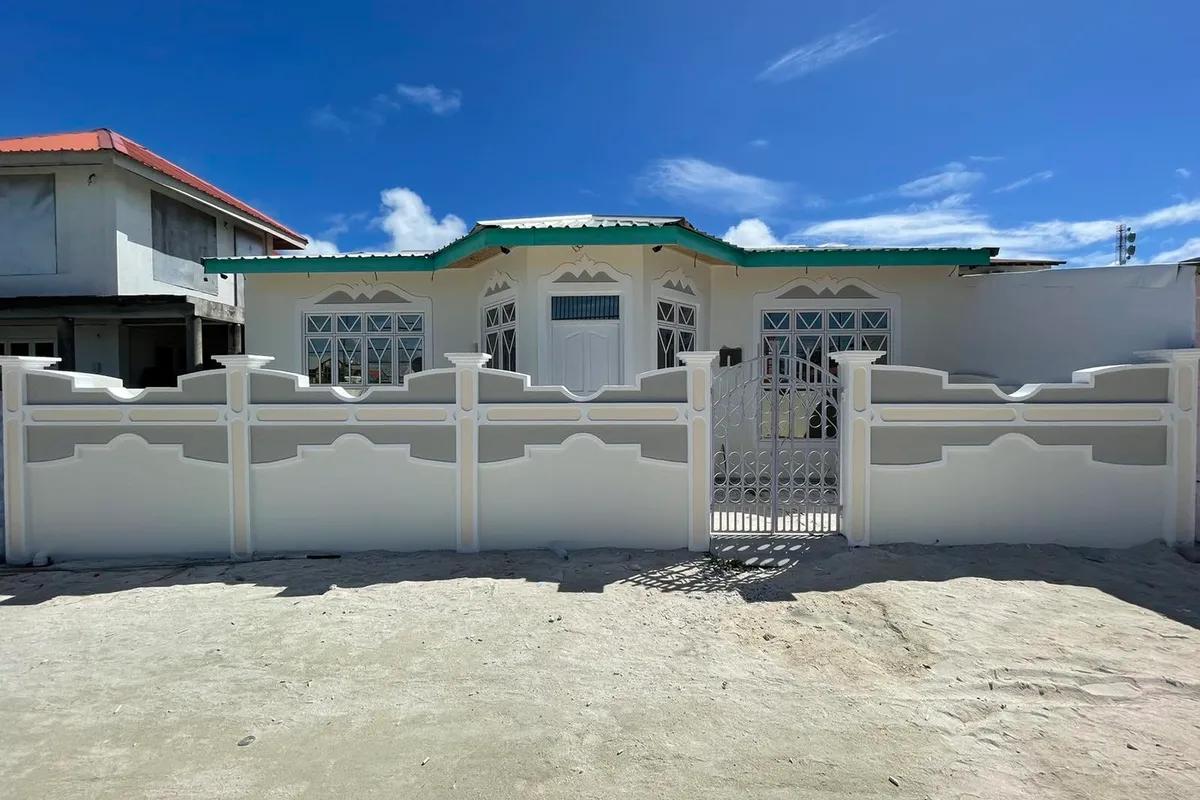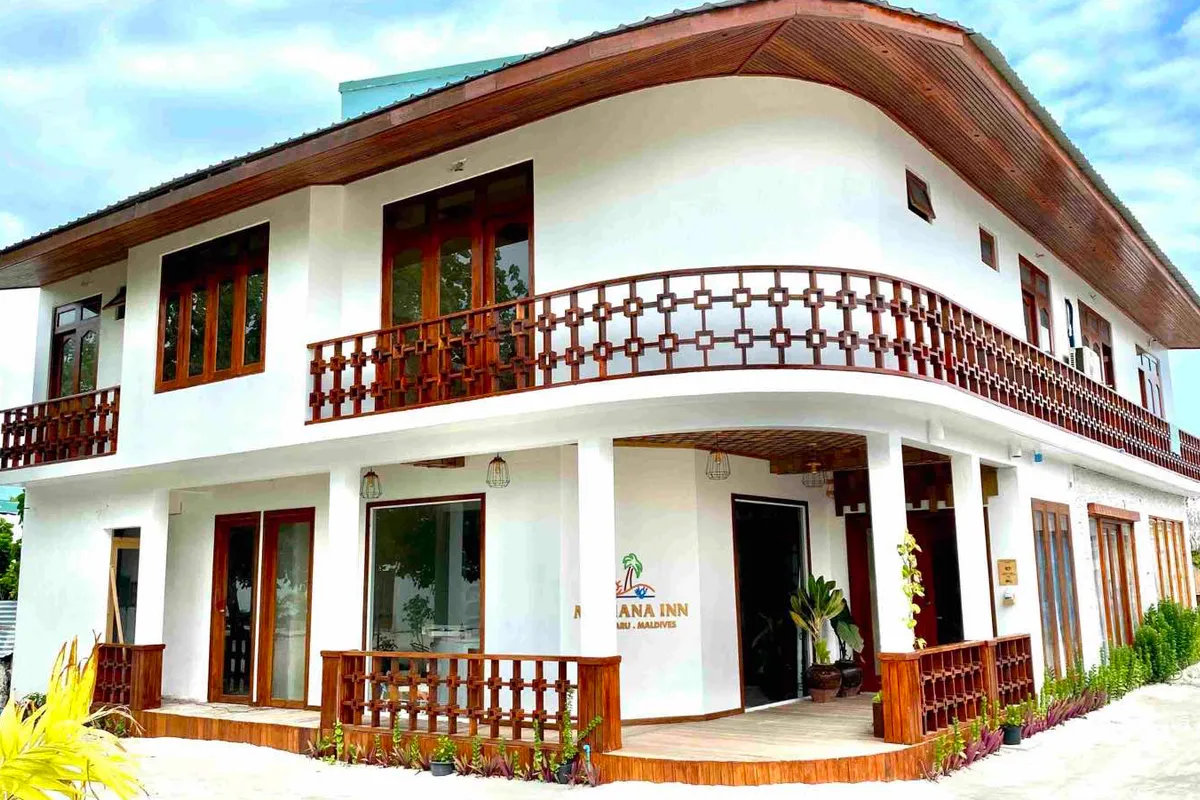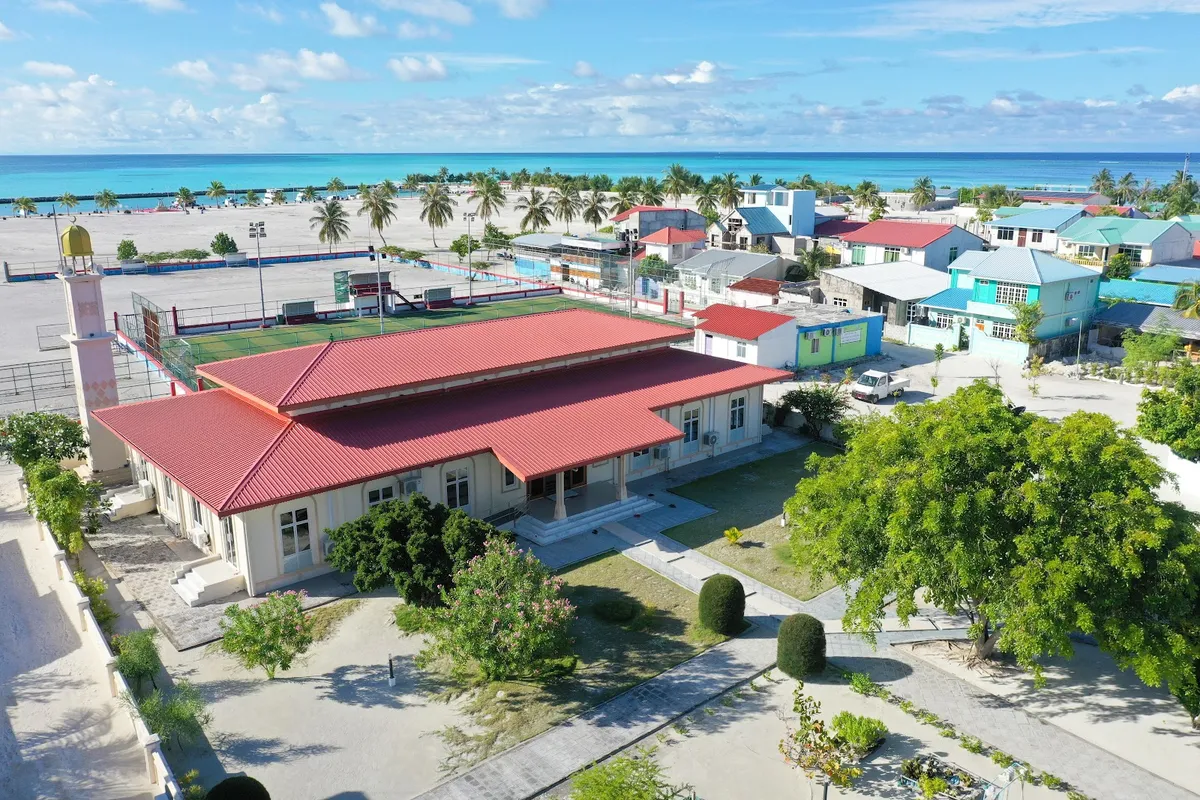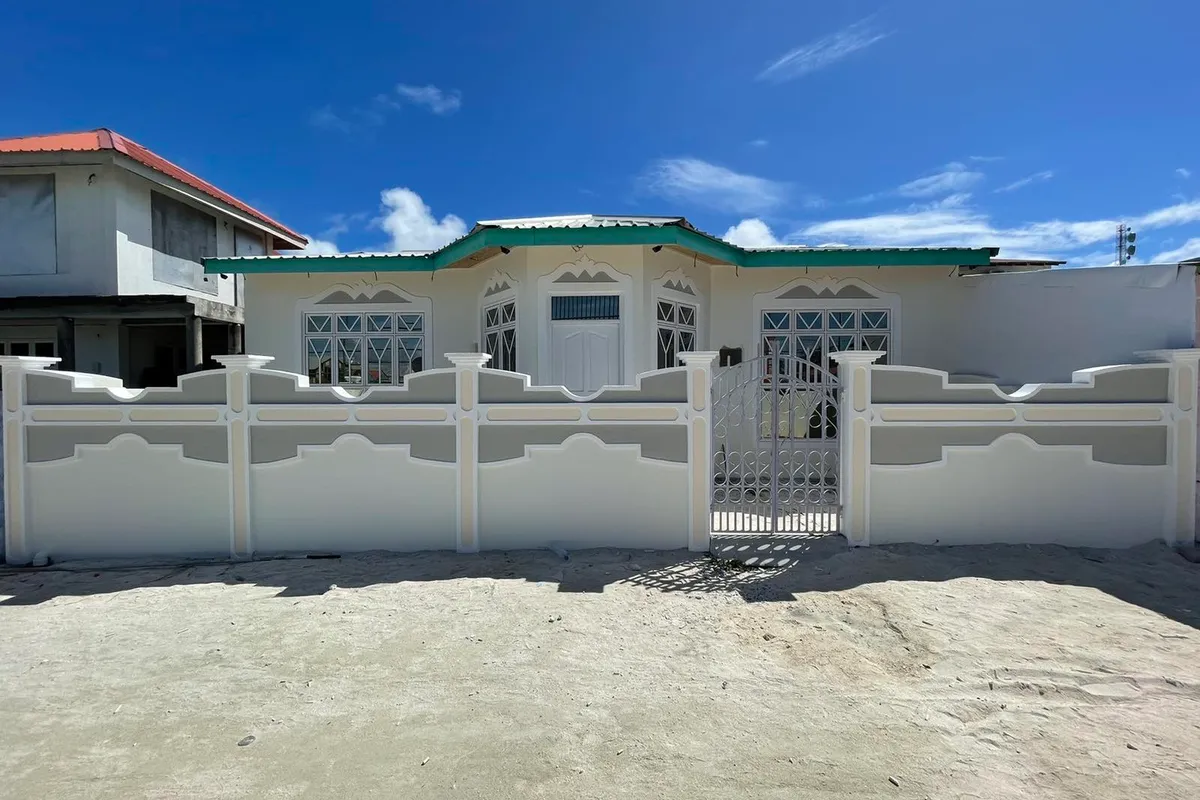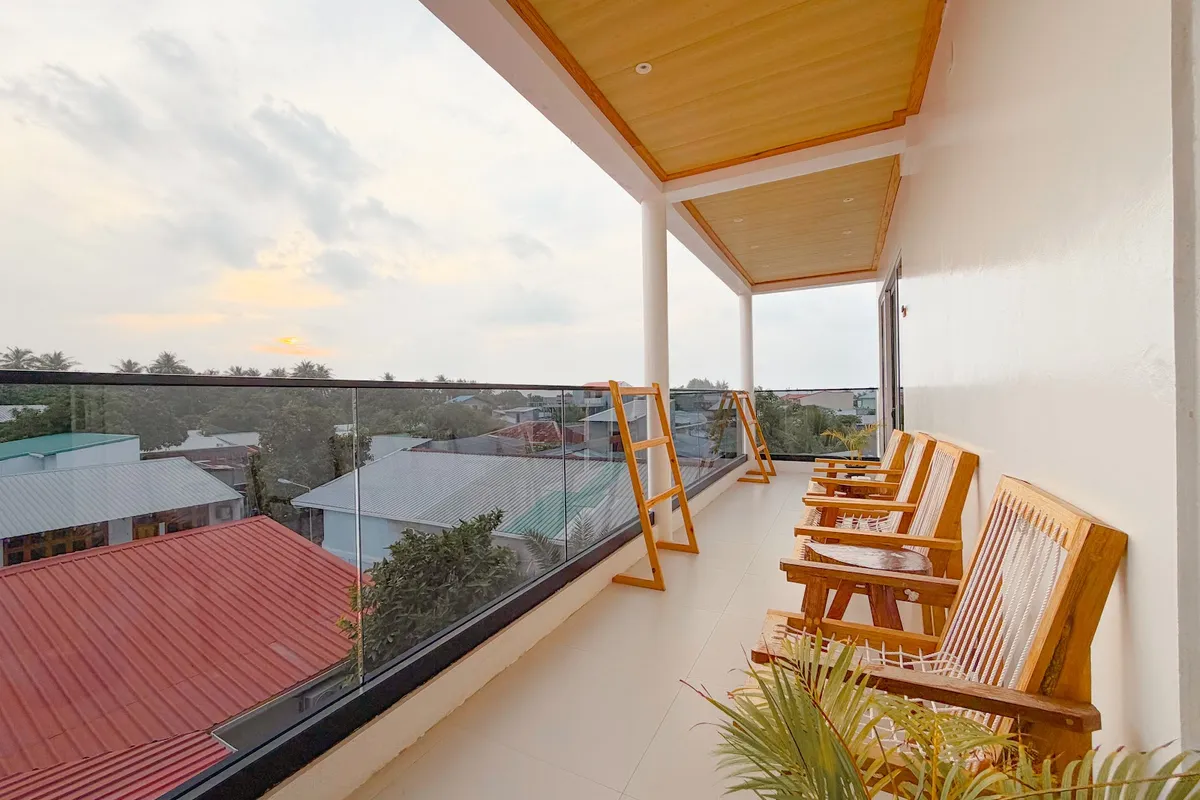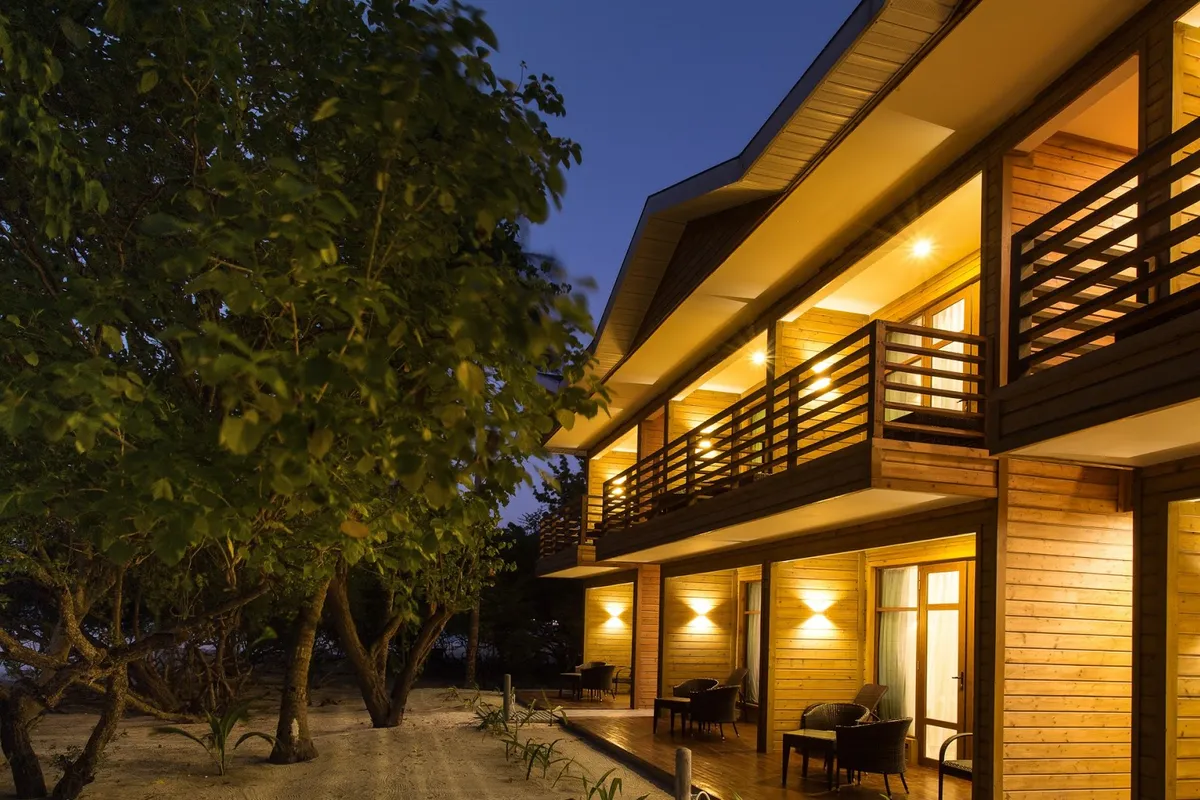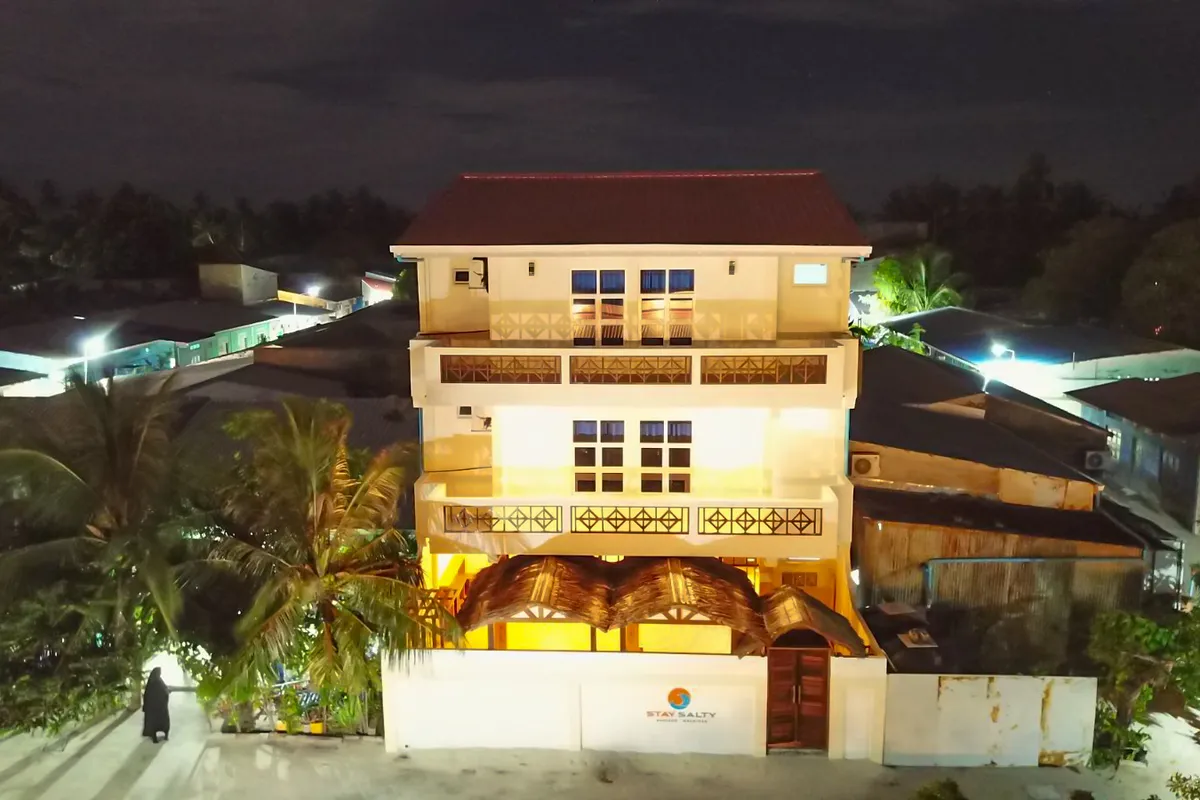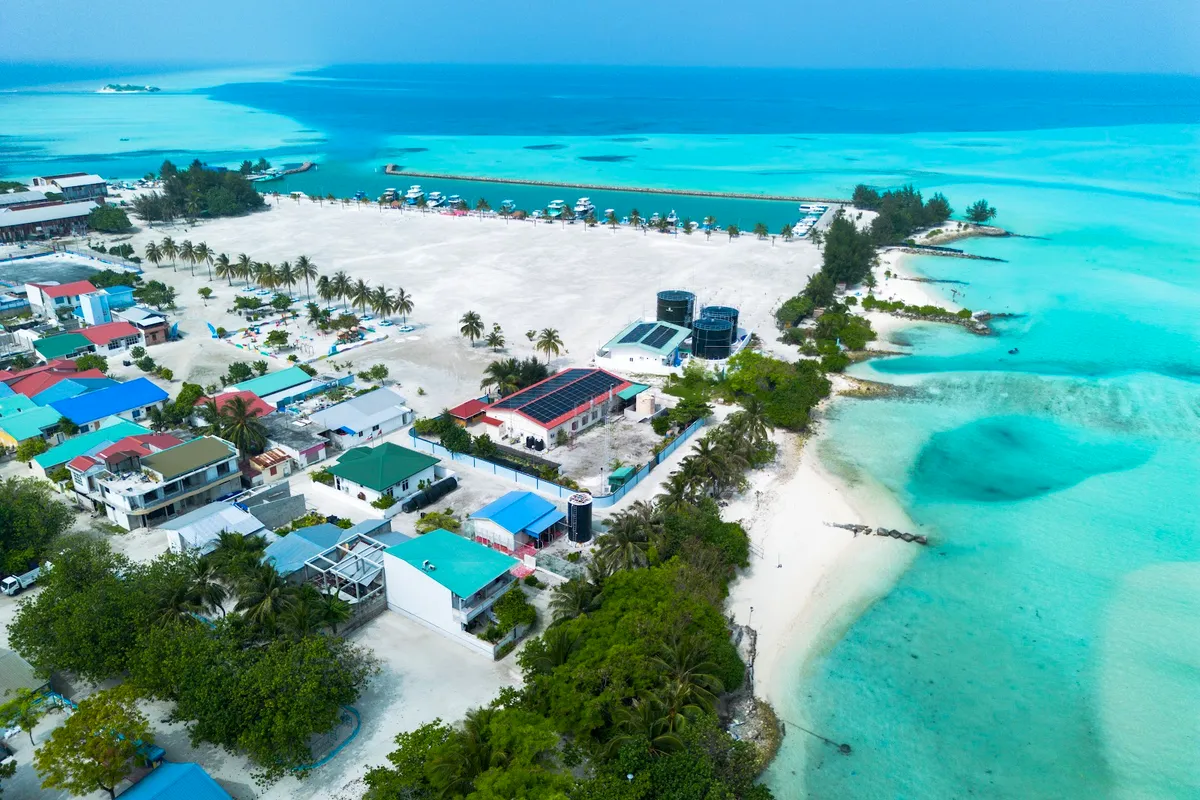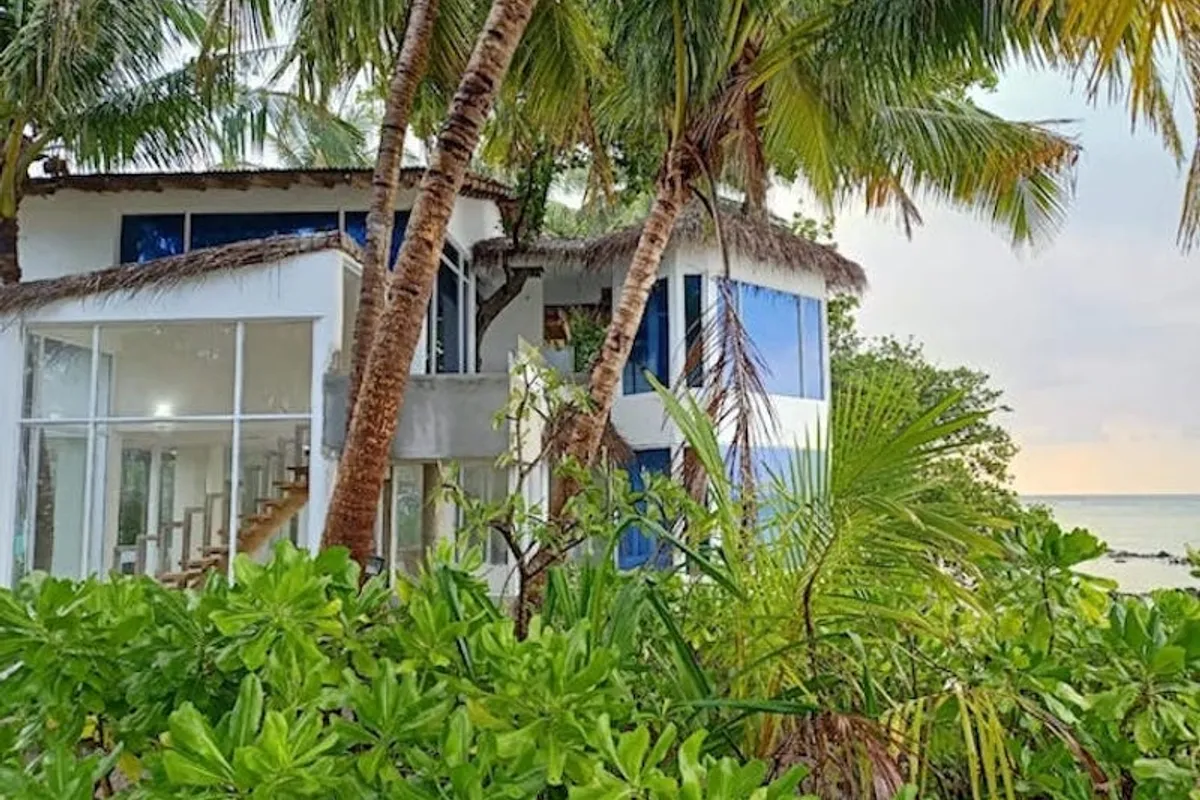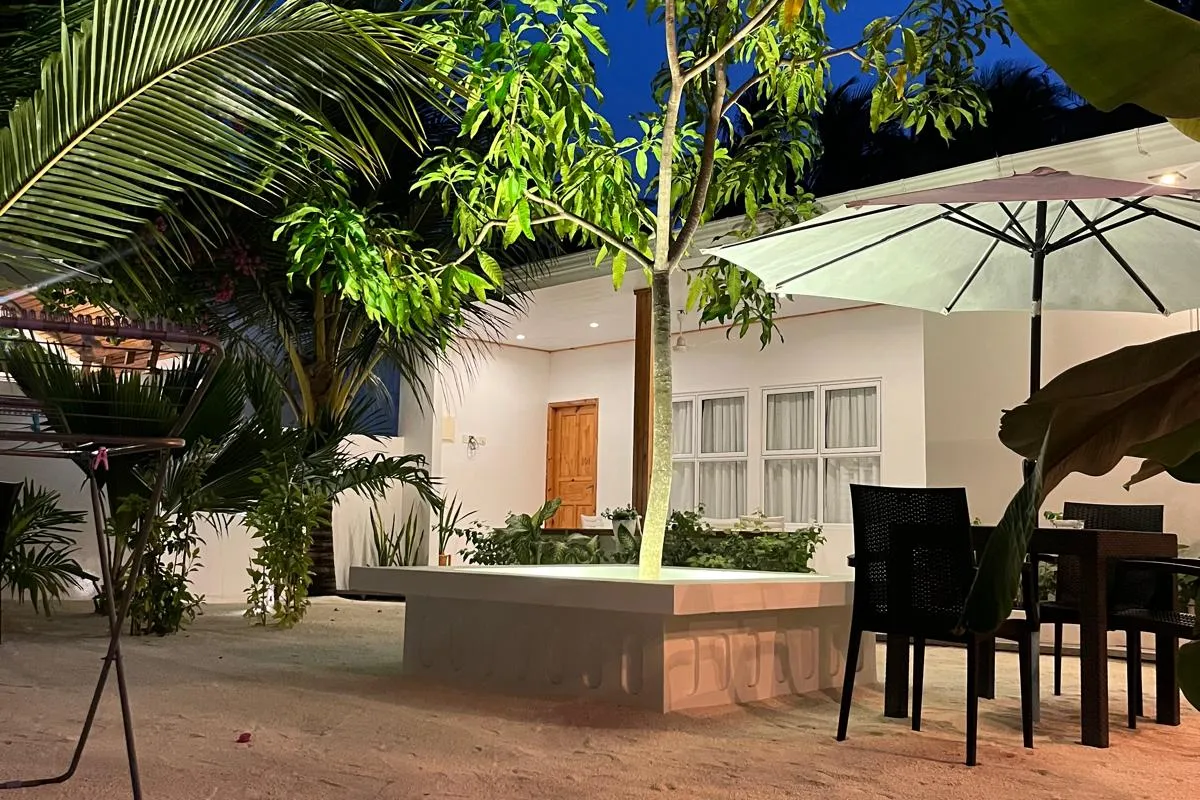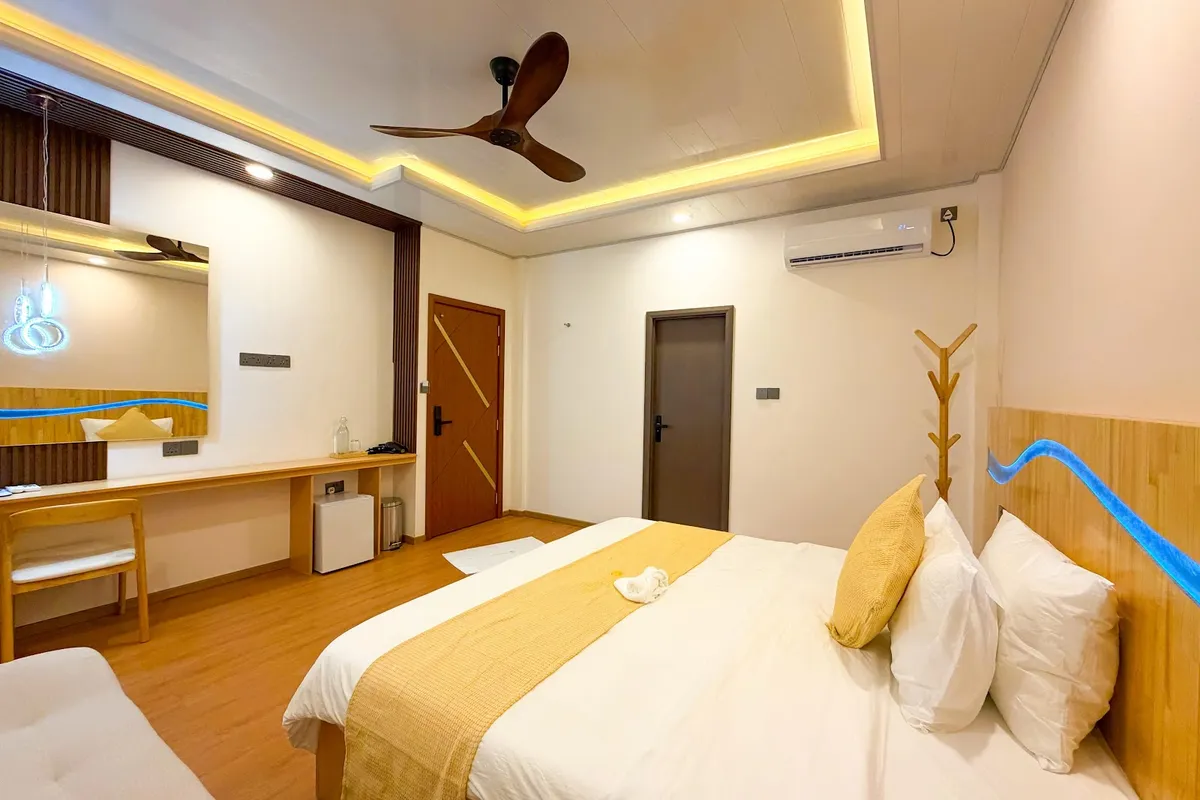
Stepping onto Gaafaru, the first thing that greets you is the soft, warm sand underfoot, quickly followed by the gentle murmur of waves lapping against the shore. A faint, salty breeze carries the aroma of the ocean mixed with the subtle scent of blooming frangipani from the island's interior. The calls of distant seabirds echo over the turquoise lagoon, a stark contrast to the distant hum of a arriving speedboat. This is an island for those who seek an authentic Maldivian experience, far removed from resort crowds, yet with easy access to incredible marine adventures.
Why Gaafaru
In our two decades exploring these atolls, our team has seen many islands transform, but Gaafaru retains a distinct charm that sets it apart. What truly makes Gaafaru special is its steadfast commitment to traditional Maldivian fishing culture and a palpable sense of community. Unlike some of its more developed neighbours in North Malé Atoll, Gaafaru offers an intimate glimpse into local life, where the rhythm of the day is still dictated by fishing boats heading out at dawn and returning with their catch.
Visitors consistently remember two things about Gaafaru: the genuine warmth of its residents and the surprisingly pristine marine environment right on its doorstep. The island's house reef is remarkably healthy, boasting vibrant coral formations and an abundance of marine life, making it a world-class spot for snorkeling and diving without the crowds often found elsewhere. We also appreciate its tranquil atmosphere, offering a secluded paradise that feels untouched by mass tourism.
However, it's important to be honest about the drawbacks. Gaafaru is undergoing significant development, with a major land reclamation project planned to expand the island and potentially introduce new tourism infrastructure, including luxury resorts. While this promises economic growth for locals, it also means the island's landscape is evolving, and some parts might feel like a construction zone in the coming years. Additionally, being a local island, alcohol is strictly prohibited, and nightlife is minimal, focusing instead on cultural immersion and marine activities. For those seeking a vibrant party scene or resort-style luxury on the island itself, Gaafaru might not be the ideal fit.
Who It Suits (and Who Should Skip It)
- Best for: Travelers seeking an authentic Maldivian cultural experience, keen divers and snorkelers looking for pristine reefs and wreck diving opportunities, budget-conscious adventurers, and those who appreciate quiet, community-focused islands away from resort crowds. It's also suitable for families who enjoy a laid-back pace and engaging with local life.
- Probably not for: Luxury resort seekers expecting overwater bungalows and all-inclusive packages on the island itself, party-goers looking for alcohol and late-night entertainment, or those who prefer a highly manicured, resort-only environment.
Getting There
Reaching Gaafaru from Velana International Airport (MLE) or Malé City involves either a public ferry or a shared/private speedboat transfer. It's crucial to plan your arrival time carefully, as missing the last transfer can mean an unexpected night near the airport.
- Public ferry: This is the most economical option, operated by MTCC. Ferries depart from Malé (Villingili Ferry Terminal) to Gaafaru on Sundays, Tuesdays, and Thursdays at 11:00 AM. The journey typically takes around 2 to 3 hours, though some reports suggest it can be over three hours. The fare is incredibly affordable, usually around $2-5 per person. Return ferries from Gaafaru to Malé are available on Mondays, Wednesdays, and Saturdays at 9:00 AM. We always recommend confirming the latest schedule directly with MTCC upon arrival, as timings can occasionally change.
- Speedboat: For a faster and more convenient transfer, shared speedboats are the preferred choice for most visitors. Several operators, including Vella Express and Bream Speed, offer services. The journey from Velana International Airport or Malé to Gaafaru takes approximately 45 to 75 minutes. Shared speedboat fares typically range from $30-40 per person for a one-way trip. Speedboats usually depart from Malé around 3:30 PM daily, except on Fridays. The speedboat from Gaafaru to Malé typically leaves the island at 7:30 AM. Booking in advance, often through your guesthouse, is highly recommended to secure your spot.
- Private speedboat: If you prefer flexibility or are traveling with a group, a private speedboat can be arranged. This allows you to travel on your own schedule. The cost for a private transfer can vary significantly, starting from around $200 for a group, or approximately $100 per person for two people, and $50 per person for four people for the 60-75 minute journey. Some operators might charge up to $850 for the entire boat, especially for transfers outside standard hours or during rough weather.
Practical tip: If your international flight lands after 16:00 (4:00 PM), you will likely miss the last shared speedboat to Gaafaru. In such cases, we advise booking an airport hotel for the night in Hulhumalé and arranging your transfer for the following morning. Alternatively, a private speedboat can be arranged at a higher cost for late arrivals.
Find the best flight deals
Search Flights →Transfer Summary
| Option | Duration | Typical Cost (USD) | Best For |
|---|---|---|---|
| Public ferry | 2-3 hours | $2-5 | Budget travelers, cultural immersion, not prone to seasickness |
| Shared speedboat | 45-75 minutes | $30-40 | Convenience, faster travel, good value |
| Private speedboat | 60-75 minutes | $200-850 (per boat) | Flexibility, groups, late arrivals |
The Beach & House Reef
Gaafaru boasts beautiful sandy beaches, and crucially, a designated "Bikini Beach" for tourists. Known locally as South Beach, this area provides a comfortable space for visitors to relax and swim in swimwear without needing to adhere to local dress codes. In our experience, it's a clean stretch of sand, often equipped with a few loungers and thatched umbrellas, offering welcome shade from the Maldivian sun. While not as expansive as some resort beaches, it's perfectly adequate for the modest number of tourists on the island.
The house reef surrounding Gaafaru is, in our honest assessment, one of its greatest assets. It's easily accessible directly from the beach and offers world-class underwater experiences, rivaling many more famous dive sites. We've consistently found the coral health to be excellent, a testament to minimal tourism pressure and strong local conservation awareness. The reef system extends 200-300 meters from shore, with depths ranging from shallow lagoon areas ideal for beginner snorkelers to dramatic drop-offs exceeding 30 meters for experienced divers. You'll encounter pristine hard and soft coral formations in the shallower coral gardens (3-8 meters) and impressive wall diving once you hit the 15-meter mark and beyond.
Visibility is generally superb, often exceeding 25 meters, particularly during the dry season from January to May. Currents around the house reef are typically gentle, making for relaxed drift snorkeling, but as with any reef system, conditions can vary. Always check with local guides or your guesthouse for current reports, especially if you plan to venture further out. We haven't noted any significant safety issues beyond standard reef etiquette (don't touch, don't stand on coral) and being mindful of boat traffic near the harbour.
Diving & Snorkelling
Gaafaru's marine environment is a true hidden gem, offering exceptional diving and snorkeling with remarkable marine life diversity. The island is particularly renowned for its numerous shipwrecks, a result of its historical position on important shipping routes and treacherous reefs.
Key dive sites reachable from Gaafaru include:
- SS Seagull: This famous wreck, a 1000-ton steamship that sank in 1897, is a must-see. Its anchor can be found at about 6 meters on the reef top, with the rest of the ship lying at around 30 meters. It's even visible for snorkelers in parts.
- Lady Christine: An iron vessel wreck with a drop-down to 50 meters, featuring overhangs and caves.
- Erlangen: An almost intact shipwreck, with its hull at 50 meters.
Beyond the wrecks, the healthy reef system consistently delivers impressive marine encounters. Divers and snorkelers frequently see nurse sharks, stingrays, schools of trevally, and vibrant tropical fish. Deeper waters often reveal grey reef sharks, eagle rays, Napoleon wrasse, moray eels, and groupers. We've also spotted hawksbill turtles regularly, and the "Barulu Falhu" lagoon is particularly famous for its turtle population.
While not as reliable as dedicated manta or whale shark hotspots, Gaafaru does lie along migration routes, offering seasonal opportunities for encounters with whale sharks (typically December to April) and manta rays (May to October). The best season for diving, with weak currents and excellent underwater visibility, is generally from January to May.
Regarding dive operators, while several PADI 5-star dive centers operate in the broader North Malé Atoll (like TGI Sangeli, TGI Helengeli, Dive Butler Fari Veli), it's our understanding that most guesthouses on Gaafaru work with local dive guides or arrange excursions with nearby operators. We recommend inquiring directly with your chosen guesthouse about their diving partners and package options. For those looking to learn, a "Discover Scuba Diving" experience typically costs around $130 per person. Daily boat dives are approximately $100 for one dive and $180 for two dives, including equipment rental and guidance. PADI Open Water Diver course prices can vary, so it's best to get a quote from the local providers.
Fishing / Water Sports
Gaafaru, with its strong fishing heritage, offers fantastic opportunities to experience traditional Maldivian fishing. You can join local fishermen for pole-and-line fishing trips, or try your hand at exciting night fishing under the stars, often costing around $50 per person. For a private fishing charter, expect to pay around $463 for a 4-hour trip or $860 for an 8-hour trip for the boat. Operators like Norion Fishing Charters Maldives and Seahawk 2 are popular choices.
Beyond fishing, the Bikini Beach area provides a hub for various water sports. You can rent canoes or kayaks (single kayak for $35/hour, double for $55/hour), try stand-up paddleboarding (SUP) for $40/hour, or enjoy exhilarating rides on a banana boat (around $30 per person, minimum 4 pax). Jet skiing is also available, with prices starting at $120 for 10 minutes.
Food, Bars & Nightlife (what there is of it)
When it comes to dining on Gaafaru, realism is key. You won't find Michelin-starred restaurants or bustling nightclubs here. Instead, the island offers a charming selection of local cafés and guesthouse kitchens that serve authentic Maldivian, Asian, and sometimes Western fare. We've noted places like AMICO The Island Kitchen, Island Deck, Panama Café, The Slice Gaafaru, and Reef Café as popular spots. The Island Deck, in particular, is a local favorite for coffee and sunset views by the port. Most guesthouses also offer meal plans, providing fresh, home-cooked dishes, often featuring the day's catch.
It's important to remember that Gaafaru is a local, inhabited island in a Muslim nation, which means alcohol is strictly prohibited. You won't find any bars or places selling alcoholic beverages. For those who wish to enjoy a drink, the workaround typically involves day trips to nearby resort islands (which can be costly) or arranging a visit to a floating bar, if available in the wider atoll. A more common and enjoyable alternative on Gaafaru is a private sandbank excursion, where your guesthouse can arrange a secluded picnic or even a romantic BBQ dinner under the stars. The nightlife on Gaafaru consists of quiet evenings, perhaps a stroll along the beach, mingling with locals, or enjoying a cup of coffee at a local cafe.
Cultural Notes & Dress Code
As guests on a local Maldivian island, we believe it's essential to show respect for the local culture and customs. The Maldives is a Muslim country, and modesty in dress is appreciated in public areas of the village. This means keeping shoulders and knees covered when walking around the island. Swimwear, including bikinis, is perfectly acceptable on the designated "Bikini Beach" (South Beach) but should be reserved for that area only.
Ramadan considerations: If your visit coincides with the holy month of Ramadan, be aware that daily life on the island will shift. Most locals will be fasting from dawn till dusk, and many restaurants and shops may operate on reduced hours or close during fasting hours. It's a time of reflection and community for Maldivians. For 2026, Ramadan is expected to begin around February 19 and end around March 19. In 2027, it's projected to run from approximately February 8 to March 8.
Photography etiquette: Always ask for permission before taking close-up photos of individuals, especially women and children. General landscape and candid shots from a distance are usually fine. During Friday prayer times, which typically occur around midday, you might find some shops closed and transfers potentially affected as locals attend the mosque. Speedboats, for instance, usually do not operate during Friday prayer.
Sample Island Itinerary
Here’s how we’d recommend making the most of a short stay on Gaafaru:
Day 1: Arrival and Reef Exploration
- Morning/Afternoon: Arrive at Velana International Airport (MLE), clear immigration, and proceed to your pre-booked shared speedboat transfer to Gaafaru. Enjoy the scenic 45-75 minute ride across the turquoise waters. Check into your guesthouse.
- Late Afternoon: Head straight to the Bikini Beach (South Beach) for some relaxation and your first dip in the ocean.
- Evening: Enjoy a leisurely stroll around the village to get a feel for local life. Watch the sunset from the harbour.
- Dinner: Freshly caught fish BBQ at your guesthouse.
- Budget breakdown: Speedboat transfer ($30-40), Dinner ($15-25).
Day 2: Underwater Wonders & Sandbank Bliss
- Morning: Embark on a boat trip for a guided snorkeling tour of Gaafaru's house reef and potentially one of the nearby shallow shipwrecks, like parts of the SS Seagull. Keep an eye out for turtles, reef sharks, and vibrant corals.
- Lunch: A picnic lunch on a pristine, deserted sandbank, arranged by your guesthouse. This is a quintessential Maldivian experience.
- Afternoon: Relax on the sandbank, swim in the unbelievably clear waters, or try some stand-up paddleboarding or kayaking.
- Late Afternoon: Return to Gaafaru. Consider a traditional fishing trip with local fishermen as the sun begins to dip.
- Dinner: Explore a local café like AMICO The Island Kitchen for authentic Maldivian curries and roshi.
- Budget breakdown: Snorkeling trip ($30-50), Sandbank excursion with lunch ($50-100), Fishing trip ($50), Dinner ($10-20).
Day 3: Diving the Depths or Dolphin Magic
- Morning: For certified divers, arrange a two-tank boat dive to explore Gaafaru's famous wrecks like the SS Seagull or Lady Christine, or a vibrant thila (underwater pinnacle). If you're not a diver, opt for a dolphin cruise, a delightful experience where you can often spot playful pods.
- Lunch: Enjoy lunch at your guesthouse or a local spot like The Slice Gaafaru.
- Afternoon: Free time for souvenir shopping at local boutiques like Blue Haven or 4S Art, or simply relax on the beach.
- Dinner: A romantic beach dinner, often arranged by guesthouses for around $70 per person.
- Budget breakdown: 2-tank dive ($180-200) OR Dolphin cruise ($45-50), Lunch ($10-20), Dinner ($20-70).
Practical Info
- Money: There is currently no ATM on Gaafaru island. We strongly advise carrying sufficient US Dollars (USD) in small denominations or Maldivian Rufiyaa (MVR) for your expenses. While some guesthouses and shops may accept credit cards, it's not guaranteed, and minimums might apply. You'll get the best exchange rates at Velana International Airport upon arrival if you need MVR. Some guesthouses may offer money-changing services, but rates can be less favorable.
- Connectivity: Most guesthouses on Gaafaru offer complimentary Wi-Fi. While 4G/5G coverage is generally good across inhabited islands in the Maldives, we recommend purchasing a local SIM card at the airport if you need reliable data for navigation or staying connected on excursions.
- Water: Like most inhabited islands, Gaafaru relies on desalinated water. Bottled water is readily available in shops and guesthouses, though prices can vary. We encourage bringing a reusable water bottle and inquiring with your guesthouse about refill points to minimize plastic waste.
- Medical: Gaafaru has a health center and a pharmacy, which can handle basic medical needs and emergencies. For serious conditions, transfer to Malé for more comprehensive hospital facilities would be necessary.
- Best time to visit: Our honest take is that the dry season, from November to April, offers the most consistently good weather with calm seas, abundant sunshine, and excellent underwater visibility. For divers, January to May is particularly recommended due to weaker currents and optimal visibility for exploring wrecks and reefs. The wet season (May to October) can bring occasional rain and rougher seas, but also offers potential seasonal sightings of manta rays.
aMaldives Expert Verdict
Our take: Gaafaru is a true Maldivian gem for the discerning traveler who values authentic cultural immersion and exceptional marine experiences over resort luxuries. Its pristine house reef and fascinating shipwrecks offer world-class diving and snorkeling without the crowds, making it ideal for underwater enthusiasts. The one clear caveat is the ongoing and planned development, which may alter its current tranquil, untouched feel in some areas. The single best reason to book here versus another local island is its unique combination of genuine village life and outstanding, easily accessible wreck diving opportunities.
Compare guesthouses on Gaafaru
Find Hotels →— aMaldives Editorial Team, reviewed 2026
Frequently Asked Questions
Is there a bikini beach on Gaafaru?
Yes, Gaafaru has a designated "Bikini Beach" (also known as South Beach) where tourists are welcome to wear swimwear. In other public areas of the island, modest dress (shoulders and knees covered) is expected out of respect for local culture.
Can I drink alcohol on Gaafaru?
No, alcohol is strictly prohibited on Gaafaru, as it is on all local inhabited islands in the Maldives, in accordance with Islamic law. If you wish to consume alcohol, you would need to visit a nearby resort island or a floating bar via an excursion.
Is there an ATM on Gaafaru island?
No, there is currently no ATM on Gaafaru. We strongly advise bringing sufficient US Dollars (USD) or Maldivian Rufiyaa (MVR) in cash. Some guesthouses may offer money exchange services, but rates are usually better at Velana International Airport.
Is Gaafaru safe for solo female travelers?
Yes, Gaafaru is generally considered safe for solo female travelers. Maldivian islands are known for their low crime rates and friendly communities. However, as with any destination, exercising common sense, respecting local customs, and being aware of your surroundings is always recommended.
Is Gaafaru kid-friendly?
Yes, Gaafaru can be a wonderful, kid-friendly destination, especially for families who enjoy a relaxed pace and outdoor activities. The shallow lagoons are safe for swimming, and activities like snorkeling, sandbank visits, and interacting with local children offer enriching experiences. The island also has playgrounds and a children's park.
How reliable are the public ferries to Gaafaru?
Public ferries in the Maldives are generally reliable but can be subject to delays or cancellations due to weather conditions or public holidays. We always recommend checking the latest schedule with MTCC or your guesthouse closer to your travel date. For time-sensitive connections, a shared or private speedboat is a more dependable option.
What is the best month to visit Gaafaru?
The best time to visit Gaafaru is during the dry season, from November to April, for consistently good weather, calm seas, and excellent visibility for snorkeling and diving. For optimal diving conditions, specifically January to May is highly recommended.
How many days should I stay on Gaafaru?
We recommend staying at least 3 to 5 days on Gaafaru to fully experience its unique charm, explore the marine life, enjoy local activities, and allow for potential weather-related changes to excursion plans. Longer stays are ideal for those seeking deeper cultural immersion or extensive diving.
Can I go diving if I'm not a certified diver?
Yes, you can! Most dive operators or guesthouses on Gaafaru can arrange a "Discover Scuba Diving" experience, which allows non-certified individuals to try diving under the direct supervision of an instructor in shallow, controlled conditions. This typically costs around $130.
Are there vegetarian food options available?
Yes, vegetarian food options are generally available on Gaafaru. Maldivian cuisine often includes vegetable curries, lentil dishes (dhal), and fresh fruits. Most guesthouses and local cafés will be able to cater to vegetarian diets if informed in advance.