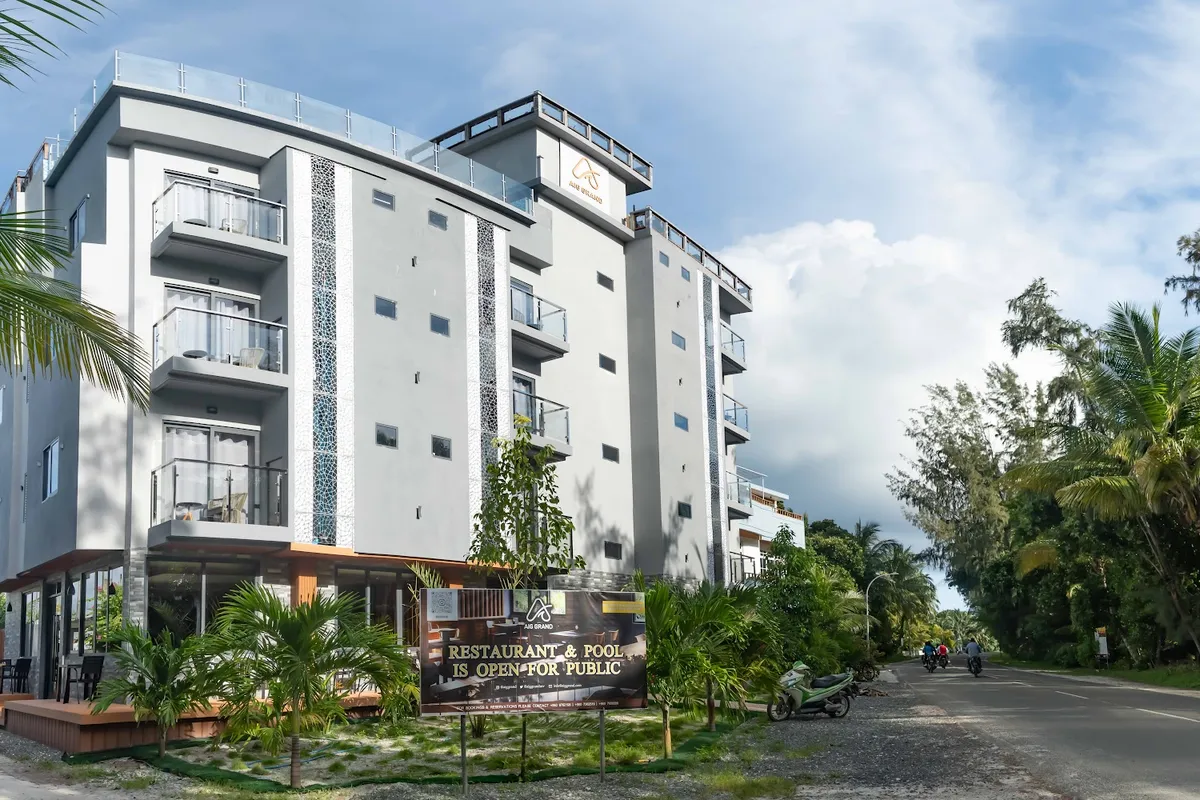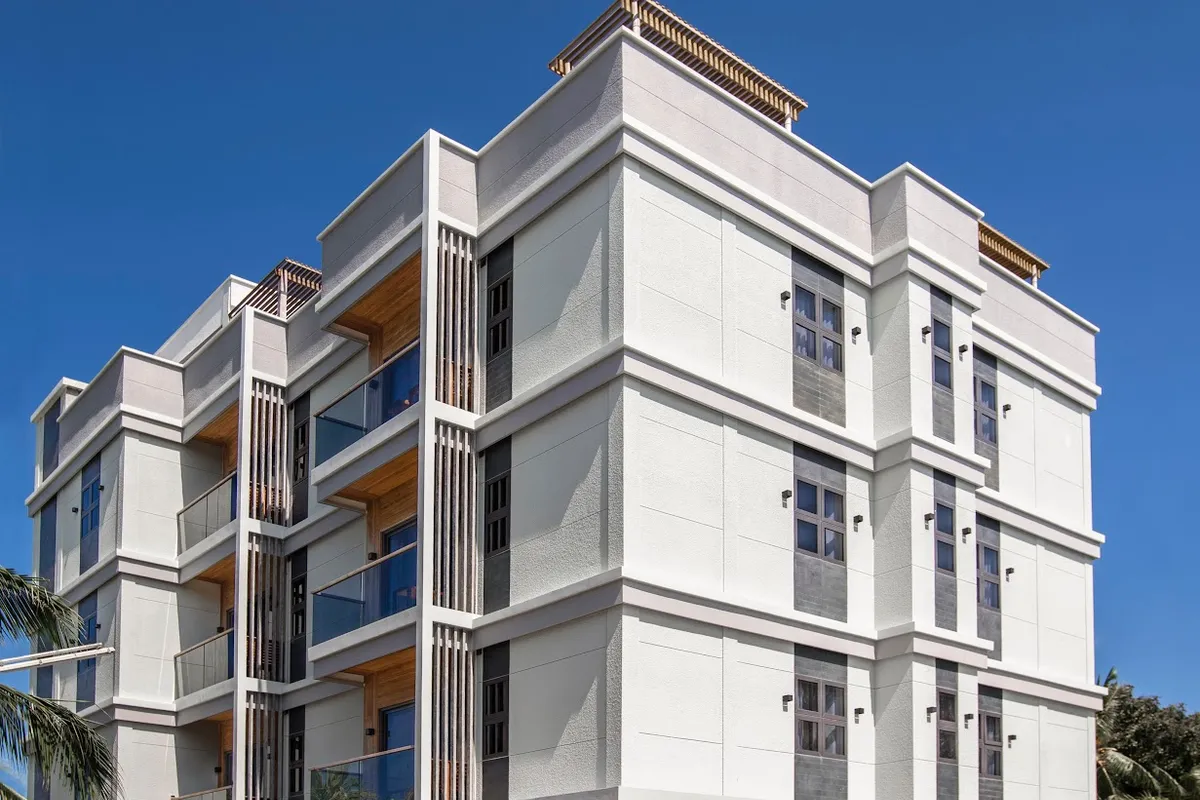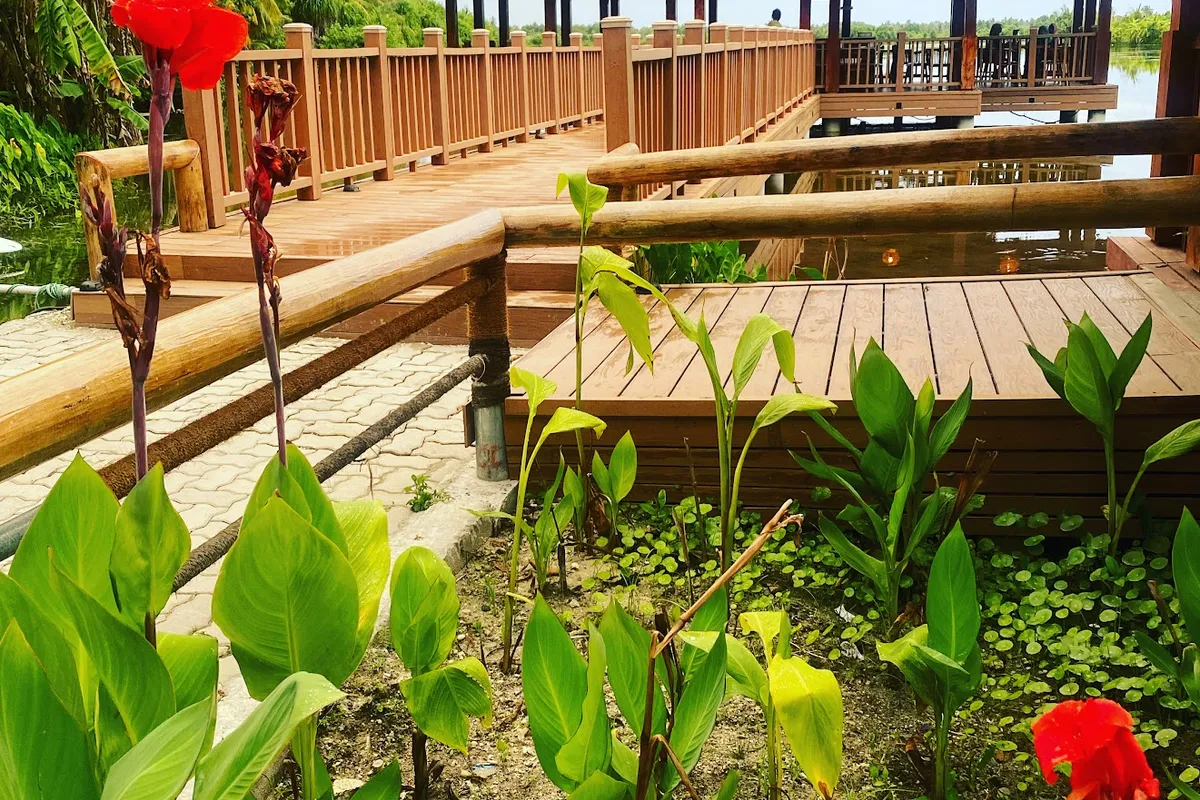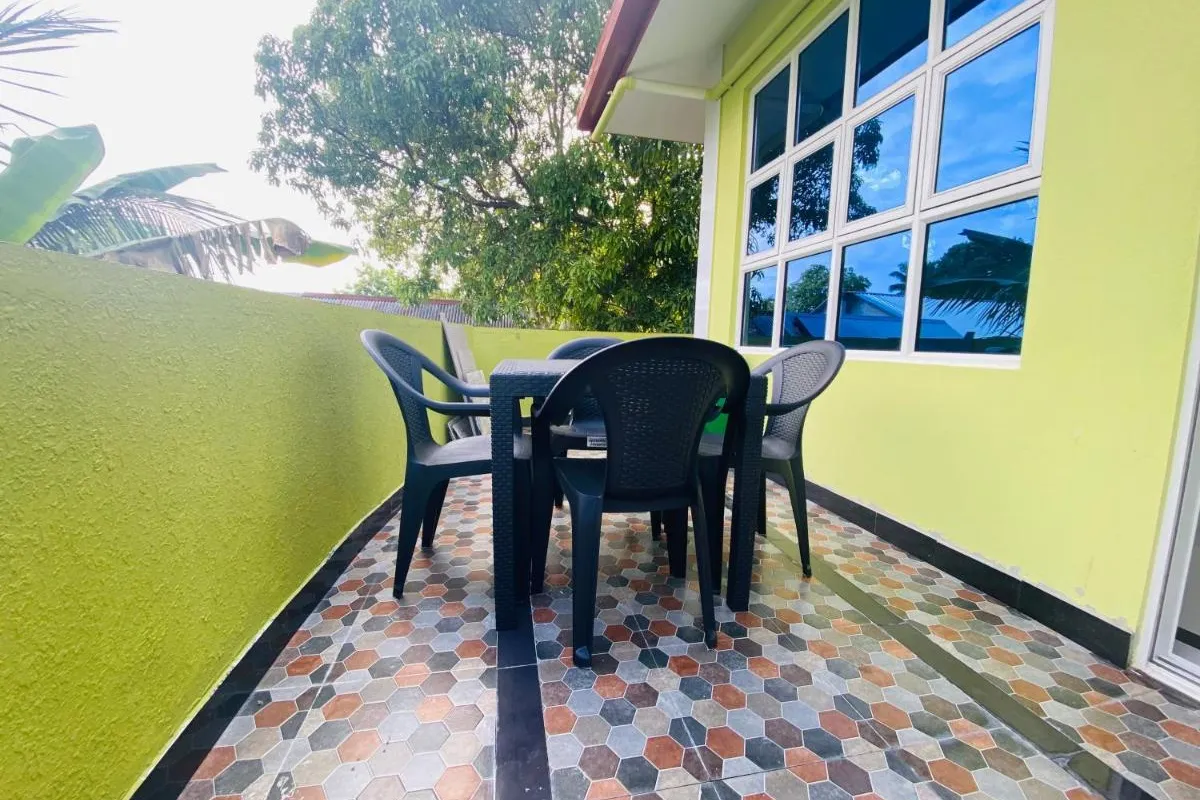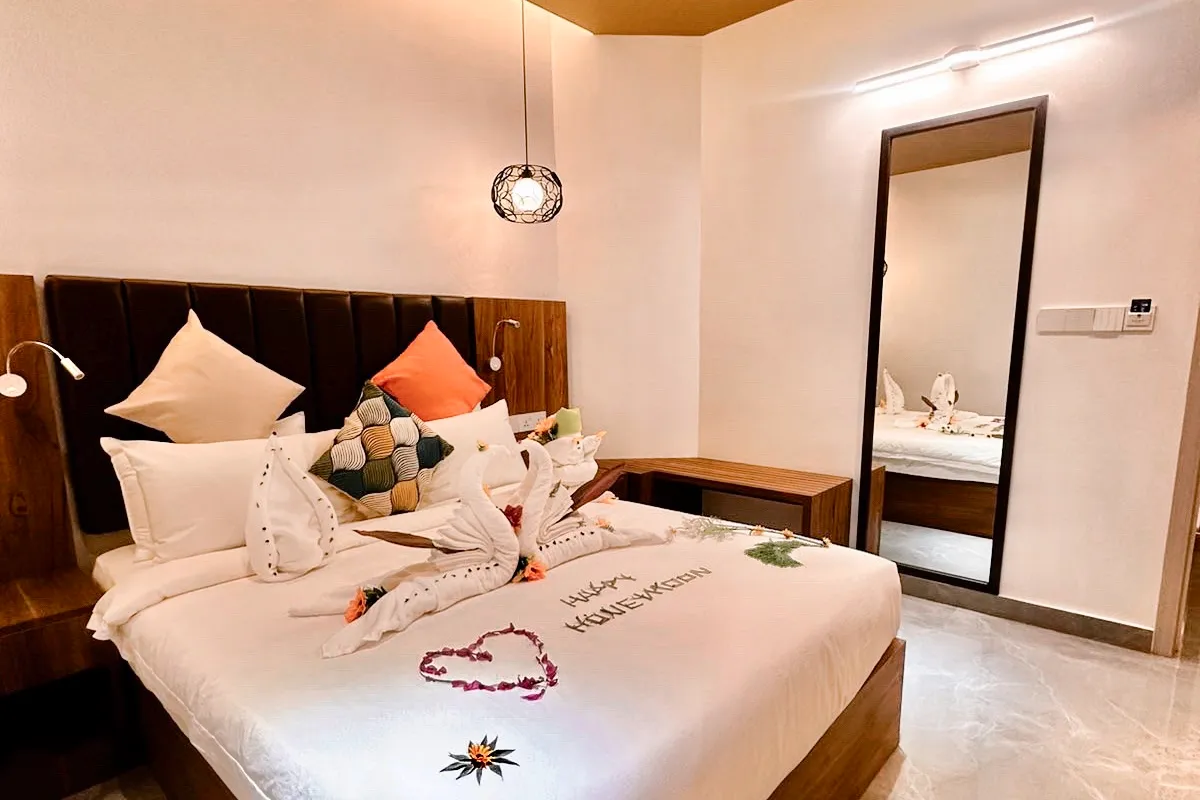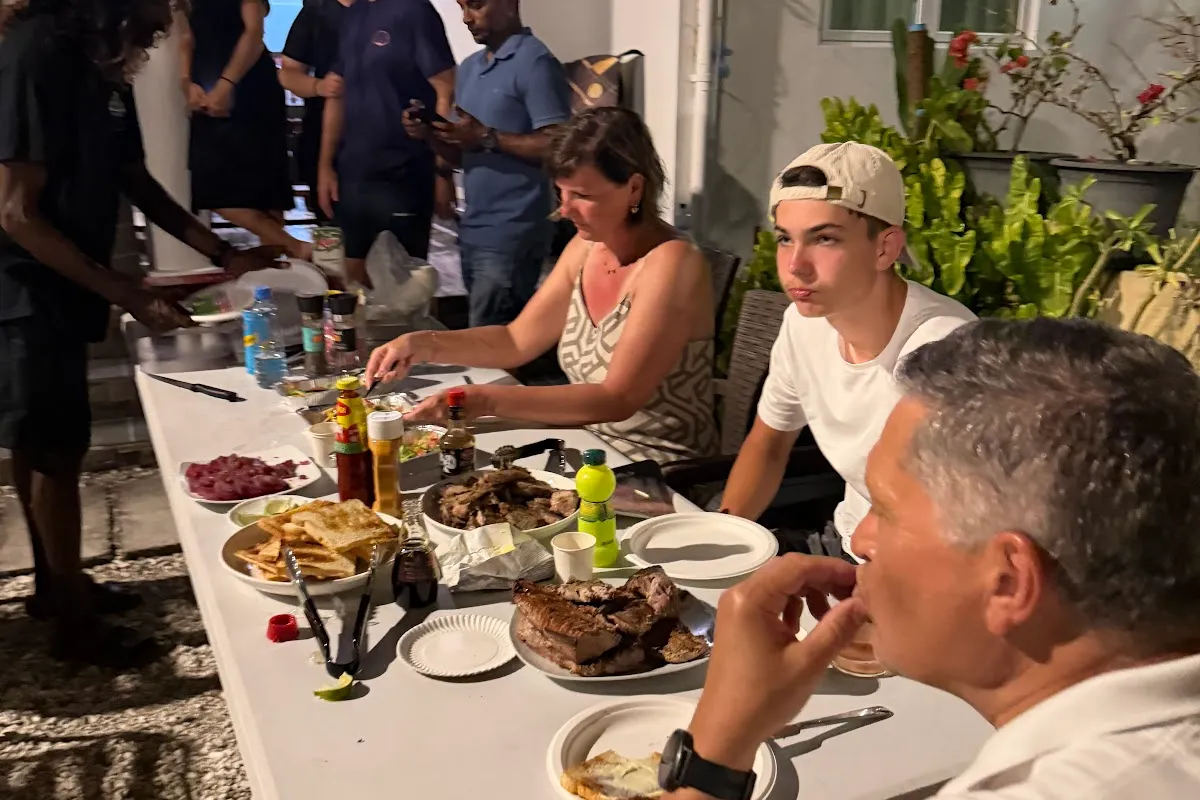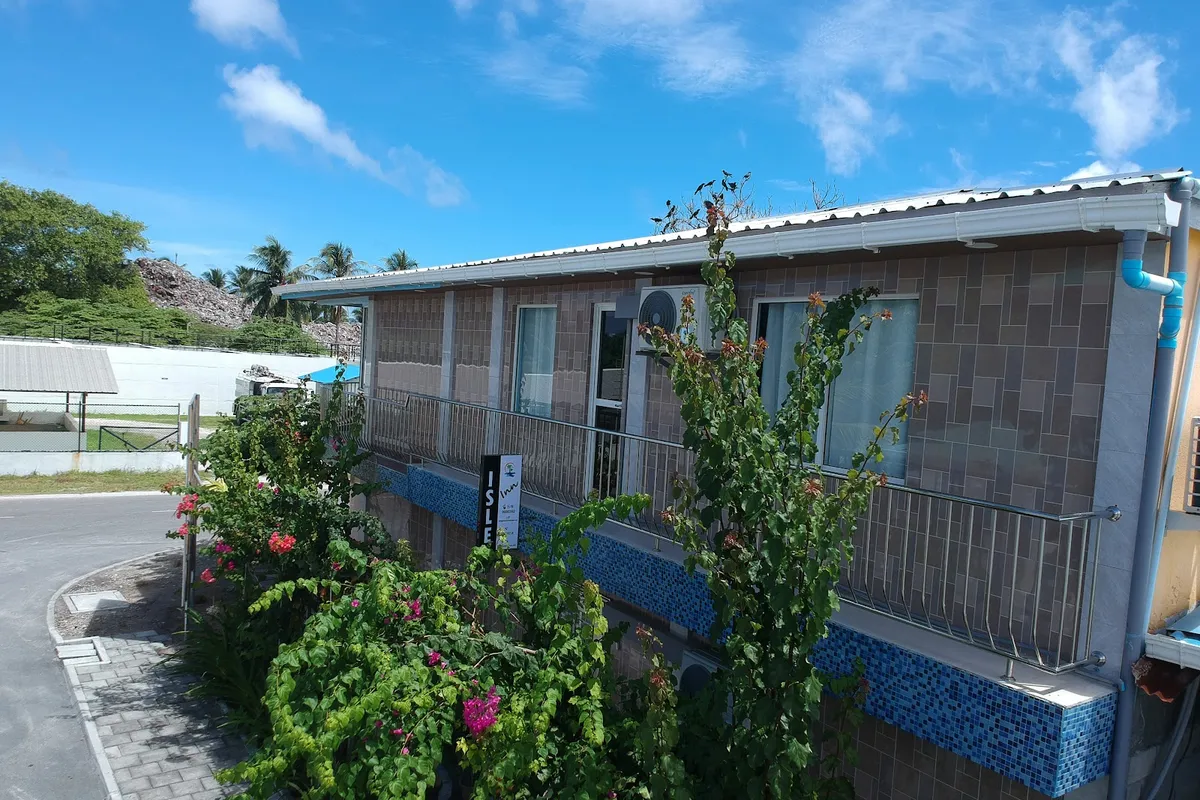
Stepping onto Fuvahmulah, the air immediately feels different — a lush, humid embrace carrying the scent of tropical vegetation and the distant, rhythmic roar of ocean swells. Unlike the placid lagoons of other atolls, here you’re met with an immediate sense of wildness, the island rising proudly from the deep ocean. The sounds are a mix of local chatter, the hum of scooters, and the ever-present symphony of waves crashing on pebble beaches. This is an island for the adventurous soul, the pelagic enthusiast, and anyone seeking a genuine Maldivian experience far removed from resort-style luxury.
Why Fuvahmulah
In our two decades exploring the Maldivian atolls, we’ve found Fuvahmulah to be truly distinct among the nation’s nearly 200 inhabited islands. What sets this single-island atoll apart is its unique geology and its direct connection to the deep Indian Ocean. Unlike the typical ring-shaped atolls with protective lagoons, Fuvahmulah rises steeply from the ocean floor, creating a nutrient-rich environment that acts as a magnet for large pelagic species year-round.
Genuine visitors often remember two things above all: the unparalleled diving encounters and the island’s surprisingly diverse terrestrial landscape. Where else in the Maldives can you guarantee daily dives with resident tiger sharks at sites like Tiger Zoo, then explore freshwater lakes, lush wetlands, and dramatic pebble beaches all in the same day? The island is a UNESCO Biosphere Reserve, celebrated for its unique coral ecosystems and biodiversity across reefs, mangroves, and wetlands.
However, we must be honest about its drawbacks. Fuvahmulah is an oceanic island, meaning you won't find the stereotypical calm, shallow turquoise lagoons perfect for casual wading that are common in other atolls. The currents can be strong, both in the ocean and sometimes even on the exposed beaches, making it more suited for confident swimmers and divers. It’s also a local island, so alcohol is not available, and cultural sensitivities regarding dress code outside of designated tourist areas are important.
Who It Suits (and Who Should Skip It)
- Best for: Experienced divers and pelagic enthusiasts seeking guaranteed encounters with tiger sharks, thresher sharks, hammerheads, and seasonal whale sharks. It's also ideal for those interested in a unique natural landscape with freshwater lakes, wetlands, and distinct pebble beaches, and for surfers looking for consistent waves. Travellers who prefer an authentic Maldivian cultural experience over resort luxury will find Fuvahmulah rewarding.
- Probably not for: Families with very young children seeking calm, shallow lagoons for swimming, or those primarily looking for a classic "overwater bungalow" resort experience. If a post-dive beer or poolside cocktail is essential to your holiday, a local island like Fuvahmulah, where alcohol is prohibited, might not be the right fit.
Getting There
Reaching Fuvahmulah from Velana International Airport (MLE) in Malé primarily involves a domestic flight, as it’s located approximately 470 kilometers (292 miles) south of the capital. You can also connect via Addu City by ferry or speedboat.
- Domestic flight: The most convenient and common way to reach Fuvahmulah is by taking a domestic flight from Velana International Airport (MLE) to Fuvahmulah Airport (FVM). Maldivian is the sole airline operating this route, with daily flights. The flight duration is approximately 1 hour and 20 to 30 minutes. As of April 12, 2026, a one-way fare for divers can be around $193 per adult. Non-divers might incur an additional service commission of $30 per person when booking through dive centers. Luggage allowance is typically 25 kg for checked baggage and 5 kg for hand luggage. Check-in begins two hours before departure.
- Public ferry: While not directly from Malé, MTCC (Maldives Transport and Contracting Company) operates regular RTL (Raajje Transport Link) ferry services between Fuvahmulah and Feydhoo island in Addu City, which is accessible via Gan International Airport (GAN). The ferry journey between Addu and Fuvahmulah takes around 90 minutes. Public ferries do not operate on Fridays, which is a local holiday. We strongly recommend checking the MTCC website or their mobile application for the latest schedules and fares, as these can change. A private company, Relax Ferry Service, also offers high-speed ferry services between Addu and Fuvahmulah, with a trip costing MVR 300.00 per way (approximately $19.50 USD based on current exchange rates) as of 2020.
- Speedboat: Shared speedboats are available, with prices ranging from $30 to $195 per adult, per way, though these often involve waiting for other guests. Private speedboat transfers from Addu to Fuvahmulah can take about 60 minutes and cost around $500 for up to 10 persons, requiring at least 48 hours advance reservation. Many guesthouses and dive centers will arrange speedboat transfers as part of their packages.
A practical tip about timing: if your international flight lands in Malé after 14:00, you will likely miss the last domestic flight to Fuvahmulah, which often departs in the mid-afternoon. We advise planning an overnight stay at an airport hotel in Malé if your international arrival is late, to ensure a smooth connection the following morning.
Find the best flight deals
Search Flights →Transfer Summary
| Option | Duration | Typical Cost (USD) | Best For |
|---|---|---|---|
| Domestic flight (Maldivian) | 1h 20m – 1h 30m | $193+ (one-way, for divers) | Speed, convenience, direct from Malé |
| Public ferry (via Addu) | ~90m (from Addu) | ~$20 (one-way, from Addu) | Budget travellers, local experience (requires flight to Addu first) |
| Shared speedboat (via Addu) | ~60m (from Addu) | $30-$195 (one-way, from Addu) | Faster than ferry, more flexible than public transport |
| Private speedboat (via Addu) | ~60m (from Addu) | $500+ (one-way for up to 10 pax, from Addu) | Flexibility, group travel, direct transfer |
The Beach & House Reef
Fuvahmulah offers a unique coastal experience, distinct from the typical Maldivian lagoon. Due to its oceanic nature, the island does not possess a traditional house reef for easy shore snorkeling directly off most beaches. However, the island is often surrounded by waves, and its reef system plunges steeply into the deep ocean.
The most famous beach is Thoondu, located on the northern point of the island. It's a vast white sandy beach, known for its unique, glossy small pebbles that are not found elsewhere in the Maldives, formed by strong wave action. While swimming is possible here, especially during calmer periods, the open ocean exposure means currents can be present. We've found that Thoondu is also a popular spot for locals to swim and surf, particularly during good swells.
Regarding "bikini beach" status, our research indicates a somewhat mixed picture. Some sources state that Fuvahmulah has designated tourist beaches where bikinis are permitted, with "Feendhi Fanno (Bikini Beach)" being mentioned. However, other information suggests that while swimming is allowed at public beaches, only t-shirts and shorts are permitted, and a dedicated tourist bikini beach was still being planned as of a recent update. We advise visitors to confirm the current status with their guesthouse upon arrival and to always dress modestly when walking through the main parts of the island.
Coral health on the immediate reef edge varies, but the sheer abundance of pelagic life drawn to Fuvahmulah's unique topography makes it an exceptional diving destination, even if traditional house reef snorkeling isn't its strong suit. Visibility for diving is generally excellent, often exceeding 30-40 meters, with water temperatures consistently between 28°C and 30°C year-round. Moderate to strong currents are common, especially on dive sites, which is part of what attracts the large marine life, but this means snorkeling directly from shore can be challenging and is best done with local guidance or skipped in favour of boat-based activities.
Diving & Snorkelling
Fuvahmulah is, without a doubt, a diver's paradise, renowned globally as a pelagic hotspot. Our team consistently ranks it among the top destinations for encountering large marine life. The island's unique single-atoll structure, rising directly from the deep ocean, creates a "cleaning station" effect on a massive scale, funnelling nutrient-rich currents and attracting an extraordinary concentration of apex predators and ocean giants.
The star attraction is undoubtedly the resident population of tiger sharks. At sites like Tiger Harbor, also known locally as Merika Falhagando or Tiger Zoo, divers are virtually guaranteed daily encounters with these magnificent creatures in shallow, clear waters (5-10 meters deep). The sharks are drawn to this area by fish waste from the local market, making sightings consistent year-round, regardless of season or conditions.
Beyond the tiger sharks, Fuvahmulah offers a staggering array of pelagic encounters:
- Thresher Sharks: Elusive and majestic, thresher sharks are regularly seen, particularly at deeper cleaning stations like Farikede and Bilhi Feyshi.
- Scalloped Hammerhead Sharks: These impressive schooling sharks are often spotted, especially during transitional periods like April-May and October-December, though occasional sightings can occur any month.
- Whale Sharks: The gentle giants of the ocean, whale sharks, can be spotted occasionally between January and May, with March offering the highest chance of sighting.
- Oceanic Manta Rays: Gliding in from the open ocean, oceanic manta rays are frequently observed on wall dives and at cleaning stations, with March and April being particularly good months.
- Other Sharks: Expect to see silvertip sharks (sometimes in large schools from January to March), white-tip reef sharks, and grey reef sharks throughout the year.
- Reef Life: Dive sites like Hudhukede (Thoondu) offer abundant hard corals, colourful reef fish (triggerfish, wrasses, surgeonfish, parrotfish), and hawksbill turtles. Sites like Farikede are also home to barracudas, dogtooth and skipjack tunas, and giant trevallies.
Several reputable dive operators are based on the island. Our team has had positive experiences with:
- Pelagic Divers Fuvahmulah (SSI dive courses, professional underwater photo sessions)
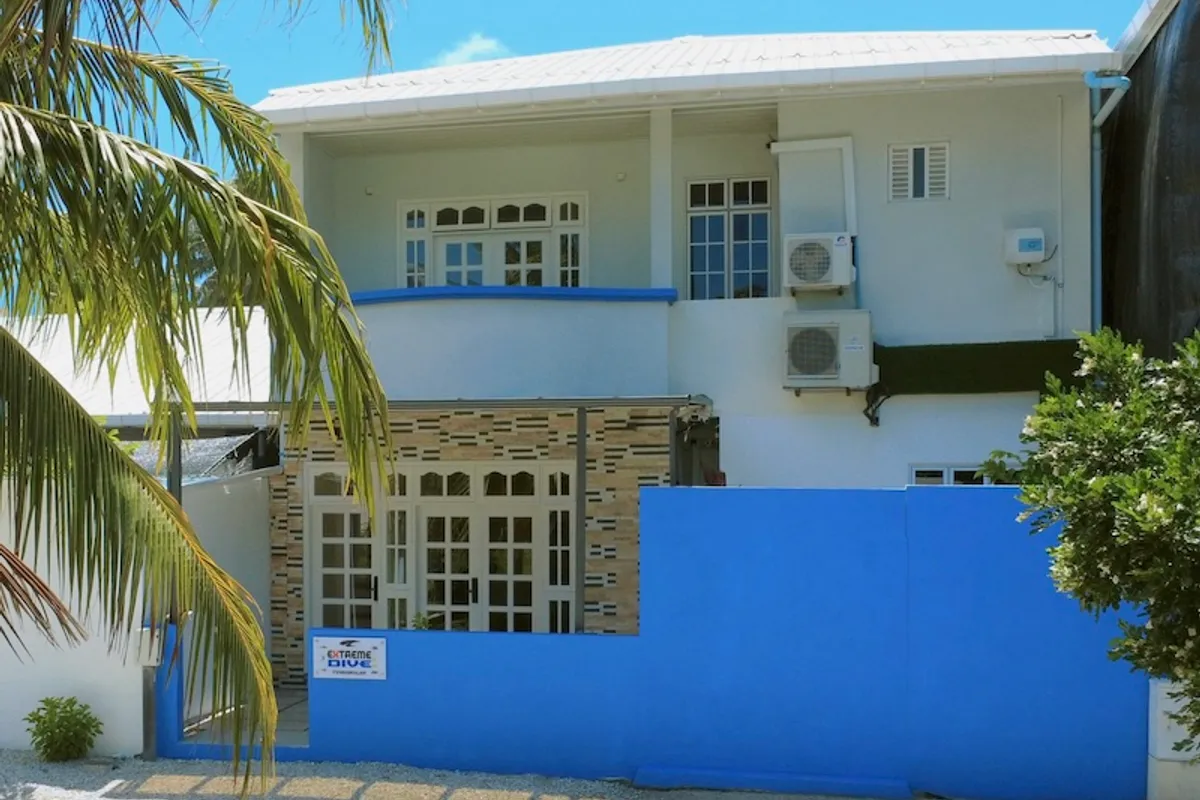
- Extreme Dive Fuvahmulah (PADI 5-star, known for best dive setup, including deepest dive pool, offers Nitrox)
- Fuvahmulah Dive School (PADI 5* Diving Center)
- Liquid Shark Divers (SSI dive center)
For those looking to get certified in 2025/2026, here are approximate PADI entry-level prices:
- Discover Scuba Diver: US$120-150 for the first session.
- PADI Open Water Diver: Around US$550-610 for full certification up to 18 meters. (SSI Open Water Diver is around $655)
- PADI Advanced Open Water: Approximately US$320-421 for certification up to 30 meters. (SSI Advanced Open Water is around $435)
Explore dive packages on Fuvahmulah
Find Hotels →Surfing / Fishing / Water Sports
Fuvahmulah is, in our experience, a surprisingly good surf destination, especially for those seeking a unique Maldivian surf trip away from the more crowded North Malé Atoll breaks. The island is often surrounded by waves suitable for all levels of surfers.
Key surf spots include:
- Thoondu: This is a semi-beach break and is considered one of the finest surf spots on the island, with popular areas called Eleyis and The Hut (or Lonu Break). It's also notable for being the only true beach break in the Maldives.
- Kalho Akiri Gando (Black Stone Beach): Located on the southwest side, this beach is also a good spot to ride waves, particularly when seasonal swells bring them in.
- Geragando Fanno (Fanno Surf): For beginners, this is an ideal beach to learn and practice. During high tide, waves breaking off the reef gradually come to shore, creating excellent conditions.
Beyond surfing, fishing is a popular activity, particularly big game fishing given Fuvahmulah's pelagic-rich waters. Many guesthouses and dive centers can arrange fishing trips. Other water sports, while less prominent than diving or surfing, can typically be arranged through guesthouses, often including snorkeling trips by boat to deeper reef edges. However, remember that due to the open ocean environment, strong currents can be a factor.
Food, Bars & Nightlife (what there is of it)
When it comes to dining on Fuvahmulah, set your expectations for authentic local experiences rather than international fine dining. As a local island, alcohol is strictly prohibited, and you won't find bars or nightclubs. This is a fundamental aspect of Maldivian culture on inhabited islands, and it's something we always remind visitors to respect. If a post-dinner drink is a must-have, your only option would be a day trip to a nearby resort island (though none are particularly close to Fuvahmulah) or a floating bar, which are rare and typically cater to specific liveaboards.
You'll discover a variety of local cafés and small restaurants offering genuine Maldivian cuisine. Expect plenty of fresh seafood, aromatic curries, and delicious "short eats" (hedhikaa) – small, savoury snacks perfect with a cup of local tea. Many guesthouses also offer meal plans, often serving home-cooked Maldivian or international dishes. In our experience, these guesthouse meals can be some of the best and most convenient options. While some establishments may accept credit cards, it's always wise to carry a small amount of Maldivian Rufiyaa (MVR) or USD for smaller cash-only spots. The local coffee shops are vibrant hubs for community life, offering a glimpse into daily island routines.
Cultural Notes & Dress Code
Respecting local customs and traditions is paramount when visiting Fuvahmulah, or any local island in the Maldives. The Maldives is a 100% Muslim nation, and modesty is highly valued, particularly outside of designated tourist areas.
- Dress Code: When walking through the village, visiting local shops, or dining in local restaurants, we kindly request that you cover your shoulders and knees. This applies to both men and women. Swimwear, including bikinis, is generally acceptable only within your guesthouse premises (e.g., by a private pool if available), on dive boats, and at the island's designated tourist bikini beach (such as Feendhi Fanno, if confirmed operational).
- Ramadan: The holy month of Ramadan involves fasting from dawn till dusk. For 2026, Ramadan is expected to begin around February 17 and end around March 18. In 2027, it's expected to begin around February 7 and end around March 8. During this time, many local restaurants may have altered opening hours, closing during the day and opening after sunset for Iftar (the breaking of the fast). While guesthouses will continue to cater to tourists, it's a period of quiet reflection, and we encourage visitors to be mindful and respectful of those fasting.
- Friday Prayer: Friday is the weekly holiday in the Maldives. Most businesses, including shops and some services, will be closed during Friday prayer times (typically around midday). Public ferry schedules are also affected, with no services operating on Fridays. Plan any transfers or activities accordingly.
- Photography Etiquette: Always ask for permission before photographing individuals, especially women and children. Be discreet and respectful.
Sample Island Itinerary
This itinerary focuses on Fuvahmulah's strengths: world-class diving and unique natural beauty.
Day 1: Pelagic Encounters & Island Exploration
- Morning (08:00 - 13:00): Two-tank dive focusing on Tiger Harbor (Tiger Zoo) for guaranteed tiger shark encounters, followed by a drift dive at a nearby pelagic hotspot like Farikede in search of thresher sharks or hammerheads. (Cost: ~$170-200 for two dives, including equipment rental if needed).
- Lunch (13:30): Enjoy a fresh seafood lunch at a local cafe near the harbour, perhaps trying a traditional Maldivian fish curry. (Cost: ~$10-15).
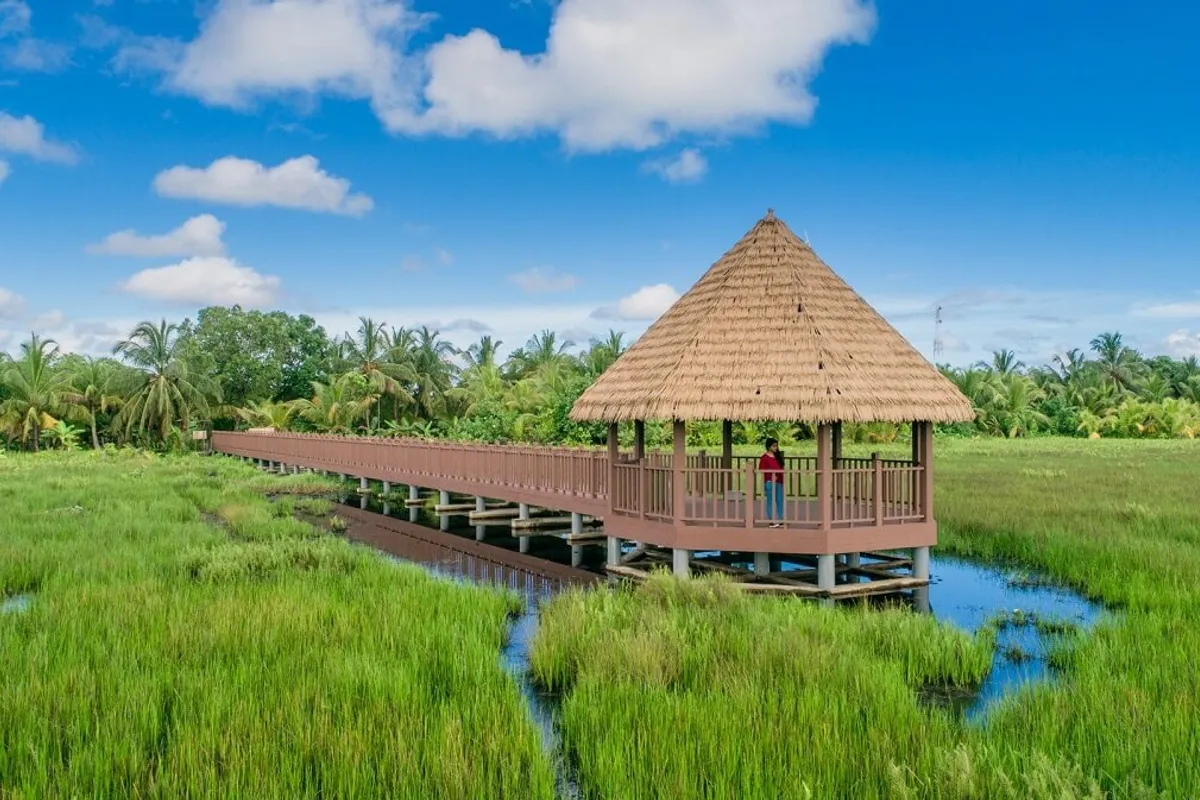
- Afternoon (15:00 - 18:00): Explore the island's unique wetlands and freshwater lakes, Bandaara Kilhi and Koda Kilhi. Take a leisurely walk around the lush surroundings, spotting local birdlife. (Cost: Free, or ~$20-30 for a guided tour/scooter rental).
- Dinner (19:30): Dine at your guesthouse, sampling authentic Maldivian home cooking. (Cost: ~$15-25 for a meal plan).
Day 1 Budget Estimate: USD $205 - $270
Day 2: Ocean Walls & Thoondu Beach
- Morning (08:00 - 13:00): Two-tank dive exploring deep wall sites like Bilhifesyhi or Hudhukede (Thoondu), where you might encounter oceanic mantas, whale sharks (seasonally), or schooling pelagics like barracudas and tunas. Keep an eye out for hawksbill turtles near the reef. (Cost: ~$170-200).
- Lunch (13:30): Grab a quick bite at a local eatery in the main town area. (Cost: ~$8-12).
- Afternoon (15:00 - 18:00): Head to Thoondu Beach for relaxation. Enjoy the unique pebble formations and the expansive white sand. If the swell is right and you're inclined, consider a beginner surf lesson at Geragando Fanno. (Cost: Free for beach, ~$50-70 for surf lesson if applicable).
- Dinner (19:30): Try a different local restaurant, perhaps one known for its fresh grilled fish. (Cost: ~$15-20).
Day 2 Budget Estimate: USD $201 - $312
Day 3: Cultural Immersion & Departure Prep
- Morning (08:00 - 12:00): Enjoy a final, more relaxed dive or opt for a snorkeling trip to a shallower reef edge if conditions allow, or a freediving session if you're certified. Alternatively, take an island tour to visit historical landmarks like the Fua Mulaku Havitta (a Buddhist stupa ruin) or the ancient Kedeyre Miskiy. (Cost: ~$85-150 for one dive/snorkeling trip, or ~$30-50 for a guided island tour/scooter rental).
- Lunch (12:30): Have lunch at a café popular with locals, enjoying a final taste of Maldivian short eats. (Cost: ~$7-10).
- Afternoon (14:00 - 16:00): Do some souvenir shopping for local crafts or unique Fuvahmulah produce like mangoes (in season). Prepare for your domestic flight back to Malé. (Cost: Variable for shopping).
- Departure: Transfer to Fuvahmulah Airport for your flight.
Day 3 Budget Estimate: USD $92 - $210
Practical Info
- Money: The local currency is the Maldivian Rufiyaa (MVR), but US Dollars (USD) are widely accepted, especially in guesthouses and dive centers. There are ATMs available on the island that dispense Rufiyaa. While major credit cards are accepted in most accommodations and larger establishments, it's always advisable to carry some cash (both USD and MVR) for smaller local shops, cafes, and unexpected expenses.
- Connectivity: You'll find good 4G and 5G coverage on Fuvahmulah, and most guesthouses provide Wi-Fi. Local SIM cards are readily available at Velana International Airport upon arrival in Malé if you wish to have independent data connectivity.
- Water: Like most inhabited islands in the Maldives, desalinated water is the primary source. Bottled water is widely available for purchase at local shops and guesthouses. We encourage visitors to minimize plastic waste by refilling reusable bottles where possible; many guesthouses offer refill points.
- Medical: Fuvahmulah is equipped with a modern hospital, providing essential medical services on the island. Pharmacies are also available. For serious emergencies, medical evacuation to Malé or international facilities would be arranged.
- Best time to visit: For diving, Fuvahmulah is a year-round destination for tiger shark encounters. However, the calmer seas from January to May generally offer the best conditions for overall diving, freediving, and snorkeling. The Northeast monsoon (roughly December to April) brings drier, calmer weather. The Southwest monsoon (May to October) can bring more wind and rain, potentially making sea conditions choppier, but it's also the season for better surf on exposed coasts. Whale shark sightings are more probable between December and April, with March being a peak month. Hammerhead schools are often seen from October to February, or during the transitional periods of April-May and October-December.
aMaldives Expert Verdict
Our take: Fuvahmulah is an extraordinary destination for the serious diver and the adventurous spirit. Its unique oceanic setting guarantees pelagic encounters that are hard to match anywhere else in the world, particularly with its resident tiger shark population. The clear caveat is that it's a local island experience, not a resort, so embrace the culture, respect the customs, and prepare for an authentic adventure. The single best reason to book here versus another local island is the unparalleled, year-round access to world-class pelagic diving and the chance to explore a truly distinct Maldivian landscape.
— aMaldives Editorial Team, reviewed 2026
Frequently Asked Questions
Is there a bikini beach on Fuvahmulah?
Yes, Fuvahmulah does have designated tourist beaches where bikinis are permitted, such as Feendhi Fanno. However, outside of these specific areas and your guesthouse premises, it's important to dress modestly, covering shoulders and knees, as it is a local Muslim island.
Is alcohol available on Fuvahmulah?
No, as Fuvahmulah is a local inhabited island, the sale and consumption of alcohol are strictly prohibited. You will not find bars or places serving alcoholic beverages. For those desiring alcohol, a day trip to a resort island or a liveaboard experience would be necessary.
Are there ATMs on Fuvahmulah?
Yes, there are ATMs available on Fuvahmulah where you can withdraw Maldivian Rufiyaa. US Dollars are also widely accepted in many establishments, and major credit cards are generally accepted in guesthouses and dive centers.
Is Fuvahmulah safe for solo female travellers?
In our experience, Fuvahmulah is generally safe for solo female travellers. The local community is welcoming, and crime rates are very low. However, as with any destination, we advise exercising common sense, being aware of your surroundings, and respecting local cultural norms regarding dress code, especially when out in the village.
Is Fuvahmulah kid-friendly?
Fuvahmulah can be kid-friendly for families who enjoy adventure and cultural immersion. However, it lacks the calm, shallow lagoons typically found in resort islands, and currents can be strong. Activities like diving (for older children), exploring the wetlands, and playing on Thoondu beach can be enjoyable, but it's not a destination focused on typical "kids' club" amenities.
How reliable are the ferries to Fuvahmulah?
The MTCC public ferries operate on a schedule, but like all sea transport in the Maldives, they can be subject to delays or cancellations due to weather conditions. They do not operate on Fridays. We always recommend checking the latest schedule directly with MTCC or your guesthouse.
What is the best month to visit Fuvahmulah?
The best time to visit Fuvahmulah for overall calm seas and diving is generally from January to May, during the Northeast monsoon. However, tiger shark encounters are consistent year-round. If you're keen on whale sharks or oceanic mantas, March and April are often excellent.
How many days should I stay in Fuvahmulah?
We recommend a stay of at least 5-7 days to fully experience Fuvahmulah. This allows ample time for multiple dives with the pelagics, exploration of the island's unique natural attractions, and a chance to soak in the local culture without feeling rushed.
Can I experience the diving if I'm not a certified diver?
Yes, you can! Most dive centers on Fuvahmulah offer Discover Scuba Diving (DSD) programs, which allow non-certified individuals to experience diving under the direct supervision of an instructor. This is a great way to meet the tiger sharks at Tiger Zoo in a controlled environment.
Are there vegetarian or vegan food options available?
Yes, vegetarian options are generally available on Fuvahmulah. Maldivian cuisine often includes vegetable curries, rice, and fresh fruits. Most guesthouses can cater to specific dietary requirements if informed in advance. While vegan options might require more specific requests, local chefs are usually accommodating.