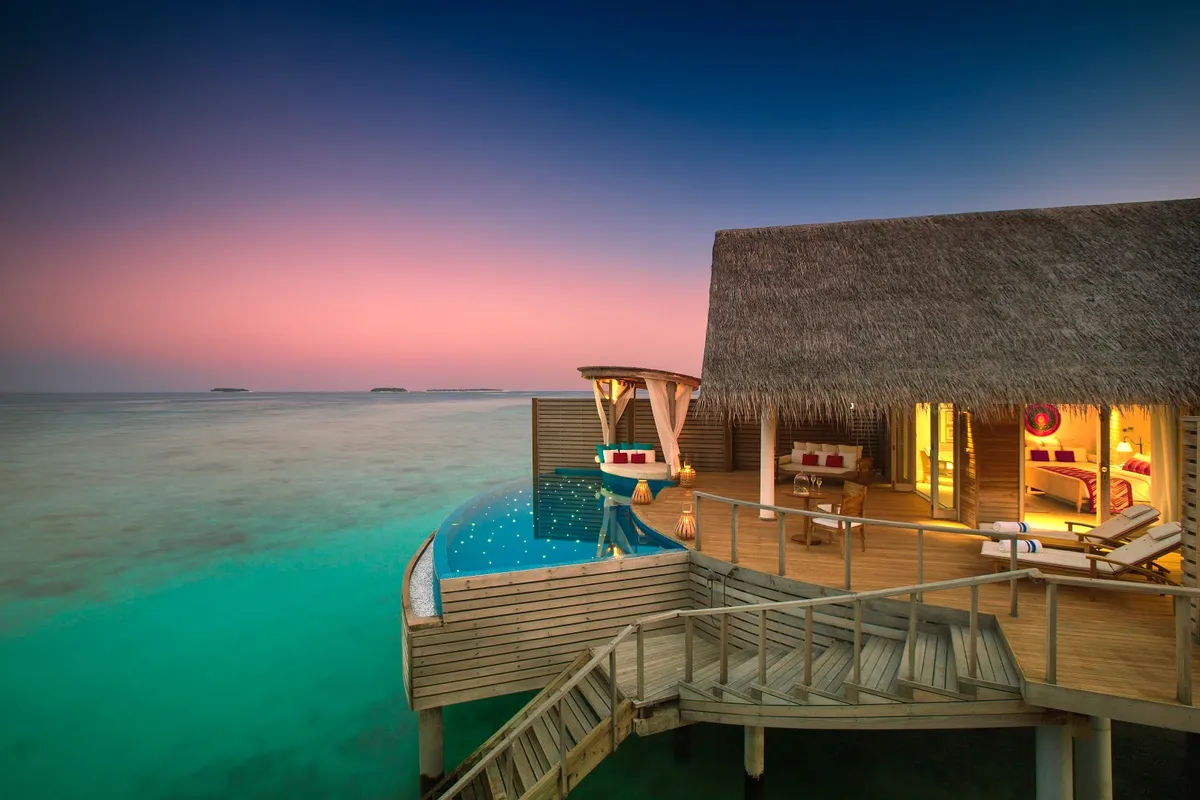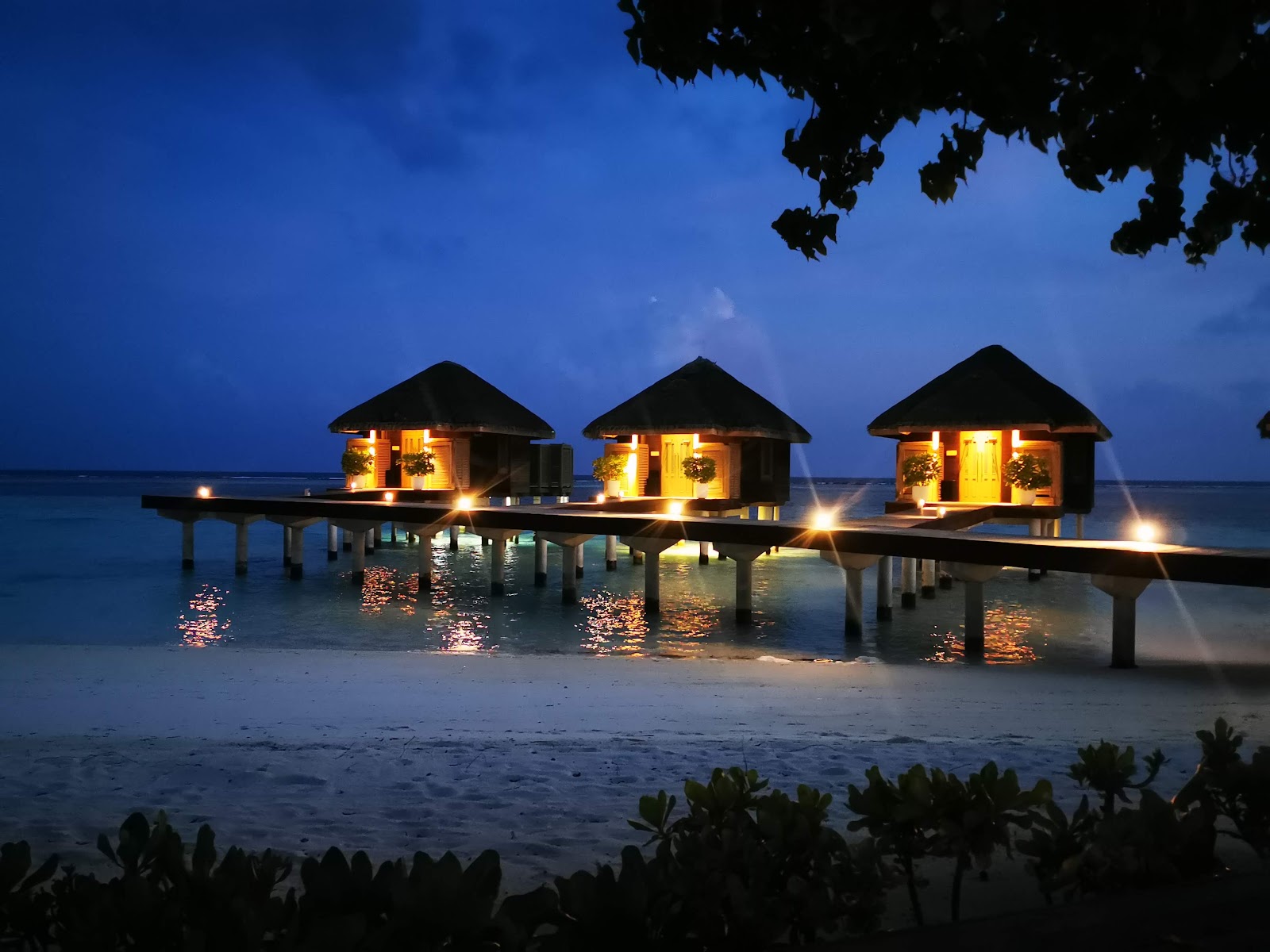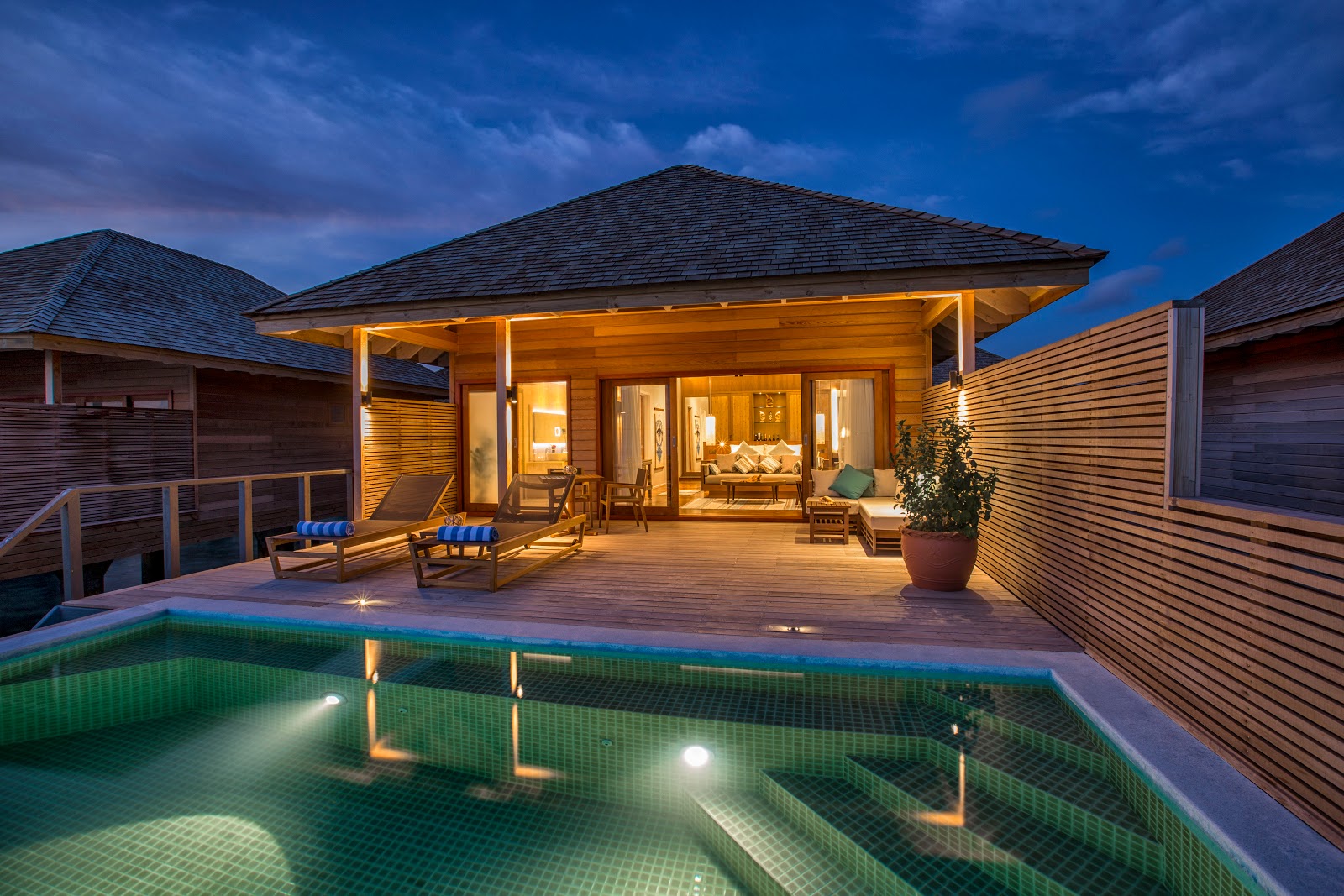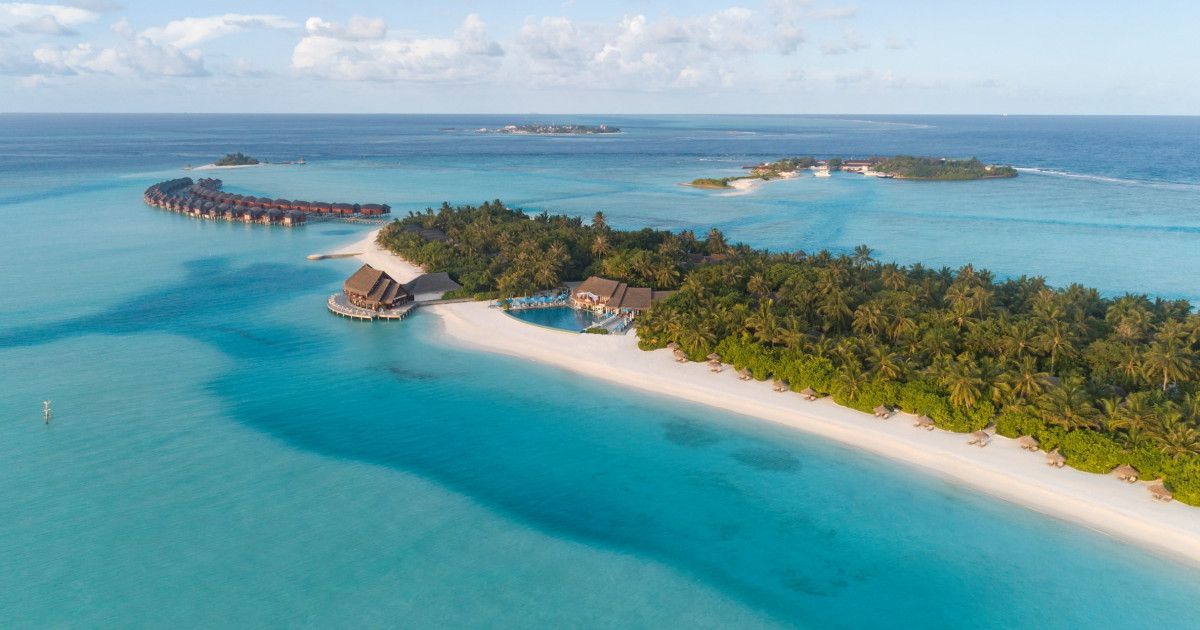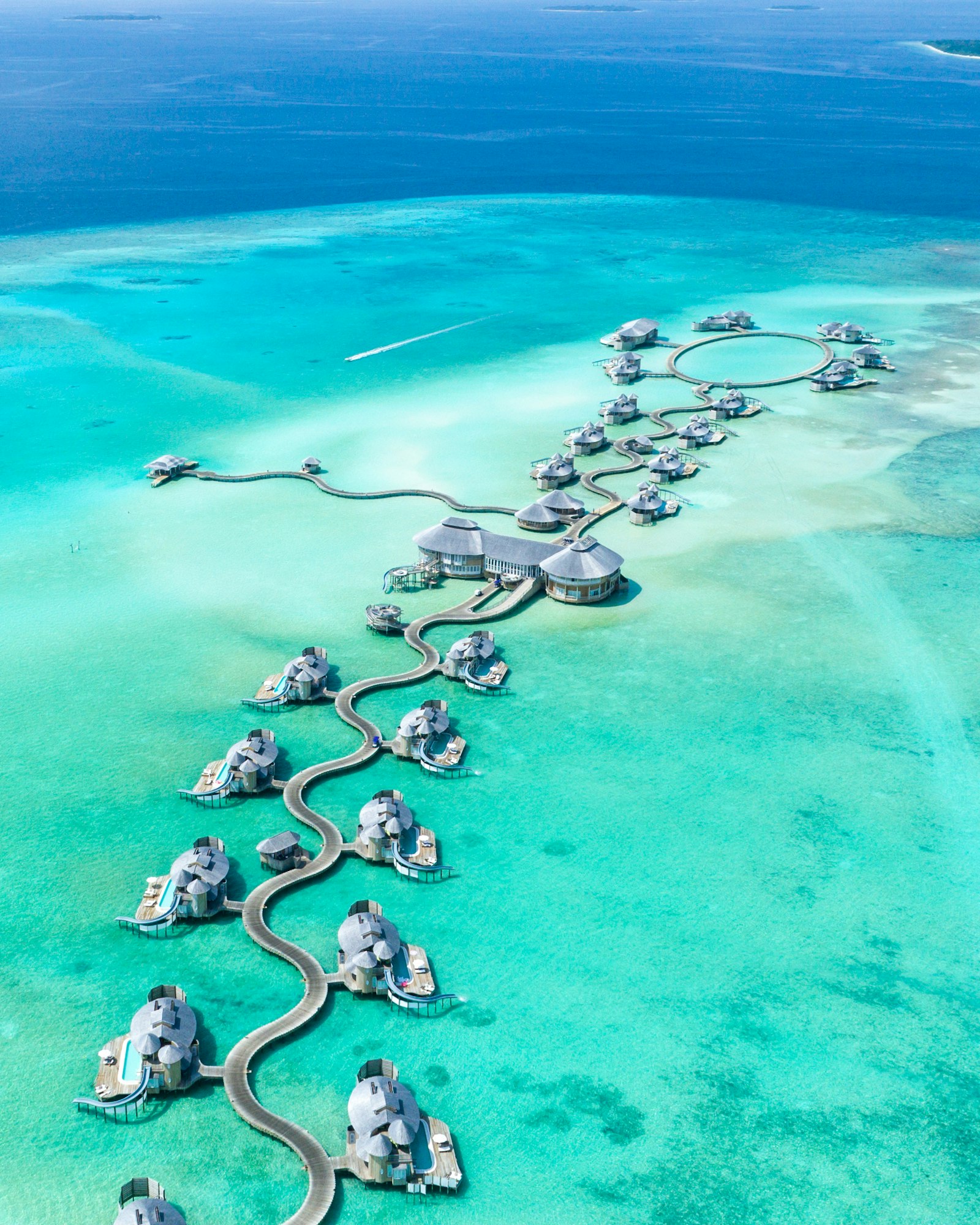
The Maldives. Just the name conjures images of pristine white sands, overwater bungalows, and turquoise waters so vivid they seem to defy reality. For many, it's the ultimate bucket-list destination, a place synonymous with unparalleled luxury and breathtaking natural beauty. But for first-time visitors planning a trip in 2026, navigating this tropical paradise can be full of delightful surprises and a few essential considerations. This comprehensive guide is designed to equip you with everything you need to know to plan an unforgettable Maldivian adventure, ensuring your first visit is as seamless and magical as the postcards promise.
15 Things That Surprise First-Time Visitors to the Maldives
Prepare for a destination unlike any other. The Maldives operates on its own unique rhythm, and understanding these nuances will significantly enhance your experience.
1. One Island = One Resort
This is perhaps the most fundamental concept of Maldivian tourism. Each private resort occupies its own dedicated island. This model guarantees exclusivity, privacy, and an unparalleled sense of escape. You won't find multiple hotels or public facilities competing for space; instead, your resort becomes your entire world for the duration of your stay, offering everything from dining to activities.
💡 Pro Tip
When researching, remember that the "island" is essentially the "resort." Focus your search on the resort's amenities, dining options, and atmosphere rather than the island's name itself, as they are one and the same.
2. You Can't Island Hop Easily
Unlike many other island nations, spontaneous island hopping between resorts is not a standard activity. Transfers are primarily arranged by your chosen resort, often involving private speedboats, domestic flights, or seaplanes, and can be quite costly (expect $150-$700+ per person per transfer in 2026). While some resorts might offer day trips to a nearby sister property, hopping between entirely different brands is logistically challenging and expensive. If you wish to experience multiple resorts, plan to book separate stays and factor in the transfer costs and time.
3. Seaplane Adventures Are Real (and Pricey!)
For resorts located further from Velana International Airport (MLE), a seaplane transfer isn't just a scenic add-on; it's often the only way to get there. These low-altitude flights offer incredible panoramic views of the atolls and islands, making the journey part of the experience. However, they operate during daylight hours only (typically 6:00 AM to 4:00 PM), have strict luggage limits (around 20kg checked, 5kg carry-on), and are a significant expense, often costing $400-$700 per person for a round trip in 2026. This cost is usually added to your total resort bill.
4. No Towns or Shopping Malls (Unless You Go Local)
Forget bustling streets, local markets, or large shopping centers. On a resort island, the only "shopping" you'll find will be a resort boutique offering souvenirs, swimwear, and essential toiletries, often at premium prices. If you crave a glimpse of local life or wish to purchase authentic Maldivian crafts, you'll need to arrange a specific excursion to a local inhabited island, which your resort can organize.
5. Everything Is Expensive (But Worth It)
The Maldives is a luxury destination, and prices reflect that. From food and drinks to activities and spa treatments, expect a significant premium compared to other travel spots. A cocktail might cost $20-$30, a main course $40-$80, and a basic spa treatment $150-$300. This is due to the remote location, the cost of importing almost everything, and the exclusive nature of the resorts. Budget accordingly, especially if you're not on an all-inclusive plan.
📍 Key Information
For a realistic budget, beyond accommodation, plan an additional $150-$300 per person per day for food, drinks, and a couple of activities if not on an all-inclusive package.
6. Cash is Mostly Unnecessary
On resort islands, virtually everything is charged to your room and settled via credit card upon checkout. US Dollars are widely accepted if you do need cash, but electronic payments are the norm. You might need small denominations of local currency (Maldivian Rufiyaa) if you visit a local island, but even there, USD is often accepted. Tipping can be done via credit card at checkout or with small USD bills.
7. Time Zone Quirks: Resort Time
Many resorts operate on their own "resort time," which can be an hour or two ahead of Malé time (GMT+5). This is done to maximize daylight hours for guests, allowing for later sunsets and more time for evening activities. Always confirm the local resort time upon arrival to avoid missing meals or excursions.
8. Alcohol Only at Resorts
The Maldives is an Islamic nation, and alcohol is prohibited in public places and on local islands. Resorts are granted special licenses to serve alcohol, making them the only places you can enjoy a glass of wine, a beer, or a cocktail. Attempting to bring alcohol into the country (even duty-free) is strictly forbidden, and it will be confiscated upon arrival at the airport.
9. The Water Really Is That Blue (and Clear)
Those vibrant, unbelievable blues and greens you see in photos? They are 100% real. The clarity of the water is astounding, often allowing you to see fish swimming around your overwater villa from above. This pristine aquatic environment is one of the Maldives' greatest assets.
10. Marine Life is Everywhere
You don't need to be a diver to experience the incredible underwater world. Snorkeling directly from your villa or the beach will often bring you face-to-face with reef sharks (harmless!), rays, turtles, and a kaleidoscope of colorful fish. The house reefs are teeming with life, making every swim an adventure.
11. Expect Unparalleled Peace and Quiet
One of the biggest surprises for some is the profound sense of tranquility. With no traffic, no crowds, and often no loud music (unless specifically at a resort bar), the Maldives offers a rare escape from the hustle and bustle. The dominant sounds are often the gentle lapping of waves and the rustle of palm leaves.
12. Food Quality is Surprisingly High
Despite the remote location, Maldivian resorts pride themselves on exceptional culinary experiences. You'll find a diverse range of international cuisines, often with a strong emphasis on fresh seafood. Many resorts feature multiple specialty restaurants, from fine dining to casual beachside grills, ensuring a gastronomic journey.
13. Sustainability Efforts Are Visible
Many resorts are actively engaged in marine conservation, coral propagation, and reducing their environmental footprint. You might encounter marine biologists on staff, participate in coral planting, or see initiatives like solar power and desalination plants. This commitment to preserving their fragile ecosystem is often a pleasant surprise.
14. Sun Protection is Non-Negotiable
The Maldivian sun is incredibly intense, even on cloudy days. Many first-timers underestimate its power. Pack high SPF sunscreen (reef-safe is preferred), wide-brimmed hats, sunglasses, and rash guards. Reapply frequently, especially after swimming, to avoid severe sunburn.
15. Even "Bad" Weather Can Be Beautiful
While everyone hopes for uninterrupted sunshine, tropical showers are common, especially during the monsoon season. However, these often pass quickly, leaving behind dramatic skies and vibrant rainbows. Even a stormy sky over the ocean has a unique, captivating beauty in the Maldives.
Understanding Maldives Geography
The Maldives is a unique geographical marvel, and understanding its layout is key to choosing the right resort.
Atolls Explained
The Maldives is comprised of 26 natural atolls, which are ring-shaped coral formations enclosing a lagoon. These atolls contain thousands of coral reefs and hundreds of islands, only about 200 of which are inhabited. Each atoll offers slightly different characteristics regarding marine life, resort density, and accessibility.
Where to Stay: North vs. South and Beyond
The choice of atoll significantly impacts your transfer type, travel time, and overall experience.
- North Malé Atoll: Closest to MLE, ideal for speedboat transfers (20-60 minutes). Offers a mix of luxury and mid-range resorts. Convenient for shorter stays or those prone to motion sickness. Resorts like Bandos Maldives or Adaaran Select Hudhuranfushi are popular here.
- South Malé Atoll: Also accessible by speedboat (45-90 minutes). Similar to North Malé in terms of convenience but often slightly less congested. Resorts here include Anantara Veli Maldives Resort.
- Ari Atoll (North & South): A popular choice for divers and snorkelers due to abundant marine life, including whale sharks and manta rays. Requires a seaplane transfer (20-30 minutes) or a domestic flight followed by a speedboat. Resorts like W Maldives or Conrad Maldives Rangali Island are found here.
- Baa Atoll: A UNESCO Biosphere Reserve, renowned for Hanifaru Bay (manta ray aggregation during specific seasons). Requires a seaplane transfer (30-40 minutes). Home to ultra-luxury resorts like The Ritz-Carlton Maldives, Fari Islands.
- Further Atolls (e.g., Noonu, Lhaviyani, Gaafu Alifu): Offer ultimate seclusion and often host the most exclusive, high-end resorts. Transfers typically involve a domestic flight followed by a speedboat, or a longer seaplane journey. Expect journey times of 1-3 hours from Malé.
Distance from Malé Matters
The further your resort is from Velana International Airport (MLE), the longer and more expensive your transfer will be. This also dictates the type of transfer:
| Transfer Type | Distance from MLE | Estimated Cost (Round Trip 2026, per person) | Pros | Cons |
|---|---|---|---|---|
| Speedboat | Up to ~70km | $150 - $400 | Cost-effective, quick for nearby resorts, 24/7 operation | Can be bumpy in rough seas, less scenic than seaplane |
| Seaplane | ~70km - ~200km | $400 - $700 | Incredible aerial views, unique experience | Daylight operation only, strict luggage limits, weather-dependent |
| Domestic Flight + Speedboat | ~150km - ~500km+ | $350 - $650 | Access to furthest atolls, more flexible luggage than seaplane | Can involve multiple waiting periods, longer travel time overall |
💡 Pro Tip
Always check your resort's transfer policy. Transfers are almost always mandatory and pre-arranged by the resort. The cost is typically not included in your initial room rate and will be added to your final bill.
Common First-Timer Mistakes
Avoid these common pitfalls to ensure a smooth and stress-free Maldivian debut.
Booking the Wrong Transfer Type
Never assume your transfer is included or that you can arrange it yourself. Your resort will coordinate it based on your flight arrival/departure times and their location. Confirm the transfer type and cost before booking your resort. A late arrival (after 4:00 PM) for a seaplane-only resort means an overnight stay in Malé, incurring extra costs and losing precious resort time.
Underestimating Costs Beyond Accommodation
While your room might seem like a good deal, the Maldives is a place where "extras" add up quickly. A la carte dining, drinks, excursions, spa treatments, and even Wi-Fi at some resorts can significantly inflate your budget. Always factor in these potential costs, or seriously consider an all-inclusive package.
Not Booking Enough Time
The Maldives is not a whirlwind weekend trip. With long international flights, potential overnight stays in Malé, and transfer times, a minimum of 5-7 nights is highly recommended for a first visit. This allows ample time to relax, enjoy the resort, and experience a few activities without feeling rushed.
Skipping All-Inclusive (When It Makes Sense)
For many, an all-inclusive package is the most cost-effective way to enjoy the Maldives without constantly worrying about the bill. While it might seem more expensive upfront, it often includes all meals, drinks (alcoholic and non-alcoholic), and sometimes even non-motorized watersports or specific excursions. Compare the cost of an all-inclusive package against your estimated daily spend on food, drinks, and activities for a non-all-inclusive plan. For resorts without many external dining options, AI is often the best value.
💡 Pro Tip
Not all all-inclusive packages are created equal. Some offer "premium" all-inclusive with more dining options, top-shelf liquor, and additional perks. Read the fine print carefully to understand what's included.
Wrong Time of Year
While the Maldives is a year-round destination, certain seasons offer better weather and different experiences.
| Season | Months | Weather | Pros | Cons | Estimated Daily Resort Rate (Basic Overwater Villa, 2026) |
|---|---|---|---|---|---|
| Dry Season (High Season) | Nov - Apr | Sunny, low humidity, calm seas | Best weather for sunbathing, diving, snorkeling | Highest prices, peak crowds (especially Dec-Jan) | $800 - $2000+ |
| Wet Season (Low Season) | May - Oct | Higher humidity, chance of rain/storms, rougher seas | Lower prices, fewer crowds, lush greenery, manta ray season (Baa Atoll) | Can have extended periods of rain, some activities might be weather-dependent | $400 - $1200+ |
While the wet season offers better value, "wet" doesn't mean constant rain. Showers are often brief, followed by sunshine. However, there's always a risk of longer stormy periods.
What to Do on Your First Trip
Maximize your Maldivian experience with these must-do activities and insights.
Must-Do Experiences
- Snorkeling the House Reef: Essential. Most resorts have vibrant house reefs easily accessible from the beach or your overwater villa. Rent gear or bring your own.
- Sunset Cruise: A classic romantic experience. Enjoy cocktails while watching the sky ablaze with color, often with a chance to spot dolphins.
- Diving or Discover Scuba Diving: The Maldives is a world-class diving destination. Even beginners can try a "Discover Scuba Diving" experience under supervision.
- Spa Treatment: Indulge in a relaxing massage or wellness treatment, often in stunning overwater or beachfront settings.
- Fine Dining Experience: Many resorts offer unique dining, such as private beach dinners, underwater restaurants, or treetop tables.
- Non-Motorized Watersports: Kayaking, paddleboarding, and windsurfing are often complimentary and a great way to explore the lagoon.
Overrated Activities (for a First-Timer)
- Excessive Island Hopping: As mentioned, it's expensive and time-consuming. Focus on enjoying your chosen resort.
- Too Many Organized Excursions: While some are great, don't overschedule. Part of the Maldives' charm is simply relaxing. Prioritize one or two key excursions that align with your interests (e.g., whale shark safari, local island visit).
- Bringing Too Many Clothes: You'll spend most of your time in swimwear, light casual wear, or resort chic. Formal attire is rarely needed.
Hidden Gems
- Stargazing: With minimal light pollution, the night sky in the Maldives is breathtaking. Many resorts offer stargazing sessions or even telescopes.
- Night Snorkeling/Diving: A completely different world comes alive after dark, with nocturnal creatures and bioluminescent plankton.
- Cooking Class: Learn to prepare traditional Maldivian dishes with fresh local ingredients.
- Sunrise Yoga: Start your day with a peaceful yoga session overlooking the ocean.
- Visit a Local Island (Responsibly): Arrange a tour through your resort to experience authentic Maldivian culture and support local communities. Remember to dress modestly.
Cultural Tips
Respecting local customs ensures a pleasant experience for everyone.
Islamic Country Basics
The Maldives is a 100% Muslim nation. While resorts are largely exempt from strict Islamic laws regarding dress and alcohol, it's important to be mindful of local customs, especially if you visit Malé or a local island. During the holy month of Ramadan, some local services might operate on reduced hours, though resorts are generally unaffected.
Tipping Etiquette
Tipping is customary but not mandatory, as a 10% service charge is typically added to all bills. However, if you receive exceptional service, an additional tip is greatly appreciated.
- Porters/Luggage Handlers: $2-$5 per bag.
- Room Attendants: $5-$10 per day, left in an envelope or designated spot.
- Waitstaff/Bartenders: $5-$10 per meal/day, or 5-10% of the bill if not already included.
- Spa Therapists: 10-15% of the treatment cost.
- Excursion Guides/Boat Crew: $10-$20 per trip, depending on duration and service.
Many resorts allow you to add tips to your final bill, which is then distributed among staff.
Dress Code Guide
- At Resorts: Casual, comfortable resort wear is standard. Swimwear is perfectly acceptable by the pool and beach. For dinner, slightly more elegant casual attire (e.g., sundresses, collared shirts, smart shorts) is common, especially at fine dining restaurants. Footwear is often optional!
- In Malé or Local Islands: Modesty is key. Women should cover their shoulders and knees, and men should wear shirts and shorts or trousers. Avoid overly revealing clothing.
Interacting with Staff
Maldivian resort staff are renowned for their hospitality, warmth, and professionalism. A friendly greeting, a smile, and a "Thank You" (or "Shukuriyaa" in Dhivehi) go a long way. They are eager to make your stay perfect, so don't hesitate to ask for assistance or recommendations.
Managing Expectations
Setting realistic expectations will help you fully appreciate the Maldives' unique charm.
Weather Realities
The Maldives has a tropical monsoon climate. While the dry season (November to April) offers the best chance of clear skies, unexpected showers can occur at any time. The wet season (May to October) brings more frequent rain, sometimes lasting for several hours or even a day, but also offers incredible value. Don't let a few clouds dampen your spirits; embrace the tropical unpredictability.
Mosquitoes & Wildlife
Despite diligent efforts by resorts, mosquitoes are a reality in a tropical environment, especially around dusk and dawn. Most resorts fog regularly, but it's wise to bring repellent. You might also encounter geckos, small lizards, and various birds. Remember you're in a natural environment.
Connectivity & Wi-Fi
Most resorts offer complimentary Wi-Fi, often throughout the island and in rooms. Speeds can vary, and while generally sufficient for browsing and social media, don't expect lightning-fast fiber optic connections everywhere. Some ultra-luxury resorts might intentionally offer limited connectivity to encourage digital detox. If constant, high-speed internet is crucial, check with your specific resort before booking.
Solo Traveler Tips
While often marketed as a romantic couples' destination, the Maldives can be a fantastic solo trip for relaxation and self-discovery.
- Safety: Resorts are incredibly safe environments.
- Activities: Enjoy snorkeling, diving, spa treatments, or simply unwinding with a book. Many resorts offer group excursions where you can meet other travelers.
- Dining: Some resorts offer communal dining tables or friendly staff who are happy to chat.
- Cost: Be aware that many activities and rooms are priced per couple, so solo travelers might pay a "single supplement." Look for resorts with specific solo traveler packages or consider visiting during the low season for better value.
First Trip Checklist (2026)
- Passport: Valid for at least 6 months beyond your planned departure date.
- Visa: A free 30-day tourist visa is granted on arrival for most nationalities.
- Flights & Accommodation Bookings: Confirmed and printed/digital copies.
- Resort Transfer Confirmation: Details of your speedboat/seaplane/domestic flight.
- Travel Insurance: Comprehensive coverage for medical emergencies, trip cancellation, and lost luggage.
- Sun Protection: High SPF reef-safe sunscreen, wide-brimmed hat, sunglasses, rash guard.
- Swimwear: Multiple options.
- Lightweight Clothing: Breathable fabrics for day and evening.
- Modest Attire: For local island visits (shoulders & knees covered).
- Insect Repellent: Essential for evenings.
- Basic First-Aid Kit: Painkillers, antiseptic wipes, motion sickness medication.
- Underwater Camera: To capture the incredible marine life.
- Chargers & Power Bank: For all your devices.
- Small Backpack/Day Bag: For excursions.
- Reusable Water Bottle: Many resorts offer filtered water stations.
- Credit Cards: Primary payment method.
- Small USD Bills: For tips on arrival/departure or local island purchases.
- Booking.com or Agoda App: For easy access to your hotel booking.
- Skyscanner App: For flight details.
FAQ Section
Q1: Is the Maldives safe for tourists?
A: Yes, the Maldives is considered an extremely safe destination for tourists. Resort islands are private and secure, with staff dedicated to guest safety. Crime rates are very low, especially within the tourism sector. When visiting local islands, standard travel precautions and respect for local customs are advised.
Q2: What's the best way to book a Maldives trip?
A: For flights, use comparison sites like Skyscanner to find the best deals. For resorts, Booking.com and Agoda offer extensive selections and competitive prices. Always check reviews on TripAdvisor before finalizing your choice. Consider booking a package deal that includes flights and accommodation for potential savings, or use a specialized travel agent for complex itineraries.
Book Velassaru Maldives
Check Best Prices →Q3: Can I get by with English in the Maldives?
A: Absolutely. English is widely spoken and understood in all resorts and within the tourism industry. The local language is Dhivehi, but you'll have no trouble communicating with resort staff and tour guides in English.
Q4: What should I pack for the Maldives?
A: Pack light, breathable clothing (cotton, linen), plenty of swimwear, a wide-brimmed hat, sunglasses, high-SPF reef-safe sunscreen, insect repellent, and a light cover-up for evenings. Modest attire is needed if you plan to visit local islands. Don't forget any prescription medications and a basic first-aid kit.
Q5: Is Wi-Fi readily available in the Maldives?
A: Most resorts offer complimentary Wi-Fi, often accessible in rooms and public areas. The quality and speed can vary, but it's generally sufficient for basic browsing, email, and social media. Some ultra-luxury resorts might have slower connections or limit access to encourage guests to disconnect. If you need constant high-speed internet, confirm with your specific resort.
Q6: Are there any hidden fees I should be aware of?
A: Beyond the room rate, expect to pay a 10% service charge and a 16% Goods and Services Tax (GST) on almost everything (accommodation, food, drinks, activities). There's also a "Green Tax" of $6 per person per night. Resort transfers are almost always an additional, mandatory cost. Always ask for a breakdown of all charges when booking and checking out to avoid surprises.
Q7: What's the currency in the Maldives, and should I bring cash?
A: The local currency is the Maldivian Rufiyaa (MVR). However, on resort islands, everything is typically charged to your room and paid by credit card (Visa, MasterCard, Amex are widely accepted). US Dollars are also widely accepted. Bringing a small amount of USD cash ($100-$200 in small denominations) is useful for tipping or if you visit a local island, but it's largely unnecessary on resort property.