
Introduction
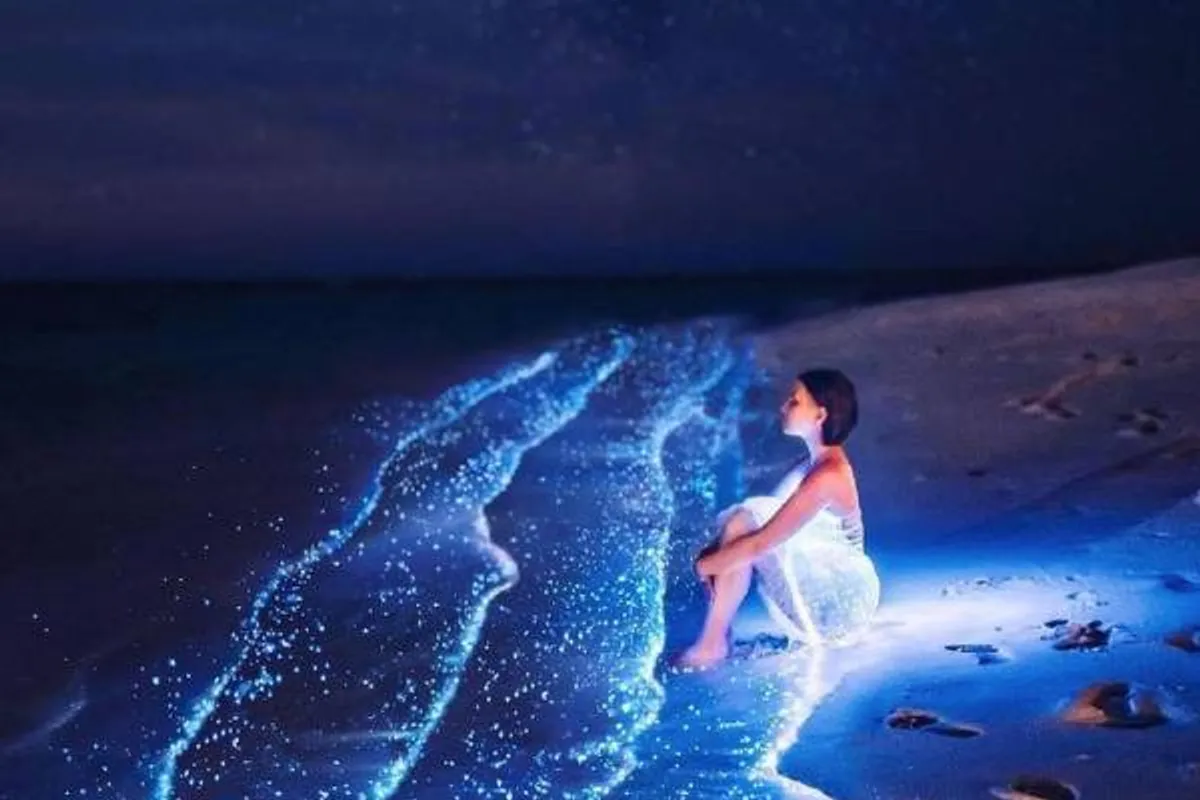
Imagine stepping onto a beach under the cloak of night, and with every gentle wave that kisses the shore, a mesmerizing electric blue glow illuminates the water. This isn't a scene from a fantasy film, but a breathtaking reality known as Bioluminescence, or the "Sea of Stars," an extraordinary natural phenomenon that transforms the Maldivian coastline into a celestial spectacle.
The Maldives, renowned globally for its pristine white-sand beaches, crystal-clear turquoise waters, and vibrant marine life, offers this unique and ethereal experience that captivates the hearts of all who witness it. This natural light show is primarily caused by microscopic marine organisms called phytoplankton, specifically dinoflagellates, which emit a brilliant blue light when disturbed. This defense mechanism creates a magical, shimmering effect that resembles countless stars twinkling beneath the waves and along the shoreline.
What makes the Bioluminescence (Sea of Stars) experience particularly special in the Maldives is the archipelago's low light pollution, which provides ideal conditions for viewing this natural wonder. The warm, nutrient-rich waters of the Indian Ocean create a perfect habitat for these glowing organisms, leading to some of the most spectacular and consistent displays of bioluminescence anywhere in the world. It's an unforgettable encounter that elevates a typical tropical getaway into an otherworldly adventure, making it a must-do for anyone seeking a truly unique and romantic experience in this island paradise.
What to Expect
Embarking on a Bioluminescence (Sea of Stars) experience is an evening adventure designed to immerse you in one of nature's most captivating light shows. The typical duration for these night tours is 2-3 hours, ensuring ample time to witness and appreciate the phenomenon.
Your experience will usually begin after sunset, once the sky has completely darkened, often around 10 PM or later, as absolute darkness is crucial for the blue glow to be visible. Depending on your chosen tour or resort, you might be transported to a specific beach known for frequent sightings, such as Vaadhoo Island, or a secluded stretch of sand away from artificial light pollution.
Upon arrival, you'll be guided to the water's edge. The magic begins as waves gently lap the shore, or when you disturb the water with your hands or feet. The phytoplankton react to this agitation, producing brilliant flashes of blue light. It's a truly interactive experience; walking along the wet sand can leave glowing footprints, and splashing in the shallow water can create dazzling trails of light. Many tours also offer the chance for a night swim or kayak, allowing you to be completely enveloped by the glowing water as it swirls around you.
What's usually included in these experiences varies but often comprises guided transfers to and from the viewing location, a knowledgeable local guide who can explain the science behind the phenomenon, and sometimes light refreshments. Some premium tours might include specialized photography guidance or equipment to help you capture the elusive glow. The focus is always on providing a tranquil yet thrilling encounter with this natural wonder, allowing you to marvel at the "stars" beneath your feet and in the water.
Pro Tip
Don't be afraid to gently agitate the water! The movement is what triggers the phytoplankton to light up, creating a more dynamic and visible display. Try swirling your hand in the water or walking slowly through the shallow surf.
Best Time for Bioluminescence (Sea of Stars) Experiences
Timing is crucial when planning your Bioluminescence (Sea of Stars) experience, as several factors influence the visibility of this natural wonder. While bioluminescence can occur year-round, there are optimal periods to maximize your chances of witnessing this magical display.
The optimal season for bioluminescence in the Maldives is generally from June to February, with many sources highlighting the period between June and October/November as particularly prominent. This timeframe often coincides with the Maldives' monsoon or wet season, which, counterintuitively for some travelers, can be ideal. The increased rainfall and specific oceanic conditions during these months are thought to contribute to higher concentrations of the bioluminescent phytoplankton.
Beyond the general season, specific viewing conditions significantly enhance the experience:
- New Moon (Dark Sky): The darker the night, the more visible the bioluminescence. Planning your visit around the new moon phase, when there is minimal moonlight, is highly recommended for the most intense glow. Avoid nights with a bright full moon, as its light can diminish the visibility of the subtle blue glow.
- Late Night (10pm+): The phenomenon is best observed once the sky is completely dark, typically from 10 PM onwards.
- Monsoon Season: As mentioned, the peak monsoon period often correlates with higher plankton activity. While this means a higher chance of rain, showers are often brief, and the warm, humid temperatures are conducive to plankton thriving.
- Calm Waters: While agitation makes the plankton glow, extremely rough seas can disperse them, making sightings less concentrated. Calm waters combined with gentle waves or movement tend to produce the most stunning effects.
Booking Timing Recommendations: Since the phenomenon is natural and somewhat unpredictable, it's wise to plan your trip during the identified peak season. Once on your chosen island, consult with local guides, resort staff, or marine biologists. They often have the most up-to-date information on recent sightings and the best local conditions, which can change daily. Staying for at least 2-3 nights on an island known for bioluminescence can also increase your chances of a successful sighting.
Pro Tip
While the monsoon season is optimal, it does bring a higher chance of rain. However, Maldivian showers are often short-lived. Don't let a little rain deter you; the clear skies after a brief shower can offer spectacular starry nights, perfect for bioluminescence!
Cost & Budgeting
The estimated cost for Bioluminescence (Sea of Stars) experiences in the Maldives typically ranges from $50-150 per person. This price point generally covers guided night tours or excursions specifically focused on viewing the glowing plankton.
Several factors can affect the pricing of these experiences:
- Location: Tours departing from more remote or exclusive resort islands might be at the higher end of the spectrum due to logistics and the premium nature of the resort's offerings. Local island tours, while still offering excellent experiences, may be more budget-friendly.
- Inclusions: Basic tours might only include transfer and guidance, while more premium options could offer night kayaking, snorkeling gear, professional photography assistance, or even private boat charters.
- Operator: Established tour operators or luxury resorts often have higher prices compared to smaller, independent local guides.
- Group Size: Private tours will naturally be more expensive than group excursions.
Budget vs. Premium Options:
- Budget-Friendly: If you're staying on a local island like Vaadhoo, simply walking along the beach at night to observe the phenomenon is free. Local guesthouses on islands like Maafushi or Thulusdhoo may offer more affordable group tours, often combining bioluminescence viewing with other night activities.
- Mid-Range: Most resort-organized excursions fall into this category, offering a comfortable boat transfer and a guided experience on a nearby beach or sandbank.
- Premium: Luxury resorts might arrange exclusive night experiences, sometimes including private dining on a glowing beach or dedicated marine biologist-led tours, which will command a higher price. Some multi-day resort packages that specifically include bioluminescence excursions and other activities can range from approximately $350-$500 (MVR 5,390-7,700) per person, though these typically encompass more than just the bioluminescence tour itself, potentially including flights and transfers.
Money-Saving Tips:
- Stay on Local Islands: Opting for guesthouses on local islands known for bioluminescence, like Vaadhoo or Mudhdhoo, can significantly reduce costs, as you can often walk to the glowing beaches for free.
- Book Group Tours: If staying at a resort, inquire about group excursions rather than private ones.
- Combine Activities: Some tour packages might bundle bioluminescence viewing with other night activities like stargazing or night fishing, potentially offering better value.
Check Prices for Maldives Bioluminescence Tours→
Where to Experience This
The Maldives is a vast archipelago, and while bioluminescence can theoretically appear on any beach under the right conditions, certain locations are renowned for more frequent and spectacular "Sea of Stars" displays.
- Vaadhoo Island (Raa Atoll): Often dubbed the "Sea of Stars island," Vaadhoo is arguably the most famous and sought-after destination for witnessing bioluminescence. This local island in the Raa Atoll is known for its consistent and vibrant glowing beaches, making it a primary draw for travelers. Vaadhoo Island Guide
- Raa Atoll: Beyond Vaadhoo, other islands within the Raa Atoll have also reported excellent sightings.
- Mudhdhoo Island (Baa Atoll): Also known for its frequent bioluminescent displays, Mudhdhoo Island is another excellent choice, particularly for those staying in the Baa Atoll. The Dusit Thani Maldives resort is located here and is known for occasional displays on its beaches.
- Various Resort Beaches: Many resorts across different atolls experience bioluminescence. Some notable mentions from search results include:
- Soneva Jani (Noonu Atoll): Offers overwater villas with potential sightings and organizes excursions.
- Dusit Thani Maldives (Mudhdhoo Island, Baa Atoll): Known for guided night walks to spot the phenomenon.
- Finolhu Maldives (Baa Atoll): Organizes special nighttime excursions.
- Vakkaru Maldives (Baa Atoll): Located in a UNESCO Biosphere Reserve, with marine biologists offering educational tours.
- Conrad Maldives Rangali Island: Offers exceptional bioluminescence visibility.
- COMO Cocoa Island: A top choice for witnessing bioluminescence.
- The Nautilus Maldives: Boasts perfect scores for bioluminescence visibility.
- Alila Kothaifaru Maldives: Ideal for experiencing the Sea of Stars.
- Other resort islands like Mirihi Island, Kihaadhuffaru Island, Kuredu Island, Reethi Beach, and Athuruga Island have also been cited for bioluminescence.
- Hulhumalé Beach: Surprisingly, this beach close to Velana International Airport has also been noted for occurrences.
- Remote Sandbanks: Some of the most spectacular displays occur away from any light pollution on remote sandbanks, which many resorts offer special nighttime excursions to.
How to Book:
- Resort Excursions: If you're staying at a resort, inquire directly with their front desk or marine activity center. They often have scheduled bioluminescence tours or can arrange private trips.
- Local Island Operators: On inhabited islands like Vaadhoo, local guesthouses or independent tour operators can arrange excursions. Local fishermen sometimes organize tours as well.
- Pre-booking Online: A few online platforms may offer bioluminescence tours, especially for popular spots like Vaadhoo Island.
Recommended Operators: Specific operator names can change, but it's always best to look for those with positive reviews, a focus on sustainable tourism, and knowledgeable guides. Many resorts, such as Dusit Thani Maldives and Vakkaru Maldives, have their own in-house marine teams that offer these experiences. For local island experiences, inquire at your guesthouse for trusted local guides.
Book Your Maldives Bioluminescence Tour Now→
Who Is This Best For?
The Bioluminescence (Sea of Stars) experience in the Maldives is a truly magical encounter, making it ideal for a specific group of travelers who appreciate natural beauty and unique phenomena.
- Nature Lovers: If you're someone who is captivated by the wonders of the natural world, from vibrant coral reefs to exotic wildlife, then witnessing the glowing plankton will undoubtedly be a highlight of your trip. It's a profound connection to the ocean's hidden marvels.
- Photographers: For those passionate about capturing extraordinary moments, the Sea of Stars presents a unique and challenging photographic opportunity. With the right equipment and techniques, you can capture stunning long-exposure shots of the ethereal blue glow.
- Romantic Couples: The serene and enchanting atmosphere created by the glowing waters makes this an incredibly romantic experience. Imagine a moonless night, hand-in-hand, walking along a beach illuminated by nature's own fairy lights. It's perfect for honeymoons, anniversaries, or simply creating an unforgettable memory with a loved one.
- Bucket-List Seekers: For travelers who thrive on checking off unique and once-in-a-lifetime experiences, the Maldives' Sea of Stars is a definite must. It's a phenomenon that few get to witness, offering bragging rights and an incredible story to tell.
Physical Requirements: Generally, the experience requires minimal physical exertion. Most tours involve a short boat ride and a walk along the beach. If you opt for night kayaking or swimming, a basic level of comfort in the water is recommended. However, you can still enjoy the spectacle from the shoreline.
Age Considerations: This activity is suitable for most age groups. Children, especially, will be mesmerized by the glowing water. However, very young children might find the late-night timing challenging. Parental discretion is advised based on the child's sleep schedule and ability to stay up late.
Group Dynamics: Bioluminescence tours are often conducted in small groups to ensure a more intimate and less disruptive experience. It's also suitable for private tours, offering an exclusive and personal encounter with the glowing sea. Whether you're traveling solo, as a couple, or with a family, the experience can be tailored to suit your group's preferences.
What to Bring
To fully enjoy your Bioluminescence (Sea of Stars) experience, being prepared with the right items is essential. Since it's a night activity, some considerations differ from daytime excursions.
Essential Items:
- Camera (with manual settings): This is paramount for photographers. A DSLR or mirrorless camera that allows for manual control over ISO, aperture, and shutter speed is crucial for capturing the faint glow. Don't forget extra batteries!
- Tripod: Absolutely essential for long-exposure photography, which is necessary to capture the bioluminescence effectively.
- Wide-Angle Lens: A fast wide-angle lens (e.g., f/2.8 or wider) will allow you to gather more light and capture a broader scene.
- Remote Shutter Release: Helps to avoid camera shake during long exposures.
- Small Flashlight or Headlamp (with red light option): Useful for navigating in the dark, but use sparingly and ideally with a red light filter to preserve night vision and avoid disturbing others or the plankton's visibility.
- Comfortable Footwear: Sandals or water shoes that are easy to take off and suitable for walking on sand are ideal.
- Light Jacket or Cover-up: Even in the Maldives, nights can have a slight breeze, and you might appreciate a light layer, especially after being in the water.
- Insect Repellent: To ward off any pesky mosquitoes, particularly if you're on a local island or near vegetation.
- Small Towel: If you plan on wading or swimming.
- Water Bottle: Stay hydrated, even at night.
Clothing Recommendations:
- Swimsuit: Wear your swimsuit under your clothes if you plan on swimming or wading in the glowing waters.
- Light, Comfortable Clothing: Opt for breathable fabrics like cotton or linen. Darker clothing might help you blend into the night and better perceive the glow, but it's not strictly necessary.
Things to Leave Behind:
- Bright Lights: Avoid using bright flashlights or your phone's screen light excessively, as it will disrupt your and others' night vision and diminish the bioluminescence's visibility.
- Valuables (unless waterproofed): If you're going near or in the water, ensure your electronics and valuables are securely waterproofed or left safely behind.
- Expectations of a "Guaranteed" Show: While the Maldives offers high chances, bioluminescence is a natural phenomenon and cannot be 100% guaranteed. Come with an open mind and appreciate the beauty if it appears.
Pro Tip
Practice your long-exposure photography settings before the tour in a dark environment. This will save you precious time when you're on the glowing beach, ensuring you don't miss the perfect shot.
Insider Tips
Maximizing your Bioluminescence (Sea of Stars) experience goes beyond just being in the right place at the right time. Here are some insider tips to enhance your encounter with this magical phenomenon:
- Talk to the Locals and Resort Staff: The single best source of real-time information is often the locals or your resort's marine biology team or guest services. They can provide insights into recent sightings, the best current locations, and optimal conditions, as plankton blooms can be localized and shift.
- Embrace the New Moon: Seriously prioritize visiting during the new moon phase. The absence of moonlight is the most critical factor for seeing the bioluminescence clearly and intensely. Check a moon phase calendar before booking your trip.
- Patience is Key: Bioluminescence is a natural wonder, not a timed show. Be patient, relax, and allow your eyes to adjust to the darkness. Sometimes the glow might be faint at first, then intensify.
- Agitate the Water: Don't just stand there! The phytoplankton light up when disturbed. Gently splash the water, walk along the wet sand, or even swim to create a more dramatic light show around you.
- Minimize Light Pollution: Move away from any artificial lights from resorts or boats. Even a distant light source can significantly reduce the visibility of the subtle glow. Turn off your phone screens.
- Consider Night Snorkeling/Kayaking: For a truly immersive experience, if offered and conditions allow, a night snorkel or kayak tour can be breathtaking. Seeing the glow swirl around your body or beneath your kayak is an unforgettable perspective.
- Look for Red Algae During the Day: While not always a guarantee, some experts suggest that during the day, large concentrations of bioluminescent plankton can sometimes appear as reddish-brown patches in the water. If you spot this, it might be a good indicator for a nighttime show.
Common Mistakes to Avoid:
- Expecting a Constant Bright Glow: The "Sea of Stars" is usually a series of sparkling flashes, not a continuous, bright illumination. Manage your expectations to appreciate its subtle beauty.
- Using Flash Photography: Your camera's flash will completely wash out the bioluminescence. Rely on long exposure and high ISO settings instead.
- Visiting During a Full Moon: This is the biggest mistake you can make if bioluminescence is your priority.
- Not Being Prepared for Mosquitoes: Especially on local islands, mosquitoes can be present at night.
Hidden Gems and Secrets:
While Vaadhoo Island is famous, don't overlook other islands, especially those in the Baa Atoll or Raa Atoll, which might offer equally stunning, if less publicized, displays. Remote sandbanks away from any human habitation can sometimes offer the most pristine and intense viewing experiences. Asking local fishermen about their recent sightings can sometimes lead you to a less crowded, spectacular spot.
Combining with Other Activities
A Bioluminescence (Sea of Stars) experience is often the highlight of a Maldivian evening, but it can be wonderfully complemented by other activities to create a truly unforgettable itinerary.
Perfect Pairings:
- Stargazing: Since bioluminescence thrives under dark skies, the same conditions are perfect for stargazing. Many resorts offer dedicated stargazing sessions, or you can simply lie on the beach and marvel at the Milky Way above while the "sea of stars" glows below.
- Night Fishing: Combine the thrill of night fishing with the possibility of seeing glowing plankton. As your boat moves through the water, you might witness trails of light, adding an extra layer of magic to your catch.
- Sunset Cruise: Start your evening with a romantic sunset cruise, enjoying the vibrant Maldivian colors, and then transition seamlessly into a search for the bioluminescent wonders after dark.
- Romantic Beach Dinner: Many resorts can arrange a private, candlelit dinner on the beach. Imagine concluding your meal with a stroll along the glowing shoreline – the ultimate romantic finale.
- Underwater Photography Workshop: If you're a keen photographer, combining a daytime underwater photography session with a night-time bioluminescence photography lesson can hone your skills in capturing both the vibrant marine life and the ethereal glow.
Multi-Day Itinerary Ideas:
- Day 1: Arrival & Resort Exploration: Settle into your chosen resort. Enjoy snorkeling or diving during the day. In the evening, do a relaxed sunset cruise.
- Day 2: Marine Excursion & Bioluminescence: Dedicate the day to a whale shark or manta ray excursion (if in season and location allows). In the evening, embark on your dedicated Bioluminescence (Sea of Stars) tour.
- Day 3: Relaxation & Local Culture: Enjoy a spa treatment or simply relax by the pool. If staying near a local island, take a cultural tour during the day. In the evening, perhaps a private beach dinner.
- Day 4 onwards: Island Hopping/Water Sports: Depending on your trip length, explore different islands, try various water sports, or simply unwind. Keep an eye out for bioluminescence on any dark beach at night.
Resort Packages That Include This:
Many luxury resorts in the Maldives understand the allure of bioluminescence and incorporate it into their activity offerings or special packages. When booking your stay, inquire about:
- Honeymoon Packages: Often include romantic night experiences that might feature bioluminescence.
- Marine Discovery Packages: Resorts with marine biology centers or extensive water sports often include guided night tours focusing on marine phenomena.
- Customized Experiences: Don't hesitate to ask your resort if they can arrange a private bioluminescence viewing as part of a tailor-made itinerary.
Resorts like Dusit Thani Maldives, Soneva Jani, and Vakkaru Maldives are known for offering bioluminescence experiences or being located in areas with good visibility. Always check with your specific resort about their current offerings.
Plan Your Dream Maldives Itinerary with Bioluminescence→
Frequently Asked Questions
What exactly causes the "Sea of Stars" phenomenon?
The "Sea of Stars" is caused by bioluminescent phytoplankton, primarily single-celled organisms called dinoflagellates. When these tiny marine microbes are disturbed by movement, such as waves, footsteps, or swimming, they emit a bright blue light as a defense mechanism through a chemical reaction involving luciferin and luciferase.
Is the bioluminescence visible every night?
No, while the plankton are active year-round, sightings are not guaranteed every night. Bioluminescence is a natural phenomenon influenced by various factors including plankton concentration, water temperature, salinity, tide, and nutrient levels. The best chances are during the monsoon season (June to February) and, crucially, on dark, moonless nights.
Which island is most famous for bioluminescence in the Maldives?
Vaadhoo Island in the Raa Atoll is widely considered the most famous and reliable location for witnessing the "Sea of Stars" in the Maldives. However, it can also be seen on other islands, particularly in the Raa and Baa Atolls.
Can I swim in the bioluminescent water? Is it safe?
Yes, you can absolutely swim in the bioluminescent water, and it is generally considered safe. The glowing plankton are not harmful to humans and swimming among them can be an incredibly immersive and magical experience, creating swirling trails of light around your body.
What's the best time of year to see the Sea of Stars?
The best time of year to see bioluminescence in the Maldives is typically during the wet season, from June to February, with peak visibility often cited between June and October/November. This period offers the most favorable conditions for plankton blooms.
Do I need special equipment to photograph bioluminescence?
Yes, capturing bioluminescence with a camera requires specific equipment and settings. You'll need a camera with manual controls (DSLR or mirrorless), a sturdy tripod, and ideally a fast, wide-angle lens. Long exposure times (15-30 seconds), high ISO (1600-3200), and manual focus are key. Avoid using flash, as it will wash out the glow.
How much does a bioluminescence tour typically cost?
A dedicated bioluminescence tour or experience in the Maldives typically costs between $50-150 per person. Prices can vary based on the tour operator, inclusions, and whether it's a private or group excursion. Simply walking along a glowing beach on a local island is free.
Can light pollution affect the viewing experience?
Yes, light pollution significantly impacts the visibility of bioluminescence. The phenomenon is best observed on very dark nights, away from any artificial light sources from resorts, boats, or nearby islands. This is why planning your visit around the new moon is highly recommended.
Ready to Book Activity?
Compare prices across top booking platforms and find the best deal for your stay.
Not sure? Compare similar resorts: Kurumba Maldives • Bandos Maldives